
EU SCCS Issues 2026 Nano-Material Guidelines: Toy Coatings & Baby Teethers Require Revalidation
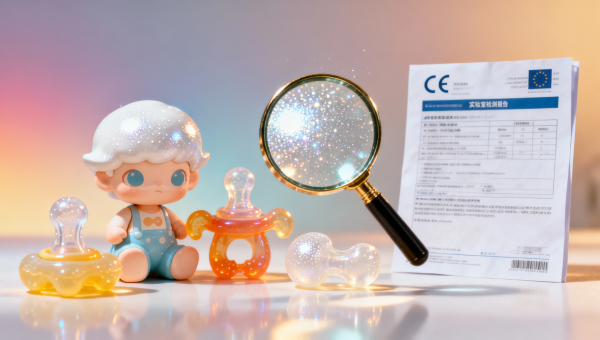
On March 25, 2026, the EU Scientific Committee on Consumer Safety (SCCS) released its revised Guidelines on Safety Assessment of Nanomaterials in Cosmetics and Children's Products, introducing mandatory toxicological re-evaluations for nano-scale titanium dioxide and zinc oxide coatings widely used in blind box toys and baby teethers. Chinese exporters of trendy toys and childcare products must submit comprehensive safety dossiers by September 25, 2026, to maintain EU/UK market access.
Event Overview
The SCCS update specifically targets nano-TiO2 and ZnO coatings applied for UV protection on:
- Collectible toy surfaces (e.g., blind box figurines)
- Soft polymer teething products
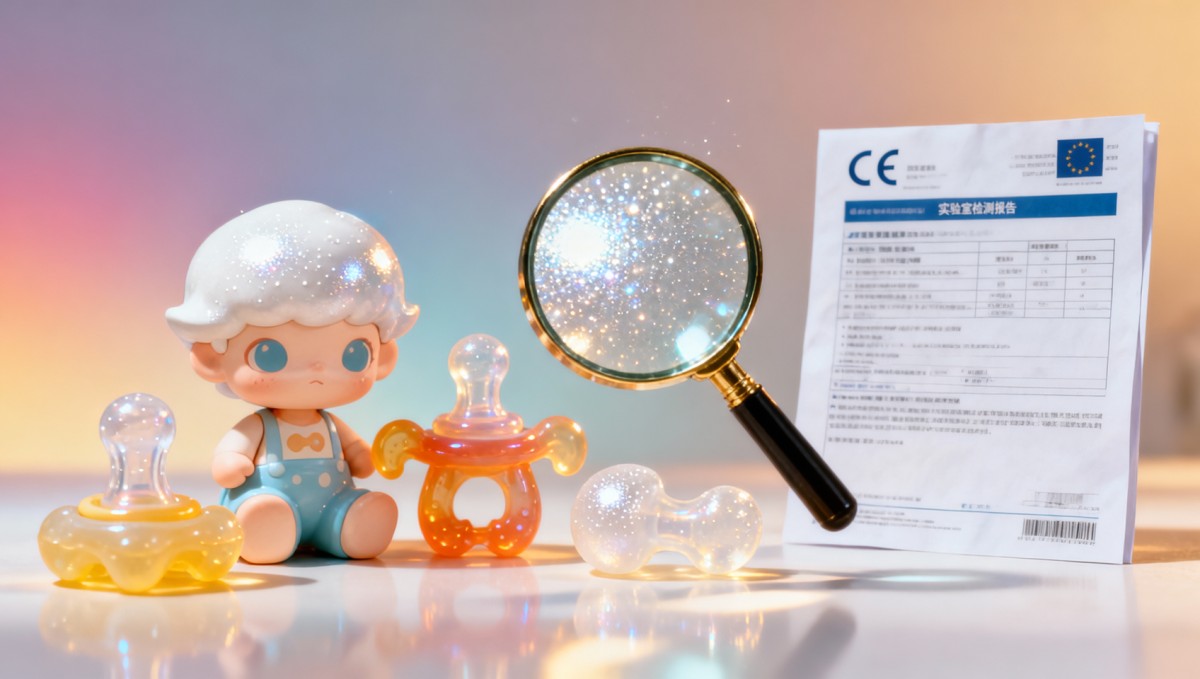
Required documentation now includes nanoparticle characterization, dermal penetration studies, and developmental toxicity data. Non-compliant products will lose CE/UKCA certification eligibility, affecting both Amazon EU listings and physical retail distribution.
Impacted Sub-Sectors
1. Trendy Toy Exporters
Manufacturers of collectible vinyl toys face immediate reformulation pressures, particularly for:
- High-gloss metallic finishes
- UV-resistant outdoor editions
2. Baby Product Suppliers
Teether producers using nano-ZnO for antibacterial properties must now:
- Conduct migration tests under saliva simulation
- Provide particle size distribution below 100nm
3. Coating Material Providers
Specialty chemical suppliers should anticipate:
- Downstream demand shift to non-nano alternatives
- Increased requests for REACH-compliant formulations
Actionable Priorities
1. Timeline Management
The 6-month window (March-September 2026) requires:
- Immediate gap analysis of existing technical files
- Prioritization of high-volume SKUs for testing
2. Testing Strategy
From an industry perspective, accredited labs with OECD GLP certification for:
- Dermal absorption (OECD 428)
- Developmental toxicity (OECD 414)
3. Supply Chain Coordination
Current procurement practices should:
- Verify nano-content declarations from material suppliers
- Secure testing cost-sharing agreements
Editorial Observation
This revision signals the EU's tightening stance on engineered nanomaterials beyond cosmetics. Analysis suggests:
- The inclusion of toy coatings reflects growing scrutiny on adult collectibles as potential children's products
- UKCA alignment indicates post-Brexit regulatory continuity in consumer safety
Conclusion: While the guidelines don't ban nano-materials outright, they establish a precedent for lifecycle assessment in children's product categories. Manufacturers should treat this as a compliance inflection point rather than temporary adjustment.
Source
EU SCCS Official Release (2026-03-25): Guidelines on Safety Assessment of Nanomaterials in Cosmetics and Children's Products (2026 Revision)
Related Intelligence
 Skincare OEMAug 16, 2026Amazon Enforces AI Human Metadata Rule for Beauty and Personal Care SellersAmazon now enforces AI human metadata rules for beauty sellers. Learn how to protect listings, traffic, and compliance in skincare, cosmetics, and beauty devices.
 Beauty DevicesAug 15, 2026China to Roll Out Nationwide Cross-Border Cash Pooling for MultinationalsChina to roll out nationwide cross-border cash pooling for multinationals from Sept. 14. Discover how this policy could improve treasury efficiency, liquidity management, and China-linked supply chains.
 Beauty DevicesAug 14, 2026China Imposes Temporary Export Ban on Helium, Affecting Cooling Supply ChainsChina's temporary helium export ban may disrupt cooling supply chains for beauty RF devices and laser systems. Learn what ODMs, buyers, and procurement teams should check now.
![]() Cosmetics & PkgAug 13, 2026PPWR becomes mandatory: Beauty and personal care packaging materials usher in new EPR and PFAS compliance requirementsPPWR takes effect for cosmetics packaging in the EU, bringing EPR registration and PFAS limits. Learn what brands, importers, and suppliers must do now.
Cosmetics & PkgAug 13, 2026PPWR becomes mandatory: Beauty and personal care packaging materials usher in new EPR and PFAS compliance requirementsPPWR takes effect for cosmetics packaging in the EU, bringing EPR registration and PFAS limits. Learn what brands, importers, and suppliers must do now. Cosmetics & PkgAug 12, 2026EU PPWR Now Enforced for Beauty Packaging ComplianceEU PPWR now enforced for beauty packaging compliance: learn how EPR, ERN, heavy metals and PFAS rules affect EU exports, customs clearance and platform sales.
 Cosmetics & PkgAug 11, 2026EU PPWR Rules Take Effect on Aug. 12 for Beauty PackagingEU PPWR rules for beauty packaging take effect on Aug. 12, 2026. Learn key compliance steps, EPR, labeling, PFAS limits, and how to avoid customs delays and fines.
 Smart Pet DevicesAug 10, 2026EU EPR Rules to Cover Smart Pet Devices on Aug. 15EU EPR Rules will cover smart pet devices from Aug. 15, 2026. Learn how smart collars, feeders, and monitoring devices can avoid delisting, customs delays, and compliance risks in the EU.
 Infant Feeding & CareAug 09, 2026CPSC Recalls Baby Sleep Sacks Over Undeclared TDCPPCPSC Recalls Baby Sleep Sacks Over Undeclared TDCPP: learn how this 2026 recall impacts CPC documents, third-party testing, and U.S. baby product compliance for exporters.
 Infant Feeding & CareAug 08, 2026ECHA Adds 5 SVHCs, Importer Notices Due From Oct 2026ECHA adds 5 SVHCs to the Candidate List, with importer notices due from October 2026. Learn how REACH affects exporters, supply chains, and documentation readiness.
 Baby Gear & StrollersAug 07, 2026CPSC Revises Crib Rail Standard for November 2026CPSC revises crib rail standard for November 2026, adding dynamic impact tests and mandatory third-party lab testing. Learn how the new rule affects U.S. market access, compliance, and shipments.
 Electronic & RC ToysAug 06, 2026EU to Require EN IEC 62115:2025 for Electronic ToysEU to Require EN IEC 62115:2025 for Electronic Toys from Oct 1, 2026. Learn scope, battery and AI safety updates, CE compliance risks, and how exporters can avoid customs delays.
 Baby Gear & StrollersAug 05, 2026US Stroller Stability Rule Takes Effect Aug. 15US Stroller Stability Rule Takes Effect Aug. 15: learn how new U.S. stroller compliance, ASTM F833-26a, and CPSC testing rules may affect imports, certification, and shipment readiness.
 Infant Feeding & CareAug 04, 2026ECHA Adds 5 SVHCs, Triggering Baby Care Export ReviewECHA adds 5 SVHCs, prompting an urgent baby care export review for EU-bound products. Learn the 0.1% threshold risks, compliance steps, and how to avoid customs delays and fines.












