
What international retail data says about RC toy seasonality
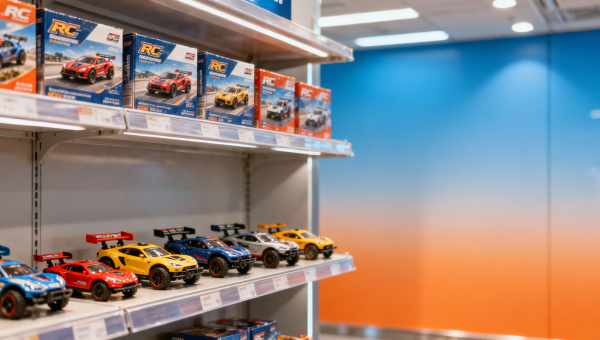
What can international retail data reveal about RC toy seasonality across global markets? This article uses retail analysis and supply chain research to uncover demand peaks, sourcing cycles, and compliance pressures shaping international supply. For buyers, brand teams, and sourcing decision-makers, these retail insights connect product safety standards, product regulations, and supply chain analysis to smarter planning, lower risk, and stronger brand supply performance.
Why RC toy seasonality matters for travel retail and destination-based merchandising
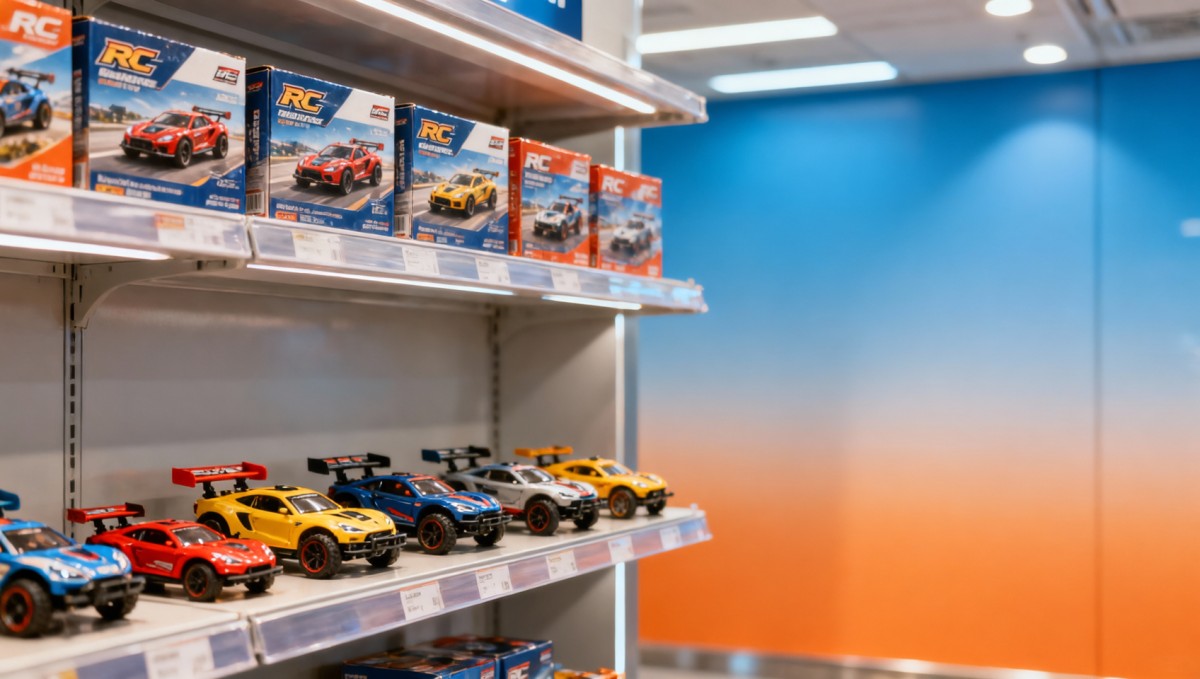
RC toy seasonality is not only a toy category issue. In travel services, it affects airport shops, resort retail corners, family attraction gift stores, cruise retail programs, and seasonal destination campaigns. International retail data typically shows that RC toy demand concentrates around 3 major windows: summer holiday travel, back-to-school family spending, and the year-end gifting period. For tourism-linked sellers, that means inventory timing must match traveler flow rather than local warehouse convenience.
For procurement teams and commercial evaluators, the key challenge is that travel retail operates with shorter selling windows and less tolerance for stockouts. A toy line that misses a 6–8 week peak in a tourist destination may not recover until the next holiday cycle. In contrast, overbuying creates markdown risk, especially for battery-powered RC products that may face storage, transport, and compliance restrictions in different regions.
This is where Global Consumer Sourcing supports decision-making. Instead of treating RC toys as generic gifts, GCS helps buyers map category momentum, supplier readiness, private-label opportunities, and regulatory checkpoints. That matters for travel-service operators that need products aligned with passenger demographics, season-based footfall, and cross-border sales requirements across 2–4 regional markets at the same time.
For operators, the practical question is simple: when does demand rise, how early should sourcing begin, and which compliance tasks can delay launch? Those answers affect budget release, sample approval, destination allocation, and replenishment planning. In travel retail, the difference between ordering 90 days early and 45 days early can directly change freight cost, shelf readiness, and promotional timing.
Where seasonality becomes visible first
- Airport and transit retail often sees early spikes before school holidays, when parents purchase compact gift items for children during outbound travel.
- Resort and theme-based destinations perform better with outdoor-capable RC toys during warmer months, typically over a 10–12 week family travel period.
- Cruise and duty-paid channels tend to favor giftable boxed items, especially during year-end voyages and regional holiday routes.
- Tourism distributors need staggered delivery because one destination may peak in July while another may perform strongest in November or December.
The result is a purchasing model that depends on route planning, regional holiday calendars, age-group appeal, and portability. Buyers who understand these seasonal signals can build a more accurate assortment instead of relying on broad annual forecasts.
What international retail patterns usually say about demand peaks and sourcing windows
Across global consumer goods channels, RC toy seasonality tends to follow retail event timing, weather suitability, and gifting behavior. Outdoor-oriented RC cars and boats usually gain traction before school breaks and summer travel. Indoor-safe RC items, mini vehicles, and beginner-friendly products often perform better during colder months and year-end gifting. For tourism service businesses, this means assortment planning should separate destination use cases rather than treating all RC toys as one SKU group.
A common sourcing mistake is to start negotiations only after demand becomes visible at store level. In reality, most B2B teams need 3 stages before launch: supplier screening, sample and compliance review, then production and logistics booking. Depending on packaging complexity, labeling language, and battery configuration, this process can take 8–16 weeks. If private-label packaging is involved, lead time can extend further.
Travel-linked retail also needs to consider tourist behavior by trip type. Short-haul family travelers often respond to impulse-friendly, compact RC items. Long-stay leisure destinations can support larger-format products with stronger play value. That makes market analysis useful not only for volume prediction but also for pack size, price point, and replenishment frequency.
The table below outlines how seasonality commonly aligns with planning cycles in international retail and tourism-driven channels. These are operational ranges rather than fixed dates, and buyers should adjust them according to destination climate, holiday calendars, and shipping mode.
The practical takeaway is that seasonality is best managed backward from the shelf date. Travel service operators, project managers, and finance approvers should build calendars that start with on-site availability and move back through production, testing, artwork approval, and import preparation.
What buyers should track month by month
- Passenger and visitor flow by destination, especially family-heavy periods lasting 4–12 weeks.
- Retail sell-through by toy format, such as mini RC cars, beginner drones where allowed, or novelty vehicles.
- Compliance milestones, including labeling review, age grading checks, and battery-related transport confirmation.
- Freight and replenishment timing for multi-country travel networks and distributor handoffs.
These checkpoints help sourcing teams translate international retail data into operational decisions instead of broad trend observations.
How to evaluate RC toy programs for tourism channels: assortment, risk, and compliance
A strong RC toy program for tourism channels must balance excitement with control. Operators want products that attract family travelers, yet quality managers and safety reviewers need fewer returns, clearer labeling, and manageable transport risk. In practice, buyers often compare 3 dimensions first: play appeal, operational suitability, and regulatory readiness. If one dimension is weak, the full program becomes harder to scale across airports, resorts, or destination shops.
Compact RC toys are often easier for travel retail because they fit impulse buying behavior and reduce shelf space pressure. Larger RC products may deliver stronger perceived value but can create packaging damage risk, slower replenishment, and more difficult take-home decisions for travelers. This is especially important in tourist zones where many purchases are made within the final 24–48 hours of a trip.
Compliance review should begin early, not after the commercial team confirms pricing. RC products can trigger extra attention due to battery inclusion, age labeling, electrical safety considerations, and destination market rules. Requirements vary by market, but buyers commonly need to verify documentation for CE, CPC, or other applicable product safety pathways depending on sales region and product type.
The table below gives a practical selection framework for travel-service operators, sourcing teams, and distributors assessing RC toy lines for international retail programs.
For financial approvers, this framework also supports better budget discipline. A lower unit cost is not always cheaper if late compliance review forces air freight or if oversized packaging cuts sell-through in compact travel stores. Total program value depends on timing, handling, and sellable inventory quality.
A practical 5-point procurement checklist
- Confirm whether the product is intended for impulse gifting, destination play, or premium souvenir positioning.
- Check lead time ranges for samples, production, and shipping, usually across 2–3 separate approval gates.
- Review safety documentation before final artwork approval, not after the purchase order is released.
- Compare packaging dimensions against shelf capacity and traveler carry-on practicality.
- Plan a replenishment path for top destinations so that high performers can be restocked within 7–21 days where feasible.
This checklist is especially useful for project managers coordinating sourcing, merchandising, compliance, and regional sales teams in one launch calendar.
Common mistakes in interpreting retail data and how to avoid weak seasonal buys
One common mistake is to assume that high holiday demand in general retail automatically translates into strong travel retail demand. The customer journey is different. Travelers buy for convenience, portability, and immediate gifting. A successful RC toy in e-commerce may underperform in a resort shop if the box is too large, the age recommendation is unclear, or the destination does not support practical use.
Another mistake is using annual category averages instead of destination-specific seasonality. A tropical family resort may have repeated mini-peaks over 3 or 4 school vacation periods, while a city airport may depend more on year-end and summer outbound traffic. Without this distinction, buyers risk placing one broad order where a staggered two-wave program would perform better.
A third issue is underestimating compliance as a timing factor. Product safety standards, battery handling requirements, and warning label reviews are not just technical tasks. They directly shape launch timing, distributor confidence, and customs readiness. Quality and safety managers often find that the fastest commercial decision is not the fastest route to market.
GCS adds value here by connecting trend research with sourcing execution. Instead of reading retail demand in isolation, teams can evaluate whether a seasonal opportunity is operationally realistic. This reduces the gap between what the market appears to want and what the supply chain can safely deliver within the required 6–14 week planning window.
Red flags that should trigger a second review
Commercial red flags
- Forecasts are based on one market only, even though the rollout covers several destinations with different travel calendars.
- The program relies on a single peak season with no replenishment or markdown fallback plan.
Operational red flags
- Packaging is optimized for e-commerce shipping but not for compact travel display or carry-home convenience.
- Production starts before age labeling, user instructions, or destination language requirements are checked.
By identifying these red flags early, buyers and approvers can avoid emergency changes that usually damage timing, cost control, and supplier coordination.
FAQ for buyers, distributors, and tourism retail planners
Search interest around RC toy seasonality often comes from teams that need quick operational answers, not theory. The questions below reflect common concerns raised by procurement personnel, regional distributors, safety reviewers, and commercial managers working across tourism channels.
How early should RC toy sourcing begin before a peak travel season?
For standard items, planning 8–12 weeks before shelf date is usually more workable than waiting for visible store demand. If the program includes custom packaging, multi-language instructions, or market-specific compliance review, 12–16 weeks is a safer range. The timing should cover 3 checkpoints: sample sign-off, documentation review, and logistics booking.
Which RC toy formats are more suitable for travel retail?
Smaller, boxed RC vehicles with clear age guidance and moderate price points often fit airport, cruise, and resort retail more naturally than bulky hobby-grade items. Travel channels usually prefer products that are easy to display, easy to carry, and understandable within a short purchase decision. The right fit depends on whether the sale is impulse-driven, souvenir-oriented, or linked to family destination entertainment.
What should quality and safety teams review first?
Start with age grading, labeling, included components, and battery-related handling requirements. Then review the documentation path required by the intended sales market, such as CE or CPC where applicable. This early review avoids a common problem: commercial teams finalizing artwork or packaging before the safety file is aligned with the destination market.
How can distributors reduce seasonal inventory risk?
Use staged ordering instead of a single large buy where possible. A two-wave approach often works better: an initial launch quantity before peak travel, then a replenishment decision based on 2–4 weeks of sell-through. This approach is especially useful in tourism markets with uneven visitor flows or different holiday patterns across regions.
Why work with GCS when planning RC toy supply around international seasonality
For travel service businesses, sourcing decisions are rarely about product alone. They involve destination timing, category fit, compliance demands, freight choices, and margin protection. Global Consumer Sourcing helps buyers and business leaders bring these factors together through focused intelligence on Gifts & Toys, supplier evaluation logic, and practical guidance for private-label and cross-border retail planning.
This matters when internal teams have different priorities. Procurement may focus on lead time, finance on cost exposure, quality teams on documentation, and commercial teams on peak conversion. GCS supports a shared view by connecting retail seasonality with sourcing feasibility, so decisions are made on a realistic operating timeline instead of isolated assumptions.
If you are reviewing RC toy programs for airport retail, resort merchandising, destination gift stores, or distributor-led tourism markets, the most useful next step is a structured discussion. That can include product selection logic, target seasonal windows, labeling and certification checkpoints, sample planning, or shipping strategy for one market or several regions.
Contact GCS to discuss 6 practical areas: assortment planning, supplier screening, custom packaging scope, lead-time mapping, compliance requirements, and quotation alignment. If you already have a tentative launch window, sample list, or destination sales plan, those details can be used to build a more accurate sourcing path and reduce avoidable seasonal risk before purchase orders are released.
Related Intelligence
 Skincare OEMAug 16, 2026Amazon Enforces AI Human Metadata Rule for Beauty and Personal Care SellersAmazon now enforces AI human metadata rules for beauty sellers. Learn how to protect listings, traffic, and compliance in skincare, cosmetics, and beauty devices.
 Beauty DevicesAug 15, 2026China to Roll Out Nationwide Cross-Border Cash Pooling for MultinationalsChina to roll out nationwide cross-border cash pooling for multinationals from Sept. 14. Discover how this policy could improve treasury efficiency, liquidity management, and China-linked supply chains.
 Beauty DevicesAug 14, 2026China Imposes Temporary Export Ban on Helium, Affecting Cooling Supply ChainsChina's temporary helium export ban may disrupt cooling supply chains for beauty RF devices and laser systems. Learn what ODMs, buyers, and procurement teams should check now.
![]() Cosmetics & PkgAug 13, 2026PPWR becomes mandatory: Beauty and personal care packaging materials usher in new EPR and PFAS compliance requirementsPPWR takes effect for cosmetics packaging in the EU, bringing EPR registration and PFAS limits. Learn what brands, importers, and suppliers must do now.
Cosmetics & PkgAug 13, 2026PPWR becomes mandatory: Beauty and personal care packaging materials usher in new EPR and PFAS compliance requirementsPPWR takes effect for cosmetics packaging in the EU, bringing EPR registration and PFAS limits. Learn what brands, importers, and suppliers must do now. Cosmetics & PkgAug 12, 2026EU PPWR Now Enforced for Beauty Packaging ComplianceEU PPWR now enforced for beauty packaging compliance: learn how EPR, ERN, heavy metals and PFAS rules affect EU exports, customs clearance and platform sales.
 Cosmetics & PkgAug 11, 2026EU PPWR Rules Take Effect on Aug. 12 for Beauty PackagingEU PPWR rules for beauty packaging take effect on Aug. 12, 2026. Learn key compliance steps, EPR, labeling, PFAS limits, and how to avoid customs delays and fines.
 Smart Pet DevicesAug 10, 2026EU EPR Rules to Cover Smart Pet Devices on Aug. 15EU EPR Rules will cover smart pet devices from Aug. 15, 2026. Learn how smart collars, feeders, and monitoring devices can avoid delisting, customs delays, and compliance risks in the EU.
 Infant Feeding & CareAug 09, 2026CPSC Recalls Baby Sleep Sacks Over Undeclared TDCPPCPSC Recalls Baby Sleep Sacks Over Undeclared TDCPP: learn how this 2026 recall impacts CPC documents, third-party testing, and U.S. baby product compliance for exporters.
 Infant Feeding & CareAug 08, 2026ECHA Adds 5 SVHCs, Importer Notices Due From Oct 2026ECHA adds 5 SVHCs to the Candidate List, with importer notices due from October 2026. Learn how REACH affects exporters, supply chains, and documentation readiness.
 Baby Gear & StrollersAug 07, 2026CPSC Revises Crib Rail Standard for November 2026CPSC revises crib rail standard for November 2026, adding dynamic impact tests and mandatory third-party lab testing. Learn how the new rule affects U.S. market access, compliance, and shipments.
 Electronic & RC ToysAug 06, 2026EU to Require EN IEC 62115:2025 for Electronic ToysEU to Require EN IEC 62115:2025 for Electronic Toys from Oct 1, 2026. Learn scope, battery and AI safety updates, CE compliance risks, and how exporters can avoid customs delays.
 Baby Gear & StrollersAug 05, 2026US Stroller Stability Rule Takes Effect Aug. 15US Stroller Stability Rule Takes Effect Aug. 15: learn how new U.S. stroller compliance, ASTM F833-26a, and CPSC testing rules may affect imports, certification, and shipment readiness.
 Infant Feeding & CareAug 04, 2026ECHA Adds 5 SVHCs, Triggering Baby Care Export ReviewECHA adds 5 SVHCs, prompting an urgent baby care export review for EU-bound products. Learn the 0.1% threshold risks, compliance steps, and how to avoid customs delays and fines.












