
CPC Toys Checklist for Import Approval
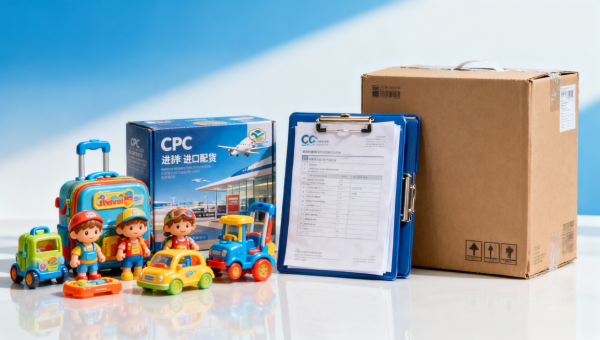
Importing toys into the U.S. requires more than sourcing speed—it demands airtight toy compliance and a complete CPC toys checklist. For buyers, stroller OEM partners, playpen manufacturers, and quality teams, understanding import approval is essential to reduce delays, control risk, and protect brand credibility. This guide outlines the key documents, testing, and supplier checkpoints needed for smoother approvals and smarter sourcing decisions.
Why a CPC toys checklist matters before shipment and market launch
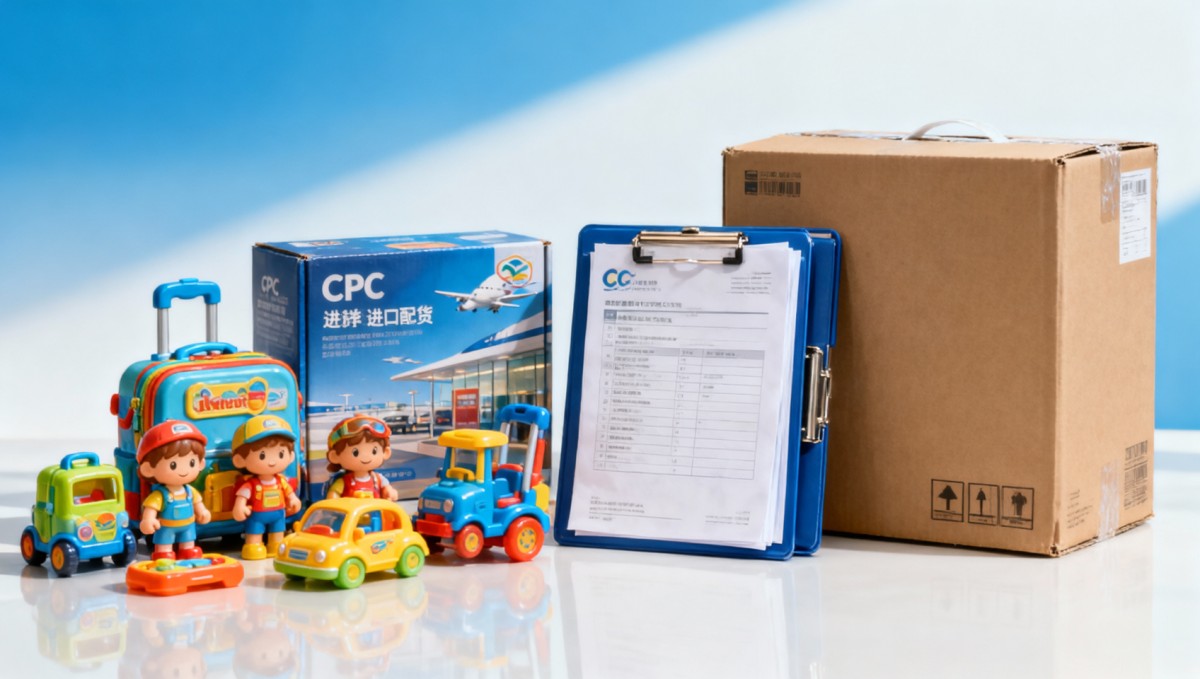
In travel services, toys are often more than retail items. They may be sold in airport stores, included in family travel kits, offered by resort gift shops, used in kids’ club programs, or packaged as promotional merchandise for tourism campaigns. Because these products reach children in highly visible service environments, import approval failures can quickly become an operational and reputational issue.
A CPC toys checklist helps procurement teams, compliance staff, and project managers verify whether a toy shipment is supported by the right documentation before goods are booked, loaded, or distributed. In practice, this means checking 3 core areas: product testing, certificate accuracy, and shipment-document consistency. Missing one of these areas can trigger customs questions, warehouse holds, or downstream sales delays.
For travel retailers and tourism supply buyers working with seasonal windows, timing matters. A delayed family-themed retail launch before a holiday, school break, or peak tourism month can affect more than one sales channel. Typical sourcing timelines may include 7–15 days for lab scheduling, 1–2 weeks for document correction, and several additional days if carton markings or importer details must be updated after booking.
This is where Global Consumer Sourcing supports decision-making. GCS helps buyers compare supplier readiness, understand common CPC document gaps, and evaluate whether a factory can support compliant, repeatable supply for gift shops, travel retail programs, and branded tourism merchandise. That is especially useful when a sourcing team must align compliance, margin, and launch speed across multiple stakeholders.
What import teams usually need to confirm first
- Whether the item is a children’s product subject to U.S. toy safety requirements and third-party testing.
- Whether the Children’s Product Certificate matches the exact SKU, age grading, materials, and importer information.
- Whether packaging, warning labels, manuals, and shipping marks are consistent with the tested product version.
- Whether the supplier can provide traceability records for production date, batch control, and component sources.
What should be included in a practical CPC toys checklist?
A usable checklist should not stop at “certificate available.” Buyers in travel services often source mixed assortments for souvenir stores, hotel retail corners, onboard sales, and destination-themed promotions. That means the checklist must connect the compliance file to the actual commercial use case, packaging format, and replenishment plan. A toy approved for one sales model may still create issues if labeling changes in another channel.
At minimum, most import teams review 5 key document groups: the Children’s Product Certificate, third-party lab reports, product specification records, packaging and labeling proofs, and commercial shipping documents. If one file uses an outdated item code or an incomplete importer address, the entire approval package can become harder to defend during review.
The table below summarizes a practical CPC toys checklist that purchasing teams, quality managers, and distributors can use before cargo departure. It is especially useful for tourism-related retail programs where product turnover is fast and approval windows are often compressed into 2–4 weeks.
The main takeaway is simple: a CPC toys checklist should connect compliance, packaging, and shipment data in one review flow. For travel service operators managing branded toy lines across hotels, attractions, and retail counters, this reduces the risk of approving a document set that looks complete on paper but does not match the goods actually entering the U.S. market.
Key checkpoints before final approval
Document match
The product shown in testing should match the shipped version in material, dimensions, function, accessories, and age grade. Even a packaging refresh for a tourism campaign should be reviewed if warning placement changes.
Batch traceability
Factories should be able to identify at least the production date range, assembly site, and component source records. This matters if a distributor, retailer, or resort operator later needs targeted recall support rather than broad inventory withdrawal.
Commercial readiness
If the toy is part of a travel retail promotion, confirm carton quantity, retail unit configuration, and launch date alignment. A compliant product that arrives 2 weeks late may still fail the business objective.
How to evaluate suppliers for compliant toy imports in travel retail programs
Not every supplier that can make a toy can support import approval efficiently. For buyers serving airports, cruise operators, family resorts, museums, and destination retailers, supplier selection should balance design capability with document discipline. The real question is not only “Can they produce?” but also “Can they sustain compliant supply over multiple purchase cycles?”
A useful evaluation method is to score suppliers across 4 dimensions: compliance responsiveness, product consistency, communication clarity, and replenishment reliability. This approach helps technical reviewers and finance approvers align on total sourcing risk rather than unit price alone. A lower quotation can become expensive if retesting, relabeling, or freight rework is needed.
For travel service companies, supplier flexibility also matters. Many tourism products are ordered in small-to-mid volumes, then reordered quickly if guest demand is strong. In that setting, a supplier should handle sample updates within days, maintain version control, and explain whether any material substitution will trigger a new test review.
GCS supports this stage by helping buyers compare factories beyond brochure claims. Instead of relying only on sales language, procurement teams can use structured sourcing intelligence to review category experience, likely compliance friction points, and whether a supplier is better suited to private-label, promotional, or standard gift-toy programs.
The table below can be used as a supplier screening tool before issuing a purchase order, especially when a travel retail project has a fixed launch window or a multi-location rollout plan.
This type of comparison helps distributors, sourcing managers, and project owners explain supplier decisions internally. It is also useful for finance review, because it turns “compliance risk” into observable checkpoints rather than subjective concern.
A simple 4-step review flow
- Request the pre-shipment compliance pack before booking cargo, not after vessel cutoff.
- Cross-check the tested sample against production photos, artwork files, and sales packaging.
- Review importer data, traceability marks, and warnings at carton and retail-unit level.
- Approve shipment only when documents, labels, and final goods remain aligned.
Common mistakes that delay toy import approval
Many import delays are not caused by a complete lack of testing. They come from mismatches between what was tested, what was documented, and what was shipped. In tourism-related retail, these errors often happen when a toy is adapted for a destination campaign, bundled with souvenirs, or repacked for a hotel or attraction store without a formal compliance review.
One common mistake is assuming the CPC alone is enough. In reality, reviewers may also need supporting lab reports, packaging proofs, and traceability details. Another frequent issue is using a prior report for a revised product variant. Even a colorant, accessory, coating, or sewn label change should be reviewed by the supplier and compliance team before release.
A third risk appears when procurement works on one timeline and marketing works on another. Tourism campaigns often compress artwork approval, packaging printing, and launch logistics into a short window of 2–3 weeks. Without document control, the retail pack may differ from the certified version by the time cargo is ready.
The practical solution is to build a gated process. No booking, no final balance payment, and no promotional rollout should proceed until 3 items are verified together: certificate accuracy, test-report validity, and packaging consistency. This approach reduces last-minute escalation across sourcing, legal, operations, and store teams.
High-frequency approval errors
- The importer name or address on the CPC does not match the final commercial entity handling entry.
- The tested sample photos do not reflect the final packaged item sold in a travel retail location.
- Age grading is inconsistent across the instruction sheet, retail box, and online product listing.
- Production changes are made after testing, but no formal review or update is recorded.
FAQ for buyers, quality teams, and distributors
How early should a CPC toys checklist be reviewed?
Ideally, review begins before order confirmation and again before shipment booking. For standard projects, teams often need at least 7–15 days to gather files, check label content, and resolve discrepancies. For private-label tourism merchandise, allow more time if packaging artwork or importer details are still changing.
Can one test report cover all sales channels?
Not automatically. If the product itself remains unchanged, one technical basis may support multiple channels, but the retail presentation still needs review. Airport retail, hotel stores, online direct sales, and attraction shops may use different packaging or importer entities, and these details must remain consistent with the compliance file.
What should procurement teams prioritize when budgets are tight?
Do not cut document validation. The lowest-cost path is usually the one that prevents rework. Focus on 4 priorities: verified testing scope, accurate CPC data, stable materials, and packaging approval before production. These controls often cost less than shipment delay, relabeling, or unsellable seasonal inventory.
How does this affect travel service operators specifically?
Travel service operators depend on timing, guest trust, and multi-site distribution. A compliance issue can interrupt store launches across resorts, terminals, cruise programs, or destination venues at once. That is why CPC toys checklist discipline is not only a legal concern; it is a commercial continuity issue.
Why work with GCS when planning compliant toy sourcing and import approval
GCS is built for buyers and supply-chain teams that need more than supplier lists. In categories such as gifts and toys, especially where travel retail and tourism services intersect, sourcing decisions must balance compliance, speed, private-label flexibility, and retail performance. GCS helps users evaluate these factors together rather than in isolation.
For information researchers, GCS clarifies market structure and supplier positioning. For operators and quality personnel, it highlights likely friction points in documentation, testing, and production control. For procurement and decision-makers, it supports faster shortlisting by connecting product opportunities with realistic compliance and delivery expectations.
If your team is sourcing toys for family travel retail, destination gift programs, seasonal resort campaigns, or branded tourism merchandise, GCS can help you review supplier suitability, align CPC toys checklist requirements, and reduce approval surprises before cargo is committed. This is especially valuable when multiple departments must sign off within a short 2–4 week planning cycle.
Contact us to discuss specific needs such as product selection, supplier screening, compliance document review, expected delivery windows, private-label packaging changes, sample support, and quotation planning. If you already have a target product, we can help you map the likely approval checkpoints before you finalize the order.
Related Intelligence
 Skincare OEMAug 16, 2026Amazon Enforces AI Human Metadata Rule for Beauty and Personal Care SellersAmazon now enforces AI human metadata rules for beauty sellers. Learn how to protect listings, traffic, and compliance in skincare, cosmetics, and beauty devices.
 Beauty DevicesAug 15, 2026China to Roll Out Nationwide Cross-Border Cash Pooling for MultinationalsChina to roll out nationwide cross-border cash pooling for multinationals from Sept. 14. Discover how this policy could improve treasury efficiency, liquidity management, and China-linked supply chains.
 Beauty DevicesAug 14, 2026China Imposes Temporary Export Ban on Helium, Affecting Cooling Supply ChainsChina's temporary helium export ban may disrupt cooling supply chains for beauty RF devices and laser systems. Learn what ODMs, buyers, and procurement teams should check now.
![]() Cosmetics & PkgAug 13, 2026PPWR becomes mandatory: Beauty and personal care packaging materials usher in new EPR and PFAS compliance requirementsPPWR takes effect for cosmetics packaging in the EU, bringing EPR registration and PFAS limits. Learn what brands, importers, and suppliers must do now.
Cosmetics & PkgAug 13, 2026PPWR becomes mandatory: Beauty and personal care packaging materials usher in new EPR and PFAS compliance requirementsPPWR takes effect for cosmetics packaging in the EU, bringing EPR registration and PFAS limits. Learn what brands, importers, and suppliers must do now. Cosmetics & PkgAug 12, 2026EU PPWR Now Enforced for Beauty Packaging ComplianceEU PPWR now enforced for beauty packaging compliance: learn how EPR, ERN, heavy metals and PFAS rules affect EU exports, customs clearance and platform sales.
 Cosmetics & PkgAug 11, 2026EU PPWR Rules Take Effect on Aug. 12 for Beauty PackagingEU PPWR rules for beauty packaging take effect on Aug. 12, 2026. Learn key compliance steps, EPR, labeling, PFAS limits, and how to avoid customs delays and fines.
 Smart Pet DevicesAug 10, 2026EU EPR Rules to Cover Smart Pet Devices on Aug. 15EU EPR Rules will cover smart pet devices from Aug. 15, 2026. Learn how smart collars, feeders, and monitoring devices can avoid delisting, customs delays, and compliance risks in the EU.
 Infant Feeding & CareAug 09, 2026CPSC Recalls Baby Sleep Sacks Over Undeclared TDCPPCPSC Recalls Baby Sleep Sacks Over Undeclared TDCPP: learn how this 2026 recall impacts CPC documents, third-party testing, and U.S. baby product compliance for exporters.
 Infant Feeding & CareAug 08, 2026ECHA Adds 5 SVHCs, Importer Notices Due From Oct 2026ECHA adds 5 SVHCs to the Candidate List, with importer notices due from October 2026. Learn how REACH affects exporters, supply chains, and documentation readiness.
 Baby Gear & StrollersAug 07, 2026CPSC Revises Crib Rail Standard for November 2026CPSC revises crib rail standard for November 2026, adding dynamic impact tests and mandatory third-party lab testing. Learn how the new rule affects U.S. market access, compliance, and shipments.
 Electronic & RC ToysAug 06, 2026EU to Require EN IEC 62115:2025 for Electronic ToysEU to Require EN IEC 62115:2025 for Electronic Toys from Oct 1, 2026. Learn scope, battery and AI safety updates, CE compliance risks, and how exporters can avoid customs delays.
 Baby Gear & StrollersAug 05, 2026US Stroller Stability Rule Takes Effect Aug. 15US Stroller Stability Rule Takes Effect Aug. 15: learn how new U.S. stroller compliance, ASTM F833-26a, and CPSC testing rules may affect imports, certification, and shipment readiness.
 Infant Feeding & CareAug 04, 2026ECHA Adds 5 SVHCs, Triggering Baby Care Export ReviewECHA adds 5 SVHCs, prompting an urgent baby care export review for EU-bound products. Learn the 0.1% threshold risks, compliance steps, and how to avoid customs delays and fines.












