
Toy Compliance Basics for New Products
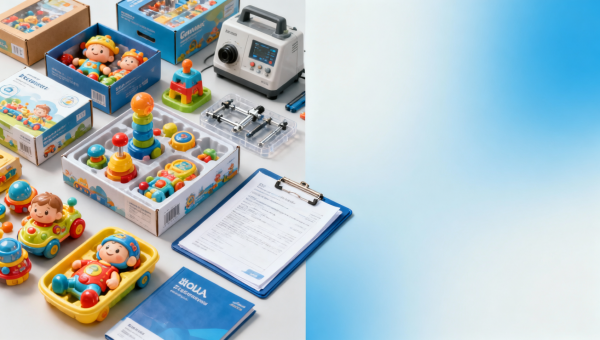
Launching a new toy line means balancing speed, safety, and market demand. For buyers, quality teams, and sourcing managers working with playpen manufacturers, stroller OEM partners, or CPC toys programs, understanding toy compliance is essential. This guide breaks down the basics of toy compliance so brands can reduce risk, meet certification requirements, and build products that win trust in global retail markets.
For most new products, the core question is simple: what must be checked before a toy can be sold legally and safely in target markets? The practical answer is that toy compliance is not one certificate or one lab test. It is a system covering product design, materials, age grading, chemical safety, mechanical hazards, labeling, documentation, and supplier control. Brands that treat compliance as an early product-development function usually launch faster and with lower recall risk than those that leave it until pre-shipment.
What toy compliance really means for a new product launch
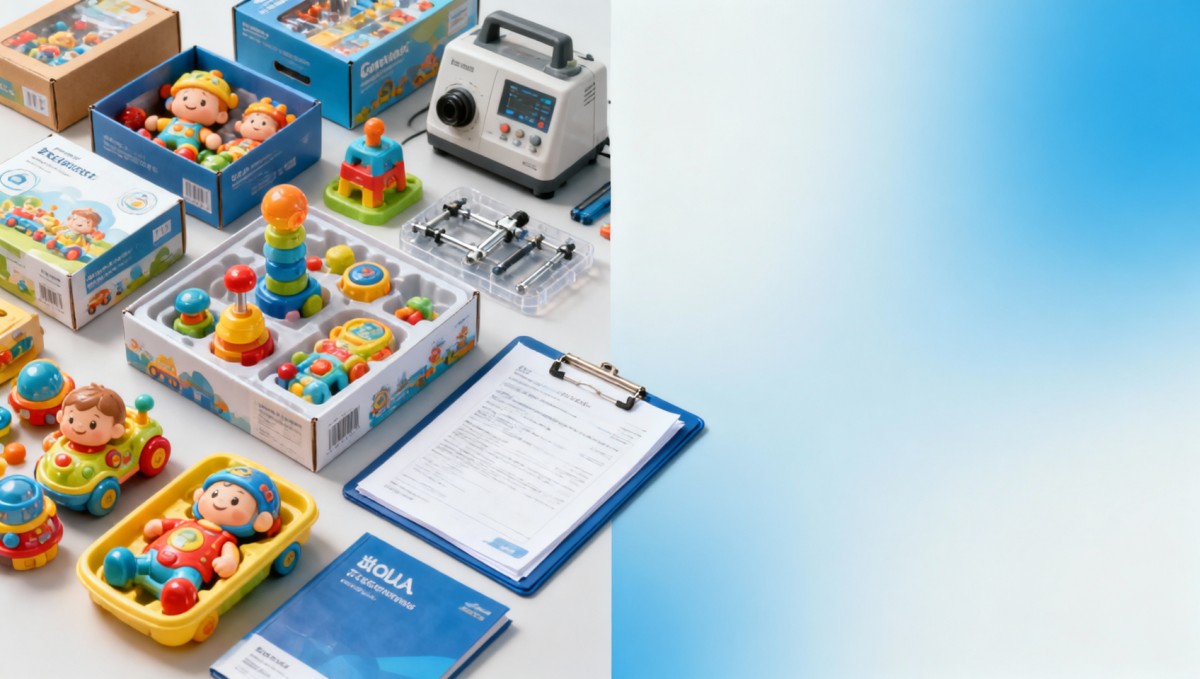
Toy compliance refers to the process of making sure a toy meets the legal, safety, and documentation requirements of the market where it will be sold. For importers, retailers, OEM/ODM suppliers, and sourcing teams, this usually means confirming that the product design, components, packaging, and claims all align with the relevant regulations.
For example, a new toy may need different compliance pathways depending on whether it is sold in the United States, the European Union, or the UK. A product that passes one lab standard may still fail due to missing warning labels, unapproved materials, or incomplete technical files.
That is why experienced buyers and quality managers do not ask only, “Did the factory test it?” They ask:
- Which market is this toy entering first?
- What age group is the product designed for?
- Are there small parts, cords, magnets, batteries, coatings, or plush fillings?
- Which regulations, standards, and documentation apply?
- Who is responsible for maintaining test reports and compliance files?
For new product teams, this mindset reduces costly redesigns and avoids shipment delays caused by failed testing close to launch.
Which regulations and certifications do buyers usually need to check first?
The first compliance step is identifying the target sales market and matching the toy to the correct requirements. In practice, the most common starting points include the following:
- United States: CPSIA requirements, ASTM F963, tracking labels, and often a CPC (Children’s Product Certificate) for applicable toys.
- European Union: Toy Safety Directive, EN 71 testing, CE marking requirements, and technical documentation.
- United Kingdom: UKCA marking rules where applicable, plus toy safety and documentation requirements.
- Other markets: Local language labeling, chemical restrictions, importer responsibilities, and country-specific registration or declarations.
Among sourcing and retail teams, CPC toys compliance is one of the most frequently misunderstood areas. A CPC is not a test report by itself. It is a certification document based on compliant testing and supporting records. If the underlying tests are incomplete, outdated, or mismatched to the final product, the CPC may not protect the brand during an audit, customs review, or platform inspection.
For companies sourcing related juvenile or play products from playpen manufacturers or stroller OEM partners, the same principle applies: product category determines the rules. Not every child-related item is regulated under toy standards, and using the wrong standard can create major compliance gaps.
What are the biggest compliance risks in new toy development?
The highest-risk problems usually happen before testing starts. They begin in product definition, material selection, and supplier communication. Common issues include:
- Wrong age grading: A toy designed for older children may be marketed visually to toddlers, triggering stricter requirements.
- Uncontrolled material changes: Suppliers substitute plastics, paints, fabrics, or fasteners after sample approval.
- Small parts hazards: Detachable components can create choking risks.
- Chemical non-compliance: Coatings, inks, soft plastics, adhesives, and textiles may fail heavy metals or restricted substance limits.
- Battery and magnet risks: Improperly secured battery compartments or accessible magnets can lead to severe safety failures.
- Packaging and labeling mistakes: Missing warnings, incorrect age labels, or absent importer information can block market entry.
- Testing the wrong sample: Lab-tested prototypes differ from actual mass-production goods.
From a business perspective, these are not only technical failures. They can lead to rework costs, customs holds, retailer rejection, marketplace takedowns, legal exposure, and damaged brand trust.
What should a practical toy compliance workflow look like?
For most brands and sourcing teams, the best approach is to build compliance into the development timeline instead of treating it as a final checkpoint. A practical workflow often looks like this:
- Define the product clearly. Confirm intended age, use scenario, materials, features, and target markets.
- Map applicable standards. Identify which regulations and test protocols apply before tooling or final material approval.
- Review design risks early. Check small parts, sharp points, cords, seams, fillings, battery access, and warning needs during development.
- Control bill of materials. Lock approved components and require supplier notification for any changes.
- Run pre-compliance assessments. Use early testing or engineering reviews before full certification testing.
- Test production-representative samples. Make sure lab samples reflect actual manufacturing output.
- Prepare documentation. Maintain reports, declarations, certificates, tracking records, and labeling files.
- Monitor ongoing production. Add inspection and retesting rules when products or suppliers change.
This process is especially important when working with multiple factories, private-label programs, or cross-border supply chains. Compliance ownership should be assigned clearly across product, QA, sourcing, and regulatory teams.
How should buyers evaluate factories and OEM/ODM partners on compliance capability?
When selecting a supplier, price and lead time are not enough. Buyers should evaluate whether the factory can support stable compliance over time. This is especially relevant for businesses working with toy vendors, playpen manufacturers, or a stroller OEM partner expanding into child-related product lines.
Useful questions to ask include:
- Do they have experience with the target market’s toy regulations?
- Can they provide recent, product-relevant test reports?
- How do they control raw material and component changes?
- Do they keep traceability records by lot or production run?
- Can they support labeling, warnings, and packaging compliance?
- Have they handled retailer, marketplace, or third-party audit requirements before?
- Who manages corrective actions if a failure occurs?
A capable supplier should not only react to test failures. They should help prevent them through design feedback, process control, and transparent documentation. For procurement and management teams, this reduces hidden costs far more effectively than negotiating the lowest unit price.
What documents should be ready before launch?
Although exact document requirements vary by market, new toy programs usually need a structured compliance file. This may include:
- Product specification and bill of materials
- Age grading rationale
- Applicable test reports
- Children’s Product Certificate or equivalent declarations where required
- Labeling and warning artwork approvals
- Tracking label information
- Factory audit or quality control records
- Technical file or declaration records for relevant markets
- Change control history for materials and components
For compliance, quality, and finance stakeholders, complete documentation supports more than legal readiness. It also improves internal approval speed, retailer onboarding, and response capability if a claim or inspection arises later.
How can brands reduce cost and delay without cutting corners?
The lowest-cost compliance strategy is early compliance planning. Most expensive failures happen when design, sourcing, and testing are disconnected. To reduce cost while maintaining safety:
- Involve compliance review before tooling is finalized
- Use suppliers with category-specific experience
- Approve materials at source, not only finished goods
- Consolidate product variants intelligently to reduce duplicate testing
- Plan realistic lab lead times into launch schedules
- Retest when meaningful changes occur instead of assuming old reports still apply
For enterprise buyers and project leaders, the right goal is not simply “passing the test.” It is building a repeatable launch model that combines speed, safety, documentation discipline, and supplier accountability.
Final takeaway for teams launching new toys
Toy compliance basics are ultimately about risk control, market access, and brand trust. For new products, the most important decision is to start compliance work early and align it with design, sourcing, and production from the beginning. Whether your team is managing private-label toy sourcing, reviewing CPC toys requirements, or coordinating with adjacent suppliers such as playpen manufacturers and stroller OEM partners, the key is to treat compliance as a commercial and operational priority, not just a lab task.
When brands understand which rules apply, verify supplier capability, control materials, and maintain complete documentation, they launch more confidently and scale with fewer disruptions. In global retail, that is what turns compliance from a cost center into a competitive advantage.
Related Intelligence
 Skincare OEMAug 16, 2026Amazon Enforces AI Human Metadata Rule for Beauty and Personal Care SellersAmazon now enforces AI human metadata rules for beauty sellers. Learn how to protect listings, traffic, and compliance in skincare, cosmetics, and beauty devices.
 Beauty DevicesAug 15, 2026China to Roll Out Nationwide Cross-Border Cash Pooling for MultinationalsChina to roll out nationwide cross-border cash pooling for multinationals from Sept. 14. Discover how this policy could improve treasury efficiency, liquidity management, and China-linked supply chains.
 Beauty DevicesAug 14, 2026China Imposes Temporary Export Ban on Helium, Affecting Cooling Supply ChainsChina's temporary helium export ban may disrupt cooling supply chains for beauty RF devices and laser systems. Learn what ODMs, buyers, and procurement teams should check now.
![]() Cosmetics & PkgAug 13, 2026PPWR becomes mandatory: Beauty and personal care packaging materials usher in new EPR and PFAS compliance requirementsPPWR takes effect for cosmetics packaging in the EU, bringing EPR registration and PFAS limits. Learn what brands, importers, and suppliers must do now.
Cosmetics & PkgAug 13, 2026PPWR becomes mandatory: Beauty and personal care packaging materials usher in new EPR and PFAS compliance requirementsPPWR takes effect for cosmetics packaging in the EU, bringing EPR registration and PFAS limits. Learn what brands, importers, and suppliers must do now. Cosmetics & PkgAug 12, 2026EU PPWR Now Enforced for Beauty Packaging ComplianceEU PPWR now enforced for beauty packaging compliance: learn how EPR, ERN, heavy metals and PFAS rules affect EU exports, customs clearance and platform sales.
 Cosmetics & PkgAug 11, 2026EU PPWR Rules Take Effect on Aug. 12 for Beauty PackagingEU PPWR rules for beauty packaging take effect on Aug. 12, 2026. Learn key compliance steps, EPR, labeling, PFAS limits, and how to avoid customs delays and fines.
 Smart Pet DevicesAug 10, 2026EU EPR Rules to Cover Smart Pet Devices on Aug. 15EU EPR Rules will cover smart pet devices from Aug. 15, 2026. Learn how smart collars, feeders, and monitoring devices can avoid delisting, customs delays, and compliance risks in the EU.
 Infant Feeding & CareAug 09, 2026CPSC Recalls Baby Sleep Sacks Over Undeclared TDCPPCPSC Recalls Baby Sleep Sacks Over Undeclared TDCPP: learn how this 2026 recall impacts CPC documents, third-party testing, and U.S. baby product compliance for exporters.
 Infant Feeding & CareAug 08, 2026ECHA Adds 5 SVHCs, Importer Notices Due From Oct 2026ECHA adds 5 SVHCs to the Candidate List, with importer notices due from October 2026. Learn how REACH affects exporters, supply chains, and documentation readiness.
 Baby Gear & StrollersAug 07, 2026CPSC Revises Crib Rail Standard for November 2026CPSC revises crib rail standard for November 2026, adding dynamic impact tests and mandatory third-party lab testing. Learn how the new rule affects U.S. market access, compliance, and shipments.
 Electronic & RC ToysAug 06, 2026EU to Require EN IEC 62115:2025 for Electronic ToysEU to Require EN IEC 62115:2025 for Electronic Toys from Oct 1, 2026. Learn scope, battery and AI safety updates, CE compliance risks, and how exporters can avoid customs delays.
 Baby Gear & StrollersAug 05, 2026US Stroller Stability Rule Takes Effect Aug. 15US Stroller Stability Rule Takes Effect Aug. 15: learn how new U.S. stroller compliance, ASTM F833-26a, and CPSC testing rules may affect imports, certification, and shipment readiness.
 Infant Feeding & CareAug 04, 2026ECHA Adds 5 SVHCs, Triggering Baby Care Export ReviewECHA adds 5 SVHCs, prompting an urgent baby care export review for EU-bound products. Learn the 0.1% threshold risks, compliance steps, and how to avoid customs delays and fines.












