Toy Safety Basics: Materials, Labels, and Testing Red Flags
Why does toy safety matter so much in travel retail and destination sourcing?
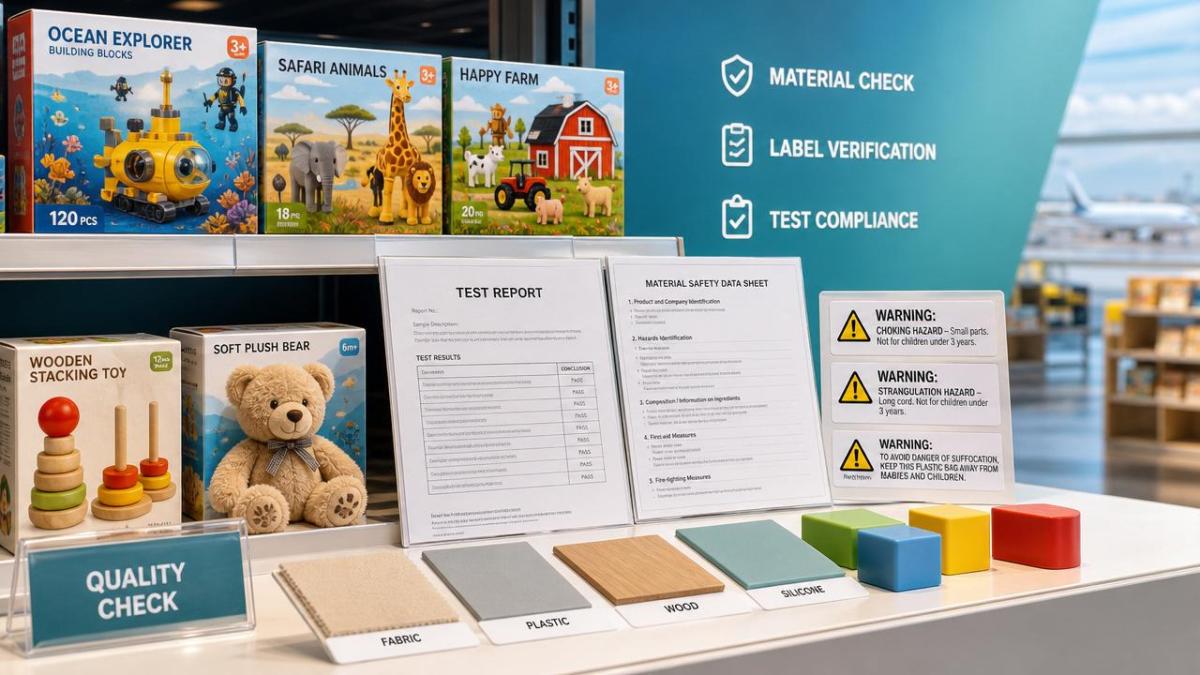
Toy safety becomes more complex when products move through airports, resorts, museums, cruise shops, and cross-border gift channels.
A toy may look harmless on display, yet the real risk often starts earlier, with material choices, age grading, labeling, and weak document control.
That matters in travel service environments because merchandise often reaches families quickly, in seasonal peaks, and across multiple regulatory regions.
In practical terms, one labeling mistake can delay customs clearance, trigger complaints, or create safety concerns at destinations that depend on visitor trust.
Toy safety is therefore not only a compliance issue. It also protects brand reputation, guest confidence, and the reliability of tourism-linked retail programs.
This is where informed sourcing becomes valuable. Platforms such as Global Consumer Sourcing track product, compliance, and supply chain signals that help teams spot risks earlier.
The bigger point is simple. Good toy safety decisions begin long before shelf placement, especially when products are tied to international travel demand.
When a toy says “safe,” what should you actually check first?
The first checkpoint is the material profile, not the packaging claim.
For toy safety, the safest-looking item can still contain risky coatings, brittle plastics, loose trims, magnetic parts, or filler materials with poor traceability.
A useful starting review usually includes four questions.
- What are the base materials, and are they declared consistently across specifications and lab reports?
- Do paints, inks, adhesives, and soft components match the intended age group?
- Can the supplier show batch-level traceability for critical inputs?
- Does the product design create breakage, choking, or sharp-edge exposure after normal use?
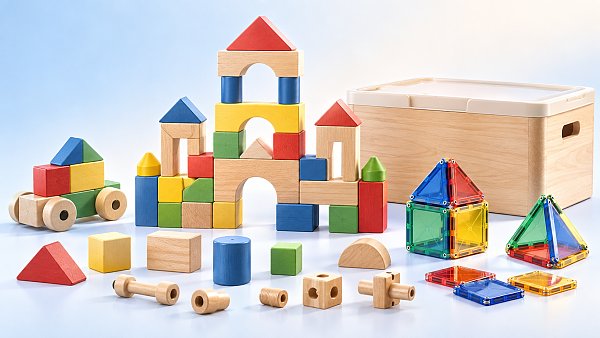
More common problems come from mixed materials. A wooden toy may pass visual inspection, while its varnish or accessory cord raises the real compliance issue.
Plush items deserve similar caution. Fiber fill, stitched eyes, decorative beads, and zipper pulls should all be reviewed as separate toy safety elements.
In travel gift retail, compact toys are popular. They also create frequent small-part risks, especially in impulse-buy formats.
Are labels really that important, or are they just a formality?
Labels are not a minor detail. In many cases, they are the fastest visible test of whether toy safety was taken seriously.
A correct label does more than display warnings. It connects age grading, use limitations, importer details, country rules, and tracking information.
Problems usually appear when packaging design changes late, translations are rushed, or the same SKU is used in several travel markets.
That is why warning language should be checked against the final product version, not only the early sample.
The table below helps separate labels that merely look complete from labels that support real toy safety control.
If a label feels vague, toy safety review should go deeper. Label weakness often signals broader document weakness behind the product.
Which testing records deserve attention, and which red flags should stop a shipment?
Not every report carries the same value. Real toy safety review depends on whether the test reflects the actual item being shipped.
A clean report can still mislead if it was issued for a different colorway, older bill of materials, or pre-production sample.
The most useful records usually include material chemistry results, mechanical and physical testing, flammability checks where relevant, and supporting certificates such as CPC or CE documentation.
Need closer scrutiny? These signs usually deserve immediate follow-up.
- The product photo in the report does not match the final goods.
- The report date is old, yet materials or packaging changed later.
- Only one component was tested, while the finished set includes added accessories.
- The lab scope is unclear, incomplete, or inconsistent with destination regulations.
- Retest results are missing after a failed or conditional finding.
In travel retail, compressed launch calendars can tempt teams to accept partial records. That is usually where avoidable toy safety failures begin.
A better approach is to match every final SKU to current lab evidence, final artwork, and production batch references before release.
How do cross-border travel channels make toy safety harder to manage?
The challenge is not only regulation. It is the pace and diversity of the route to market.
One toy can appear in an airport shop, hotel boutique, theme destination, or cruise retail program within the same season.
Each setting changes the operational pressure around toy safety. Packaging space may be limited, replenishment may be rushed, and market-specific labeling may be overlooked.
There is also a tourism trust factor. Visitors often buy toys as quick gifts, which means they rely heavily on visible warnings and packaging cues.
That is one reason sourcing intelligence matters. GCS focuses on gifts and toys within wider retail supply chains, making it easier to compare compliance readiness with commercial speed.
Instead of treating toy safety as a final checkpoint, stronger programs build it into supplier screening, sample approval, and destination planning.
What is a practical way to judge toy safety before placing or repeating an order?
A workable review method does not need to be complicated, but it must be consistent.
Start with the physical product. Then verify whether documents, packaging, and supplier claims tell the same story.
In real sourcing cycles, the strongest toy safety decisions often come from a short decision framework.
- Review material declarations against final components, including inks, trims, and hidden parts.
- Check age grading logic against actual use, not only the sales concept.
- Confirm test reports reflect the final SKU, destination market, and current production stage.
- Validate every label element, especially warnings, trace codes, and importer details.
- Pause the order if any mismatch appears between product, report, and packaging.
This process is especially helpful for seasonal travel merchandise, where replacement time is short and errors are expensive.
Reliable toy safety is rarely the result of one document. It comes from alignment across design, testing, labels, and supply chain traceability.
What should happen next if the goal is fewer surprises and better toy safety control?
The next step is to turn scattered checks into a repeatable screening standard.
For toy safety, that usually means building one review path for materials, one for labels, and one for testing evidence before shipment approval.
It also helps to compare destination requirements early, especially for travel-linked retail programs serving multiple regions.
Where product lines move quickly, curated market intelligence can reduce blind spots. GCS is useful in that context because it connects sourcing, compliance, and consumer goods trend analysis.
The essential takeaway is clear. Toy safety begins with better questions, not last-minute paperwork.
Review the materials, challenge the labels, test the records, and verify the market fit. That is usually where stronger decisions begin.
Related Intelligence
 Cosmetics & PkgOct 20, 2026Beauty Tops Amazon’s 2026 Prime Big Deal Days Shopping CategoriesBeauty tops Amazon’s 2026 Prime Big Deal Days at 32% of shoppers, according to Market Defense. Explore what the findings could mean for product selection, inventory and promotional planning.
 Baby Gear & StrollersOct 14, 2026Are Baby Carrier Buckle Failures a Common Reason for Returns?Are baby carrier buckle failures a common return issue? Explore defects, usability complaints, and safety checks to make informed sourcing decisions before your next order.
 Baby Gear & StrollersOct 14, 2026How Do You Compare Baby Carrier Suppliers on Safety and Cost?How do I compare baby carrier suppliers on safety and cost? Learn to verify safety evidence, assess factory controls, and compare total landed costs to make a confident sourcing decision.
 STEM & Educational ToysSep 20, 2026How Do I Verify Age Grading for Educational Toys?How do I verify educational toy age grading? Learn how to assess safety risks, test reports, packaging, and market compliance before buying or selling.
 Corporate & Seasonal GiftsSep 20, 2026Are Promotional Items Worth Ordering for Short Campaigns?Are promotional items worth ordering for short campaigns? Learn how pet brands can choose useful, compliant giveaways that drive measurable engagement, sales, and loyalty.
 STEM & Educational ToysSep 20, 2026What Safety Checks Should Wooden Toy Suppliers Pass?What safety checks should wooden toy suppliers pass? Explore essential compliance, material traceability, chemical testing, and quality controls to source safer toys with confidence.
 Infant Feeding & CareSep 20, 2026Which Teething Toy Materials Are Easiest to Clean?Which teething toy materials are easiest to clean? Discover why silicone and natural rubber lead for hygienic, easy-care pet chew toys.
 Infant Feeding & CareSep 20, 2026How Can Retailers Prevent Mold Complaints About Bath Toys?How can retailers prevent mold complaints about bath toys? Explore drainable designs, supplier controls, testing, and care guidance to reduce moisture risks.
 Camping & WaterSep 20, 2026Which Folding Chair Fabrics Last Longest Outdoors?Which folding chair fabrics last longest outdoors? Compare acrylic, PVC-coated polyester, UV-stabilized polyester, and mesh for durable, pet-friendly outdoor seating.
 Camping & WaterSep 20, 2026Are Folding Camping Chairs Tested for Weight Capacity?Are folding camping chairs tested for weight capacity? Learn what credible load testing, safety margins, and supplier documentation mean for confident outdoor product sourcing.
 Corporate & Seasonal GiftsSep 20, 2026How Can Corporate Gift Buyers Avoid Missing Event Deadlines?How do corporate gift buyers avoid missed event deadlines? Discover proven sourcing, customization, compliance, and shipping strategies for pet-themed corporate gifts.
 Corporate & Seasonal GiftsSep 20, 2026What Should Be Approved Before Placing a Custom Gift Order?What should be approved before placing a custom gift order? Explore the essential checks for safe, compliant, retail-ready custom pet gifts.
 Corporate & Seasonal GiftsSep 20, 2026Which Custom Gift Materials Have the Lowest Defect Rates?Which custom gift materials have the lowest defect rate? Explore why silicone, stainless steel, polypropylene, and polyester help pet gift brands reduce rejects and improve quality.