
Why CPC Toys Get Rejected at Customs
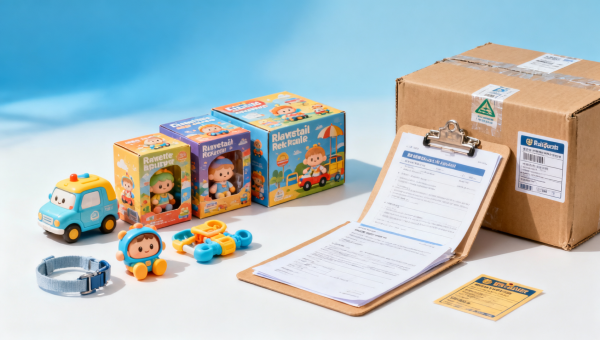
CPC toys often get rejected at customs for reasons that go far beyond missing paperwork. For buyers, toy compliance teams, and sourcing professionals working with playpen manufacturers or a stroller OEM, understanding testing gaps, labeling errors, and documentation risks is essential. This guide explains why shipments fail clearance and how to reduce delays, costs, and compliance exposure.
Why customs rejections happen more often in cross-border toy and travel retail supply chains
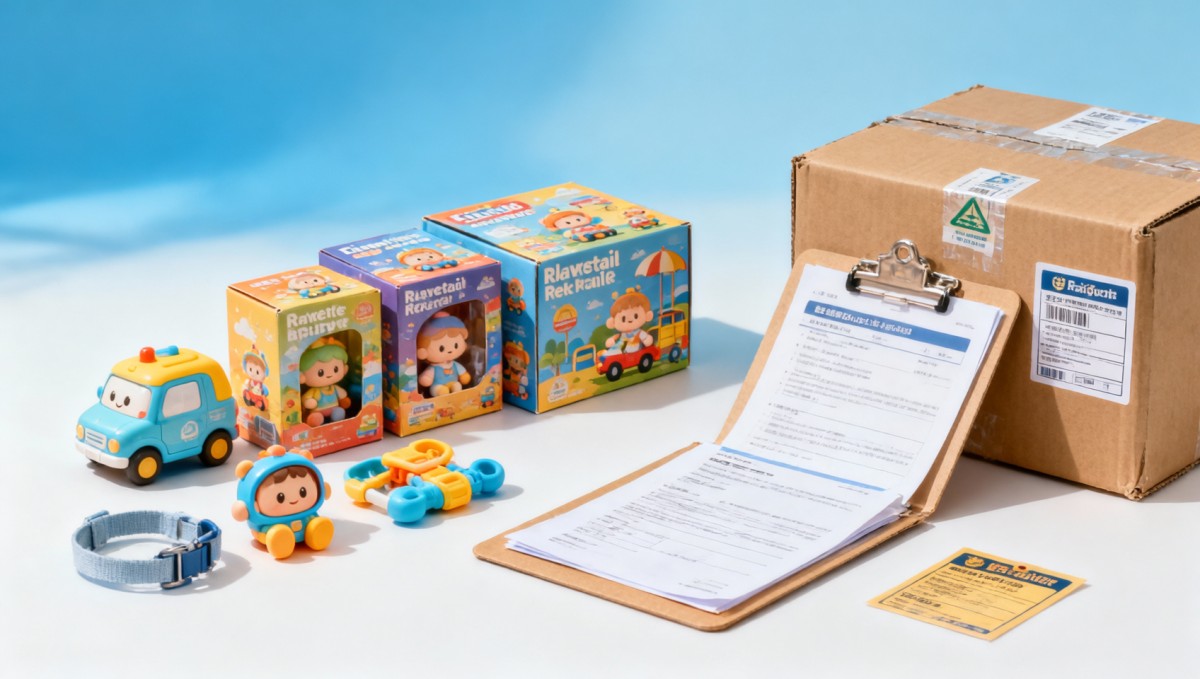
In travel service retail channels, toys are not just consumer goods. They are often part of airport retail programs, family travel bundles, resort gift shops, cruise merchandising, and destination-based baby travel support offers. That makes customs rejection a commercial issue, not only a compliance issue. A delayed shipment can disrupt seasonal launches, onboard retail calendars, and multi-country replenishment plans within 2–6 weeks.
Many importers assume a CPC is a single document that guarantees entry. In practice, customs and marketplace reviews look at the entire compliance chain: age grading, test reports, tracking labels, manufacturer identity, product descriptions, and consistency between the goods and the file set. If one element is missing or contradictory, customs may detain, examine, or reject the shipment.
For distributors, sourcing managers, and finance approvers, the cost impact is rarely limited to freight storage. Rejection may trigger retesting, relabeling, document reissuance, missed sales windows, or destruction costs. In travel-linked retail, where promotions often follow fixed departure dates, a delay of even 7–10 days can erase the value of an entire campaign.
Global Consumer Sourcing (GCS) helps buyers and supply chain teams interpret these risks before shipment. Instead of treating CPC toys as a paper exercise, GCS frames customs readiness as a sourcing decision that starts at product development, continues through testing, and ends with document verification before cargo booking.
What customs officers and import review teams typically compare
- Whether the Children’s Product Certificate matches the exact toy SKU, material set, and intended age grade shown on packaging and commercial documents.
- Whether supporting laboratory reports are current, relevant to the shipped item, and aligned with the applicable U.S. toy safety requirements.
- Whether importer, manufacturer, and production date information can be traced clearly within 1 review cycle, without conflicting supplier records.
- Whether warnings, tracking labels, and small-parts or strangulation statements are present where required for the product category.
This is why travel retailers and procurement teams should not evaluate CPC toys only by unit price. A lower ex-factory quote can become expensive if the file pack is weak, if testing covers only one colorway, or if carton labeling does not align with the retail packaging used in different destinations.
Which CPC toy issues most commonly trigger detention, exam, or rejection
The most common problem is mismatch. A CPC may list one product name, while the invoice, packaging, and test report use different descriptions. Customs teams do not need to prove fraud to stop a shipment; visible inconsistency is often enough to escalate review. This is especially common in private-label toy programs for travel retail, where artwork changes are made late in the launch cycle.
Another frequent issue is incomplete test coverage. Importers may hold a test report for a similar toy, a previous season version, or only one component. That does not always satisfy customs when the shipped product includes new materials, sound modules, coatings, or attachments. In practical terms, a toy sold with a travel stroller accessory or resort child welcome kit may still require its own complete support file.
Labeling failures are also serious. Missing tracking labels, incorrect importer contact details, absent warning statements, or age grading that conflicts with the design can all lead to detention. For operators and quality managers, this is one of the most preventable failure points because it can be checked in 5–8 review items before final packing.
A fourth issue is weak supplier traceability. If the importer cannot connect the factory, production run, and test report quickly, customs may question the validity of the CPC package. For OEM/ODM sourcing, this often happens when production is shifted between facilities without updating the supporting documentation.
High-risk failure categories before customs clearance
The table below summarizes the most frequent CPC toy rejection triggers seen by sourcing, compliance, and retail distribution teams managing time-sensitive import programs.
For procurement teams, the lesson is simple: customs rejection is usually triggered by a chain of small inconsistencies rather than one dramatic mistake. That means pre-shipment review, not post-arrival correction, is where the real savings happen.
Why travel-service buyers face a different exposure profile
Travel service programs often rely on bundled items, seasonal windows, and destination-specific packaging. A toy intended for airport family zones may be identical in function to one sold in domestic retail, but the packaging language, distributor entity, or bundled accessory may differ. Each variation can affect the compliance file.
This creates a practical challenge for project managers and distributors: one factory run may feed 3 channels at once, such as online retail, hospitality resale, and travel promotions. If the CPC and test support are not mapped by channel and SKU version, customs review becomes harder and internal accountability becomes blurred.
How to evaluate a CPC toy shipment before booking cargo
A reliable pre-shipment evaluation should happen in 3 stages: document review, packaging review, and sample-to-file verification. Many businesses complete only stage one. That is not enough. The product in hand, the retail box, and the paperwork must all tell the same story. If they do not, customs may assume the certificate package does not truly represent the goods.
For technical evaluators and quality teams, the review should also include material or component changes. A new paint, fabric, zipper pull, plastic resin, or battery compartment can change the compliance risk profile. This matters in travel retail where toy assortments are often refreshed every quarter or adapted for promotional partners.
Buyers should ask suppliers for a document packet at least 7–14 days before cargo handover, not after the goods reach the port. That timeline allows room to confirm whether the CPC references the correct manufacturer, testing lab details, product identification, and place and date of manufacture without compressing shipping schedules.
GCS supports this step by translating compliance language into sourcing decisions. Instead of leaving review to isolated teams, GCS helps procurement, compliance, and merchandising stakeholders work from the same checklist, which is especially useful for companies importing toys alongside baby travel products or private-label resort merchandise.
A practical pre-booking checklist for buyers and import teams
- Confirm the CPC names the exact item, not a generic family description. Product identity should match the SKU, colorway, and packaging version.
- Review supporting test reports for scope. Check whether they cover the final production configuration rather than a prototype or earlier revision.
- Verify labeling details on artwork files and physical packaging, including warnings, importer information, and tracking data.
- Map the shipment to the actual production facility and production date so traceability can be answered within 24–48 hours if customs asks.
- Check channel-specific differences. A toy packed for airport duty-paid retail may not use the same distributor identity as a domestic e-commerce version.
This review process is not administrative overhead. It is a sourcing control tool. In many cases, one structured review meeting of 30–45 minutes can prevent storage fees, delivery misses, and internal disputes over who approved what.
Supplier screening factors that matter more than price
The next table helps procurement teams compare suppliers not only by offer level but by customs readiness. This is especially relevant when selecting factories for travel service retail programs that cannot absorb uncertain clearance timelines.
This comparison shows why two suppliers with similar FOB prices may create very different landed risk. A slightly higher unit cost may be justified if it reduces the probability of detention, relabeling, or seasonal write-off.
How customs delays affect cost, scheduling, and channel performance
When CPC toys are stopped at customs, the visible cost is only the first layer. Demurrage, storage, and exam-related handling are immediate. Then come secondary costs: rebooking transport, repacking, relabeling, retesting, and missed launch windows. For travel service retailers, these secondary losses can exceed the original product margin because sales opportunities are linked to departure cycles, holiday traffic, and event-based promotions.
Finance teams should also look at cash-flow impact. Goods under hold can delay invoice recognition, inventory availability, and distributor settlement schedules. If the shipment supports 4–8 retail points across airports, resorts, or cruise channels, one detained container can create a wider revenue gap than a standard domestic retail delay.
Project managers and engineering leads face a parallel issue: customs rejection compresses all downstream tasks into a shorter recovery period. Store setup, POS planning, staff training, and replenishment calculations then happen under pressure. This often causes a second wave of mistakes, including wrong relabeling or rushed substitutions.
That is why a compliance-based sourcing approach is more efficient than a reactive logistics approach. GCS helps teams evaluate whether the commercial offer is realistically supportable within the target delivery window, whether 3 weeks or 10 weeks, before order placement is locked in.
Cost exposure areas buyers should model early
- Direct border costs, including storage, inspection handling, and document correction support from brokers or freight partners.
- Operational recovery costs, such as relabeling, retesting, replacement purchase orders, and split shipments to protect high-priority outlets.
- Commercial opportunity loss, especially where toy sales align with school breaks, family travel peaks, or destination promotion windows.
- Internal coordination cost from repeated review cycles involving procurement, quality, legal, finance, and channel managers.
A useful rule for approval teams is to compare the savings from a low-price offer against the probable cost of one serious customs interruption. In many B2B retail programs, avoiding a single failed import cycle justifies stronger file review and supplier screening.
FAQ: what buyers, operators, and compliance teams ask most about CPC toy rejection
Does having a CPC guarantee customs clearance?
No. A CPC is important, but customs clearance depends on the consistency and credibility of the entire compliance set. If the certificate, test reports, labels, invoice, and physical goods do not align, the shipment can still be detained. For practical risk control, teams should review the file set together at least 1–2 weeks before dispatch.
Can a test report from a similar toy be used for the current shipment?
That is risky. Similarity in appearance does not always mean equivalent compliance coverage. Changes in materials, coatings, dimensions, accessories, or packaging claims may affect the applicable review. Buyers should ask whether the report reflects the final production version, not simply a related item in the same product family.
What should procurement check first when sourcing private-label toys for travel retail?
Start with 3 areas: document control, labeling accuracy, and change management. Private-label programs often move fast, and late artwork or packaging edits can break consistency between the toy, the CPC, and the test file. If your launch window is fixed, confirm the final compliance packet before production completion, not after the goods are packed.
How long do corrective actions usually take if customs finds a problem?
The answer depends on the issue. Minor document clarification may be resolved in a few days. Relabeling, retesting, or replacing non-compliant stock can take several weeks. For travel service channels tied to holiday traffic or destination events, even a short delay can remove the commercial value of the shipment.
Who inside the company should own CPC toy risk control?
No single team can manage it alone. Procurement should own supplier readiness, quality teams should verify test and label consistency, logistics should confirm document availability before booking, and finance should understand the cost impact of delays. A cross-functional review model is usually more effective than passing the issue to customs brokers at the last minute.
Why work with GCS when evaluating toy compliance risk in global sourcing programs
For buyers, distributors, and decision-makers operating across consumer goods and travel-linked retail channels, the challenge is rarely a lack of data. The real problem is fragmented data. Test reports sit with quality teams, packaging files sit with marketing, shipment timing sits with logistics, and supplier promises sit with procurement. GCS helps connect those decision points into one practical sourcing view.
This is particularly valuable when your product mix crosses categories such as Gifts & Toys, Baby & Maternity, and related travel-use items. A toy packed with stroller accessories, child comfort kits, or family hospitality bundles creates more compliance touchpoints than a standalone domestic retail item. GCS helps teams identify where those touchpoints can cause customs friction.
If you are planning a new sourcing cycle, reviewing an existing supplier, or trying to reduce border risk before a seasonal launch, the most useful next step is a structured compliance-commercial review. That can include parameter confirmation, supplier comparison, document gap checks, expected lead-time assessment, packaging consistency review, sample support planning, and quotation discussion tied to the actual risk level.
Contact GCS to discuss CPC toy documentation logic, supplier screening criteria, delivery window planning, private-label packaging changes, and pre-shipment review priorities. For procurement teams under budget pressure and launch deadlines, this kind of early guidance is often the fastest way to reduce customs rejection risk without slowing commercial momentum.
Related Intelligence
 Skincare OEMAug 16, 2026Amazon Enforces AI Human Metadata Rule for Beauty and Personal Care SellersAmazon now enforces AI human metadata rules for beauty sellers. Learn how to protect listings, traffic, and compliance in skincare, cosmetics, and beauty devices.
 Beauty DevicesAug 15, 2026China to Roll Out Nationwide Cross-Border Cash Pooling for MultinationalsChina to roll out nationwide cross-border cash pooling for multinationals from Sept. 14. Discover how this policy could improve treasury efficiency, liquidity management, and China-linked supply chains.
 Beauty DevicesAug 14, 2026China Imposes Temporary Export Ban on Helium, Affecting Cooling Supply ChainsChina's temporary helium export ban may disrupt cooling supply chains for beauty RF devices and laser systems. Learn what ODMs, buyers, and procurement teams should check now.
![]() Cosmetics & PkgAug 13, 2026PPWR becomes mandatory: Beauty and personal care packaging materials usher in new EPR and PFAS compliance requirementsPPWR takes effect for cosmetics packaging in the EU, bringing EPR registration and PFAS limits. Learn what brands, importers, and suppliers must do now.
Cosmetics & PkgAug 13, 2026PPWR becomes mandatory: Beauty and personal care packaging materials usher in new EPR and PFAS compliance requirementsPPWR takes effect for cosmetics packaging in the EU, bringing EPR registration and PFAS limits. Learn what brands, importers, and suppliers must do now. Cosmetics & PkgAug 12, 2026EU PPWR Now Enforced for Beauty Packaging ComplianceEU PPWR now enforced for beauty packaging compliance: learn how EPR, ERN, heavy metals and PFAS rules affect EU exports, customs clearance and platform sales.
 Cosmetics & PkgAug 11, 2026EU PPWR Rules Take Effect on Aug. 12 for Beauty PackagingEU PPWR rules for beauty packaging take effect on Aug. 12, 2026. Learn key compliance steps, EPR, labeling, PFAS limits, and how to avoid customs delays and fines.
 Smart Pet DevicesAug 10, 2026EU EPR Rules to Cover Smart Pet Devices on Aug. 15EU EPR Rules will cover smart pet devices from Aug. 15, 2026. Learn how smart collars, feeders, and monitoring devices can avoid delisting, customs delays, and compliance risks in the EU.
 Infant Feeding & CareAug 09, 2026CPSC Recalls Baby Sleep Sacks Over Undeclared TDCPPCPSC Recalls Baby Sleep Sacks Over Undeclared TDCPP: learn how this 2026 recall impacts CPC documents, third-party testing, and U.S. baby product compliance for exporters.
 Infant Feeding & CareAug 08, 2026ECHA Adds 5 SVHCs, Importer Notices Due From Oct 2026ECHA adds 5 SVHCs to the Candidate List, with importer notices due from October 2026. Learn how REACH affects exporters, supply chains, and documentation readiness.
 Baby Gear & StrollersAug 07, 2026CPSC Revises Crib Rail Standard for November 2026CPSC revises crib rail standard for November 2026, adding dynamic impact tests and mandatory third-party lab testing. Learn how the new rule affects U.S. market access, compliance, and shipments.
 Electronic & RC ToysAug 06, 2026EU to Require EN IEC 62115:2025 for Electronic ToysEU to Require EN IEC 62115:2025 for Electronic Toys from Oct 1, 2026. Learn scope, battery and AI safety updates, CE compliance risks, and how exporters can avoid customs delays.
 Baby Gear & StrollersAug 05, 2026US Stroller Stability Rule Takes Effect Aug. 15US Stroller Stability Rule Takes Effect Aug. 15: learn how new U.S. stroller compliance, ASTM F833-26a, and CPSC testing rules may affect imports, certification, and shipment readiness.
 Infant Feeding & CareAug 04, 2026ECHA Adds 5 SVHCs, Triggering Baby Care Export ReviewECHA adds 5 SVHCs, prompting an urgent baby care export review for EU-bound products. Learn the 0.1% threshold risks, compliance steps, and how to avoid customs delays and fines.












