
How to Compare Car Seat Suppliers on Safety, MOQ, and Lead Time
How to Compare Car Seat Suppliers on Safety, MOQ, and Lead Time
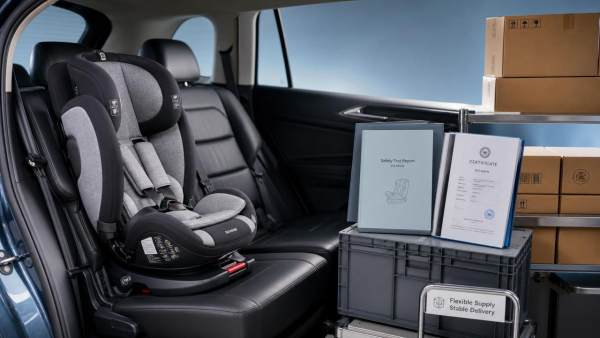
Choosing among car seat suppliers is not only about unit cost. It affects passenger safety, brand trust, booking reliability, and service continuity across travel operations.
For travel service businesses, vehicle child safety equipment supports airport transfers, family tours, hotel shuttles, and chauffeur services. A weak supplier can create delays, compliance issues, and avoidable operational risk.
This guide explains how to compare car seat suppliers using a practical framework. The focus is safety validation, MOQ flexibility, and lead time consistency.
Why a structured comparison matters
Travel services often need dependable car seats across multiple destinations, vehicle types, and seasonal demand peaks. A simple price-first review misses service-critical details.
Car seat suppliers should be evaluated as long-term operating partners. Their safety systems, production capacity, and response speed directly affect customer experience and legal exposure.
A checklist approach reduces sourcing errors. It also makes supplier comparisons easier when several quotes look similar on the surface.
Core points to review before selecting car seat suppliers
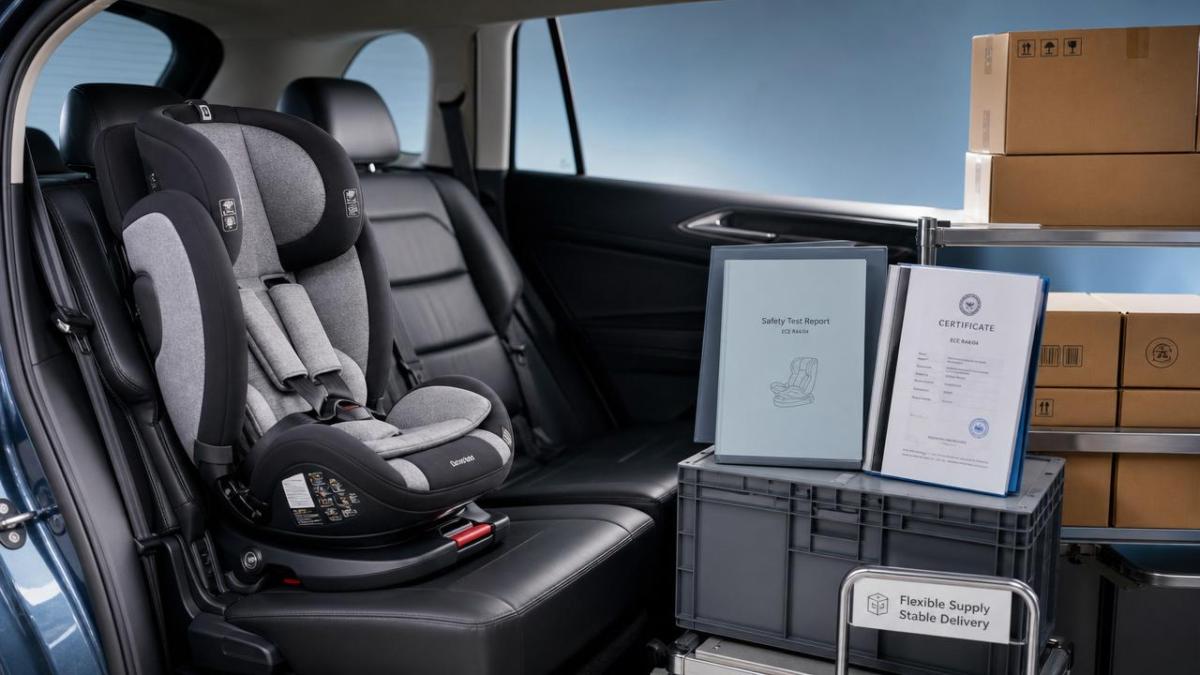
- Confirm whether the supplier can provide current test reports for applicable standards, including ECE R44/04, R129, FMVSS 213, or other destination-specific child restraint requirements.
- Check if product labels, warning text, manuals, and packaging match the markets where your travel service operates and where the car seats will be used.
- Review factory quality controls, including incoming material inspections, assembly checks, harness testing, and final carton audits before shipment release.
- Ask car seat suppliers for batch traceability procedures, defect handling records, and recall response plans to measure operational maturity and accountability.
- Compare MOQ terms by SKU, color, logo, and packaging format, especially if different routes or vehicle classes require different child seat specifications.
- Evaluate whether the supplier offers mixed-model orders, trial quantities, or phased production volumes that suit route testing and seasonal tourism demand.
- Break lead time into sampling, approval, production, inspection, and shipping stages, because total delivery reliability depends on each stage performing consistently.
- Check historical on-time shipment performance, not just stated lead time, and ask for recent examples during peak periods or urgent replenishment situations.
- Review packaging strength and loading efficiency, since damage during transit can reduce usable inventory before car seats reach vehicles or depots.
- Assess communication speed, document accuracy, and after-sales support, because sourcing delays often come from poor coordination rather than factory production limits.
1. Safety comes first
When comparing car seat suppliers, safety evidence should come before commercial discussion. Certificates alone are not enough without matching test reports and product details.
Verify model number, age range, installation type, and approved vehicle fit. Small product changes can affect compliance status and insurance exposure.
2. MOQ should match service reality
High MOQ can tie up cash and warehouse space. For tourism businesses, demand may vary by season, route, and family traveler mix.
The best car seat suppliers offer flexible opening orders. This helps validate product performance before wider deployment across fleets or destination partners.
3. Lead time affects customer service
Lead time matters when replacing damaged seats, opening new routes, or preparing for holiday travel peaks. Delays can reduce available family-friendly transport options.
Reliable car seat suppliers share realistic schedules, production updates, and contingency plans. This is more valuable than an aggressive promise that later slips.
How to score car seat suppliers side by side
A weighted scorecard helps separate strong suppliers from attractive quotes. Use the same criteria for every candidate to keep decisions objective.
This structure works well when reviewing car seat suppliers for multi-city travel programs, hotel transport networks, or private transfer operators.
Extra considerations for different travel service situations
Airport transfer services
Airport transfers need fast seat turnover and easy installation. Prioritize car seat suppliers with intuitive designs, durable covers, and compact storage dimensions.
Ask about replacement part support. Frequent use can wear straps, buckles, or padding faster than standard retail household use.
Family tour operators
Tour programs often require different seat stages for infants, toddlers, and young children. Car seat suppliers with broader product ranges reduce sourcing complexity.
MOQ flexibility is especially useful here. Mixed orders help balance route-specific needs without creating excess stock in slower seasons.
Hotel and resort shuttle fleets
Hotel transport often values a clean, premium look. Review fabric durability, cleaning instructions, and packaging suitable for central storage and redistribution.
Lead time matters before holiday periods. Delayed replenishment can weaken guest satisfaction during the most visible service windows.
Frequently overlooked risks when reviewing car seat suppliers
One common mistake is accepting outdated test documents. Always confirm the report belongs to the exact model being purchased, not a similar earlier version.
Another risk is ignoring packaging and logistics planning. Good car seat suppliers should explain carton dimensions, pallet plans, and damage prevention methods.
Some buyers overlook local instruction requirements. Missing warnings or incorrect language can create compliance issues even when the seat itself is tested correctly.
MOQ can also hide cost exposure. A low unit price may become expensive if minimum volume forces slow-moving inventory into storage for too long.
Lead time promises should be checked against real capacity. A supplier handling too many urgent projects may struggle during tourism high season.
Practical steps to execute your comparison
- Create one request sheet covering certifications, MOQ terms, production stages, packaging, warranty support, and destination market requirements.
- Request documents first, then samples, then final pricing, so weak car seat suppliers are filtered out before time is spent on negotiation.
- Score each supplier using the same matrix and record evidence links, comments, and risk notes beside every criterion.
- Run a trial order before a larger rollout, especially when supporting seasonal travel services with uncertain volume patterns.
- Build at least one backup source if routes are critical, because even strong car seat suppliers can face logistics or raw material disruptions.
Common questions about car seat suppliers
How many car seat suppliers should be compared?
Three to five is usually enough. This range gives market context without slowing the decision process too much.
Is the lowest MOQ always best?
Not always. The best MOQ balances flexibility, price, and replenishment speed while matching actual usage in your travel service network.
What is more important, lead time or price?
For family transport services, reliable lead time often protects revenue and customer satisfaction better than a small unit price advantage.
Final takeaways and next steps
Comparing car seat suppliers requires more than quote collection. Safety proof, MOQ fit, and lead time discipline should drive the decision.
For travel service applications, the best supplier supports safe passenger transport and stable service delivery across changing demand cycles.
Start with a clear scorecard, request evidence early, and test performance through a controlled opening order. That approach leads to stronger sourcing outcomes.
Related Intelligence
 Skincare OEMAug 16, 2026Amazon Enforces AI Human Metadata Rule for Beauty and Personal Care SellersAmazon now enforces AI human metadata rules for beauty sellers. Learn how to protect listings, traffic, and compliance in skincare, cosmetics, and beauty devices.
 Beauty DevicesAug 15, 2026China to Roll Out Nationwide Cross-Border Cash Pooling for MultinationalsChina to roll out nationwide cross-border cash pooling for multinationals from Sept. 14. Discover how this policy could improve treasury efficiency, liquidity management, and China-linked supply chains.
 Beauty DevicesAug 14, 2026China Imposes Temporary Export Ban on Helium, Affecting Cooling Supply ChainsChina's temporary helium export ban may disrupt cooling supply chains for beauty RF devices and laser systems. Learn what ODMs, buyers, and procurement teams should check now.
![]() Cosmetics & PkgAug 13, 2026PPWR becomes mandatory: Beauty and personal care packaging materials usher in new EPR and PFAS compliance requirementsPPWR takes effect for cosmetics packaging in the EU, bringing EPR registration and PFAS limits. Learn what brands, importers, and suppliers must do now.
Cosmetics & PkgAug 13, 2026PPWR becomes mandatory: Beauty and personal care packaging materials usher in new EPR and PFAS compliance requirementsPPWR takes effect for cosmetics packaging in the EU, bringing EPR registration and PFAS limits. Learn what brands, importers, and suppliers must do now. Cosmetics & PkgAug 12, 2026EU PPWR Now Enforced for Beauty Packaging ComplianceEU PPWR now enforced for beauty packaging compliance: learn how EPR, ERN, heavy metals and PFAS rules affect EU exports, customs clearance and platform sales.
 Cosmetics & PkgAug 11, 2026EU PPWR Rules Take Effect on Aug. 12 for Beauty PackagingEU PPWR rules for beauty packaging take effect on Aug. 12, 2026. Learn key compliance steps, EPR, labeling, PFAS limits, and how to avoid customs delays and fines.
 Smart Pet DevicesAug 10, 2026EU EPR Rules to Cover Smart Pet Devices on Aug. 15EU EPR Rules will cover smart pet devices from Aug. 15, 2026. Learn how smart collars, feeders, and monitoring devices can avoid delisting, customs delays, and compliance risks in the EU.
 Infant Feeding & CareAug 09, 2026CPSC Recalls Baby Sleep Sacks Over Undeclared TDCPPCPSC Recalls Baby Sleep Sacks Over Undeclared TDCPP: learn how this 2026 recall impacts CPC documents, third-party testing, and U.S. baby product compliance for exporters.
 Infant Feeding & CareAug 08, 2026ECHA Adds 5 SVHCs, Importer Notices Due From Oct 2026ECHA adds 5 SVHCs to the Candidate List, with importer notices due from October 2026. Learn how REACH affects exporters, supply chains, and documentation readiness.
 Baby Gear & StrollersAug 07, 2026CPSC Revises Crib Rail Standard for November 2026CPSC revises crib rail standard for November 2026, adding dynamic impact tests and mandatory third-party lab testing. Learn how the new rule affects U.S. market access, compliance, and shipments.
 Electronic & RC ToysAug 06, 2026EU to Require EN IEC 62115:2025 for Electronic ToysEU to Require EN IEC 62115:2025 for Electronic Toys from Oct 1, 2026. Learn scope, battery and AI safety updates, CE compliance risks, and how exporters can avoid customs delays.
 Baby Gear & StrollersAug 05, 2026US Stroller Stability Rule Takes Effect Aug. 15US Stroller Stability Rule Takes Effect Aug. 15: learn how new U.S. stroller compliance, ASTM F833-26a, and CPSC testing rules may affect imports, certification, and shipment readiness.
 Infant Feeding & CareAug 04, 2026ECHA Adds 5 SVHCs, Triggering Baby Care Export ReviewECHA adds 5 SVHCs, prompting an urgent baby care export review for EU-bound products. Learn the 0.1% threshold risks, compliance steps, and how to avoid customs delays and fines.












