
Hyper-Focused Features That Sell Baby Strollers
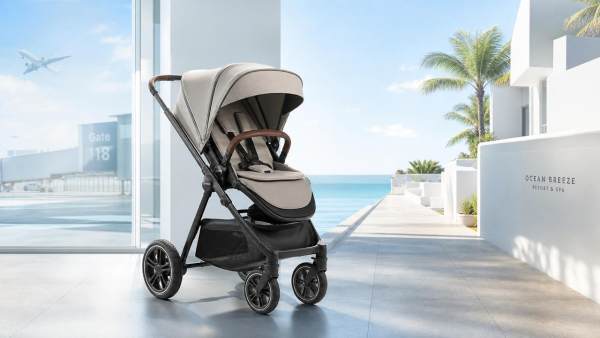
In the travel-driven baby products market, hyper-focused stroller features can make the difference between slow-moving inventory and fast sell-through. For distributors, agents, and retail buyers, understanding what today’s parents value most—from compact folding and safety compliance to lightweight frames and all-terrain performance—is essential for sourcing products that convert. This guide explores the stroller features that truly influence purchasing decisions and strengthen product competitiveness.
For B2B buyers serving travel retail channels, family tourism suppliers, airport stores, cross-border e-commerce sellers, and maternity product distributors, stroller selection is no longer about carrying a broad catalog. It is about choosing a narrow set of high-demand SKUs with clear commercial logic. In practice, 5 to 8 core features often decide whether a stroller earns repeat orders, lower return rates, and stronger shelf performance.
This matters even more in travel service ecosystems, where parents compare convenience under real mobility pressure. A stroller that folds in 1 to 2 steps, fits in compact car trunks, handles uneven sidewalks, and meets common compliance expectations will usually outperform a feature-heavy model that is difficult to transport. For sourcing teams, the most profitable strategy is often hyper-focused rather than overbuilt.
Why Hyper-Focused Stroller Features Matter in Travel Retail
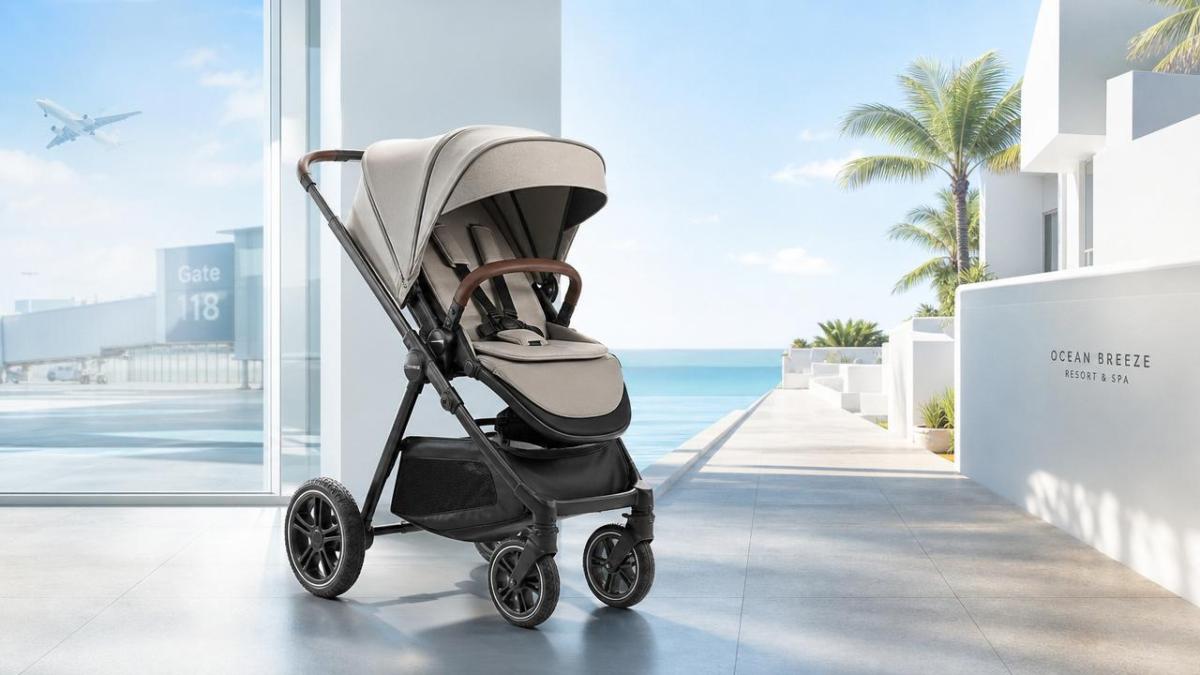
Travel creates a very specific purchase context. Parents moving through airports, hotels, train stations, resort towns, and urban attractions do not want a stroller that performs well only in showrooms. They want mobility, storage efficiency, and reliable safety. For distributors and agents, this means product evaluation should mirror travel use cases, not generic baby category checklists.
A hyper-focused product strategy also reduces inventory risk. Instead of carrying 20 similar models, many buyers now prefer 3 to 5 carefully segmented stroller types: ultra-compact cabin-friendly units, lightweight city strollers, reversible seat travel systems, rugged all-terrain options, and mid-price value models. This structure supports clearer pricing ladders and easier channel matching.
Travel-driven buyer behavior has narrowed feature priorities
In travel-linked baby products, decision time is often short. Parents commonly assess a stroller in under 10 minutes and focus on visible benefits first. Fold size, frame weight, canopy coverage, wheel stability, and harness design are easier to understand than technical selling points hidden in specifications. B2B sourcing teams should therefore prioritize features that can be demonstrated quickly in retail or online listings.
The 4 commercial signals distributors should watch
- Fast demo value: folding, locking, and steering should be visible within 30 to 60 seconds.
- Low return risk: confusing assembly and weak wheel durability often trigger after-sales issues within the first 90 days.
- Travel relevance: compact dimensions and manageable carry weight improve appeal in tourism-heavy markets.
- Cross-channel fit: features should work for in-store retail, online marketplaces, and distributor catalogs alike.
The table below shows how stroller feature priorities shift when the target market is closely linked to travel and on-the-go parenting rather than full-time urban commuting alone.
The key takeaway is simple: hyper-focused features are not cosmetic upgrades. In travel retail, they directly influence sales speed, category positioning, and return management. The more closely a stroller solves real travel friction, the stronger its distributor value.
The Features That Most Often Drive Sell-Through
While style and color still affect first impressions, performance features close the sale. For most distributors, the best-selling strollers usually win on 6 practical dimensions: folded size, total weight, wheel adaptability, seat comfort, safety execution, and storage convenience. Each of these can be assessed before placing volume orders.
Compact folding is the first travel filter
Compact folding matters because travel shoppers picture real constraints. They think about overhead storage, vehicle trunks, cruise cabin space, or narrow hotel rooms. A folded depth around 25 to 35 cm and a quick 1-hand or 2-step mechanism often creates a stronger sales argument than extra accessories. If folding requires both hands, floor space, and multiple locks, sales friction rises immediately.
Low weight improves usability across channels
For lightweight travel models, the common commercial sweet spot is roughly 5.5 to 8.0 kg. Below that range, some buyers may question frame stability if materials look too thin. Above 9 kg, many travel-oriented parents start seeing the stroller as a burden rather than a convenience. Agents should review not only net weight but also carry ergonomics and folded balance.
Wheel and suspension design define real-world performance
Parents do not travel only on smooth mall floors. They move over stone paths, cracked sidewalks, park lanes, and curb transitions. Front swivel wheels with lock options, medium-diameter rear wheels, and basic shock absorption can dramatically improve product perception. In many destinations, wheel quality becomes visible in the first 20 meters of use.
Feature checklist for travel-selling stroller SKUs
- Fold and unfold in under 15 seconds.
- Total carrying weight ideally under 8 kg for travel-focused listings.
- Seat recline with at least 2 to 3 positions.
- 5-point harness with intuitive buckle operation.
- Wheel lock and brake response that can be demonstrated instantly.
- Storage basket suitable for diaper bags, jackets, or day-trip essentials.
Comfort features still influence conversion
Hyper-focused does not mean stripped down. It means choosing features that matter enough to justify shelf space. Breathable seat fabrics, extended canopies, lie-back angles for naps, and adjustable footrests support travel comfort. These details are especially relevant in warm climates, destination retail, and stroller rentals linked to tourism services.
The comparison table below helps sourcing teams separate feature value from feature noise when buying for travel-driven channels.
For distributors, the strongest assortment often combines one value-focused compact stroller, one premium lightweight unit, and one all-terrain option. That 3-tier strategy serves different travel budgets while keeping feature messaging clear and hyper-focused.
Safety, Compliance, and After-Sales Risk Control
Feature appeal may drive the first order, but safety and compliance protect long-term business. In baby and maternity sourcing, distributors should never evaluate a stroller on aesthetics alone. The structure, restraint system, brake reliability, and documentation package all influence whether the item can scale smoothly across markets and channels.
What travel-oriented buyers should verify before commitment
At minimum, review product testing scope, material declarations where applicable, age grading, user instructions, packaging durability, and spare-part consistency. If a supplier offers private-label production, check lead times for revised manuals, carton artwork, and regulatory label updates. Even a 2 to 3 week delay in packaging approval can disrupt seasonal travel demand.
6 practical compliance checks
- Brake system engages consistently on flat and slightly inclined surfaces.
- Harness stitching and buckle release feel secure but not overly difficult.
- Frame locking points are clearly visible and stable after repeated folding.
- Warning labels and user instructions are easy to localize for export markets.
- Carton strength supports long-distance shipping and multi-handling logistics.
- Replacement wheels or fabrics can be sourced within a practical after-sales window.
For travel service channels such as resorts, family tour operators, or rental fleets, durability becomes even more important. A rental stroller may face 2 to 4 times the weekly usage of a privately owned unit during peak season. In that setting, wheel wear, fabric cleanability, and brake maintenance should be discussed before purchase orders are placed.
Why after-sales structure affects reorder confidence
Distributors often underestimate the commercial value of spare parts and support response times. A supplier that can provide replacement components within 7 to 15 days may be more valuable than a lower-priced vendor with no post-sale system. Hyper-focused sourcing should therefore include support capability as a core feature, not a side issue.
How Distributors and Agents Should Build a Winning Stroller Assortment
A profitable stroller line is usually built from segmentation discipline rather than maximum variety. For travel-oriented markets, an assortment should reflect where and how end users move. Airport retail, family vacation destinations, urban sightseeing markets, and online cross-border channels each reward different feature priorities. The role of the distributor is to translate mobility scenarios into buying specifications.
Segment by travel use, not just by price
One common mistake is grouping products only into low, mid, and premium ranges. A more effective model uses 3 functional segments: compact travel, daily city mobility, and mixed-terrain family trips. Pricing can then sit inside each segment. This makes sales training easier and helps dealers explain why one stroller fits a weekend flight while another fits a beach resort or park itinerary.
Recommended assortment framework
- Entry segment: lightweight and value-priced, focused on essential folding and safety.
- Core segment: balanced comfort, storage, suspension, and broad retail appeal.
- Premium segment: stronger materials, smoother ride, and better finish for destination markets.
Use sourcing intelligence to reduce blind spots
For global buyers, timing matters as much as design. Typical OEM or ODM lead times may range from 30 to 60 days for repeat production and longer for custom packaging or structural revisions. That means feature decisions should be tied to forecast windows, destination seasonality, and retailer replenishment cycles. In family travel markets, missing a 6 to 8 week sales window can reduce annual category performance significantly.
This is where a data-led platform such as Global Consumer Sourcing supports better procurement outcomes. By connecting retail buyers, sourcing teams, and manufacturers with focused insight across baby and maternity supply chains, GCS helps decision-makers compare trends, compliance expectations, and manufacturing readiness before they commit to volume. That approach is especially useful when buyers need hyper-focused product selection instead of broad, unfocused sourcing.
Questions to ask before placing the first order
- Which 3 stroller features are most relevant to the target travel scenario?
- Can the supplier support private-label packaging without delaying shipment by more than 2 to 3 weeks?
- Are spare parts, fabric care guidance, and warranty handling clearly defined?
- Does the model fill a distinct gap in the assortment, or duplicate an existing SKU?
- Can sales teams demonstrate the key value points in under 1 minute?
Hyper-focused features sell because they reduce decision friction. They also help distributors train channels faster, explain product value more clearly, and manage inventory with more confidence. In travel-linked baby products, the winners are rarely the strollers with the longest spec sheet. They are the ones that solve 4 or 5 important mobility problems well.
For distributors, agents, and retail buyers looking to strengthen stroller sell-through, the priority is clear: source models with compact folding, manageable weight, dependable safety execution, and terrain-ready performance that match real travel behavior. If you want sharper sourcing direction, stronger product positioning, or tailored support for baby and maternity supply decisions, contact GCS today to get customized recommendations and explore more solutions.
Related Intelligence
 Skincare OEMAug 16, 2026Amazon Enforces AI Human Metadata Rule for Beauty and Personal Care SellersAmazon now enforces AI human metadata rules for beauty sellers. Learn how to protect listings, traffic, and compliance in skincare, cosmetics, and beauty devices.
 Beauty DevicesAug 15, 2026China to Roll Out Nationwide Cross-Border Cash Pooling for MultinationalsChina to roll out nationwide cross-border cash pooling for multinationals from Sept. 14. Discover how this policy could improve treasury efficiency, liquidity management, and China-linked supply chains.
 Beauty DevicesAug 14, 2026China Imposes Temporary Export Ban on Helium, Affecting Cooling Supply ChainsChina's temporary helium export ban may disrupt cooling supply chains for beauty RF devices and laser systems. Learn what ODMs, buyers, and procurement teams should check now.
![]() Cosmetics & PkgAug 13, 2026PPWR becomes mandatory: Beauty and personal care packaging materials usher in new EPR and PFAS compliance requirementsPPWR takes effect for cosmetics packaging in the EU, bringing EPR registration and PFAS limits. Learn what brands, importers, and suppliers must do now.
Cosmetics & PkgAug 13, 2026PPWR becomes mandatory: Beauty and personal care packaging materials usher in new EPR and PFAS compliance requirementsPPWR takes effect for cosmetics packaging in the EU, bringing EPR registration and PFAS limits. Learn what brands, importers, and suppliers must do now. Cosmetics & PkgAug 12, 2026EU PPWR Now Enforced for Beauty Packaging ComplianceEU PPWR now enforced for beauty packaging compliance: learn how EPR, ERN, heavy metals and PFAS rules affect EU exports, customs clearance and platform sales.
 Cosmetics & PkgAug 11, 2026EU PPWR Rules Take Effect on Aug. 12 for Beauty PackagingEU PPWR rules for beauty packaging take effect on Aug. 12, 2026. Learn key compliance steps, EPR, labeling, PFAS limits, and how to avoid customs delays and fines.
 Smart Pet DevicesAug 10, 2026EU EPR Rules to Cover Smart Pet Devices on Aug. 15EU EPR Rules will cover smart pet devices from Aug. 15, 2026. Learn how smart collars, feeders, and monitoring devices can avoid delisting, customs delays, and compliance risks in the EU.
 Infant Feeding & CareAug 09, 2026CPSC Recalls Baby Sleep Sacks Over Undeclared TDCPPCPSC Recalls Baby Sleep Sacks Over Undeclared TDCPP: learn how this 2026 recall impacts CPC documents, third-party testing, and U.S. baby product compliance for exporters.
 Infant Feeding & CareAug 08, 2026ECHA Adds 5 SVHCs, Importer Notices Due From Oct 2026ECHA adds 5 SVHCs to the Candidate List, with importer notices due from October 2026. Learn how REACH affects exporters, supply chains, and documentation readiness.
 Baby Gear & StrollersAug 07, 2026CPSC Revises Crib Rail Standard for November 2026CPSC revises crib rail standard for November 2026, adding dynamic impact tests and mandatory third-party lab testing. Learn how the new rule affects U.S. market access, compliance, and shipments.
 Electronic & RC ToysAug 06, 2026EU to Require EN IEC 62115:2025 for Electronic ToysEU to Require EN IEC 62115:2025 for Electronic Toys from Oct 1, 2026. Learn scope, battery and AI safety updates, CE compliance risks, and how exporters can avoid customs delays.
 Baby Gear & StrollersAug 05, 2026US Stroller Stability Rule Takes Effect Aug. 15US Stroller Stability Rule Takes Effect Aug. 15: learn how new U.S. stroller compliance, ASTM F833-26a, and CPSC testing rules may affect imports, certification, and shipment readiness.
 Infant Feeding & CareAug 04, 2026ECHA Adds 5 SVHCs, Triggering Baby Care Export ReviewECHA adds 5 SVHCs, prompting an urgent baby care export review for EU-bound products. Learn the 0.1% threshold risks, compliance steps, and how to avoid customs delays and fines.












