
Stroller OEM Costs: What Drives Pricing?
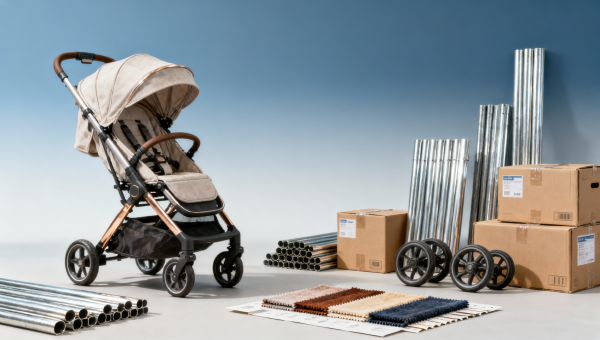
Understanding stroller OEM costs is essential for buyers comparing suppliers, safety standards, and long-term margins. From materials and tooling to compliance, order volume, and logistics, pricing can vary widely across playpen manufacturers and baby product factories. This guide explains what really drives stroller OEM quotes so procurement teams, quality managers, and decision-makers can source with greater confidence and control.
For most buyers, the short answer is this: stroller OEM pricing is not driven by a single factory rate, but by a combination of product complexity, safety and compliance requirements, material selection, tooling investment, order volume, quality expectations, and shipping strategy. A low quote may look attractive at first, but if it excludes testing, packaging development, spare parts planning, or process controls, the total cost can rise quickly later. That is why the most useful way to evaluate stroller OEM costs is to look beyond unit price and understand the full cost structure behind the quotation.
What actually drives stroller OEM pricing?
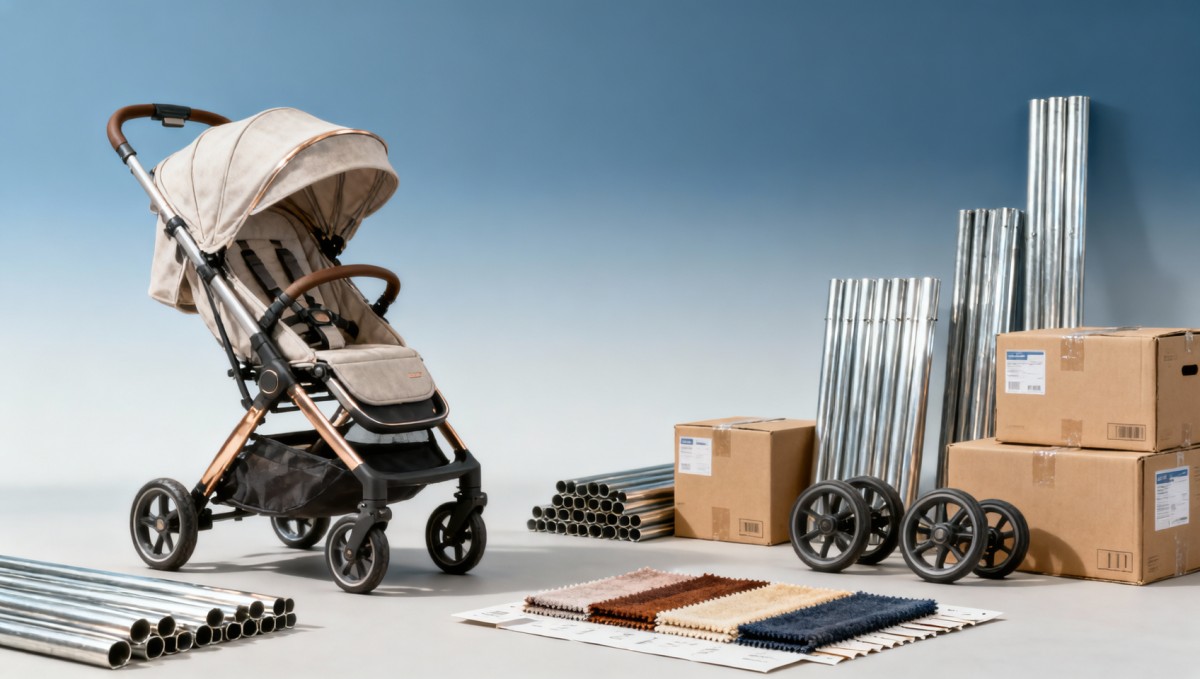
When sourcing strollers through an OEM model, buyers are usually paying for much more than assembly labor. The final quote reflects the factory’s real production inputs, technical burden, risk exposure, and service scope. In practice, the biggest pricing drivers are the following:
- Product type and structure: A lightweight umbrella stroller, travel stroller, jogger stroller, or modular multi-function stroller all require different frame designs, folding systems, wheel assemblies, and load-bearing structures.
- Material specification: Aluminum alloy frames, premium plastics, performance textiles, EVA or rubber wheels, and upgraded handle materials all increase cost compared with standard configurations.
- Safety and compliance requirements: Meeting EN 1888, ASTM standards, CPSIA-related requirements, REACH, or other destination-market regulations can add significant testing, material control, and documentation costs.
- Tooling and development: New molds, custom frame parts, fabric patterns, branding details, and packaging design can create high upfront non-recurring engineering expenses.
- Order quantity: MOQ strongly affects the unit price because factories spread tooling, setup, and procurement costs across the total order volume.
- Quality control level: Inline inspections, pre-shipment testing, durability checks, and stricter AQL targets usually raise manufacturing cost but reduce downstream claims.
- Packaging and logistics: Carton size, knockdown structure, inner protection, pallet efficiency, and shipping mode all influence landed cost.
For procurement teams, the key insight is that stroller OEM quotes are often only comparable when the specification, compliance scope, and service assumptions are aligned line by line.
Why can quotes vary so much between stroller manufacturers?
Large quote gaps usually come from differences in what each supplier has included or excluded. Two factories may both claim to produce the same stroller, but their underlying assumptions may be very different.
Common reasons for quote variation include:
- Different frame wall thickness or tube grade, which affects durability and cost
- Different wheel systems, such as basic plastic wheels versus suspension-equipped rubberized wheels
- Different fabric performance, including abrasion resistance, colorfastness, flame-related requirements, or water resistance
- Different certification readiness, where one supplier has mature compliance systems and another is pricing without full testing support
- Different production experience, especially for complex folding mechanisms and safety-critical locking systems
- Different warranty and after-sales assumptions, including spare parts support and defect handling
- Different packaging methods that affect freight utilization and damage risk
This is why buyers should not ask only for a unit price. A better approach is to request a detailed quotation breakdown covering materials, tooling, certification support, sample fees, packaging, testing, lead time, and payment terms. Without that visibility, it is easy to choose the lowest apparent quote and end up with higher total sourcing cost.
How much do materials and components affect stroller OEM cost?
Materials are one of the most important cost drivers because a stroller is a safety-sensitive product with repeated mechanical stress. The bill of materials can shift pricing significantly even when the product looks similar from the outside.
The most cost-sensitive component areas usually include:
- Frame material: Steel is generally lower cost but heavier. Aluminum alloy is lighter and often preferred for premium models, but it increases price.
- Fabric and soft goods: Higher-denier fabrics, UV-resistant textiles, better stitching standards, removable washable covers, and branded trims all add cost.
- Wheel system: Larger wheels, better bearings, shock absorption, and improved tread material raise performance and pricing.
- Harness and buckle system: Upgraded buckles, safer locking design, and stronger strap materials are often necessary for better user experience and compliance confidence.
- Plastic parts: Injection-molded components vary in resin grade, finish quality, and mold complexity.
- Accessories: Canopies, rain covers, cup holders, footmuffs, storage baskets, and adaptors can materially change the quote.
For technical evaluators and quality teams, it is important to verify whether proposed materials are only visually similar or genuinely equivalent in strength, wear resistance, and chemical compliance. Low-cost substitutions often create problems later in testing, returns, or market complaints.
How do safety standards and compliance add to the quote?
In baby products, compliance is not a minor add-on. It is a core cost driver and a core risk control factor. A stroller intended for export may need to meet different regulatory frameworks depending on the target market. These requirements affect both development and ongoing production.
Cost additions tied to compliance may include:
- Pre-compliance engineering reviews to avoid design failures before formal testing
- Third-party lab testing fees for mechanical safety, chemical restrictions, and performance validation
- Material traceability systems for restricted substances and supplier documentation
- Production consistency controls to ensure tested samples match shipped goods
- Labeling and warning content updates for destination-market rules
- Factory audits or social compliance checks if required by major retailers or brand governance teams
Buyers should also watch for a common sourcing mistake: assuming a supplier’s “test passed before” statement means the new custom model is fully compliant. Changes in fabric, wheel, buckle, frame geometry, or packaging can trigger fresh testing needs. In this category, compliance should be budgeted early, not treated as an afterthought.
What role do tooling, sampling, and product development play in OEM cost?
For custom stroller programs, upfront development cost can be substantial, especially when the buyer wants differentiated design, exclusive branding, or unique functional features. These early expenses may not matter as much for large-volume programs, but they can be critical for smaller launches.
Typical pre-production cost items include:
- Industrial design and structural engineering
- Prototype samples and revisions
- Custom mold development for plastic or metal parts
- Packaging mockups and drop-test validation
- Branding applications such as woven labels, logo plates, embroidery, or custom color matching
- Pilot run validation before mass production
Decision-makers should judge these costs in relation to expected sales volume, channel strategy, and product lifespan. If the product is intended as a long-term private-label line, higher initial investment may create stronger margin protection and brand differentiation. If the program is short-cycle or exploratory, a semi-custom platform may be a more cost-efficient choice than a fully bespoke stroller.
How do MOQ and order volume change the final unit price?
MOQ is one of the most practical levers in stroller OEM negotiation. Factories usually offer better unit pricing at higher volume because procurement, machine setup, labor planning, and quality overhead can be spread across more units. However, the lowest per-unit price is not always the best commercial decision.
Buyers should assess order volume in the context of:
- Inventory risk and warehouse carrying cost
- Cash flow pressure and approval thresholds
- Forecast confidence by market or sales channel
- Model complexity and likelihood of revisions after first launch
- Container optimization and shipping economics
In many cases, a slightly higher unit cost on a more conservative first order is financially smarter than forcing a large MOQ that creates slow-moving stock. Procurement and finance teams should compare the total margin impact, not just the ex-factory price.
How do packaging and logistics affect stroller sourcing cost?
Packaging is often underestimated in stroller OEM projects. Because strollers can be bulky, shipping efficiency matters. A better folding design or more compact carton structure can reduce freight cost enough to offset a higher factory price.
Important logistics cost variables include:
- Carton dimensions and loading efficiency
- Product assembly level, such as fully assembled versus partially knocked down
- Protective packaging requirements to reduce transit damage
- Destination market and shipping mode
- Seasonality and freight volatility
- Labeling and retailer packaging compliance
For distributors and channel managers, landed cost should always be calculated alongside factory cost. A supplier with strong packaging engineering may offer better total economics than one with a lower nominal production quote.
What hidden costs should buyers watch for in stroller OEM projects?
Some of the most expensive sourcing mistakes come from costs that were never made explicit during negotiation. These hidden costs often surface after purchase orders are placed or after products reach the market.
Watch carefully for:
- Retesting costs after material or design changes
- Late-stage mold revisions caused by weak development review
- Replacement parts and warranty servicing
- Chargebacks or returns due to packaging failures or labeling errors
- Production delays from unstable raw material sourcing
- Quality escapes that trigger inspection rework or market complaints
- Currency fluctuation and payment term risk
From a financial approval perspective, the right question is not “What is the quoted price?” but “What is the probable total cost of ownership over the full sales cycle?” That broader view often changes which supplier is actually the better value.
How should buyers compare stroller OEM suppliers more accurately?
The best supplier comparison process combines technical review, cost transparency, compliance confidence, and commercial fit. A structured evaluation framework helps cross-functional teams avoid decisions based on incomplete information.
A strong comparison checklist should include:
- Detailed BOM alignment across all quoted suppliers
- Confirmed testing and certification scope
- Tooling ownership and maintenance terms
- Sampling timeline and revision policy
- Production lead time and capacity stability
- Quality management process and inspection checkpoints
- Packaging specs and container utilization data
- After-sales support capability
- Payment terms and price validity period
This approach is especially useful for procurement leaders, quality managers, and project owners who need internal alignment before approving a supplier nomination.
How can brands control stroller OEM costs without compromising safety or quality?
Cost control does not have to mean cutting corners. In well-managed stroller sourcing, the most effective savings usually come from smarter design choices, better supplier collaboration, and early cross-functional planning.
Practical ways to improve cost efficiency include:
- Standardize non-visible components where possible while preserving key selling features
- Choose platform customization instead of full ground-up development for early-stage programs
- Reduce unnecessary accessories that add cost but limited market value
- Optimize packaging for freight savings
- Align compliance needs early to avoid redesign and retesting
- Negotiate annual volume plans rather than isolated orders
- Work with suppliers that have proven baby product experience, not just general metal or plastic manufacturing capability
For executive teams, the best OEM partner is rarely the cheapest supplier on paper. It is the manufacturer that can consistently deliver safe, compliant, commercially viable products with predictable quality and manageable total cost.
Conclusion: what should buyers remember about stroller OEM costs?
Stroller OEM costs are driven by a full system of variables, not a simple factory markup. Materials, engineering complexity, safety compliance, tooling, order volume, packaging, and logistics all shape the final quote. For buyers in baby and maternity sourcing, the most reliable way to make decisions is to compare suppliers on total cost, risk, and operational fit rather than on unit price alone.
If a quote seems unusually low, it is worth checking what has been omitted. If a quote seems high, it may reflect stronger compliance systems, better durability, or lower downstream risk. In stroller sourcing, the smartest purchasing decisions come from understanding cost structure, asking sharper questions, and evaluating long-term value with the same rigor as upfront price.
Related Intelligence
 Skincare OEMAug 16, 2026Amazon Enforces AI Human Metadata Rule for Beauty and Personal Care SellersAmazon now enforces AI human metadata rules for beauty sellers. Learn how to protect listings, traffic, and compliance in skincare, cosmetics, and beauty devices.
 Beauty DevicesAug 15, 2026China to Roll Out Nationwide Cross-Border Cash Pooling for MultinationalsChina to roll out nationwide cross-border cash pooling for multinationals from Sept. 14. Discover how this policy could improve treasury efficiency, liquidity management, and China-linked supply chains.
 Beauty DevicesAug 14, 2026China Imposes Temporary Export Ban on Helium, Affecting Cooling Supply ChainsChina's temporary helium export ban may disrupt cooling supply chains for beauty RF devices and laser systems. Learn what ODMs, buyers, and procurement teams should check now.
![]() Cosmetics & PkgAug 13, 2026PPWR becomes mandatory: Beauty and personal care packaging materials usher in new EPR and PFAS compliance requirementsPPWR takes effect for cosmetics packaging in the EU, bringing EPR registration and PFAS limits. Learn what brands, importers, and suppliers must do now.
Cosmetics & PkgAug 13, 2026PPWR becomes mandatory: Beauty and personal care packaging materials usher in new EPR and PFAS compliance requirementsPPWR takes effect for cosmetics packaging in the EU, bringing EPR registration and PFAS limits. Learn what brands, importers, and suppliers must do now. Cosmetics & PkgAug 12, 2026EU PPWR Now Enforced for Beauty Packaging ComplianceEU PPWR now enforced for beauty packaging compliance: learn how EPR, ERN, heavy metals and PFAS rules affect EU exports, customs clearance and platform sales.
 Cosmetics & PkgAug 11, 2026EU PPWR Rules Take Effect on Aug. 12 for Beauty PackagingEU PPWR rules for beauty packaging take effect on Aug. 12, 2026. Learn key compliance steps, EPR, labeling, PFAS limits, and how to avoid customs delays and fines.
 Smart Pet DevicesAug 10, 2026EU EPR Rules to Cover Smart Pet Devices on Aug. 15EU EPR Rules will cover smart pet devices from Aug. 15, 2026. Learn how smart collars, feeders, and monitoring devices can avoid delisting, customs delays, and compliance risks in the EU.
 Infant Feeding & CareAug 09, 2026CPSC Recalls Baby Sleep Sacks Over Undeclared TDCPPCPSC Recalls Baby Sleep Sacks Over Undeclared TDCPP: learn how this 2026 recall impacts CPC documents, third-party testing, and U.S. baby product compliance for exporters.
 Infant Feeding & CareAug 08, 2026ECHA Adds 5 SVHCs, Importer Notices Due From Oct 2026ECHA adds 5 SVHCs to the Candidate List, with importer notices due from October 2026. Learn how REACH affects exporters, supply chains, and documentation readiness.
 Baby Gear & StrollersAug 07, 2026CPSC Revises Crib Rail Standard for November 2026CPSC revises crib rail standard for November 2026, adding dynamic impact tests and mandatory third-party lab testing. Learn how the new rule affects U.S. market access, compliance, and shipments.
 Electronic & RC ToysAug 06, 2026EU to Require EN IEC 62115:2025 for Electronic ToysEU to Require EN IEC 62115:2025 for Electronic Toys from Oct 1, 2026. Learn scope, battery and AI safety updates, CE compliance risks, and how exporters can avoid customs delays.
 Baby Gear & StrollersAug 05, 2026US Stroller Stability Rule Takes Effect Aug. 15US Stroller Stability Rule Takes Effect Aug. 15: learn how new U.S. stroller compliance, ASTM F833-26a, and CPSC testing rules may affect imports, certification, and shipment readiness.
 Infant Feeding & CareAug 04, 2026ECHA Adds 5 SVHCs, Triggering Baby Care Export ReviewECHA adds 5 SVHCs, prompting an urgent baby care export review for EU-bound products. Learn the 0.1% threshold risks, compliance steps, and how to avoid customs delays and fines.












