
Pet Product Development: From Idea to Shelf Without Costly Delays
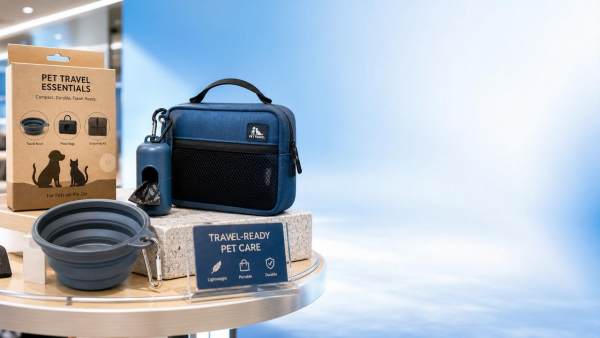
Pet product development often slows down for reasons beyond product creativity. Timelines slip when design intent, sourcing readiness, compliance checks, and launch planning move at different speeds.
In travel service retail, this challenge becomes sharper. Airport shops, hotel boutiques, destination gift stores, and travel e-commerce need compact, safe, durable pet items with predictable delivery.
Strong pet product development connects idea validation, packaging, transit testing, and seasonal demand planning from the beginning. When teams align early, shelf readiness becomes faster, cheaper, and more reliable.
What does pet product development mean in travel service retail?
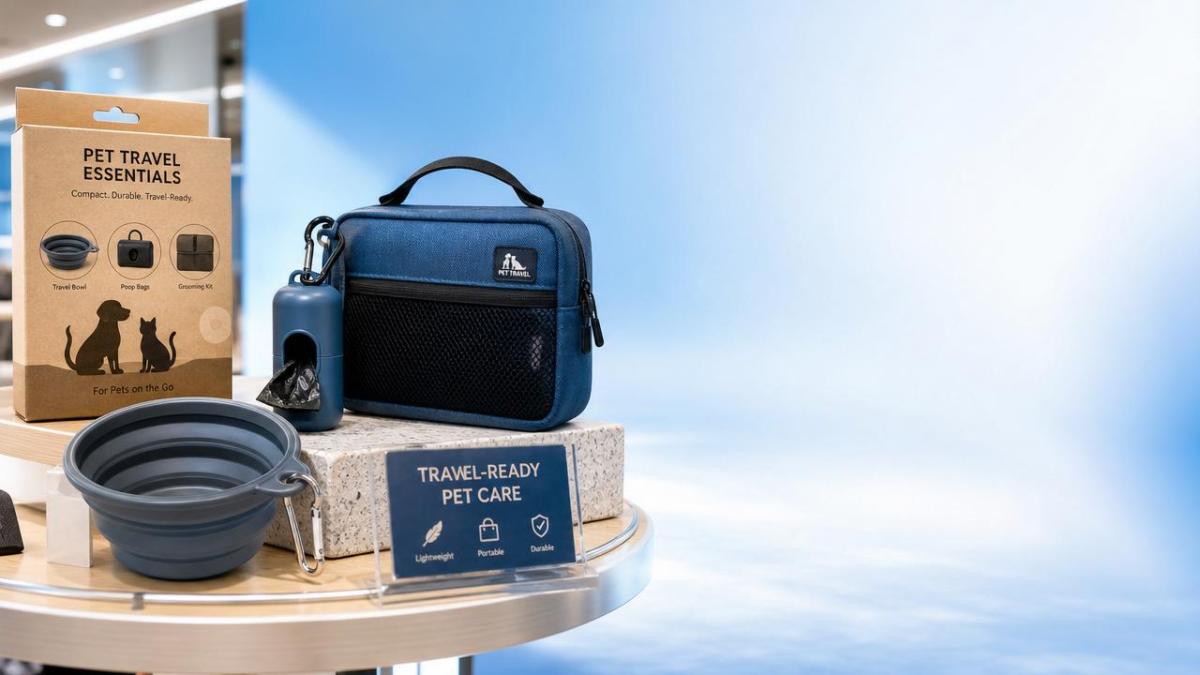
Pet product development is the full process of turning a pet item concept into a market-ready product. It covers user need, material choice, engineering, tooling, compliance, packaging, logistics, and launch timing.
For travel service channels, the product must fit mobile lifestyles. Travelers often want portable bowls, collapsible carriers, waste solutions, travel toys, grooming kits, or calming accessories.
That changes the design brief. Products need light weight, compact storage, simple cleaning, and packaging suited for display in small retail spaces.
Good pet product development also reflects regional travel habits. A road-trip stop shop may need rugged outdoor pet gear. A premium resort boutique may prefer stylish, giftable pet accessories.
Without that retail context, a product may be technically sound but commercially weak. Development should begin with where, how, and why the product will be purchased.
Why do delays happen even when the idea is strong?
Most delays in pet product development come from sequence problems, not idea problems. Teams often approve concepts before confirming materials, certifications, production tolerances, or package dimensions.
Travel retail adds extra pressure because launches often follow holiday peaks, tourism seasons, or route expansion schedules. Missing a date can mean losing an entire selling window.
Typical delay points include:
- Late material substitutions after prototypes are approved
- Unclear safety or labeling requirements for destination markets
- Tooling revisions caused by weak design-for-manufacturing review
- Packaging that fails transit or shelf-fit requirements
- Poor coordination between forecast, production slot, and shipping plan
A frequent mistake is treating compliance as a final checkpoint. In effective pet product development, compliance starts during concept review, especially for chewable, wearable, or food-contact products.
Another common issue is overdesign. A product with too many parts may look innovative, but it can slow assembly, raise defect risk, and complicate retail replenishment.
How can teams align design, sourcing, and compliance earlier?
The best way to accelerate pet product development is to lock key decisions earlier. That means defining product intent in a practical document, not only in visual sketches.
A useful development brief should include:
- Target user and travel use case
- Core function and non-negotiable features
- Material preferences and restricted substances list
- Applicable safety, labeling, and packaging standards
- Retail channel limits, including shelf size and price point
- Launch date, testing milestones, and approval owners
This structure keeps pet product development grounded in execution. It prevents late debates over dimensions, materials, claims, and packaging formats.
Cross-functional reviews also matter. Engineering may see mold risks that design misses. Packaging may spot airport display limitations. Logistics may flag carton inefficiency before production starts.
For travel service assortments, test the product against movement, moisture, and storage conditions. Portable pet products often face rough handling during transit and frequent consumer reuse.
Early alignment checklist
How should prototypes be evaluated for faster shelf readiness?
Prototype review in pet product development should go beyond looks. A beautiful sample can still fail in function, safety, assembly speed, or cost control.
Start with use-case realism. If the product is for travel, test folding, carrying, sealing, cleaning, and packing under repeated daily use.
Then compare prototype stages clearly. Concept models validate size and user interaction. Engineering prototypes validate fit, tolerance, and material behavior. Pre-production samples validate repeatability.
Each stage should answer different questions. Mixing those goals creates confusion and slows approvals.
What should be checked before tooling approval?
- Part count and assembly complexity
- Closure strength and leak resistance
- Surface finish durability during transport
- Label area, barcode space, and mandatory markings
- Carton efficiency for shipping and backroom storage
In travel service retail, packaging often works as both protection and merchandising. That means the prototype must be tested in retail-ready format, not only as a naked product.
Effective pet product development uses measurable acceptance criteria. That includes drop performance, odor resistance, fabric strength, seam stability, and repeated opening cycles where relevant.
How do cost, timeline, and quality trade-offs affect pet product development?
Every product program balances three forces: speed, cost, and quality. In pet product development, chasing one without planning the others usually creates rework.
A lower-cost resin may affect durability. A faster tooling schedule may reduce validation time. Premium packaging may improve gifting appeal but weaken margin in price-sensitive travel outlets.
The solution is not always spending more. It is choosing where performance truly matters for the buying context.
For example, a travel water bowl may need excellent leak control and compactness. It may not need complex decoration if the item is sold as a practical impulse purchase.
Decision guide for common trade-offs
Good pet product development decisions are transparent. When trade-offs are documented early, approval cycles become shorter and fewer surprises appear near launch.
What risks are most often missed before launch?
Several launch risks stay hidden until late stages. Many are avoidable with structured review gates.
One risk is assuming one product version works globally. Travel-linked retail often serves international customers, but local labeling, claims, and packaging rules may differ.
Another risk is ignoring replenishment reality. A pet item may sell well in a resort or transit hub, yet fail operationally if cartons are awkward, fragile, or inefficient.
Watch for these warning signs in pet product development:
- Testing starts after packaging art is finalized
- No backup source for critical components
- Costing excludes freight, duty, or display materials
- Claims are marketing-led without technical proof
- Retail date is fixed before sample approval timing is realistic
A practical safeguard is a pre-launch readiness review. It should confirm quality plan, packaging approval, test reports, production capacity, booking timeline, and sell-in materials.
How can pet product development stay on schedule from idea to shelf?
A disciplined schedule turns pet product development into a controlled process. The goal is not rushing. The goal is reducing avoidable loops.
Use milestone gates with clear exit criteria. Do not move forward because a sample looks acceptable. Move forward because design, sourcing, compliance, and packaging are all aligned.
A practical sequence often works well:
- Define travel use case and retail channel fit
- Build technical brief with compliance inputs
- Review manufacturability before prototype approval
- Validate packaging with transit and shelf requirements
- Confirm testing, production slot, and shipment window
This is where informed sourcing intelligence adds value. Reliable supplier visibility, trend tracking, and regulatory awareness help pet product development stay realistic from day one.
For travel service assortments, especially seasonal or destination-led lines, timing is a profit driver. A shelf-ready product on time usually outperforms a better idea that arrives late.
Pet product development succeeds when every early decision supports the final retail moment. Define the use case, verify production reality, check compliance early, and test packaging as seriously as the product itself.
When delays are removed at the source, launches become more predictable across airport retail, hotel stores, tourist gift channels, and travel-focused e-commerce. The next step is simple: audit your current workflow and identify where approvals happen too late.
Related Intelligence
 Skincare OEMAug 16, 2026Amazon Enforces AI Human Metadata Rule for Beauty and Personal Care SellersAmazon now enforces AI human metadata rules for beauty sellers. Learn how to protect listings, traffic, and compliance in skincare, cosmetics, and beauty devices.
 Beauty DevicesAug 15, 2026China to Roll Out Nationwide Cross-Border Cash Pooling for MultinationalsChina to roll out nationwide cross-border cash pooling for multinationals from Sept. 14. Discover how this policy could improve treasury efficiency, liquidity management, and China-linked supply chains.
 Beauty DevicesAug 14, 2026China Imposes Temporary Export Ban on Helium, Affecting Cooling Supply ChainsChina's temporary helium export ban may disrupt cooling supply chains for beauty RF devices and laser systems. Learn what ODMs, buyers, and procurement teams should check now.
![]() Cosmetics & PkgAug 13, 2026PPWR becomes mandatory: Beauty and personal care packaging materials usher in new EPR and PFAS compliance requirementsPPWR takes effect for cosmetics packaging in the EU, bringing EPR registration and PFAS limits. Learn what brands, importers, and suppliers must do now.
Cosmetics & PkgAug 13, 2026PPWR becomes mandatory: Beauty and personal care packaging materials usher in new EPR and PFAS compliance requirementsPPWR takes effect for cosmetics packaging in the EU, bringing EPR registration and PFAS limits. Learn what brands, importers, and suppliers must do now. Cosmetics & PkgAug 12, 2026EU PPWR Now Enforced for Beauty Packaging ComplianceEU PPWR now enforced for beauty packaging compliance: learn how EPR, ERN, heavy metals and PFAS rules affect EU exports, customs clearance and platform sales.
 Cosmetics & PkgAug 11, 2026EU PPWR Rules Take Effect on Aug. 12 for Beauty PackagingEU PPWR rules for beauty packaging take effect on Aug. 12, 2026. Learn key compliance steps, EPR, labeling, PFAS limits, and how to avoid customs delays and fines.
 Smart Pet DevicesAug 10, 2026EU EPR Rules to Cover Smart Pet Devices on Aug. 15EU EPR Rules will cover smart pet devices from Aug. 15, 2026. Learn how smart collars, feeders, and monitoring devices can avoid delisting, customs delays, and compliance risks in the EU.
 Infant Feeding & CareAug 09, 2026CPSC Recalls Baby Sleep Sacks Over Undeclared TDCPPCPSC Recalls Baby Sleep Sacks Over Undeclared TDCPP: learn how this 2026 recall impacts CPC documents, third-party testing, and U.S. baby product compliance for exporters.
 Infant Feeding & CareAug 08, 2026ECHA Adds 5 SVHCs, Importer Notices Due From Oct 2026ECHA adds 5 SVHCs to the Candidate List, with importer notices due from October 2026. Learn how REACH affects exporters, supply chains, and documentation readiness.
 Baby Gear & StrollersAug 07, 2026CPSC Revises Crib Rail Standard for November 2026CPSC revises crib rail standard for November 2026, adding dynamic impact tests and mandatory third-party lab testing. Learn how the new rule affects U.S. market access, compliance, and shipments.
 Electronic & RC ToysAug 06, 2026EU to Require EN IEC 62115:2025 for Electronic ToysEU to Require EN IEC 62115:2025 for Electronic Toys from Oct 1, 2026. Learn scope, battery and AI safety updates, CE compliance risks, and how exporters can avoid customs delays.
 Baby Gear & StrollersAug 05, 2026US Stroller Stability Rule Takes Effect Aug. 15US Stroller Stability Rule Takes Effect Aug. 15: learn how new U.S. stroller compliance, ASTM F833-26a, and CPSC testing rules may affect imports, certification, and shipment readiness.
 Infant Feeding & CareAug 04, 2026ECHA Adds 5 SVHCs, Triggering Baby Care Export ReviewECHA adds 5 SVHCs, prompting an urgent baby care export review for EU-bound products. Learn the 0.1% threshold risks, compliance steps, and how to avoid customs delays and fines.












