Finland’s July Tariff Hits Low-Value Pet Device Shipments
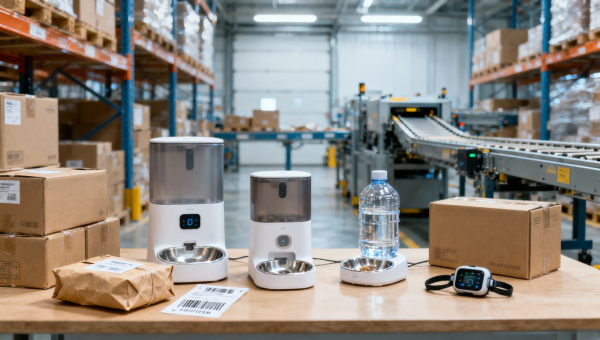
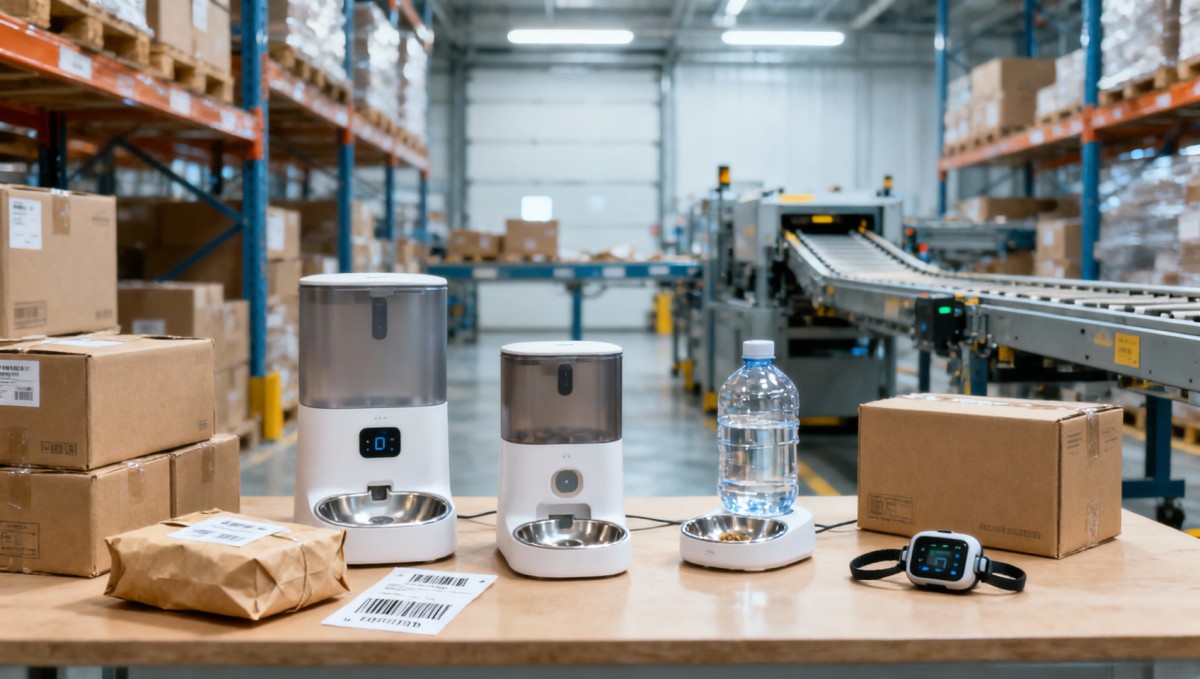
From July 1, 2026, Finland will apply a fixed EUR 3 duty per item to privately ordered goods from outside the EU valued below EUR 150. For the smart pet devices segment, where many products are priced around EUR 80–200, the change is drawing industry attention because it directly raises the cost of direct-to-consumer cross-border shipping and is already pushing distributors toward local inventory placement. For sellers, distributors, and supply chain operators, the issue is not only the tariff itself, but also how order structure, delivery model, and margin management may need to adjust.
What has been confirmed from July 1
The confirmed information is clear on three points. First, Finland will begin charging a fixed duty of EUR 3 per item on privately ordered goods from outside the EU that are valued below EUR 150, effective July 1, 2026. Second, the smart pet devices category is seen as particularly exposed because product prices are concentrated in the EUR 80–200 range. Third, for direct shipping in this category, the cost increase is estimated at 15% to 22%, and distributors are accelerating a shift toward a local warehouse pre-stocking model.
Where the pressure is likely to appear first
Direct-shipping sellers face immediate pricing pressure
From an industry perspective, sellers relying on direct mail from outside the EU are the most immediately affected. The reason is straightforward: the new fixed charge is applied per item, while many smart pet devices sit close enough to the low-value threshold for the added cost to materially change final landed pricing. The main impact is likely to appear in quote setting, order conversion, and margin protection. What deserves closer attention is whether direct shipping remains workable for products near the lower end of the category’s price band.
Distributors may need faster inventory model changes
Observably, distributors are already speeding up the move toward local warehouse pre-positioning. The likely impact here is operational rather than purely fiscal: inventory must be placed earlier, fulfillment planning becomes more important, and the business logic shifts from parcel-by-parcel cross-border delivery to localized stock deployment. Companies in this part of the chain should watch how quickly the model transition affects replenishment timing and product allocation decisions.
Supply chain service providers may see process adjustments
Analysis shows that logistics and fulfillment partners connected to this category may also be affected, especially where their services are built around direct shipment of individual orders. The relevant business links include order handling, parcel routing, and delivery model design. What they need to monitor is not just shipping volume, but whether clients begin restructuring flows around local warehousing instead of one-off cross-border parcels.
Operational issues companies should now track
Watch for any further clarification in rule wording
Analysis shows that the announced measure is specific enough to affect planning, but companies should still pay close attention to any further official clarification around scope, application, and implementation details. In practice, the difference between a policy headline and day-to-day execution can materially affect fulfillment choices.
Review which SKUs are most exposed to direct-shipping cost increases
For smart pet devices, the current concern is concentrated in products priced around the stated EUR 80–200 range. Companies should identify which items remain viable under direct shipping and which are more likely to require a local-stock approach. This is less a broad category issue than a SKU-by-SKU commercial calculation.
Reassess warehouse timing and replenishment planning
Because distributors are accelerating local pre-stocking, businesses should examine whether existing procurement and fulfillment cycles can support earlier inventory placement. The practical issue is not only where stock sits, but when commitments must be made in order to avoid disruption to delivery promises.
Prepare customer communication around delivered cost and delivery model
What deserves closer attention is how companies explain any change in delivered price or shipping method. Where direct-to-consumer orders become less competitive, customer-facing communication may need to address why local fulfillment or revised pricing is being introduced, especially for products previously sold through direct cross-border delivery.
Why this matters beyond a single tariff line
As an editorial observation, this development is better understood as both a near-term cost change and a broader signal about the fragility of low-value direct-shipping models in categories with mid-range price concentration. The confirmed fact is the tariff measure itself; the broader industry implication remains an observation. If a fixed per-item charge can raise direct-shipping costs by 15% to 22% in a category such as smart pet devices, then business models built around parcel-level cross-border fulfillment may face faster structural review than categories with wider pricing flexibility.
It is also more appropriate to understand this as a market adjustment signal rather than a final settled outcome for all participants. The available information shows distributors moving toward local warehousing, but it does not by itself establish how far or how quickly every business will follow.
How the market should read the development now
At this stage, the Finland measure should be read as a concrete operating change with immediate relevance for cross-border consumer shipments below EUR 150, and as a meaningful test for smart pet device distribution models. The clearest current takeaway is that direct shipping economics in this segment are under pressure, while local inventory placement is gaining importance. A balanced reading is that this is not merely a short-lived pricing issue, but neither is it yet a complete verdict on the category; it is a development that requires close monitoring as companies translate the rule into actual fulfillment decisions.
Basis of this article and what still needs verification
This article is based on the user-provided news title, event date, and event summary concerning Finland’s July 1, 2026 tariff measure on low-value private orders from outside the EU and its effect on smart pet devices. For developments of this type, relevant source categories typically include official government notices, company statements, industry association updates, authoritative media reporting, and related regulatory documents. No specific official source link was provided in the input, so the exact official documentation still needs continued verification. Follow-up attention should focus on any further official wording, implementation detail, and whether the shift toward local warehouse pre-stocking expands across more sellers and distributors in this category.
Related Intelligence
 STEM & Educational ToysSep 20, 2026How Do I Verify Age Grading for Educational Toys?How do I verify educational toy age grading? Learn how to assess safety risks, test reports, packaging, and market compliance before buying or selling.
 Corporate & Seasonal GiftsSep 20, 2026Are Promotional Items Worth Ordering for Short Campaigns?Are promotional items worth ordering for short campaigns? Learn how pet brands can choose useful, compliant giveaways that drive measurable engagement, sales, and loyalty.
 STEM & Educational ToysSep 20, 2026What Safety Checks Should Wooden Toy Suppliers Pass?What safety checks should wooden toy suppliers pass? Explore essential compliance, material traceability, chemical testing, and quality controls to source safer toys with confidence.
 Infant Feeding & CareSep 20, 2026Which Teething Toy Materials Are Easiest to Clean?Which teething toy materials are easiest to clean? Discover why silicone and natural rubber lead for hygienic, easy-care pet chew toys.
 Infant Feeding & CareSep 20, 2026How Can Retailers Prevent Mold Complaints About Bath Toys?How can retailers prevent mold complaints about bath toys? Explore drainable designs, supplier controls, testing, and care guidance to reduce moisture risks.
 Camping & WaterSep 20, 2026Which Folding Chair Fabrics Last Longest Outdoors?Which folding chair fabrics last longest outdoors? Compare acrylic, PVC-coated polyester, UV-stabilized polyester, and mesh for durable, pet-friendly outdoor seating.
 Camping & WaterSep 20, 2026Are Folding Camping Chairs Tested for Weight Capacity?Are folding camping chairs tested for weight capacity? Learn what credible load testing, safety margins, and supplier documentation mean for confident outdoor product sourcing.
 Corporate & Seasonal GiftsSep 20, 2026How Can Corporate Gift Buyers Avoid Missing Event Deadlines?How do corporate gift buyers avoid missed event deadlines? Discover proven sourcing, customization, compliance, and shipping strategies for pet-themed corporate gifts.
 Corporate & Seasonal GiftsSep 20, 2026What Should Be Approved Before Placing a Custom Gift Order?What should be approved before placing a custom gift order? Explore the essential checks for safe, compliant, retail-ready custom pet gifts.
 Corporate & Seasonal GiftsSep 20, 2026Which Custom Gift Materials Have the Lowest Defect Rates?Which custom gift materials have the lowest defect rate? Explore why silicone, stainless steel, polypropylene, and polyester help pet gift brands reduce rejects and improve quality.
 Skincare OEMAug 16, 2026Amazon Enforces AI Human Metadata Rule for Beauty and Personal Care SellersAmazon now enforces AI human metadata rules for beauty sellers. Learn how to protect listings, traffic, and compliance in skincare, cosmetics, and beauty devices.
 Beauty DevicesAug 15, 2026China to Roll Out Nationwide Cross-Border Cash Pooling for MultinationalsChina to roll out nationwide cross-border cash pooling for multinationals from Sept. 14. Discover how this policy could improve treasury efficiency, liquidity management, and China-linked supply chains.
 Beauty DevicesAug 14, 2026China Imposes Temporary Export Ban on Helium, Affecting Cooling Supply ChainsChina's temporary helium export ban may disrupt cooling supply chains for beauty RF devices and laser systems. Learn what ODMs, buyers, and procurement teams should check now.