
Pet Private Label: Where to Start First
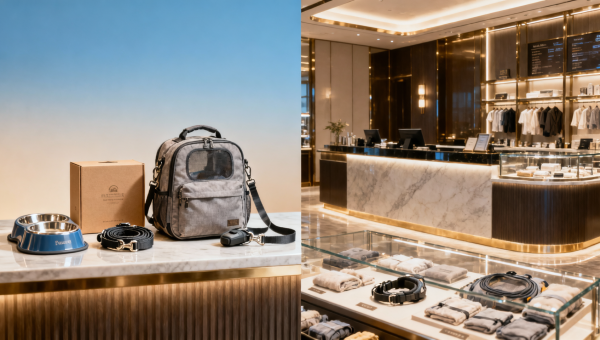
Breaking into pet private label starts with a clear sourcing roadmap: define your niche, validate demand, and shortlist compliant partners. For buyers comparing playpen manufacturers, stroller OEM capabilities, toy compliance standards, and pet-focused suppliers, the first step is aligning product vision with safety, cost, and scalability. This guide helps procurement teams and brand decision-makers evaluate what matters most before launch.
Where should a pet private label project begin in travel service channels?
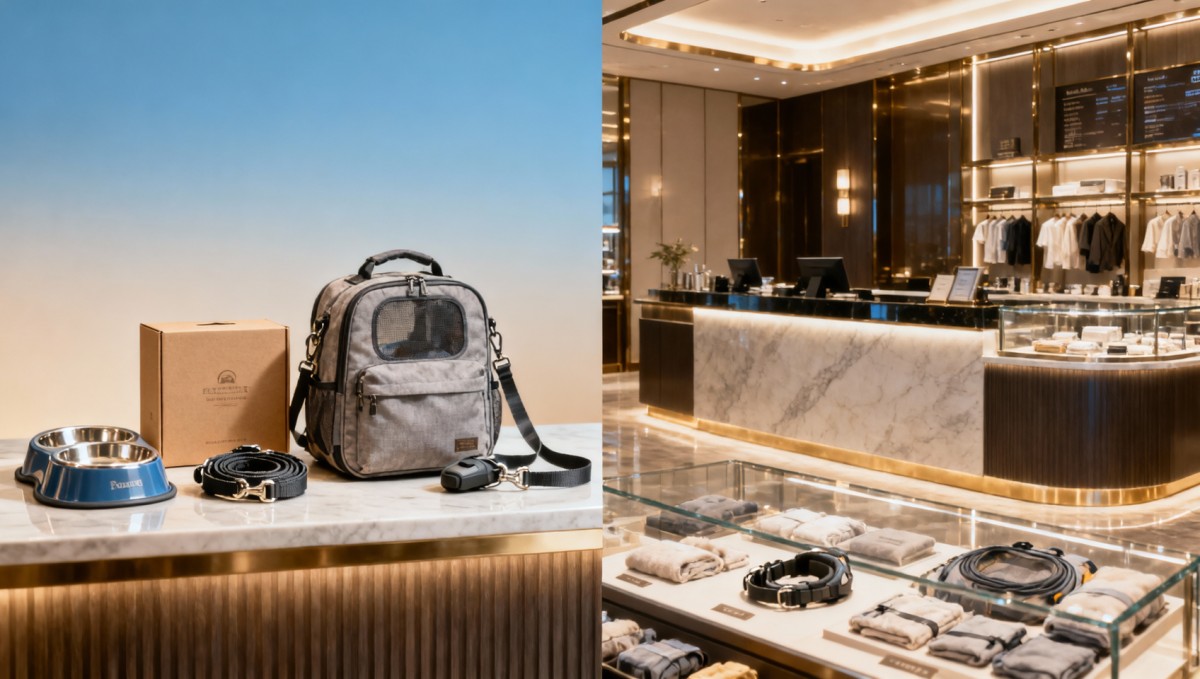
For travel service businesses, pet private label does not start with a logo or packaging concept. It starts with a use case. Hotels, resorts, pet-friendly transport operators, travel retailers, airport shops, and destination distributors all serve different buyer expectations. A collapsible travel bowl for hotel welcome kits is not evaluated the same way as a pet stroller for rental fleets or a toy line for tourist retail shelves.
This is why the first 3 steps matter: define the product category, map the service environment, and estimate the buying model. In practice, teams usually move through a 2–4 week discovery phase before requesting samples. During that phase, procurement, operations, finance, and quality teams should agree on target price range, expected reorder frequency, and whether the item is intended for direct resale, service use, or bundled guest experience.
In travel service, the pressure points are specific. Operators need products that are compact, easy to store, durable across repeated guest use, and suitable for international guest expectations. Procurement teams need OEM or ODM partners that can support low-to-mid MOQ planning, multilingual packaging, barcode readiness, and destination-based shipping. Quality and safety managers need documentation that reduces risk before product rollout across multiple locations.
Global Consumer Sourcing (GCS) helps buyers avoid a common early mistake: choosing suppliers based only on product images or quote speed. In private label, especially for pet travel accessories, the better starting point is supplier fit. That means checking whether a manufacturer understands export packaging, compliance workflows, repeat-order stability, and product adaptation for travel-facing retail and service environments.
What counts as a strong starting category?
For travel service companies, the easiest launch categories are usually those with simpler material structures and lower operational risk. Portable bowls, travel organizers, waste bag dispensers, soft carriers, calming accessories, and selected pet toys often allow faster sampling and easier packaging customization than large mechanical items. More complex categories, such as pet strollers or foldable containment systems, require deeper engineering review and stricter quality checks.
A practical rule is to split categories into 3 buckets: entry products, operational products, and premium upsell products. Entry products are fast to launch and easier to test in 1–2 destinations. Operational products are used by staff or integrated into guest services. Premium upsell products target retail margins and usually need stronger packaging, merchandising logic, and distributor support.
- Entry products: travel bowls, leashes, collapsible feeders, waste bag kits, and basic grooming accessories.
- Operational products: crate liners, pet amenity kits, in-room care sets, and transport support accessories.
- Premium upsell products: curated travel bundles, higher-end carriers, branded toys, and lifestyle accessories for tourist retail.
This categorization improves cross-team decision-making. It also helps finance approvers compare risk by launch stage rather than by unit price alone.
How to evaluate product-market fit before requesting quotes
Before collecting prices from manufacturers, buyers should validate whether the product actually fits the travel service setting. A pet private label item may look attractive online but fail in hotel housekeeping workflows, airport retail space limits, or distributor carton efficiency. Product-market fit in this sector depends on 4 practical factors: portability, safety, storage footprint, and revenue role.
For example, an in-room pet kit should be simple for staff to replenish within 3–5 minutes, while a retail item needs shelf appeal and clear labeling for international travelers. A destination gift shop may prioritize compact packaging and impulse purchase behavior. A pet-friendly resort may prioritize durability over visual complexity because products are handled repeatedly by guests and staff across a 6–12 month service cycle.
A useful approach is to score candidate items before sourcing outreach. This reduces wasted sample rounds and helps technical evaluators focus on realistic options. It also helps project managers avoid misalignment between commercial teams and site operators.
The table below shows a practical product-market fit screen for travel service procurement teams evaluating a pet private label launch.
If a product scores weakly on 2 or more dimensions, it is usually better to delay sourcing until the concept is refined. GCS supports this early filtering stage by helping teams compare categories, supplier readiness, and compliance expectations before they enter a quotation cycle.
A simple pre-quote checklist
- Confirm whether the item is for resale, guest use, or internal operations.
- Estimate launch volume as pilot, mid-scale, or multi-site rollout.
- Define 5 key checks: material safety, packing efficiency, branding area, cleaning needs, and reorder practicality.
- Prepare target markets and expected label language requirements before sample requests.
This process typically saves time during supplier communication and makes quotation comparisons more meaningful.
Which supplier capabilities matter most for pet private label sourcing?
Not every factory that makes pet products is a good private label partner for travel service brands. The difference lies in process maturity. Buyers should examine whether the supplier can support artwork adaptation, packaging consistency, test coordination, sample revision, and shipment planning. These capabilities often matter more than the initial quote, especially when the business plans to scale across regions or seasonal campaigns.
For pet private label in travel channels, supplier evaluation should cover at least 6 areas: product development support, compliance handling, packaging execution, MOQ flexibility, communication speed, and production stability. If any of these areas are weak, the project may face delays during the first 30–60 days of development.
Technical assessment teams should also look beyond brochures. Ask whether the supplier has experience with small-batch branding, carton drop considerations for transit, multilingual warning labels, and repeat production under unchanged specifications. Quality teams should request material lists, testing pathways, and product-specific risk notes before approving pilot orders.
The comparison below helps procurement teams distinguish a simple manufacturer from a launch-ready OEM or ODM partner.
In many cases, a supplier with a slightly higher unit cost can deliver lower project risk by reducing packaging errors, improving response time, and keeping documentation organized. That tradeoff is often worthwhile for distributors, operators, and decision-makers who need predictable launches rather than only the cheapest offer.
Questions buyers should ask in the first supplier meeting
Documentation and compliance
Ask what documents can be prepared before mass production, which tests are product-dependent, and how long document preparation usually takes. A realistic answer may involve 7–15 days for document assembly or sample test coordination depending on the item category and destination market.
Packaging and brand control
Ask how many artwork confirmation stages are used, who checks carton marks, and whether barcode and warning placement are reviewed before final packing. For travel retail, packaging mistakes create downstream problems quickly because shelf presentation and multilingual clarity affect both sales and risk control.
Delivery planning
Ask about standard lead time ranges for pilot orders and repeat runs. Many categories follow a common pattern of 2–4 weeks for sampling and 30–60 days for production after approval, but complex items or packaging changes may extend the schedule.
What should procurement and quality teams check on compliance and risk?
Compliance is often where promising pet private label projects slow down. In travel service channels, products may cross borders, enter retail systems, or be handled by guests of different age groups and expectations. That means buyers should confirm not only product usability, but also labeling, material declarations, packaging warnings, and any category-specific testing path that may apply in the destination market.
A quality review should start with the product structure. Soft goods, feeding items, toys, and wheeled products carry different risk profiles. Teams should define 4 control points early: material safety, physical durability, packaging integrity, and user information. If the product will be placed in hotel rooms, transport counters, or tourist retail, cleaning guidance and visible warning language also deserve attention.
GCS is especially useful here because decision-makers often need cross-functional clarity, not just a factory promise. Procurement wants timing, finance wants cost control, operations wants ease of deployment, and quality wants evidence. Structured sourcing intelligence helps these teams align before a rollout becomes expensive to reverse.
The following table outlines a practical compliance screening framework for travel service pet products.
A disciplined review process does not mean overcomplicating the launch. It means approving the right checks at the right time. For many teams, the best sequence is sample review first, document check second, packaging confirmation third, and pilot shipment approval fourth.
Common risk points that are often missed
- Assuming all pet toys or accessories follow the same documentation requirements across markets.
- Approving a sample without checking final retail packaging, carton markings, and language layout.
- Choosing low-cost materials that perform poorly in humid, high-turnover, or guest-contact environments.
- Ignoring replenishment consistency, which can cause visible differences across hotel groups or distributor orders.
These issues rarely appear in the quote sheet, but they strongly influence rollout quality and brand perception.
How to control cost, MOQ, and rollout timing without weakening the launch
Cost control in pet private label is more strategic than chasing the lowest ex-factory number. Travel service buyers should look at total launch cost across sampling, packaging, compliance handling, freight planning, and replacement risk. A product that is cheaper by a small margin can become more expensive if it causes relabeling, repacking, slow turnover, or operational inconvenience.
MOQ planning is especially important for pilot programs. Many travel operators do not need a national launch in month one. A phased approach usually works better: stage 1 sample validation, stage 2 limited rollout in 1–3 locations, stage 3 broader replenishment once sell-through or service feedback is confirmed. This reduces capital pressure for finance teams and gives operations time to adapt.
For timing, buyers should build around a realistic 4-step process rather than an idealized fast launch. The sequence is usually concept confirmation, sample development, compliance and packaging review, then production booking. Depending on category complexity, this can range from 5–10 weeks before shipment readiness. Seasonal travel programs may require even earlier planning if holiday retail or peak occupancy periods are involved.
The cost comparison below can help teams choose the right path for an initial launch.
For many buyers entering pet private label through travel service channels, semi-custom OEM is the most practical first step. It balances brand visibility, commercial flexibility, and rollout speed without creating an overly heavy development burden.
A rollout model that works for many first-time buyers
A common and manageable sequence is to launch 2–3 SKUs first, not 10 or more. This keeps supplier coordination simpler, reduces packaging complexity, and gives distributors or site teams clearer sell-through signals. Good opening combinations often include one utility item, one retail-friendly item, and one higher-perceived-value product.
This phased logic is also easier to defend internally. Procurement can compare supplier performance, finance can monitor cash use, and project leaders can make decisions based on actual reorder patterns rather than assumptions.
FAQ and next actions for decision-makers
Buyers often ask the same questions when evaluating pet private label for travel service channels. The answers below are designed for procurement teams, technical reviewers, distributors, operations managers, and executives who need an efficient decision framework.
How many SKUs should a first launch include?
For most first-stage programs, 2–5 SKUs are easier to control than a broad launch. This range is usually enough to test guest response, retail conversion, packaging performance, and supplier reliability without creating unnecessary complexity in stock planning and quality review.
What is the usual timeline from concept to production?
A practical planning window is often 5–10 weeks before shipment readiness, depending on the product type, packaging work, and whether testing or documentation review is required. Sampling may take 2–4 weeks, while production often takes 30–60 days after final confirmation.
What should procurement prioritize: price, compliance, or lead time?
The best answer is balance, but if a business is entering new markets or serving guest-facing travel channels, compliance and supplier process stability should come before chasing the lowest price. Lead time matters too, yet a fast order with weak documents or inconsistent packaging can damage rollout performance.
Which products are easier for a travel service brand to test first?
Portable and lower-complexity items usually work best: bowls, waste management accessories, basic travel kits, and selected soft goods. They are easier to store, easier to distribute across sites, and often require fewer engineering discussions than strollers or structured containment products.
Why work with GCS when building a pet private label sourcing roadmap?
Global Consumer Sourcing is designed for buyers who need more than a product list. In pet private label, especially where travel service channels are involved, decisions touch supplier screening, packaging logic, compliance review, category timing, and commercial feasibility. GCS helps brands and sourcing teams connect these moving parts before they become costly mistakes.
This matters to multiple stakeholders. Information researchers need category clarity. Operators need practical products that fit real service workflows. Technical evaluators need manufacturer capability signals. Procurement teams need comparable supplier criteria. Finance approvers need phased cost logic. Quality managers need documentation pathways. Distributors need launch-ready packaging and replenishment confidence.
If you are planning a pet private label project, GCS can support your next step with targeted guidance on category selection, OEM or ODM fit, sample planning, compliance checkpoints, lead-time expectations, and scalable sourcing strategy. That discussion can focus on 6 concrete topics: product positioning, supplier shortlist quality, packaging requirements, certification or documentation concerns, sample support, and quotation structure.
Contact us if you need help confirming product direction, comparing supplier capabilities, reviewing rollout timelines, understanding certification requirements, or building a sourcing plan that fits travel retail, hospitality, or destination distribution. A clear first conversation now can save weeks of rework later.
Related Intelligence
 Skincare OEMAug 16, 2026Amazon Enforces AI Human Metadata Rule for Beauty and Personal Care SellersAmazon now enforces AI human metadata rules for beauty sellers. Learn how to protect listings, traffic, and compliance in skincare, cosmetics, and beauty devices.
 Beauty DevicesAug 15, 2026China to Roll Out Nationwide Cross-Border Cash Pooling for MultinationalsChina to roll out nationwide cross-border cash pooling for multinationals from Sept. 14. Discover how this policy could improve treasury efficiency, liquidity management, and China-linked supply chains.
 Beauty DevicesAug 14, 2026China Imposes Temporary Export Ban on Helium, Affecting Cooling Supply ChainsChina's temporary helium export ban may disrupt cooling supply chains for beauty RF devices and laser systems. Learn what ODMs, buyers, and procurement teams should check now.
![]() Cosmetics & PkgAug 13, 2026PPWR becomes mandatory: Beauty and personal care packaging materials usher in new EPR and PFAS compliance requirementsPPWR takes effect for cosmetics packaging in the EU, bringing EPR registration and PFAS limits. Learn what brands, importers, and suppliers must do now.
Cosmetics & PkgAug 13, 2026PPWR becomes mandatory: Beauty and personal care packaging materials usher in new EPR and PFAS compliance requirementsPPWR takes effect for cosmetics packaging in the EU, bringing EPR registration and PFAS limits. Learn what brands, importers, and suppliers must do now. Cosmetics & PkgAug 12, 2026EU PPWR Now Enforced for Beauty Packaging ComplianceEU PPWR now enforced for beauty packaging compliance: learn how EPR, ERN, heavy metals and PFAS rules affect EU exports, customs clearance and platform sales.
 Cosmetics & PkgAug 11, 2026EU PPWR Rules Take Effect on Aug. 12 for Beauty PackagingEU PPWR rules for beauty packaging take effect on Aug. 12, 2026. Learn key compliance steps, EPR, labeling, PFAS limits, and how to avoid customs delays and fines.
 Smart Pet DevicesAug 10, 2026EU EPR Rules to Cover Smart Pet Devices on Aug. 15EU EPR Rules will cover smart pet devices from Aug. 15, 2026. Learn how smart collars, feeders, and monitoring devices can avoid delisting, customs delays, and compliance risks in the EU.
 Infant Feeding & CareAug 09, 2026CPSC Recalls Baby Sleep Sacks Over Undeclared TDCPPCPSC Recalls Baby Sleep Sacks Over Undeclared TDCPP: learn how this 2026 recall impacts CPC documents, third-party testing, and U.S. baby product compliance for exporters.
 Infant Feeding & CareAug 08, 2026ECHA Adds 5 SVHCs, Importer Notices Due From Oct 2026ECHA adds 5 SVHCs to the Candidate List, with importer notices due from October 2026. Learn how REACH affects exporters, supply chains, and documentation readiness.
 Baby Gear & StrollersAug 07, 2026CPSC Revises Crib Rail Standard for November 2026CPSC revises crib rail standard for November 2026, adding dynamic impact tests and mandatory third-party lab testing. Learn how the new rule affects U.S. market access, compliance, and shipments.
 Electronic & RC ToysAug 06, 2026EU to Require EN IEC 62115:2025 for Electronic ToysEU to Require EN IEC 62115:2025 for Electronic Toys from Oct 1, 2026. Learn scope, battery and AI safety updates, CE compliance risks, and how exporters can avoid customs delays.
 Baby Gear & StrollersAug 05, 2026US Stroller Stability Rule Takes Effect Aug. 15US Stroller Stability Rule Takes Effect Aug. 15: learn how new U.S. stroller compliance, ASTM F833-26a, and CPSC testing rules may affect imports, certification, and shipment readiness.
 Infant Feeding & CareAug 04, 2026ECHA Adds 5 SVHCs, Triggering Baby Care Export ReviewECHA adds 5 SVHCs, prompting an urgent baby care export review for EU-bound products. Learn the 0.1% threshold risks, compliance steps, and how to avoid customs delays and fines.












