Pet Retail Research: 2026 Demand Shifts and Margin Signals
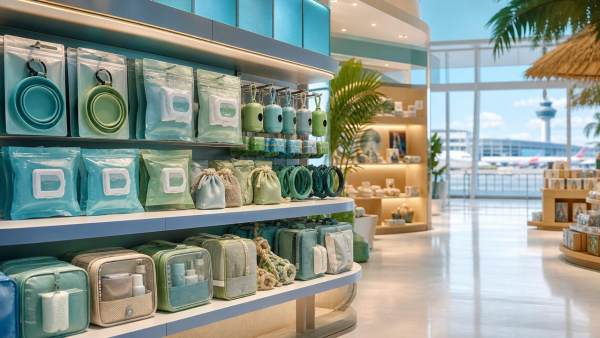
Pet retail research is becoming a more practical tool for reading the 2026 market, especially as demand patterns grow less predictable and margin pressure travels across categories, channels, and regions. In travel service environments, where customer experience, retail convenience, and seasonal spending intersect, these signals matter because pet-related products are no longer limited to traditional pet stores. They now influence airport retail, resort gift shops, destination convenience formats, and cross-border travel commerce linked to pet-friendly lifestyles.
That shift makes the topic relevant beyond merchandising alone. It affects sourcing, inventory planning, compliance, packaging, and route-to-market decisions. For platforms such as Global Consumer Sourcing, which tracks supply chain resilience and consumer category movement, pet retail research helps connect market demand with practical decisions about suppliers, private-label development, and risk control.
Why 2026 looks sharper than previous cycles
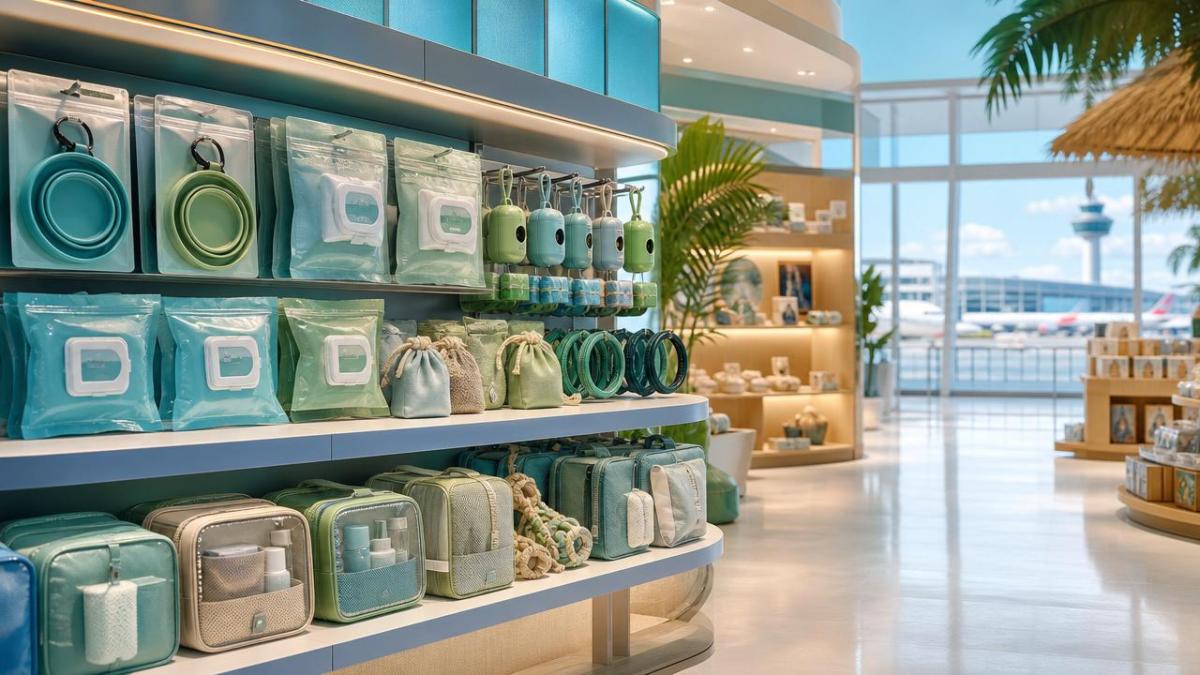
The pet economy is not slowing in a simple way. Instead, it is fragmenting. Some segments are still expanding, while others are facing trading-down behavior, slower repeat purchase rates, and narrower pricing power.
This is why pet retail research now focuses less on broad optimism and more on demand quality. Revenue growth alone is no longer enough. The stronger question is whether that growth still carries acceptable margin after logistics, certification, promotion, and returns are included.
In travel service settings, this matters even more. Retail space is limited, foot traffic is variable, and product turns must justify placement. A pet travel accessory with high impulse appeal may outperform a wider but slower assortment.
What pet retail research really measures now
At its best, pet retail research is not just about product popularity. It tracks the relationship between demand, price realization, channel fit, compliance burden, and supplier responsiveness.
That wider lens is useful because pet demand has become more occasion-based. Everyday staples still matter, but growth is increasingly tied to mobility, convenience, wellness positioning, gifting, and travel-linked use cases.
Core signals worth watching
- Mix shift from bulk replenishment to portable, premium, or occasion-led products.
- Rising sensitivity to packaging efficiency and freight density.
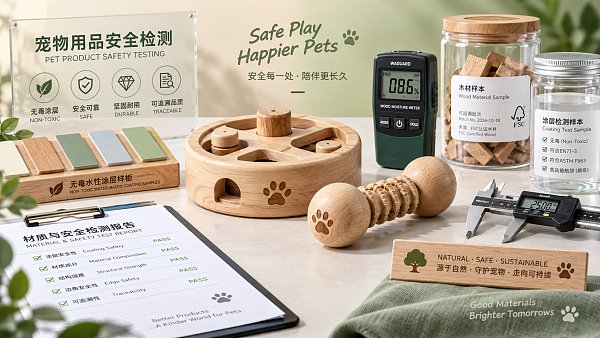
- Higher scrutiny around FDA, CE, CPC, and material safety where relevant.
- Channel differences between e-commerce, specialty retail, and travel retail.
- Margin erosion caused by discounting, fragmented forecasting, and slow supplier response.
These factors explain why a fast-selling item can still underperform financially. Pet retail research helps separate visible demand from profitable demand.
Where travel service creates new pet retail opportunities
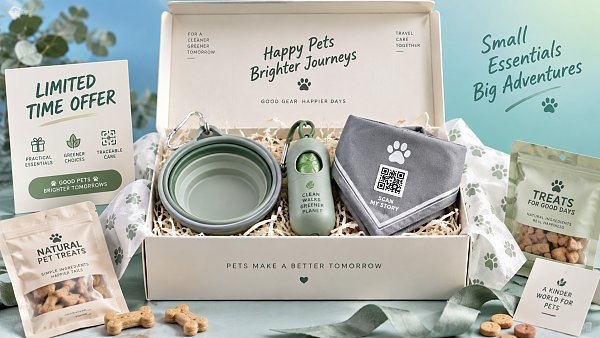
Travel service has become an interesting edge market for the pet category. Pet owners are traveling more often with animals, booking pet-friendly stays, and expecting convenience purchases on the move.
That behavior opens several commercial formats. Not every product fits, but specific travel-adjacent lines are gaining relevance because they solve immediate problems in compact, easy-to-carry formats.
From an operating perspective, pet retail research helps determine which of these formats can support repeat demand and which depend too heavily on novelty.
Demand shifts are changing category priorities
One of the clearest findings in recent pet retail research is that shoppers are becoming selective, not uniformly frugal. They will still pay for products that signal safety, convenience, portability, or emotional value.
That creates a more uneven market. Premium demand may hold in one subcategory while another becomes promotion-driven. As a result, line planning needs more category-level discipline.
Segments gaining attention
- Travel-friendly accessories with compact packaging.
- Health and hygiene products with clear compliance credentials.
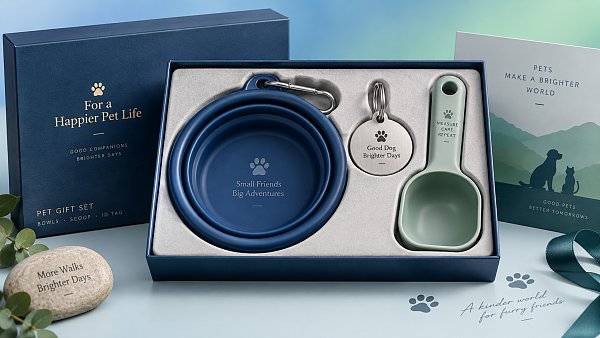
- Giftable pet items suited to resort, destination, and seasonal retail.
- Private-label basics where sourcing efficiency can protect margin.
More vulnerable lines tend to be bulky, easy to substitute, or expensive to ship relative to perceived value. That is especially relevant for travel service channels, where display economics are unforgiving.
Margin signals need a supply chain reading, not a sales reading
A common mistake is to read margin pressure only through consumer pricing. In reality, the signal often starts earlier, inside the supply chain. Material inflation, minimum order constraints, compliance testing, and packaging redesign can quietly change unit economics.
This is where Global Consumer Sourcing adds context. Its supply-side intelligence model is useful because the pet category increasingly depends on agile OEM and ODM relationships, credible certification pathways, and flexible production runs.
For companies balancing destination retail, online demand, and regional distribution, pet retail research becomes stronger when paired with sourcing data. The question is not only what buyers want, but whether the supply base can deliver it profitably and consistently.
Useful margin checks for 2026 planning
- Compare retail velocity with landed cost changes over the last two buying cycles.
- Review which SKUs depend on promotional support to maintain movement.
- Assess packaging size against freight cost and travel retail shelf efficiency.
- Map compliance requirements early for each destination market.
- Test whether private-label alternatives can defend margin without lowering trust.
How to apply pet retail research in real planning cycles
Pet retail research is most valuable when it informs specific business decisions rather than broad category commentary. That means connecting market insight to assortment, sourcing, pricing architecture, and replenishment logic.
In travel service channels, planning often works better when products are grouped by mission instead of traditional category labels. A pet hydration solution, for example, may sit closer to travel convenience than to standard pet care.
That kind of framing improves merchandising and forecasting. It also reduces the risk of carrying lines that look relevant on paper but lack situational demand.
What deserves closer attention next
The next phase of pet retail research will likely focus on fewer, sharper indicators. Portable format growth, certification-led trust, and supply flexibility are becoming stronger predictors of durable performance than category size alone.
For brands and sourcing teams linked to travel service, the practical opportunity lies in reading pet demand through real usage moments. Not every pet item belongs in a travel retail setting, but the right products can deliver both convenience value and healthier margin.
A sensible next step is to review current pet assortments against three filters: travel relevance, margin resilience, and supply reliability. Pet retail research becomes far more useful when those filters are applied before line expansion, not after performance weakens.
From there, it is worth tracking supplier adaptability, certification readiness, and private-label potential through a platform such as Global Consumer Sourcing. That approach creates a clearer basis for 2026 decisions than relying on headline demand alone.
Related Intelligence
 Cosmetics & PkgOct 20, 2026Beauty Tops Amazon’s 2026 Prime Big Deal Days Shopping CategoriesBeauty tops Amazon’s 2026 Prime Big Deal Days at 32% of shoppers, according to Market Defense. Explore what the findings could mean for product selection, inventory and promotional planning.
 Baby Gear & StrollersOct 14, 2026Are Baby Carrier Buckle Failures a Common Reason for Returns?Are baby carrier buckle failures a common return issue? Explore defects, usability complaints, and safety checks to make informed sourcing decisions before your next order.
 Baby Gear & StrollersOct 14, 2026How Do You Compare Baby Carrier Suppliers on Safety and Cost?How do I compare baby carrier suppliers on safety and cost? Learn to verify safety evidence, assess factory controls, and compare total landed costs to make a confident sourcing decision.
 STEM & Educational ToysSep 20, 2026How Do I Verify Age Grading for Educational Toys?How do I verify educational toy age grading? Learn how to assess safety risks, test reports, packaging, and market compliance before buying or selling.
 Corporate & Seasonal GiftsSep 20, 2026Are Promotional Items Worth Ordering for Short Campaigns?Are promotional items worth ordering for short campaigns? Learn how pet brands can choose useful, compliant giveaways that drive measurable engagement, sales, and loyalty.
 STEM & Educational ToysSep 20, 2026What Safety Checks Should Wooden Toy Suppliers Pass?What safety checks should wooden toy suppliers pass? Explore essential compliance, material traceability, chemical testing, and quality controls to source safer toys with confidence.
 Infant Feeding & CareSep 20, 2026Which Teething Toy Materials Are Easiest to Clean?Which teething toy materials are easiest to clean? Discover why silicone and natural rubber lead for hygienic, easy-care pet chew toys.
 Infant Feeding & CareSep 20, 2026How Can Retailers Prevent Mold Complaints About Bath Toys?How can retailers prevent mold complaints about bath toys? Explore drainable designs, supplier controls, testing, and care guidance to reduce moisture risks.
 Camping & WaterSep 20, 2026Which Folding Chair Fabrics Last Longest Outdoors?Which folding chair fabrics last longest outdoors? Compare acrylic, PVC-coated polyester, UV-stabilized polyester, and mesh for durable, pet-friendly outdoor seating.
 Camping & WaterSep 20, 2026Are Folding Camping Chairs Tested for Weight Capacity?Are folding camping chairs tested for weight capacity? Learn what credible load testing, safety margins, and supplier documentation mean for confident outdoor product sourcing.
 Corporate & Seasonal GiftsSep 20, 2026How Can Corporate Gift Buyers Avoid Missing Event Deadlines?How do corporate gift buyers avoid missed event deadlines? Discover proven sourcing, customization, compliance, and shipping strategies for pet-themed corporate gifts.
 Corporate & Seasonal GiftsSep 20, 2026What Should Be Approved Before Placing a Custom Gift Order?What should be approved before placing a custom gift order? Explore the essential checks for safe, compliant, retail-ready custom pet gifts.
 Corporate & Seasonal GiftsSep 20, 2026Which Custom Gift Materials Have the Lowest Defect Rates?Which custom gift materials have the lowest defect rate? Explore why silicone, stainless steel, polypropylene, and polyester help pet gift brands reduce rejects and improve quality.