
Global Lithium Battery Price Index Rises 11% MoM in May
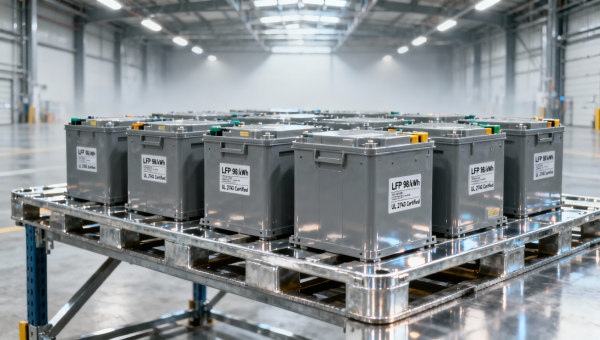
On May 24, 2026, Benchmark Mineral Intelligence reported a 11% month-on-month increase in the global lithium-ion battery (predominantly LFP) spot price index, reaching $98/kWh — the highest level since Q4 2025. This surge is exerting immediate cost and scheduling pressure on downstream consumer electronics segments reliant on compact, high-cycle lithium cells, particularly portable power solutions and smart pet hardware serving seasonal retail demand in North America and Europe.
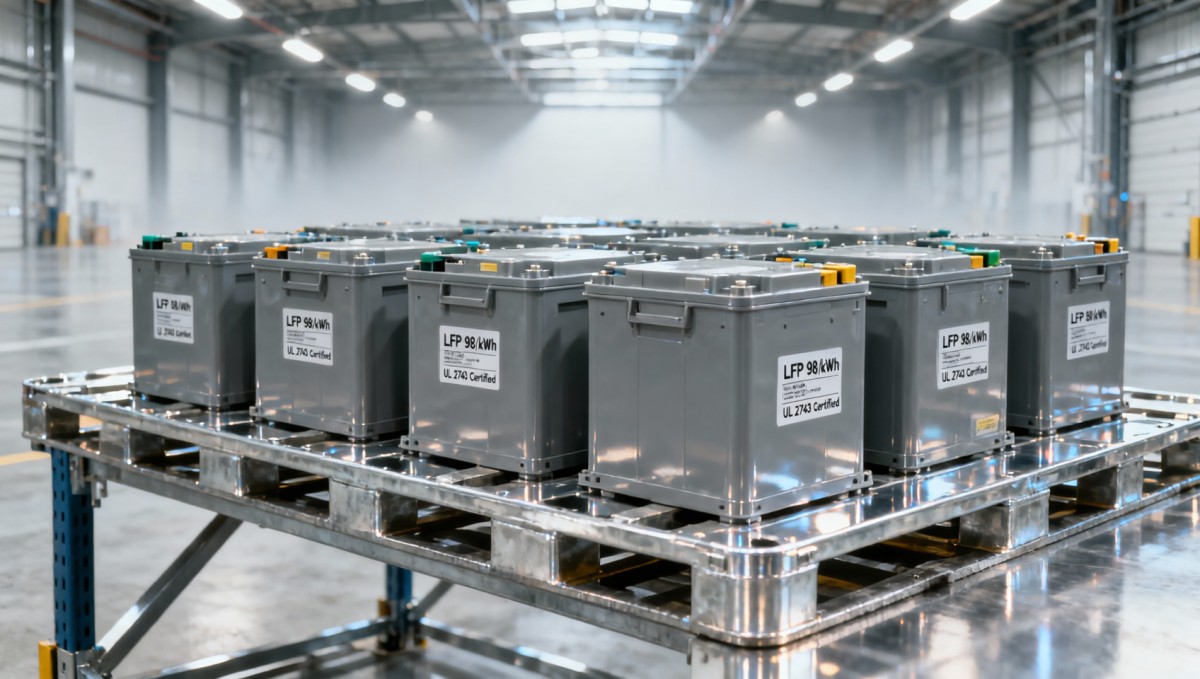
Event Overview
According to Benchmark Mineral Intelligence’s data released on May 24, 2026, the global average spot price for lithium-ion batteries (LFP chemistry dominant) stood at $98/kWh, up 11% from April 2026. Lead times for standard LFP battery modules used in portable applications have extended to 10–12 weeks. The price rise is attributed to tightening supply of refined lithium carbonate amid constrained spodumene concentrate availability and elevated energy costs in key cathode material production hubs.
Impact on Key Industry Segments
Direct trading enterprises: Firms specializing in cross-border battery module distribution face margin compression due to inability to fully pass through rapid price increases within existing contractual terms. Spot-to-contract pricing gaps have widened, increasing hedging complexity and working capital requirements.
Raw material procurement enterprises: Buyers sourcing lithium cells or pack-level assemblies for end products report reduced negotiation leverage, especially with Tier-2 Asian OEMs now enforcing stricter advance payment terms and shorter order windows. Inventory planning has shifted from just-in-time to safety-stock-driven models, raising carrying costs.
Contract manufacturing enterprises: EMS/ODM providers serving camping power and smart pet device brands are experiencing higher component cost variance, complicating bill-of-material (BOM) validation cycles. Requalification of alternative cell suppliers — often requiring new UL/CE certifications — adds 6–8 weeks to redesign timelines.
Supply chain service enterprises: Third-party logistics and customs brokerage firms report increased client requests for air-freight prioritization and bonded warehouse staging to mitigate lead-time risk. However, capacity constraints at major transatlantic air cargo hubs have limited scalability of such mitigation measures.
Key Focus Areas and Recommended Actions
Review and renegotiate long-term cell supply agreements
Parties with open contracts expiring before Q4 2026 should initiate clause reviews — especially those lacking index-linked pricing mechanisms or force majeure provisions covering raw material volatility. Benchmark’s data suggests further upside risk remains through mid-2026.
Accelerate dual-sourcing qualification for LFP modules
Given 10–12 week lead times, engineering teams should prioritize qualification of at least one alternate LFP module supplier meeting identical safety, cycle life, and dimensional specs — with emphasis on certification portability (e.g., UL 2743 compliance valid across both vendors).
Adjust summer 2026 retail launch calendars
Brands targeting July–August shelf placement in U.S. and EU markets must reassess go-to-market timing. Delayed battery allocation may necessitate phased regional rollouts or promotional bundling to absorb margin pressure without compromising shelf presence.
Editorial Perspective / Industry Observation
Analysis shows this price spike reflects structural tightening rather than transient speculation: lithium carbonate inventories at Chinese ports have declined 23% YoY (per SMM China, May 2026), while LFP cathode production capacity utilization exceeds 92%. Observably, the impact is asymmetric — premium-tier portable power brands with strong brand pricing power are absorbing ~60% of the increase, whereas white-label smart pet device OEMs are seeing gross margins compress by 8–12 percentage points. From an industry perspective, this reinforces how vertically fragmented value chains amplify exposure to upstream commodity shocks — especially where battery integration occurs late in product development cycles.
Conclusion
This episode underscores that lithium battery pricing is no longer a pure input-cost variable but a strategic constraint shaping product architecture, geographic rollout sequencing, and channel partnership models. A sustained $95+/kWh floor would likely accelerate design-for-recyclability initiatives and rekindle interest in sodium-ion alternatives for non-performance-critical applications — though commercial readiness remains limited before 2027.
Source Attribution
Data sourced from Benchmark Mineral Intelligence’s Lithium Battery Price Assessment Report, published May 24, 2026. Additional context drawn from SMM China’s monthly lithium inventory bulletin (May 2026 edition) and UL Solutions’ 2026 Q2 Battery Certification Trend Summary. Ongoing monitoring recommended for: (1) Indonesian nickel-lithium integrated project ramp timelines; (2) EU Battery Regulation Annex II conformity enforcement updates; (3) U.S. Inflation Reduction Act battery component sourcing thresholds post-2026 review.
Related Intelligence
 Skincare OEMAug 16, 2026Amazon Enforces AI Human Metadata Rule for Beauty and Personal Care SellersAmazon now enforces AI human metadata rules for beauty sellers. Learn how to protect listings, traffic, and compliance in skincare, cosmetics, and beauty devices.
 Beauty DevicesAug 15, 2026China to Roll Out Nationwide Cross-Border Cash Pooling for MultinationalsChina to roll out nationwide cross-border cash pooling for multinationals from Sept. 14. Discover how this policy could improve treasury efficiency, liquidity management, and China-linked supply chains.
 Beauty DevicesAug 14, 2026China Imposes Temporary Export Ban on Helium, Affecting Cooling Supply ChainsChina's temporary helium export ban may disrupt cooling supply chains for beauty RF devices and laser systems. Learn what ODMs, buyers, and procurement teams should check now.
![]() Cosmetics & PkgAug 13, 2026PPWR becomes mandatory: Beauty and personal care packaging materials usher in new EPR and PFAS compliance requirementsPPWR takes effect for cosmetics packaging in the EU, bringing EPR registration and PFAS limits. Learn what brands, importers, and suppliers must do now.
Cosmetics & PkgAug 13, 2026PPWR becomes mandatory: Beauty and personal care packaging materials usher in new EPR and PFAS compliance requirementsPPWR takes effect for cosmetics packaging in the EU, bringing EPR registration and PFAS limits. Learn what brands, importers, and suppliers must do now. Cosmetics & PkgAug 12, 2026EU PPWR Now Enforced for Beauty Packaging ComplianceEU PPWR now enforced for beauty packaging compliance: learn how EPR, ERN, heavy metals and PFAS rules affect EU exports, customs clearance and platform sales.
 Cosmetics & PkgAug 11, 2026EU PPWR Rules Take Effect on Aug. 12 for Beauty PackagingEU PPWR rules for beauty packaging take effect on Aug. 12, 2026. Learn key compliance steps, EPR, labeling, PFAS limits, and how to avoid customs delays and fines.
 Smart Pet DevicesAug 10, 2026EU EPR Rules to Cover Smart Pet Devices on Aug. 15EU EPR Rules will cover smart pet devices from Aug. 15, 2026. Learn how smart collars, feeders, and monitoring devices can avoid delisting, customs delays, and compliance risks in the EU.
 Infant Feeding & CareAug 09, 2026CPSC Recalls Baby Sleep Sacks Over Undeclared TDCPPCPSC Recalls Baby Sleep Sacks Over Undeclared TDCPP: learn how this 2026 recall impacts CPC documents, third-party testing, and U.S. baby product compliance for exporters.
 Infant Feeding & CareAug 08, 2026ECHA Adds 5 SVHCs, Importer Notices Due From Oct 2026ECHA adds 5 SVHCs to the Candidate List, with importer notices due from October 2026. Learn how REACH affects exporters, supply chains, and documentation readiness.
 Baby Gear & StrollersAug 07, 2026CPSC Revises Crib Rail Standard for November 2026CPSC revises crib rail standard for November 2026, adding dynamic impact tests and mandatory third-party lab testing. Learn how the new rule affects U.S. market access, compliance, and shipments.
 Electronic & RC ToysAug 06, 2026EU to Require EN IEC 62115:2025 for Electronic ToysEU to Require EN IEC 62115:2025 for Electronic Toys from Oct 1, 2026. Learn scope, battery and AI safety updates, CE compliance risks, and how exporters can avoid customs delays.
 Baby Gear & StrollersAug 05, 2026US Stroller Stability Rule Takes Effect Aug. 15US Stroller Stability Rule Takes Effect Aug. 15: learn how new U.S. stroller compliance, ASTM F833-26a, and CPSC testing rules may affect imports, certification, and shipment readiness.
 Infant Feeding & CareAug 04, 2026ECHA Adds 5 SVHCs, Triggering Baby Care Export ReviewECHA adds 5 SVHCs, prompting an urgent baby care export review for EU-bound products. Learn the 0.1% threshold risks, compliance steps, and how to avoid customs delays and fines.












