
Southeast Asia E-commerce Data Shows 42% Surge in Portable Yoga Mats and Foldable Fitness Chairs Export Orders, Chinese Camping & Water Factories Shift to Lightweight Eco-Friendly Materials
Introduction
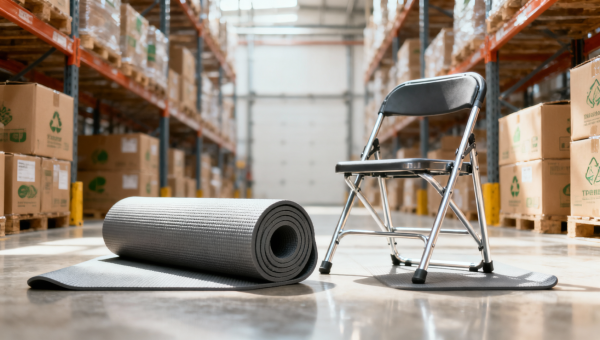
Recent sales data from Lazada and Shopee (as of March 28) reveals a 42% month-on-month growth in orders for portable yoga mats (TPU material) and foldable fitness chairs (aluminum alloy + recycled polyester) in Singapore, Malaysia, and Thailand, with return rates below 3%. This surge has prompted factories in Guangdong and Zhejiang, originally specializing in camping gear, to adapt production lines for GRS-certified recycled materials. This trend highlights opportunities for overseas distributors to secure green premium orders and stable supply resources, making it a critical development for manufacturers, suppliers, and traders in the fitness and outdoor equipment sectors.
Event Overview
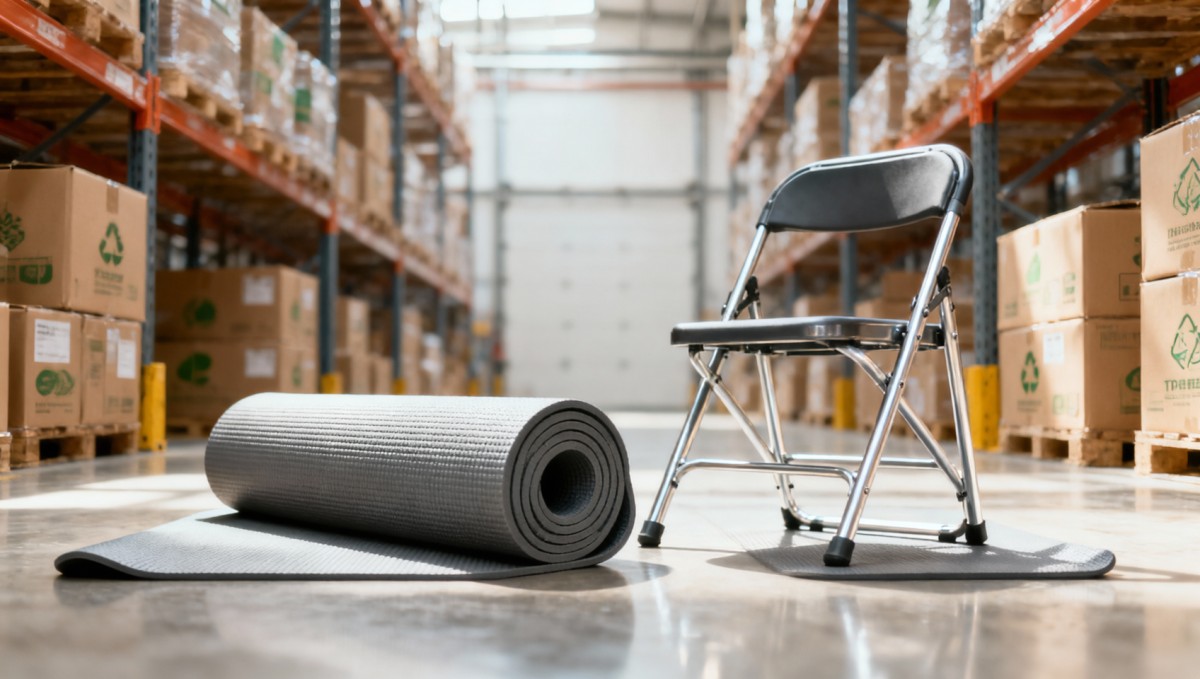
According to verified data from Lazada and Shopee platforms, portable yoga mats and foldable fitness chairs saw a significant 42% increase in export orders to Southeast Asian markets in March. The products, made from lightweight and eco-friendly materials (TPU for yoga mats, aluminum alloy and recycled polyester for chairs), also demonstrated low return rates (under 3%). In response, Chinese factories previously focused on camping and water sports equipment have begun transitioning production to meet demand for sustainable fitness gear.
Impact on Sub-Sectors
1. Direct Trade Enterprises
Exporters and cross-border e-commerce sellers specializing in fitness and outdoor products should note the rising demand for portable, eco-friendly fitness equipment in Southeast Asia. The low return rates suggest strong product acceptance, making these items viable for long-term inventory planning.
2. Raw Material Suppliers
Suppliers of TPU, recycled polyester, and lightweight aluminum alloys may experience increased orders. Factories prioritizing GRS-certified materials indicate a shift toward sustainable sourcing, which could influence procurement strategies.
3. Manufacturing & OEM Factories
Factories with flexible production lines, particularly those in Guangdong and Zhejiang, can capitalize on this trend by adjusting capacity to accommodate lightweight fitness gear. The shift also underscores the importance of certifications (e.g., GRS) to meet buyer preferences.
4. Logistics & Supply Chain Services
With stable demand and low return rates, logistics providers can expect consistent shipment volumes for these products. Warehousing and fulfillment services may need to adapt to handle lightweight, foldable fitness equipment efficiently.
Key Focus Areas & Recommended Actions
1. Prioritize Sustainable Material Sourcing
Businesses should verify supplier certifications (e.g., GRS) and explore partnerships with factories already transitioning to eco-friendly production. This ensures alignment with market demand and reduces compliance risks.
2. Monitor Southeast Asian Market Trends
Given the spike in orders, distributors should track category performance on Lazada, Shopee, and other regional platforms to identify emerging opportunities or seasonal fluctuations.
3. Optimize Inventory for Lightweight Products
With factories shifting production, retailers and wholesalers should secure inventory early to avoid shortages, especially for high-demand items like foldable fitness chairs.
4. Leverage Green Premium Pricing
Brands and sellers can emphasize eco-friendly materials in marketing to justify higher margins, as the data suggests consumers are willing to pay a premium for sustainable fitness products.
Editor’s Perspective / Industry Observation
From an industry standpoint, this surge reflects broader trends in health-conscious consumption and sustainability preferences in Southeast Asia. The rapid factory adaptation suggests Chinese manufacturers are responsive to market shifts, but the long-term viability of this trend depends on sustained demand. Businesses should treat this as a signal to evaluate their product mix and supply chain flexibility rather than an isolated opportunity.
Conclusion
The March sales data highlights a growing niche for portable, eco-friendly fitness equipment in Southeast Asia, driven by consumer demand for convenience and sustainability. For industry players, this represents a short-term opportunity to align with market trends and a long-term indicator of shifting preferences in the fitness and outdoor sectors. Companies should approach this development strategically, balancing immediate action with ongoing market analysis.
Source Information
Primary data sourced from Lazada and Shopee platform sales reports (March 2024, up to March 28). Factory adaptation details based on verified industry feedback from Guangdong and Zhejiang manufacturing hubs. Continued monitoring of April–May sales data is recommended to confirm trend sustainability.
Related Intelligence
 Skincare OEMAug 16, 2026Amazon Enforces AI Human Metadata Rule for Beauty and Personal Care SellersAmazon now enforces AI human metadata rules for beauty sellers. Learn how to protect listings, traffic, and compliance in skincare, cosmetics, and beauty devices.
 Beauty DevicesAug 15, 2026China to Roll Out Nationwide Cross-Border Cash Pooling for MultinationalsChina to roll out nationwide cross-border cash pooling for multinationals from Sept. 14. Discover how this policy could improve treasury efficiency, liquidity management, and China-linked supply chains.
 Beauty DevicesAug 14, 2026China Imposes Temporary Export Ban on Helium, Affecting Cooling Supply ChainsChina's temporary helium export ban may disrupt cooling supply chains for beauty RF devices and laser systems. Learn what ODMs, buyers, and procurement teams should check now.
![]() Cosmetics & PkgAug 13, 2026PPWR becomes mandatory: Beauty and personal care packaging materials usher in new EPR and PFAS compliance requirementsPPWR takes effect for cosmetics packaging in the EU, bringing EPR registration and PFAS limits. Learn what brands, importers, and suppliers must do now.
Cosmetics & PkgAug 13, 2026PPWR becomes mandatory: Beauty and personal care packaging materials usher in new EPR and PFAS compliance requirementsPPWR takes effect for cosmetics packaging in the EU, bringing EPR registration and PFAS limits. Learn what brands, importers, and suppliers must do now. Cosmetics & PkgAug 12, 2026EU PPWR Now Enforced for Beauty Packaging ComplianceEU PPWR now enforced for beauty packaging compliance: learn how EPR, ERN, heavy metals and PFAS rules affect EU exports, customs clearance and platform sales.
 Cosmetics & PkgAug 11, 2026EU PPWR Rules Take Effect on Aug. 12 for Beauty PackagingEU PPWR rules for beauty packaging take effect on Aug. 12, 2026. Learn key compliance steps, EPR, labeling, PFAS limits, and how to avoid customs delays and fines.
 Smart Pet DevicesAug 10, 2026EU EPR Rules to Cover Smart Pet Devices on Aug. 15EU EPR Rules will cover smart pet devices from Aug. 15, 2026. Learn how smart collars, feeders, and monitoring devices can avoid delisting, customs delays, and compliance risks in the EU.
 Infant Feeding & CareAug 09, 2026CPSC Recalls Baby Sleep Sacks Over Undeclared TDCPPCPSC Recalls Baby Sleep Sacks Over Undeclared TDCPP: learn how this 2026 recall impacts CPC documents, third-party testing, and U.S. baby product compliance for exporters.
 Infant Feeding & CareAug 08, 2026ECHA Adds 5 SVHCs, Importer Notices Due From Oct 2026ECHA adds 5 SVHCs to the Candidate List, with importer notices due from October 2026. Learn how REACH affects exporters, supply chains, and documentation readiness.
 Baby Gear & StrollersAug 07, 2026CPSC Revises Crib Rail Standard for November 2026CPSC revises crib rail standard for November 2026, adding dynamic impact tests and mandatory third-party lab testing. Learn how the new rule affects U.S. market access, compliance, and shipments.
 Electronic & RC ToysAug 06, 2026EU to Require EN IEC 62115:2025 for Electronic ToysEU to Require EN IEC 62115:2025 for Electronic Toys from Oct 1, 2026. Learn scope, battery and AI safety updates, CE compliance risks, and how exporters can avoid customs delays.
 Baby Gear & StrollersAug 05, 2026US Stroller Stability Rule Takes Effect Aug. 15US Stroller Stability Rule Takes Effect Aug. 15: learn how new U.S. stroller compliance, ASTM F833-26a, and CPSC testing rules may affect imports, certification, and shipment readiness.
 Infant Feeding & CareAug 04, 2026ECHA Adds 5 SVHCs, Triggering Baby Care Export ReviewECHA adds 5 SVHCs, prompting an urgent baby care export review for EU-bound products. Learn the 0.1% threshold risks, compliance steps, and how to avoid customs delays and fines.












