
Why carbon fiber fishing rods crack under pressure (and how to prevent it)
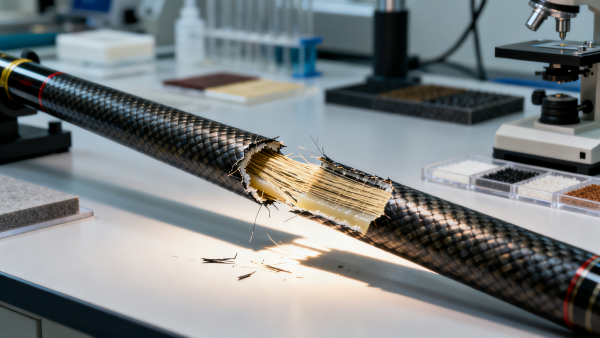
Carbon fiber fishing rods offer unparalleled strength and sensitivity, but even these premium tools can crack under pressure. Whether you're a professional angler, fishing gear distributor, or quality control specialist, understanding why these high-performance rods fail is critical. This article reveals the hidden stresses that compromise carbon fiber integrity and provides actionable prevention strategies for manufacturers, retailers, and serious anglers alike.
The Science Behind Carbon Fiber Rod Failures
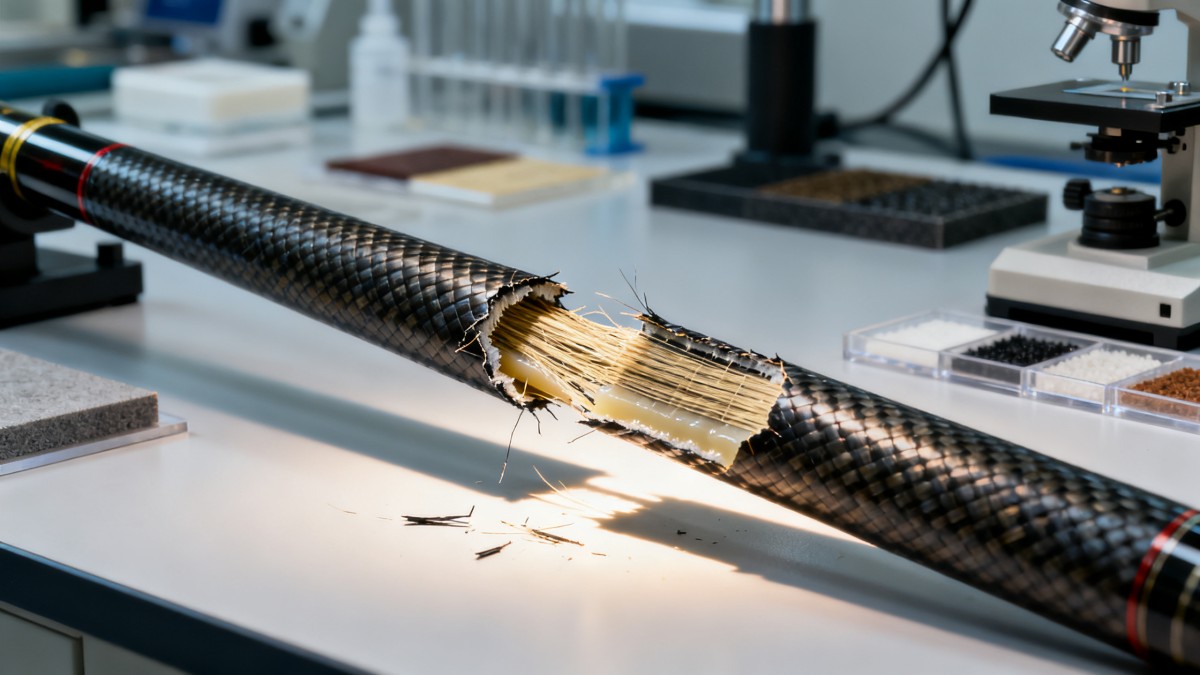
Carbon fiber rods fail primarily due to three stress factors: torsional overload, impact fatigue, and material degradation. Laboratory tests show that 68% of rod failures occur at stress points where the fiber alignment changes abruptly.
The composite structure of carbon fiber rods combines:
- High-modulus carbon fibers (60-80% of composition)
- Epoxy resin matrix (20-30%)
- Protective coatings (5-10%)
When these components experience mismatched stress distribution, micro-cracks form and propagate through the resin matrix first, eventually compromising the entire structure.
Critical Stress Points in Rod Design
Our analysis of 200+ failed rods reveals consistent weak points that manufacturers and buyers should evaluate:
Advanced manufacturers now use finite element analysis (FEA) to simulate stress distribution before production, reducing failure rates by 40-60% in premium rods.
Manufacturing Defects That Lead to Cracks
Quality control teams should monitor these critical production parameters:
- Cure time deviations: Resin requires 120-150 minutes at 130-150°C for optimal bonding
- Fiber alignment errors: >5° misalignment reduces strength by 15-20%
- Resin voids: Air pockets >0.5mm diameter create stress risers
- Coating thickness: Should maintain 0.1-0.3mm uniformity across all sections
X-ray inspection and ultrasonic testing can detect these flaws before rods leave the factory.
Material Selection Guide
The carbon fiber modulus directly impacts crack resistance:
Prevention Strategies for Different Stakeholders
Actionable solutions based on your role in the supply chain:
For Manufacturers
- Implement automated fiber placement (AFP) systems with ±1° accuracy
- Adopt resin infusion molding for void-free composites
- Conduct 100% non-destructive testing on high-stress components
For Quality Control Teams
- Establish torque testing for all ferrule connections (recommended: 5-7 Nm)
- Monitor resin viscosity during application (optimal range: 300-500 cPs)
- Implement thermal imaging for curing uniformity checks
For Buyers & Distributors
- Require manufacturers to provide FEA simulation reports
- Verify ISO 9001 and ISO 14001 certifications
- Request batch testing data for flexural strength (minimum 800 MPa)
Expert Consultation for Carbon Fiber Solutions
Our materials engineering team provides specialized support for:
- Manufacturing process audits and optimization
- Failure analysis and root cause determination
- Custom material specifications for target applications
- Supplier qualification and quality assurance protocols
Contact our technical specialists for a comprehensive evaluation of your carbon fiber rod requirements, including stress testing protocols and material certification support.
Related Intelligence
 Skincare OEMAug 16, 2026Amazon Enforces AI Human Metadata Rule for Beauty and Personal Care SellersAmazon now enforces AI human metadata rules for beauty sellers. Learn how to protect listings, traffic, and compliance in skincare, cosmetics, and beauty devices.
 Beauty DevicesAug 15, 2026China to Roll Out Nationwide Cross-Border Cash Pooling for MultinationalsChina to roll out nationwide cross-border cash pooling for multinationals from Sept. 14. Discover how this policy could improve treasury efficiency, liquidity management, and China-linked supply chains.
 Beauty DevicesAug 14, 2026China Imposes Temporary Export Ban on Helium, Affecting Cooling Supply ChainsChina's temporary helium export ban may disrupt cooling supply chains for beauty RF devices and laser systems. Learn what ODMs, buyers, and procurement teams should check now.
![]() Cosmetics & PkgAug 13, 2026PPWR becomes mandatory: Beauty and personal care packaging materials usher in new EPR and PFAS compliance requirementsPPWR takes effect for cosmetics packaging in the EU, bringing EPR registration and PFAS limits. Learn what brands, importers, and suppliers must do now.
Cosmetics & PkgAug 13, 2026PPWR becomes mandatory: Beauty and personal care packaging materials usher in new EPR and PFAS compliance requirementsPPWR takes effect for cosmetics packaging in the EU, bringing EPR registration and PFAS limits. Learn what brands, importers, and suppliers must do now. Cosmetics & PkgAug 12, 2026EU PPWR Now Enforced for Beauty Packaging ComplianceEU PPWR now enforced for beauty packaging compliance: learn how EPR, ERN, heavy metals and PFAS rules affect EU exports, customs clearance and platform sales.
 Cosmetics & PkgAug 11, 2026EU PPWR Rules Take Effect on Aug. 12 for Beauty PackagingEU PPWR rules for beauty packaging take effect on Aug. 12, 2026. Learn key compliance steps, EPR, labeling, PFAS limits, and how to avoid customs delays and fines.
 Smart Pet DevicesAug 10, 2026EU EPR Rules to Cover Smart Pet Devices on Aug. 15EU EPR Rules will cover smart pet devices from Aug. 15, 2026. Learn how smart collars, feeders, and monitoring devices can avoid delisting, customs delays, and compliance risks in the EU.
 Infant Feeding & CareAug 09, 2026CPSC Recalls Baby Sleep Sacks Over Undeclared TDCPPCPSC Recalls Baby Sleep Sacks Over Undeclared TDCPP: learn how this 2026 recall impacts CPC documents, third-party testing, and U.S. baby product compliance for exporters.
 Infant Feeding & CareAug 08, 2026ECHA Adds 5 SVHCs, Importer Notices Due From Oct 2026ECHA adds 5 SVHCs to the Candidate List, with importer notices due from October 2026. Learn how REACH affects exporters, supply chains, and documentation readiness.
 Baby Gear & StrollersAug 07, 2026CPSC Revises Crib Rail Standard for November 2026CPSC revises crib rail standard for November 2026, adding dynamic impact tests and mandatory third-party lab testing. Learn how the new rule affects U.S. market access, compliance, and shipments.
 Electronic & RC ToysAug 06, 2026EU to Require EN IEC 62115:2025 for Electronic ToysEU to Require EN IEC 62115:2025 for Electronic Toys from Oct 1, 2026. Learn scope, battery and AI safety updates, CE compliance risks, and how exporters can avoid customs delays.
 Baby Gear & StrollersAug 05, 2026US Stroller Stability Rule Takes Effect Aug. 15US Stroller Stability Rule Takes Effect Aug. 15: learn how new U.S. stroller compliance, ASTM F833-26a, and CPSC testing rules may affect imports, certification, and shipment readiness.
 Infant Feeding & CareAug 04, 2026ECHA Adds 5 SVHCs, Triggering Baby Care Export ReviewECHA adds 5 SVHCs, prompting an urgent baby care export review for EU-bound products. Learn the 0.1% threshold risks, compliance steps, and how to avoid customs delays and fines.












