
OEM Sports: Key Cost Drivers in Small Trial Orders
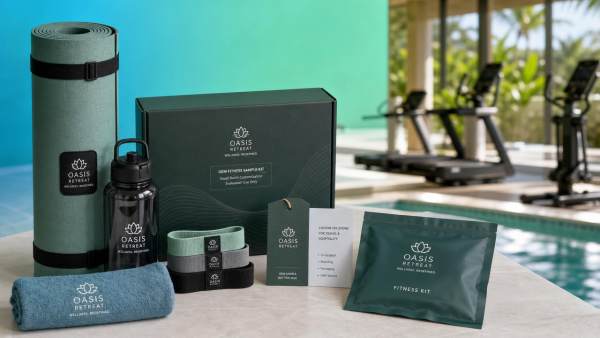
For finance decision-makers evaluating OEM sports projects, small trial orders often reveal the true cost structure behind sourcing decisions. From tooling and sampling to compliance, packaging, and freight, understanding these hidden drivers is essential to protecting margins and forecasting risk. This guide breaks down the key factors that influence trial-order pricing and helps buyers make smarter, data-backed supplier choices.
Why do small trial orders in OEM sports cost more than expected?
Small trial orders in OEM sports rarely reflect scaled production economics. Unit prices rise because fixed setup costs are spread across fewer pieces.
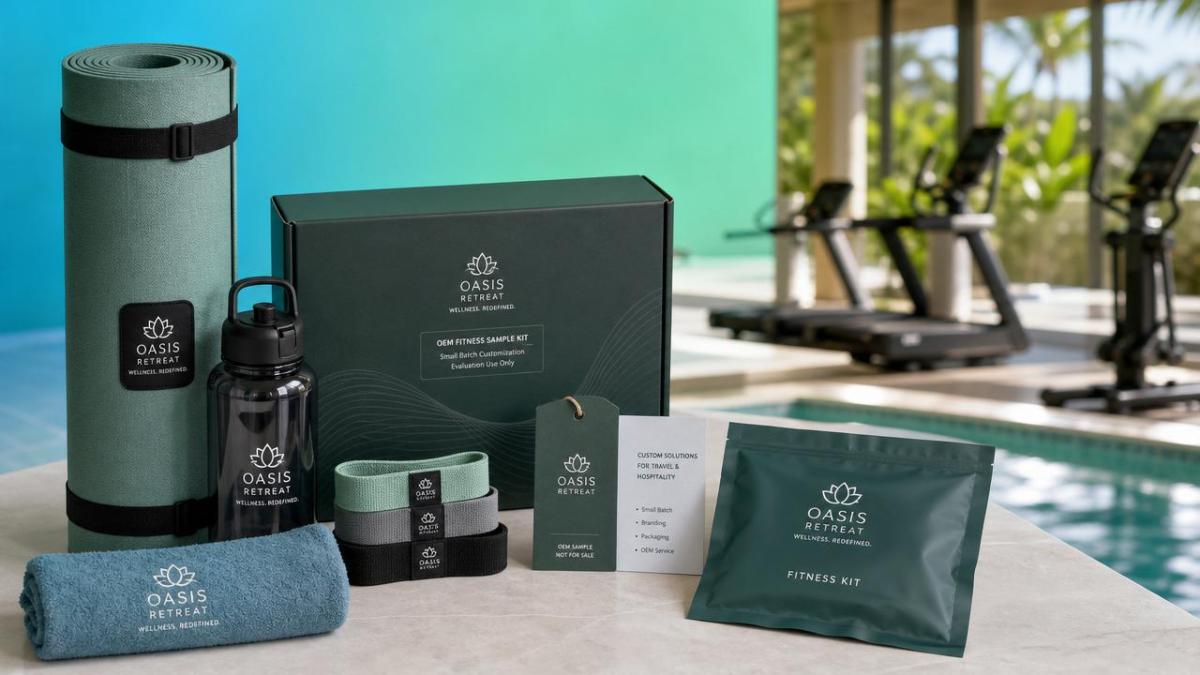
In travel service retail, this issue appears in branded sports towels, hotel gym accessories, outdoor event kits, and resort recreation merchandise.
A trial run may include logo testing, color matching, mold adjustments, and packaging reviews. Each step creates expense before volume discounts begin.
OEM sports suppliers also price in uncertainty. Smaller orders usually mean less forecasting visibility, more change requests, and lower production line efficiency.
For tourism-related product programs, seasonality adds pressure. Rush development for holiday travel peaks or resort opening dates can increase setup and labor costs.
The key point is simple. Trial pricing is not only about product materials. It includes the supplier’s operational risk and resource allocation.
Common hidden cost layers
- Sampling labor and prototype revisions
- Tooling, mold, or print screen setup
- Compliance testing and documentation
- Custom packaging development
- Low-volume purchasing penalties on materials
- Air freight or split shipment costs
Which OEM sports cost drivers matter most during the trial stage?
The biggest OEM sports cost drivers usually fall into five areas: product complexity, compliance, packaging, logistics, and communication efficiency.
1. Product complexity and customization
A standard item with a simple logo is cheaper than a custom set designed for hotel wellness programs or travel activity packages.
Extra stitching, unique materials, branded trims, or color-specific components all increase the cost of OEM sports trial orders.
2. Compliance and safety validation
Travel service brands often need products suitable for international guests. That can require CE, CPSIA-related checks, REACH screening, or material safety reports.
Even when a test is not mandatory, many programs request evidence of safety and durability. Documentation costs can outweigh the value of a tiny order.
3. Packaging and presentation
In tourism, presentation matters. Retail-ready packaging for airport shops, cruise gift stores, or resort boutiques often adds noticeable cost.
Custom inserts, multilingual labels, barcode stickers, and eco-friendly packaging materials are common budget pressure points.
4. Freight and timing
Small OEM sports orders often ship by air because decision windows are short. That changes landed cost dramatically.
Remote resort destinations, island properties, and multi-stop distribution also create handling fees and last-mile delivery complexity.
5. Communication friction
Unclear specifications trigger revisions. Each revision may involve new samples, changed artwork, or repacking. That delay becomes a cost driver.
How should OEM sports trial orders be evaluated for travel service use cases?
In travel service settings, trial orders should be judged beyond unit price. The real question is whether the product supports guest experience and operational practicality.
A beach resort may test OEM sports items such as resistance bands, yoga mats, or branded water bottles. A tour operator may test outdoor kits.
Those applications demand attention to durability, moisture resistance, storage efficiency, and ease of replenishment across locations.
Useful evaluation questions
- Can the product survive repeated guest use?
- Does the packaging fit retail shelves or welcome kits?
- Will certifications satisfy destination market requirements?
- Can replacement stock be reordered quickly?
- Is branding consistent across multiple properties?
These questions help connect OEM sports sourcing costs with guest satisfaction, merchandising performance, and service continuity.
What is the difference between a low quote and a low total landed cost?
A low quote only shows visible factory pricing. A low total landed cost includes testing, packaging, shipping, duties, defects, and reorder stability.
This distinction is critical in OEM sports. A cheaper sample price may hide expensive freight, poor carton efficiency, or failure risk in guest-facing environments.
For travel service programs, quality failure has wider consequences. A delayed launch can affect seasonal campaigns, property openings, or destination promotional bundles.
How can small OEM sports orders be managed without damaging margins?
Margin protection starts with structure. Small OEM sports orders work better when costs are separated into one-time and repeatable categories.
Practical ways to improve trial economics
- Use standard materials first, then customize later.
- Combine several property needs into one trial batch.
- Request digital mockups before physical samples.
- Approve packaging in stages.
- Bundle testing across similar product lines.
- Plan ocean freight for repeat orders whenever possible.
Another smart step is to define a decision gate after the trial. If guest feedback, sell-through, or usage rates meet targets, scale quickly.
That approach helps recover initial OEM sports setup costs through larger, better-planned follow-up orders.
What mistakes create avoidable cost inflation in OEM sports sourcing?
The most expensive mistakes are usually preventable. They come from vague briefs, unrealistic deadlines, and incomplete compliance planning.
Frequent cost traps
- Changing logo placement after samples are approved
- Ignoring destination labeling requirements
- Using oversized packaging that increases freight volume
- Skipping product-use testing for humid or outdoor locations
- Comparing suppliers only on ex-factory price
In tourism, environmental exposure matters. Poolside heat, beach sand, mountain moisture, and frequent cleaning can affect OEM sports product lifespan.
If those conditions are ignored during trial planning, replacement costs may erase any savings from the initial quote.
FAQ summary: how should OEM sports trial-order decisions be compared?
The table below provides a fast comparison framework for OEM sports trial orders used in travel service programs.
OEM sports trial orders are not just a cost test. They are a practical stress test for supply chain readiness, product fit, and margin durability.
The best results come from full-cost visibility, realistic logistics planning, and travel-specific product evaluation. When these pieces align, small orders become useful decision tools.
Use this framework to review the next OEM sports trial with greater precision. Clear assumptions today can prevent expensive surprises in future rollouts.
Related Intelligence
 Skincare OEMAug 16, 2026Amazon Enforces AI Human Metadata Rule for Beauty and Personal Care SellersAmazon now enforces AI human metadata rules for beauty sellers. Learn how to protect listings, traffic, and compliance in skincare, cosmetics, and beauty devices.
 Beauty DevicesAug 15, 2026China to Roll Out Nationwide Cross-Border Cash Pooling for MultinationalsChina to roll out nationwide cross-border cash pooling for multinationals from Sept. 14. Discover how this policy could improve treasury efficiency, liquidity management, and China-linked supply chains.
 Beauty DevicesAug 14, 2026China Imposes Temporary Export Ban on Helium, Affecting Cooling Supply ChainsChina's temporary helium export ban may disrupt cooling supply chains for beauty RF devices and laser systems. Learn what ODMs, buyers, and procurement teams should check now.
![]() Cosmetics & PkgAug 13, 2026PPWR becomes mandatory: Beauty and personal care packaging materials usher in new EPR and PFAS compliance requirementsPPWR takes effect for cosmetics packaging in the EU, bringing EPR registration and PFAS limits. Learn what brands, importers, and suppliers must do now.
Cosmetics & PkgAug 13, 2026PPWR becomes mandatory: Beauty and personal care packaging materials usher in new EPR and PFAS compliance requirementsPPWR takes effect for cosmetics packaging in the EU, bringing EPR registration and PFAS limits. Learn what brands, importers, and suppliers must do now. Cosmetics & PkgAug 12, 2026EU PPWR Now Enforced for Beauty Packaging ComplianceEU PPWR now enforced for beauty packaging compliance: learn how EPR, ERN, heavy metals and PFAS rules affect EU exports, customs clearance and platform sales.
 Cosmetics & PkgAug 11, 2026EU PPWR Rules Take Effect on Aug. 12 for Beauty PackagingEU PPWR rules for beauty packaging take effect on Aug. 12, 2026. Learn key compliance steps, EPR, labeling, PFAS limits, and how to avoid customs delays and fines.
 Smart Pet DevicesAug 10, 2026EU EPR Rules to Cover Smart Pet Devices on Aug. 15EU EPR Rules will cover smart pet devices from Aug. 15, 2026. Learn how smart collars, feeders, and monitoring devices can avoid delisting, customs delays, and compliance risks in the EU.
 Infant Feeding & CareAug 09, 2026CPSC Recalls Baby Sleep Sacks Over Undeclared TDCPPCPSC Recalls Baby Sleep Sacks Over Undeclared TDCPP: learn how this 2026 recall impacts CPC documents, third-party testing, and U.S. baby product compliance for exporters.
 Infant Feeding & CareAug 08, 2026ECHA Adds 5 SVHCs, Importer Notices Due From Oct 2026ECHA adds 5 SVHCs to the Candidate List, with importer notices due from October 2026. Learn how REACH affects exporters, supply chains, and documentation readiness.
 Baby Gear & StrollersAug 07, 2026CPSC Revises Crib Rail Standard for November 2026CPSC revises crib rail standard for November 2026, adding dynamic impact tests and mandatory third-party lab testing. Learn how the new rule affects U.S. market access, compliance, and shipments.
 Electronic & RC ToysAug 06, 2026EU to Require EN IEC 62115:2025 for Electronic ToysEU to Require EN IEC 62115:2025 for Electronic Toys from Oct 1, 2026. Learn scope, battery and AI safety updates, CE compliance risks, and how exporters can avoid customs delays.
 Baby Gear & StrollersAug 05, 2026US Stroller Stability Rule Takes Effect Aug. 15US Stroller Stability Rule Takes Effect Aug. 15: learn how new U.S. stroller compliance, ASTM F833-26a, and CPSC testing rules may affect imports, certification, and shipment readiness.
 Infant Feeding & CareAug 04, 2026ECHA Adds 5 SVHCs, Triggering Baby Care Export ReviewECHA adds 5 SVHCs, prompting an urgent baby care export review for EU-bound products. Learn the 0.1% threshold risks, compliance steps, and how to avoid customs delays and fines.












