SAMR Penalizes 7 Platforms for Unlicensed Food Packaging
On April 19, 2026, China’s State Administration for Market Regulation (SAMR) imposed a total fine of RMB 3.597 billion on seven major e-commerce platforms—including Pinduoduo and Meituan—for facilitating the circulation of unlicensed food-contact packaging materials linked to ‘ghost kitchens.’ This enforcement action signals heightened regulatory scrutiny over packaging supply chains serving the online food delivery sector, directly impacting manufacturers, distributors, and platform operators involved in food-grade plastic containers, paper cups, and sealing bags.
Event Overview
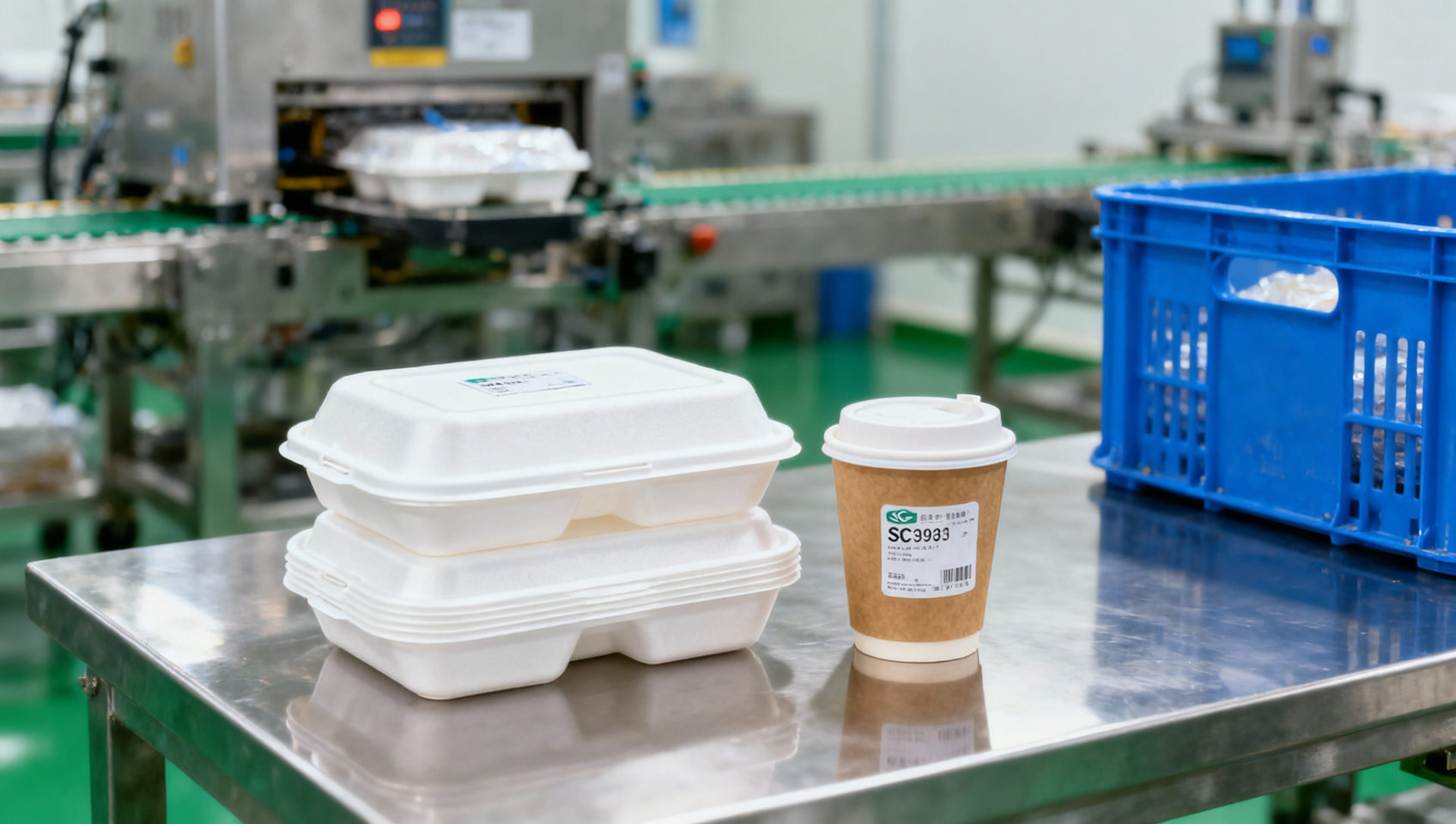
On April 19, 2026, SAMR announced administrative penalties totaling RMB 3.597 billion against seven e-commerce platforms. The enforcement targeted the unlawful online sale of food-contact packaging—such as plastic meal boxes, paper cups, and sealed food bags—without valid Chinese QS/SC production licenses or certified food-grade test reports. New requirements mandate that all such products sold for food service use must display their QS/SC license number and food-grade testing report prominently on the product listing page; platforms bear joint liability for noncompliance.
Industries Affected by Segment
Food Packaging Manufacturing Enterprises
Manufacturers supplying food-contact packaging to online platforms are directly affected because compliance with QS/SC licensing and third-party food-grade testing is now a prerequisite for marketplace eligibility. Non-certified producers risk exclusion from major sales channels, and existing certifications must be verifiable and publicly displayed per new rules.
Online Platform Operators (e.g., Pinduoduo, Meituan)
Platforms face direct financial penalties and operational liability under the new regime. They must now implement technical and procedural controls to verify and surface license and test report information on product pages—shifting part of regulatory compliance responsibility from sellers to platforms themselves.
Distribution & Wholesale Intermediaries
Entities acting as middlemen between manufacturers and online sellers—especially those handling labeling, listing support, or logistics—are exposed to increased due diligence obligations. If they facilitate listings without verified documentation, they may face downstream reputational or contractual risk, even if not directly fined by SAMR at this stage.
Restaurant Suppliers & Aggregators
Businesses sourcing packaging for cloud kitchens or delivery-only operations must now validate upstream certification status before procurement. Reliance on unverified suppliers may lead to indirect exposure—e.g., if a restaurant’s packaging supplier is delisted from a platform, supply continuity could be disrupted.
Key Focus Areas and Immediate Response Guidance
Monitor official implementation guidance and platform-specific policy updates
SAMR’s notice establishes principle-level requirements; detailed enforcement criteria—including acceptable formats for displaying SC numbers, validity periods for test reports, and platform verification protocols—remain pending. Stakeholders should track announcements from SAMR, provincial market bureaus, and platform seller centers for operational clarity.
Prioritize verification for high-volume, high-risk categories
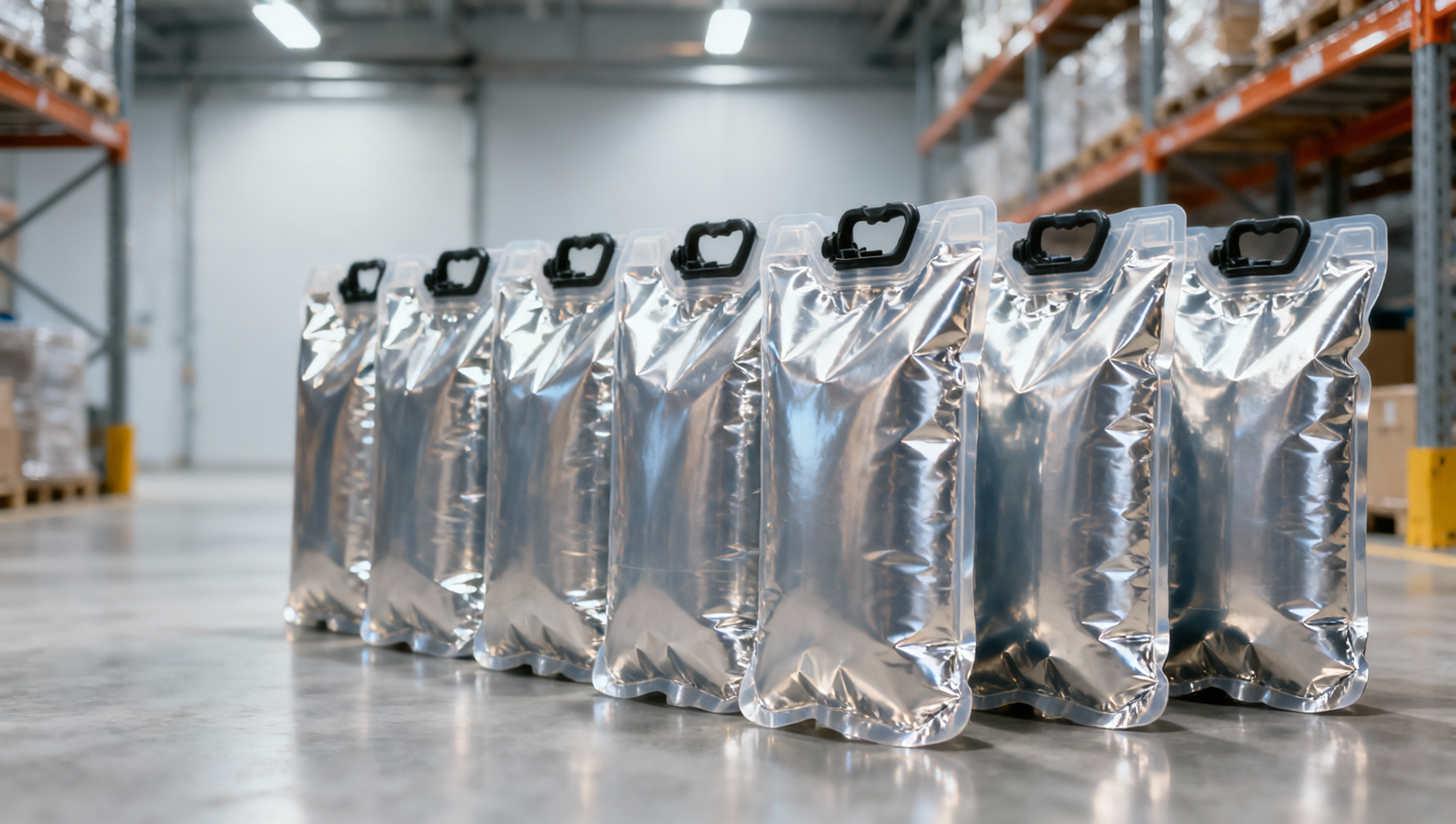
Plastic meal boxes, disposable paper cups, and heat-sealable food bags are explicitly named in the enforcement scope. Companies should prioritize documentation review and system readiness for these items first—particularly where bulk listings exist across multiple platforms.
Distinguish regulatory signal from immediate operational mandate
This penalty reflects retrospective enforcement targeting past noncompliance. While future sales require adherence, there is no public indication of a hard deadline for full system-wide compliance. Businesses should treat current requirements as binding going forward—but avoid assuming retroactive audits or blanket takedowns absent further notice.
Update internal procurement and listing workflows now
Procurement teams should require SC license copies and food-grade test reports prior to purchase; platform sellers should prepare to upload and maintain these documents in listing dashboards. Internal SOPs for packaging sourcing and digital catalog management should reflect traceability and display accountability.
Editorial Perspective / Industry Observation
From an industry perspective, this action is best understood not as a one-off penalty but as a formalized escalation of long-standing concerns about fragmented oversight in the food packaging supply chain. Analysis来看, SAMR is shifting enforcement emphasis from end-product food safety (e.g., restaurant hygiene) toward upstream enablers—including packaging intermediaries and digital marketplaces. Observation来看, the scale of fines suggests regulatory intent to reshape platform governance models, making them active compliance gatekeepers rather than passive transaction venues. Current更值得关注的是 how provincial bureaus interpret and enforce the ‘prominent display’ requirement—and whether certification verification becomes a prerequisite for platform onboarding, not just post-listing monitoring.
It is more accurate to view this development as a strong regulatory signal than an already stabilized compliance framework. The absence of published technical specifications or phased timelines means industry adaptation remains iterative—not binary.
Conclusion
This enforcement marks a structural inflection point for China’s food packaging value chain: regulatory accountability is now explicitly extended to digital distribution layers and standardized around verifiable, publicly accessible certification. For stakeholders, the priority is not broad strategic repositioning—but precise, document-driven adjustments to sourcing, listing, and platform engagement practices. The event underscores that compliance is increasingly defined by transparency in digital commerce—not just physical product conformity.
Information Source: State Administration for Market Regulation (SAMR), official announcement dated April 19, 2026. Note: Specific enforcement thresholds, reporting formats, and provincial implementation timelines remain subject to ongoing clarification and are not yet publicly available.
Related Intelligence
 Cosmetics & PkgApr 20, 2026SAMR Penalizes 7 Platforms for Unlicensed Food PackagingSAMR penalizes 7 platforms for unlicensed food packaging—key implications for manufacturers, platforms & suppliers. Learn compliance must-dos now.
 Beauty DevicesApr 20, 2026Global Li-ion Recycling Rate Hits 62%: Impact on Beauty Device Battery SupplyLi-ion recycling rate hits 62% — unlocking cost savings, faster lead times & MOQ flexibility for beauty device battery supply. Act now.
 Nursery Furniture & MonitorsApr 20, 2026Canton Fair Phase III: Infant Monitor Inquiries Surge, EN60601-1-12 Focus in Middle EastEN60601-1-12 compliance surges at Canton Fair Phase III as Middle East buyers prioritize certified infant monitors — act now to meet GCC market demands.
 Camping & WaterApr 20, 2026RCEP Cuts Tariff on Camping Water Bags for IndonesiaRCEP cuts tariff on camping water bags for Indonesia to 4.2%—boosting export opportunities. Dunia Luar’s new TPU + food-grade aluminum specs demand urgent compliance.
 Corporate & Seasonal GiftsApr 20, 2026TÜV Rheinland Enforces LCA Heatmap for Green Gift PackagingTÜV Rheinland now requires an LCA heat map for Green Gift Packaging certification—key for exporters, manufacturers & brand licensees targeting EU markets. Act now!
 Smart Pet DevicesApr 20, 2026Vietnam Enforces ISO 13485 + Vietnamese Manual for Smart Pet CollarsVietnam enforces ISO 13485 + Vietnamese manual for smart pet collars — essential compliance for exporters, manufacturers & distributors targeting the growing pet tech market.
 Infant Feeding & CareApr 20, 2026JETRO Spring 2026 Inspection: Silicone Infant Feeding Products Require Blockchain Batch CodesSilicone infant feeding products for Japan must now carry blockchain batch codes per JETRO Spring 2026 inspection—ensure compliance for pacifiers, teething rings & spoons.
 STEM & Educational ToysApr 20, 2026SASO Accelerates AI-Enabled STEM Toy Certification to 24 HoursSASO AI-STEM toy certification now in 24 hours — but only with pre-embedded EMC shielding. Act fast: meet new Saudi AI toy compliance rules.
 Cosmetics & PkgApr 20, 2026EU EPR Dual-Country Registration Effective for Beauty PackagingEU EPR dual-country registration is now mandatory for beauty packaging in France & Germany—act now to avoid customs delays, fines up to €100k, and lost market access.
 Cosmetics & PkgApr 20, 2026FDA Requires Separate VCRP Registration for Cosmetic Packaging as of April 19, 2026FDA requires separate VCRP registration for cosmetic packaging by April 19, 2026—critical for Chinese OEMs, U.S. importers & suppliers. Act now to avoid port detentions.
 Beauty DevicesApr 19, 2026Global Li-ion Recycling Rate Hits 62.3%: Beauty Device BOM Cost Down 9%Li-ion recycling rate hits 62.3% — driving 9% BOM cost reduction for beauty devices. Discover how cascade utilization is reshaping global supply chains & boosting margins.
 Cosmetics & PkgApr 19, 2026FDA Mandates Independent VCRP Registration for Cosmetic Packaging as of Apr 19, 2026FDA mandates independent VCRP registration for cosmetic packaging by Apr 19, 2026—avoid Import Alert 66-12. Act now to secure U.S. market access.
 Nursery Furniture & MonitorsApr 19, 2026Canton Fair Phase III: Smart Infant Monitors Surge Amid EN60601-1-12 DemandSmart infant monitors surge at Canton Fair Phase III amid rising EN60601-1-12 compliance demand — discover why Middle East buyers now prioritize medical-grade safety.