Vietnam Enforces ISO 13485 + Vietnamese Manual for Smart Pet Collars
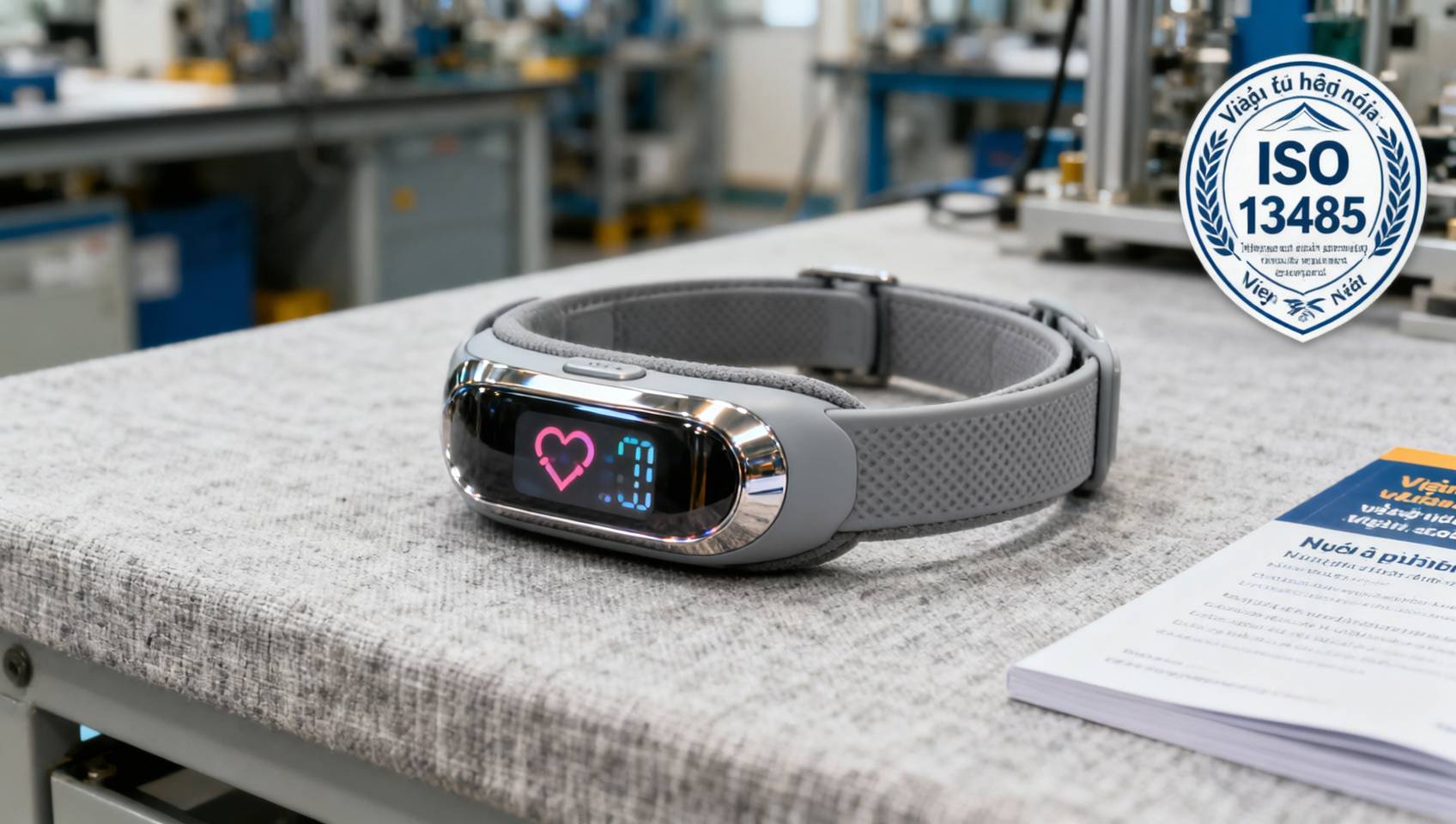
On April 19, 2026, Vietnam’s Ministry of Industry and Trade (MOIT) updated its Technical List for Import of Smart Pet Devices, introducing two new mandatory requirements for pet collars with heart rate or body temperature monitoring functions. This update directly affects exporters, manufacturers, and distributors targeting the Vietnamese pet tech market — particularly those in China supplying such devices.
Event Overview
On April 19, 2026, the Ministry of Industry and Trade (MOIT) of Vietnam issued an update to the Technical List for Import of Smart Pet Devices. The revision adds two compulsory conditions for import clearance: (1) valid ISO 13485 certification from the Chinese manufacturer, confirming compliance with medical device quality management systems; and (2) a Vietnamese-language user manual, certified by a Vietnamese notary, including safety warnings and battery replacement instructions. No further details on transitional periods, enforcement timelines, or scope exclusions have been publicly released.
Industries Affected
Direct Exporters & Trading Companies
Exporters shipping smart pet collars with biometric monitoring functions into Vietnam must now verify ISO 13485 status prior to shipment. Non-compliant shipments risk customs rejection or extended clearance delays. Impact is concentrated on companies without prior engagement with medical-device-grade quality systems.
Manufacturers (OEM/ODM)
Chinese manufacturers producing these devices face new upstream compliance obligations. ISO 13485 certification — typically pursued for human medical devices — is not standard for consumer pet wearables. Obtaining or validating such certification requires time, documentation review, and audit readiness. The requirement effectively reclassifies certain pet monitors as quasi-medical products under Vietnamese import controls.
Distribution & Channel Partners
Vietnamese importers and local distributors must now validate both the ISO 13485 certificate and notarized Vietnamese manual before initiating customs procedures. This adds verification steps to procurement workflows and increases lead time for product launch or restocking. It also raises liability exposure if documentation is incomplete or misaligned with MOIT’s interpretation.
Regulatory & Localization Service Providers
Service providers offering regulatory consulting, technical documentation translation, or notarization support in Vietnam may see increased demand for Vietnamese manual preparation and ISO 13485 gap assessments. However, no official guidance has yet clarified whether third-party certification bodies accredited in Vietnam are required for ISO 13485 validation — leaving room for interpretation.
What Stakeholders Should Monitor and Do Now
Track MOIT’s official implementation guidance
As of April 19, 2026, the update is published but lacks accompanying circulars specifying enforcement start dates, acceptable ISO 13485 scopes (e.g., whether ‘design and manufacturing’ coverage is mandatory), or manual formatting requirements. Stakeholders should monitor MOIT’s official portal and Vietnam Customs notifications for clarifications.
Verify current ISO 13485 scope and validity
Manufacturers should confirm whether their existing ISO 13485 certificate explicitly covers ‘pet wearable devices with physiological monitoring functions’. Certificates limited to ‘consumer electronics’ or ‘software-only solutions’ may not satisfy MOIT’s expectation. Renewal cycles and auditor accreditation should also be reviewed.
Initiate Vietnamese manual localization and notarization early
The notarization process in Vietnam requires physical submission and may involve multiple visits or local legal representation. Technical content — especially safety warnings and battery handling — must align precisely with device functionality and labeling. Preparing this ahead of shipment avoids last-minute bottlenecks.
Distinguish policy signal from operational mandate
This update signals Vietnam’s broader trend of applying medical-device-aligned oversight to health-adjacent consumer electronics. However, it does not yet constitute a full regulatory framework (e.g., no registration number, no post-market surveillance rules). For now, it functions as a customs gatekeeping measure — not a full medical device classification.
Editorial Perspective / Industry Observation
From industry perspective, this update is best understood as a targeted procedural tightening — not a sweeping regulatory shift. It reflects Vietnam’s growing emphasis on traceability and user safety for connected devices entering daily life, especially those measuring vital signs. Analysis来看, MOIT appears to be leveraging existing medical-device quality infrastructure (ISO 13485) rather than building new pet-tech-specific standards — suggesting efficiency-driven regulation over sectoral innovation. Current more appropriate interpretation is that this is a signal of increasing scrutiny for biometric-enabled pet hardware, rather than immediate evidence of formal medical device reclassification. Continuous monitoring remains essential, as follow-up decrees could expand scope to include firmware validation or cybersecurity requirements.
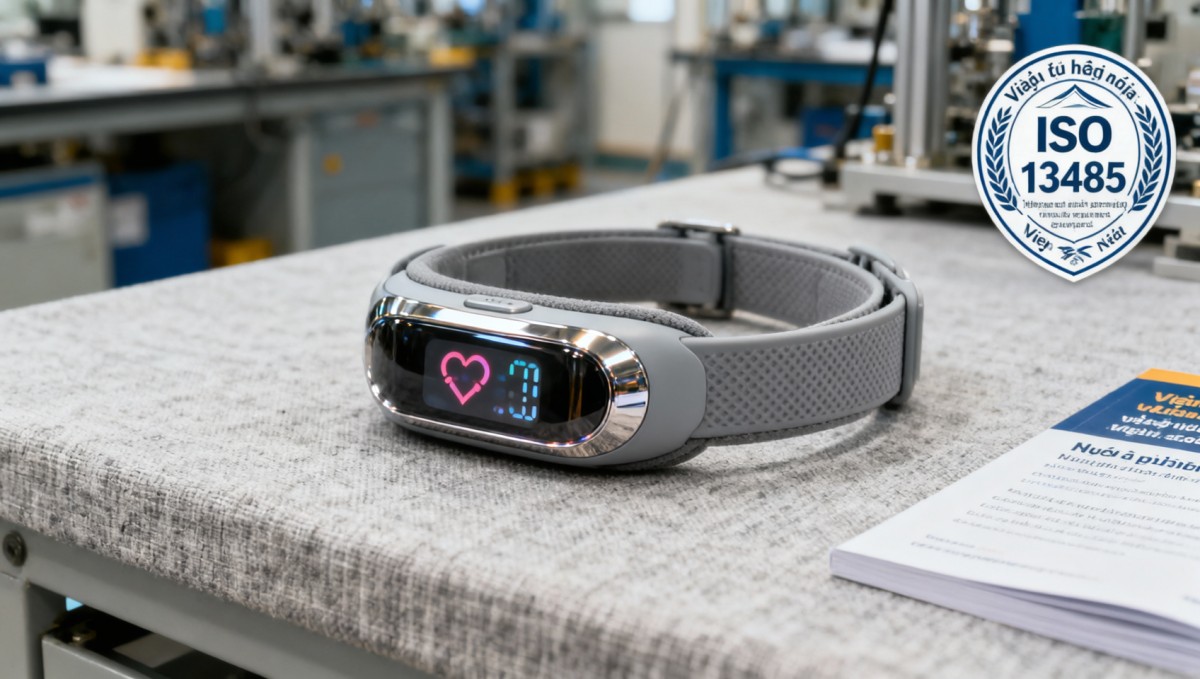
In summary, this update marks a concrete step toward stricter conformity expectations for smart pet monitoring devices entering Vietnam. Its significance lies less in novelty and more in enforceability: it introduces verifiable, auditable requirements at the point of import. For stakeholders, the priority is not speculation about future rules, but ensuring current documentation — ISO 13485 and Vietnamese manual — meets MOIT’s stated criteria before shipment.
Source: Ministry of Industry and Trade (MOIT) of Vietnam, Technical List for Import of Smart Pet Devices, updated April 19, 2026. Note: Implementation timeline, scope exclusions, and certification acceptance criteria remain pending official clarification.
Related Intelligence
 Cosmetics & PkgApr 20, 2026SAMR Penalizes 7 Platforms for Unlicensed Food PackagingSAMR penalizes 7 platforms for unlicensed food packaging—key implications for manufacturers, platforms & suppliers. Learn compliance must-dos now.
 Beauty DevicesApr 20, 2026Global Li-ion Recycling Rate Hits 62%: Impact on Beauty Device Battery SupplyLi-ion recycling rate hits 62% — unlocking cost savings, faster lead times & MOQ flexibility for beauty device battery supply. Act now.
 Nursery Furniture & MonitorsApr 20, 2026Canton Fair Phase III: Infant Monitor Inquiries Surge, EN60601-1-12 Focus in Middle EastEN60601-1-12 compliance surges at Canton Fair Phase III as Middle East buyers prioritize certified infant monitors — act now to meet GCC market demands.
 Camping & WaterApr 20, 2026RCEP Cuts Tariff on Camping Water Bags for IndonesiaRCEP cuts tariff on camping water bags for Indonesia to 4.2%—boosting export opportunities. Dunia Luar’s new TPU + food-grade aluminum specs demand urgent compliance.
 Corporate & Seasonal GiftsApr 20, 2026TÜV Rheinland Enforces LCA Heatmap for Green Gift PackagingTÜV Rheinland now requires an LCA heat map for Green Gift Packaging certification—key for exporters, manufacturers & brand licensees targeting EU markets. Act now!
 Smart Pet DevicesApr 20, 2026Vietnam Enforces ISO 13485 + Vietnamese Manual for Smart Pet CollarsVietnam enforces ISO 13485 + Vietnamese manual for smart pet collars — essential compliance for exporters, manufacturers & distributors targeting the growing pet tech market.
 Infant Feeding & CareApr 20, 2026JETRO Spring 2026 Inspection: Silicone Infant Feeding Products Require Blockchain Batch CodesSilicone infant feeding products for Japan must now carry blockchain batch codes per JETRO Spring 2026 inspection—ensure compliance for pacifiers, teething rings & spoons.
 STEM & Educational ToysApr 20, 2026SASO Accelerates AI-Enabled STEM Toy Certification to 24 HoursSASO AI-STEM toy certification now in 24 hours — but only with pre-embedded EMC shielding. Act fast: meet new Saudi AI toy compliance rules.
 Cosmetics & PkgApr 20, 2026EU EPR Dual-Country Registration Effective for Beauty PackagingEU EPR dual-country registration is now mandatory for beauty packaging in France & Germany—act now to avoid customs delays, fines up to €100k, and lost market access.
 Cosmetics & PkgApr 20, 2026FDA Requires Separate VCRP Registration for Cosmetic Packaging as of April 19, 2026FDA requires separate VCRP registration for cosmetic packaging by April 19, 2026—critical for Chinese OEMs, U.S. importers & suppliers. Act now to avoid port detentions.
 Beauty DevicesApr 19, 2026Global Li-ion Recycling Rate Hits 62.3%: Beauty Device BOM Cost Down 9%Li-ion recycling rate hits 62.3% — driving 9% BOM cost reduction for beauty devices. Discover how cascade utilization is reshaping global supply chains & boosting margins.
 Cosmetics & PkgApr 19, 2026FDA Mandates Independent VCRP Registration for Cosmetic Packaging as of Apr 19, 2026FDA mandates independent VCRP registration for cosmetic packaging by Apr 19, 2026—avoid Import Alert 66-12. Act now to secure U.S. market access.
 Nursery Furniture & MonitorsApr 19, 2026Canton Fair Phase III: Smart Infant Monitors Surge Amid EN60601-1-12 DemandSmart infant monitors surge at Canton Fair Phase III amid rising EN60601-1-12 compliance demand — discover why Middle East buyers now prioritize medical-grade safety.