2026 Global Trade & Investment Summit in Beijing, May 18
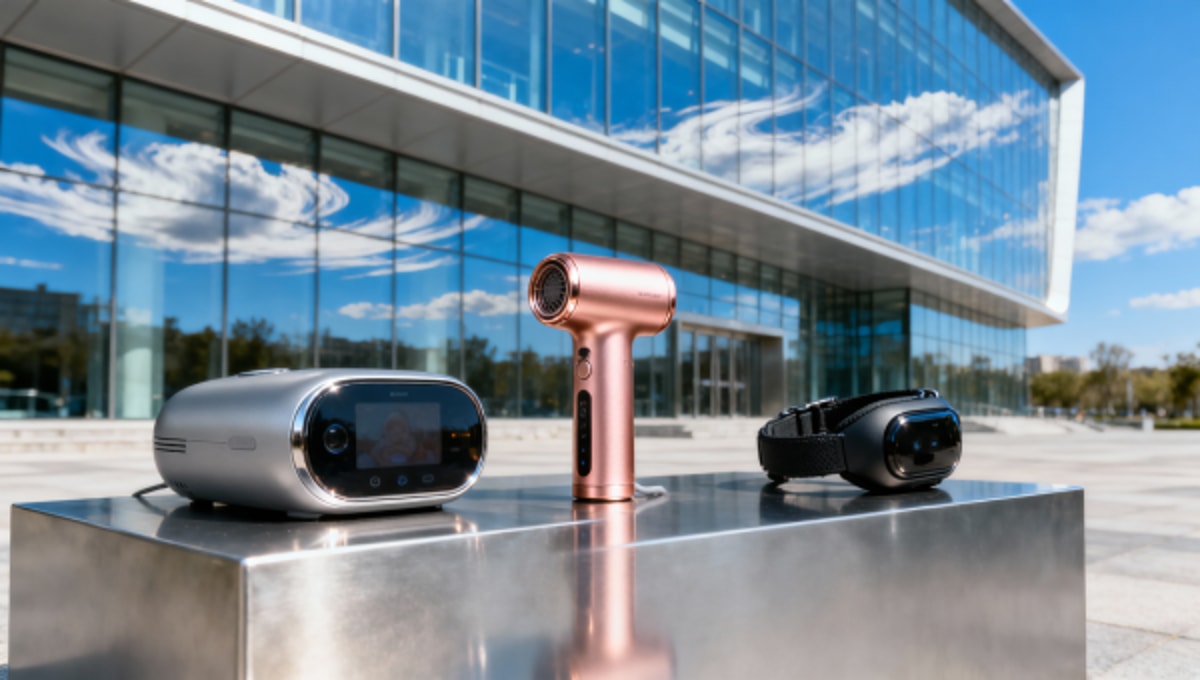
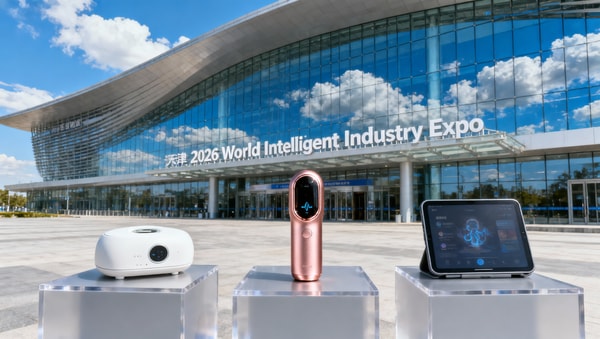
On May 18, 2026, the China Council for the Promotion of International Trade (CCPIT) will host the Global Trade & Investment Promotion Summit in Beijing under the theme “Moving Forward with the New, Connecting the Future.” The event signals heightened strategic attention toward AI-enabled service integration and new pathways for Chinese manufacturing’s global expansion—particularly in smart consumer hardware segments. Industries including intelligent terminals, beauty & personal care devices, infant smart monitoring systems, and pet smart hardware should monitor developments closely, as the summit is expected to shape near-term standardization, compliance alignment, and supply chain resilience agendas.
Event Overview
The 2026 Global Trade & Investment Promotion Summit will be held on May 18, 2026, in Beijing. Organized by the China Council for the Promotion of International Trade (CCPIT), the summit’s official theme is “Moving Forward with the New, Connecting the Future.” It emphasizes three pillars: “New” (referring to new-quality productive forces), “Smart” (AI empowerment of trade and services), and “Integrated” (deep convergence of services and manufacturing). A key deliverable will be the release of the Beijing Initiative, calling on global business communities to jointly build resilient supply chains. The initiative will specifically highlight international standard coordination and regulatory mutual recognition for four Chinese export-advantaged categories: intelligent terminals, beauty & personal care devices, infant smart monitoring equipment, and pet smart hardware.
Which Subsectors Are Affected
Direct Exporters of Smart Consumer Hardware
These companies—including OEM/ODM manufacturers and branded exporters of intelligent terminals, beauty devices, infant monitors, and pet hardware—are directly positioned to benefit from or be impacted by the summit’s focus on cross-border standard alignment and compliance interoperability. Their market access timelines, certification costs, and time-to-market in key regions (e.g., EU, Southeast Asia, Middle East) may shift depending on progress in mutual recognition frameworks announced or advanced post-summit.
Manufacturers Relying on Cross-Border Component Sourcing
Firms integrating AI modules, sensors, connectivity chips, or battery systems sourced globally into final smart hardware products face upstream implications. If the Beijing Initiative catalyzes harmonized testing protocols or joint certification pathways, component-level conformity assessment could become more predictable—but only where participating jurisdictions align. Divergent national implementations remain likely in the short term.
Supply Chain & Compliance Service Providers
Third-party testing labs, certification bodies, regulatory consultants, and logistics integrators supporting smart hardware exports will encounter renewed demand for multi-jurisdictional compliance support. However, actual workload increases depend on whether—and how quickly—the initiative translates into bilateral/multilateral MOUs or technical working groups, not just aspirational statements.
What Relevant Companies or Practitioners Should Focus On Now
Track official follow-up documents and jurisdictional responses
The summit itself is a platform, not a policy instrument. Companies should monitor CCPIT’s post-event publications, as well as formal reactions from foreign trade ministries, standardization bodies (e.g., ISO, IEC), and regional regulators (e.g., EU Commission, ASEAN Secretariat) over Q3–Q4 2026. Early signals will clarify whether the Beijing Initiative gains traction beyond rhetorical alignment.
Map current certification gaps per target market for priority product categories
Exporters should audit existing CE, UKCA, PSE, KC, GCC, and ANATEL requirements against their infant monitoring or pet hardware product lines—not assuming automatic reciprocity. The summit does not override national regulatory authority; mutual recognition requires technical agreement and legal adoption, which take time.
Distinguish between policy signaling and operational readiness
The summit’s emphasis on AI+service integration reflects strategic direction, not immediate regulatory change. Firms investing in AI-driven after-sales platforms, remote diagnostics, or cloud-based device management should treat this as reinforcing context—not a trigger for urgent system overhaul without verified market demand or compliance mandates.
Prepare for potential pilot engagements in standard-setting dialogues
CCPIT has historically invited industry representatives into technical working groups following such summits. Firms with active participation in IEC TC 100, ISO/IEC JTC 1/SC 42, or regional smart device consortia may see early invitations to contribute to draft alignment roadmaps—especially those with documented experience in EU MDR, FDA SaMD, or GCC Type Approval processes.
Editorial Perspective / Industry Observation
Observably, this summit functions primarily as a high-level coordination signal—not an implementation mechanism. Its value lies in spotlighting specific hardware categories and integration themes that are gaining institutional priority within China’s trade diplomacy framework. Analysis shows the focus on “AI+services” alongside manufacturing export pathways suggests a deliberate pivot from volume-driven trade toward value-added, data-informed, and regulation-sensitive export models. That said, the Beijing Initiative remains a non-binding statement; its real-world impact hinges entirely on subsequent technical negotiations and voluntary adoption by partner economies. From an industry perspective, it is better understood as a marker of evolving policy emphasis than as an imminent operational shift.
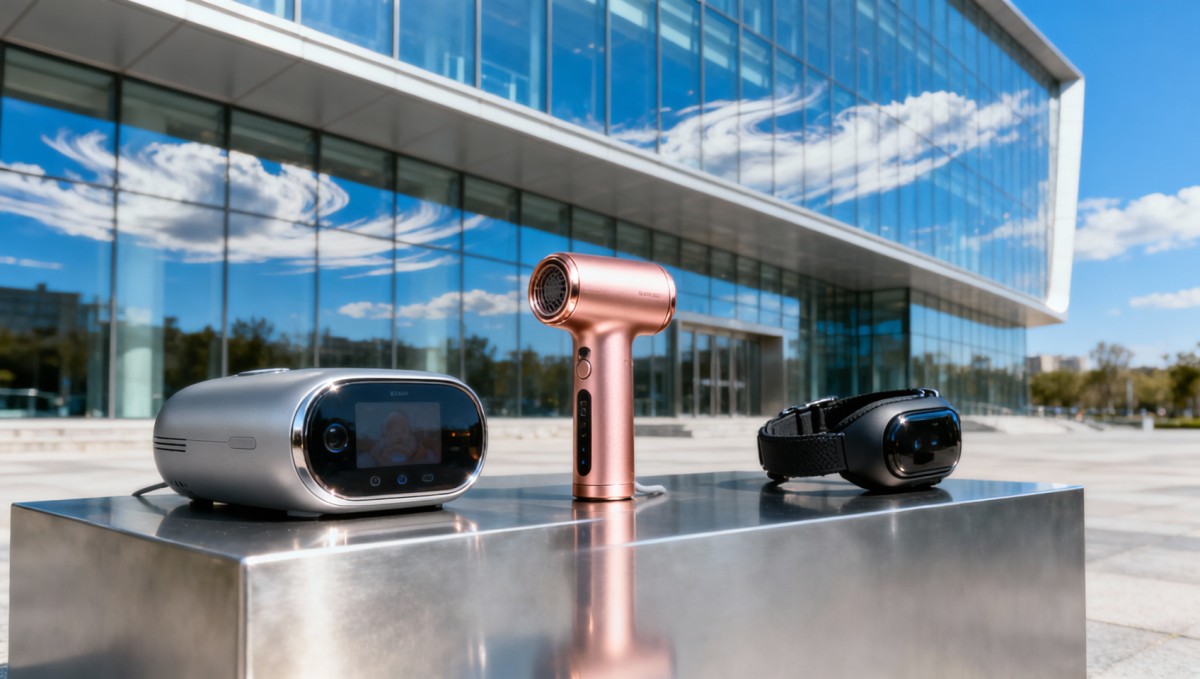
In summary, the 2026 Global Trade & Investment Promotion Summit introduces no new regulations or binding commitments—but it does elevate visibility for AI-integrated smart hardware exports and frames supply chain resilience as a shared global objective. For practitioners, the most rational interpretation is not urgency, but calibrated attention: using the summit as a reference point to prioritize compliance mapping, monitor multilateral technical dialogue, and assess alignment opportunities—not as a deadline, but as a directional indicator.
Source: China Council for the Promotion of International Trade (CCPIT) official announcement. Note: Implementation status of the Beijing Initiative, including scope of mutual recognition agreements and participating jurisdictions, remains pending formal confirmation and is subject to ongoing observation.
Related Intelligence
 Beauty DevicesMay 03, 2026WeChat Pay QR Code Cross-Border Payments Live in 5 ASEAN CountriesWeChat Pay QR Code Cross-Border Payments go live in 5 ASEAN countries—enabling T+1 RMB settlements for Beauty, Pet & Travel exporters. Boost cash flow, cut FX loss by up to 1.8%.
 Infant Feeding & CareMay 03, 2026RCEP ASEAN Fast Track for Infant Feeding Products Effective May 2026RCEP ASEAN Fast Track for Infant Feeding Products launches May 2026—speed up exports of bottles, breast pumps & food processors with NMPA Class II cert.
 Cosmetics & PkgMay 03, 2026SASO Cosmetic Packaging新规:Plant Extracts Require Migration & Light Stability Tests from May 2026SASO Cosmetic Packaging新规:2026年5月起,含植物提取物的化妆品包材须通过迁移性与光稳定性测试——立即获取合规指南!
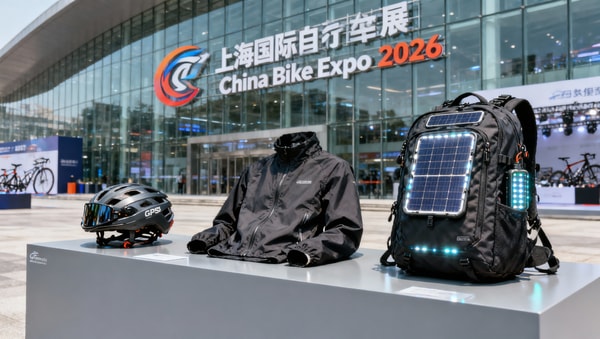
 Activewear OEMMay 03, 20262026 China Bike Expo Opens May 5 in Shanghai: Smart Cycling Gear Draws EU/US Buyers2026 China Bike Expo in Shanghai: Smart cycling gear — GPS helmets, solar jerseys, LED backpacks — draws EU/US buyers seeking EN 1078 & REACH compliance.
 STEM & Educational ToysMay 03, 202638th Firefly Comic Con Guangzhou: RC & STEM Toy Procurement SurgesRC & STEM toy procurement surges at 38th Firefly Comic Con Guangzhou — discover key ASTM F963-23 compliance, localization, and education-whitelist insights for global exporters.
 Fitness EquipmentMay 03, 2026Shanghai–Los Angeles Container Capacity Cut: Fitness & Smart Nursery Gear Shipments Delayed to 9–11 WeeksShanghai–Los Angeles container capacity cut delays fitness & smart nursery gear shipments to 9–11 weeks—act now to secure Q3 inventory and avoid stockouts.
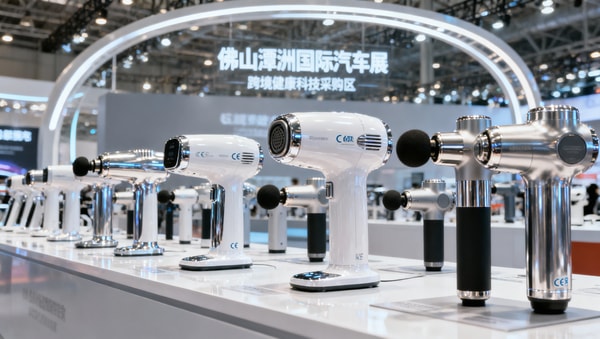
 Beauty DevicesMay 03, 2026Foshan Tanzhou Auto Show 2026 Hosts Cross-Border Health Tech SourcingFoshan Tanzhou Auto Show 2026 launches Cross-Border Health Technology Sourcing—key for beauty device & fitness equipment exporters targeting Indonesia, Thailand, Vietnam.
 Skincare OEMMay 03, 2026New Hazardous Chemicals Safety Law Effective May 2026New Hazardous Chemicals Safety Law (effective May 2026) mandates UN number & GHS label e-filing for cosmetics raw materials and packaging — act now to avoid export delays.
 Beauty DevicesMay 03, 20262026 World Intelligent Industry Expo Opens in Tianjin2026 World Intelligent Industry Expo in Tianjin highlights AI-powered smart terminals — including infant monitors & wearable beauty devices. Key event for global health-tech compliance & market access.
 Beauty DevicesMay 03, 20262026 Global Trade & Investment Summit in Beijing, May 182026 Global Trade & Investment Summit in Beijing (May 18) unveils the Beijing Initiative—boosting AI-integrated smart hardware exports, standards alignment & supply chain resilience for intelligent terminals, beauty devices, infant monitors and pet tech.
 Cosmetics & PkgMay 02, 2026OEM Cosmetics Manufacturer: 7 Questions to Ask Before Product Development StartsOEM cosmetics manufacturer selection starts with the right questions. Learn 7 smart checks to reduce compliance, cost, and launch risks before product development begins.
 Beauty DevicesMay 02, 2026How to Evaluate a Gua Sha Tools Manufacturer for Consistent QualityGua sha tools manufacturer selection starts with quality control. Learn how to assess materials, certifications, production consistency, and supply reliability with confidence.
 Beauty DevicesMay 02, 2026Body Contouring Machine: When the Higher Price Is Actually JustifiedBody contouring machine buyers in travel services: learn when a higher price is justified through ROI, compliance, uptime, and premium package revenue potential.