38th Firefly Comic Con Guangzhou: RC & STEM Toy Procurement Surges
The 38th Firefly Comic Game Carnival opened in Guangzhou on May 1, 2026 — a key inflection point for international procurement of electronic/RC toys and STEM/educational toys, with implications for export-oriented manufacturers, compliance service providers, and education-tech suppliers.
Event Overview
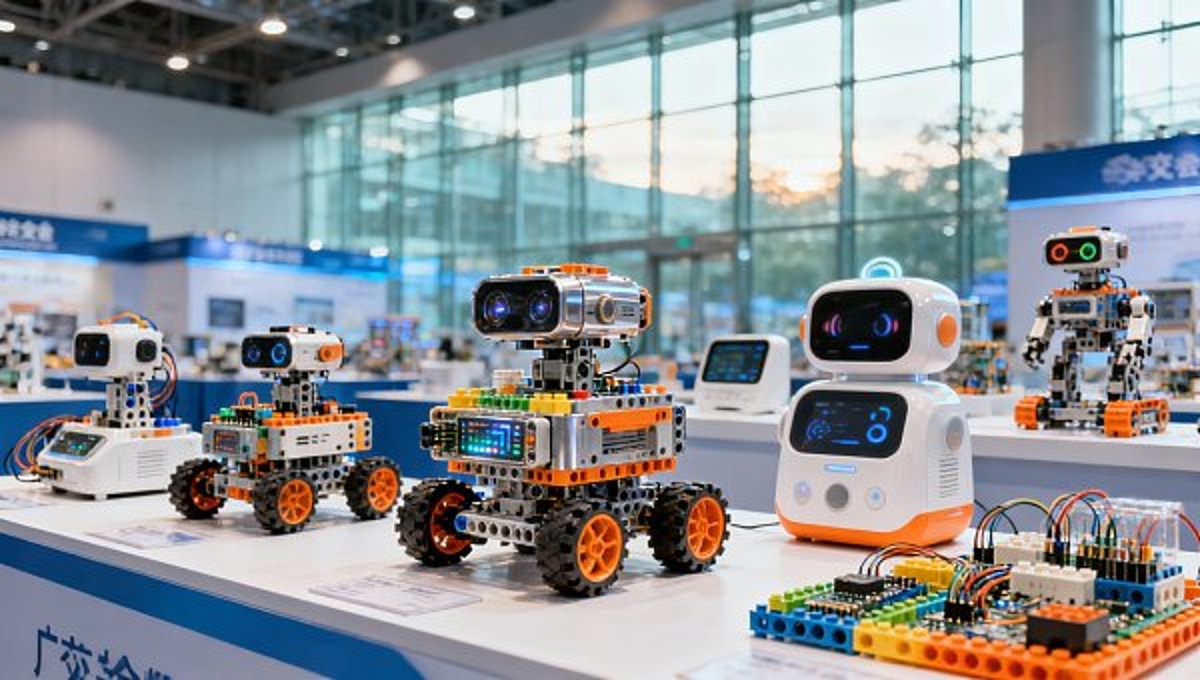
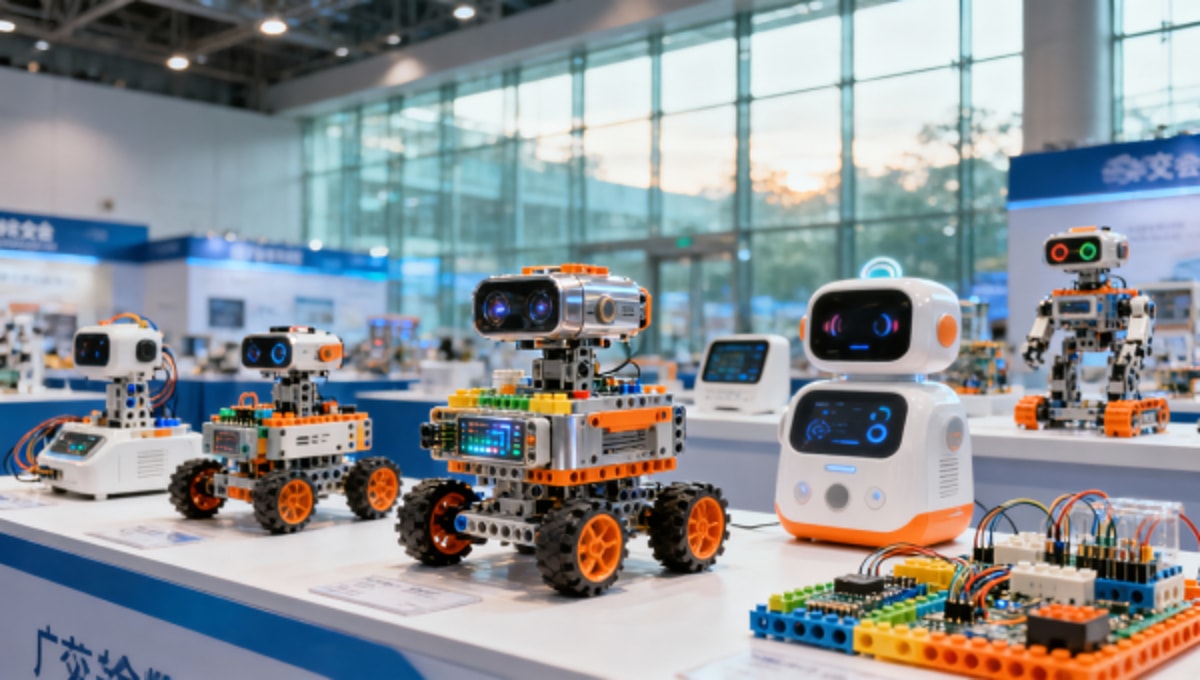
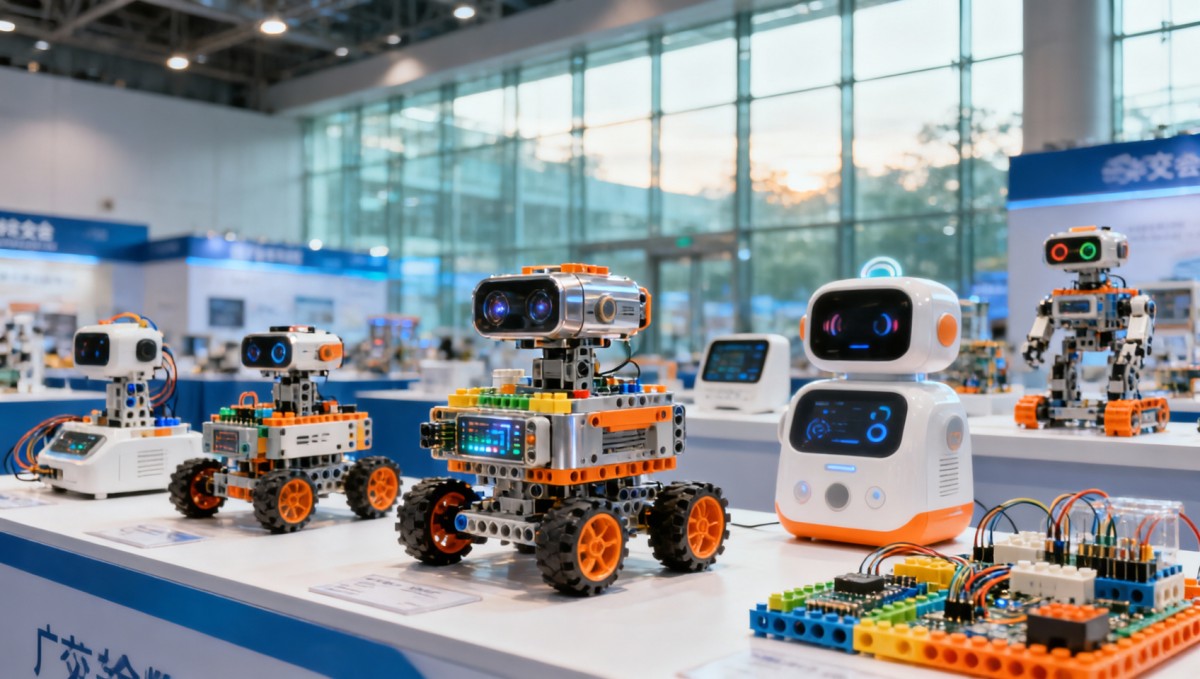
The 38th Firefly Comic Game Carnival took place from May 1–4, 2026 in Guangzhou. Publicly reported data indicates that exhibitors in the Electronic & RC Toys and STEM & Educational Toys categories hosted over 120 overseas buyer delegations. Notably, buyers from the Middle East and Latin America expressed bulk customization demand for two product types: (1) building-block robots with programmable interfaces, and (2) early-learning devices compliant with the ASTM F963-23 updated sound-and-light emission limits. Some orders explicitly required localized UI language support and pre-approval by target-country education authorities’ white lists.
Industries Affected
Direct Export Trading Enterprises
These firms face heightened demand for rapid localization and regulatory alignment. The requirement for native-language UI and education department whitelisting signals a shift from generic export to market-specific, institution-facing supply — increasing pre-shipment validation steps and documentation burden.
Manufacturing Enterprises (OEM/ODM)
Factories producing educational electronics or RC kits must now accommodate tighter technical specifications (e.g., ASTM F963-23 compliance) and modular hardware/software adaptations (e.g., open programming interfaces). This affects design cycles, testing protocols, and firmware development capacity — particularly for small-to-midsize producers without dedicated compliance or embedded software teams.
Supply Chain & Certification Service Providers
Third-party labs, certification consultants, and localization vendors are seeing increased inquiry volume around ASTM F963-23 verification, bilingual UI integration, and education-sector regulatory mapping (e.g., Mexico’s SEP approval process or UAE’s MOE curriculum alignment). Demand is no longer limited to safety testing but extends to pedagogical validation readiness.
Distribution & Channel Partners
Importers and regional distributors in the Middle East and Latin America are under pressure to demonstrate upstream traceability and institutional credibility — not just product availability. Orders tied to government or school procurement frameworks require verifiable chain-of-custody documentation and evidence of prior local deployment or pilot use.
What Relevant Enterprises Should Monitor & Act On
Track official updates on ASTM F963-23 implementation timelines in priority markets
Analysis shows ASTM F963-23 enforcement varies across jurisdictions — some Gulf Cooperation Council (GCC) states reference it as guidance, while others (e.g., Colombia’s ICONTEC) are incorporating its acoustic limits into mandatory national standards. Exporters should verify whether target-market regulators treat it as de facto mandatory, even if not yet codified.
Validate which ‘programming interfaces’ meet actual buyer expectations
Observably, buyer requests for ‘programmable interfaces’ span multiple technical levels — from physical GPIO pins and MicroPython support to cloud-based IDEs and LMS integration. Companies should avoid assuming uniform capability; instead, request interface specification sheets directly from procurement delegations before committing to engineering changes.
Distinguish between ‘education department whitelist’ as policy signal vs. operational requirement
From industry perspective, inclusion on an education ministry whitelist often requires multi-step processes: technical review, curriculum alignment assessment, teacher training support, and sometimes local content adaptation. Early-stage inquiries do not guarantee fast-track approval — firms should assess lead time and resource commitment before quoting such orders.
Prepare for documentation upgrades beyond CE/FCC
Current more relevant is the need to generate bilingual (English + target language) technical files, user manuals with pedagogical usage notes, and test reports explicitly referencing ASTM F963-23 clauses — not just general conformance statements. Internal QA teams may need refresher training on clause-specific measurement methods (e.g., peak SPL at 5 cm distance).
Editorial Observation / Industry Insight
This event is better understood as a demand signal — not yet a volume-driven outcome. While over 120 buyer visits were recorded, publicly available information does not confirm order value, delivery timelines, or contract execution status. The emphasis on localization, compliance granularity, and institutional gatekeeping suggests maturation in emerging-market procurement: buyers are moving beyond price and basic safety toward integrated, context-aware supply partnerships. Continued observation is warranted on whether these requests translate into repeatable order patterns or remain project-specific engagements.
Conclusion
The Guangzhou Firefly event highlights a structural shift: international buyers in education-linked toy segments increasingly prioritize regulatory foresight, software adaptability, and institutional alignment over hardware-only features. For affected enterprises, this is less about reacting to a single trade show and more about recalibrating product development, compliance planning, and customer engagement workflows toward long-term market entry logic — not transactional sourcing.
Source Attribution
Main source: Official attendance and buyer feedback summary released by Firefly Comic Game Carnival organizing committee (May 2026). Note: Order fulfillment status, contract values, and country-level regulatory adoption details remain unconfirmed and require ongoing monitoring.
Related Intelligence
 Beauty DevicesMay 03, 2026WeChat Pay QR Code Cross-Border Payments Live in 5 ASEAN CountriesWeChat Pay QR Code Cross-Border Payments go live in 5 ASEAN countries—enabling T+1 RMB settlements for Beauty, Pet & Travel exporters. Boost cash flow, cut FX loss by up to 1.8%.
 Infant Feeding & CareMay 03, 2026RCEP ASEAN Fast Track for Infant Feeding Products Effective May 2026RCEP ASEAN Fast Track for Infant Feeding Products launches May 2026—speed up exports of bottles, breast pumps & food processors with NMPA Class II cert.
 Cosmetics & PkgMay 03, 2026SASO Cosmetic Packaging新规:Plant Extracts Require Migration & Light Stability Tests from May 2026SASO Cosmetic Packaging新规:2026年5月起,含植物提取物的化妆品包材须通过迁移性与光稳定性测试——立即获取合规指南!
 Activewear OEMMay 03, 20262026 China Bike Expo Opens May 5 in Shanghai: Smart Cycling Gear Draws EU/US Buyers2026 China Bike Expo in Shanghai: Smart cycling gear — GPS helmets, solar jerseys, LED backpacks — draws EU/US buyers seeking EN 1078 & REACH compliance.
 STEM & Educational ToysMay 03, 202638th Firefly Comic Con Guangzhou: RC & STEM Toy Procurement SurgesRC & STEM toy procurement surges at 38th Firefly Comic Con Guangzhou — discover key ASTM F963-23 compliance, localization, and education-whitelist insights for global exporters.
 Fitness EquipmentMay 03, 2026Shanghai–Los Angeles Container Capacity Cut: Fitness & Smart Nursery Gear Shipments Delayed to 9–11 WeeksShanghai–Los Angeles container capacity cut delays fitness & smart nursery gear shipments to 9–11 weeks—act now to secure Q3 inventory and avoid stockouts.
 Beauty DevicesMay 03, 2026Foshan Tanzhou Auto Show 2026 Hosts Cross-Border Health Tech SourcingFoshan Tanzhou Auto Show 2026 launches Cross-Border Health Technology Sourcing—key for beauty device & fitness equipment exporters targeting Indonesia, Thailand, Vietnam.
 Skincare OEMMay 03, 2026New Hazardous Chemicals Safety Law Effective May 2026New Hazardous Chemicals Safety Law (effective May 2026) mandates UN number & GHS label e-filing for cosmetics raw materials and packaging — act now to avoid export delays.
 Beauty DevicesMay 03, 20262026 World Intelligent Industry Expo Opens in Tianjin2026 World Intelligent Industry Expo in Tianjin highlights AI-powered smart terminals — including infant monitors & wearable beauty devices. Key event for global health-tech compliance & market access.
 Beauty DevicesMay 03, 20262026 Global Trade & Investment Summit in Beijing, May 182026 Global Trade & Investment Summit in Beijing (May 18) unveils the Beijing Initiative—boosting AI-integrated smart hardware exports, standards alignment & supply chain resilience for intelligent terminals, beauty devices, infant monitors and pet tech.
 Cosmetics & PkgMay 02, 2026OEM Cosmetics Manufacturer: 7 Questions to Ask Before Product Development StartsOEM cosmetics manufacturer selection starts with the right questions. Learn 7 smart checks to reduce compliance, cost, and launch risks before product development begins.
 Beauty DevicesMay 02, 2026How to Evaluate a Gua Sha Tools Manufacturer for Consistent QualityGua sha tools manufacturer selection starts with quality control. Learn how to assess materials, certifications, production consistency, and supply reliability with confidence.
 Beauty DevicesMay 02, 2026Body Contouring Machine: When the Higher Price Is Actually JustifiedBody contouring machine buyers in travel services: learn when a higher price is justified through ROI, compliance, uptime, and premium package revenue potential.