Ice Roller Wholesale: Which Materials Keep Cold Longer?
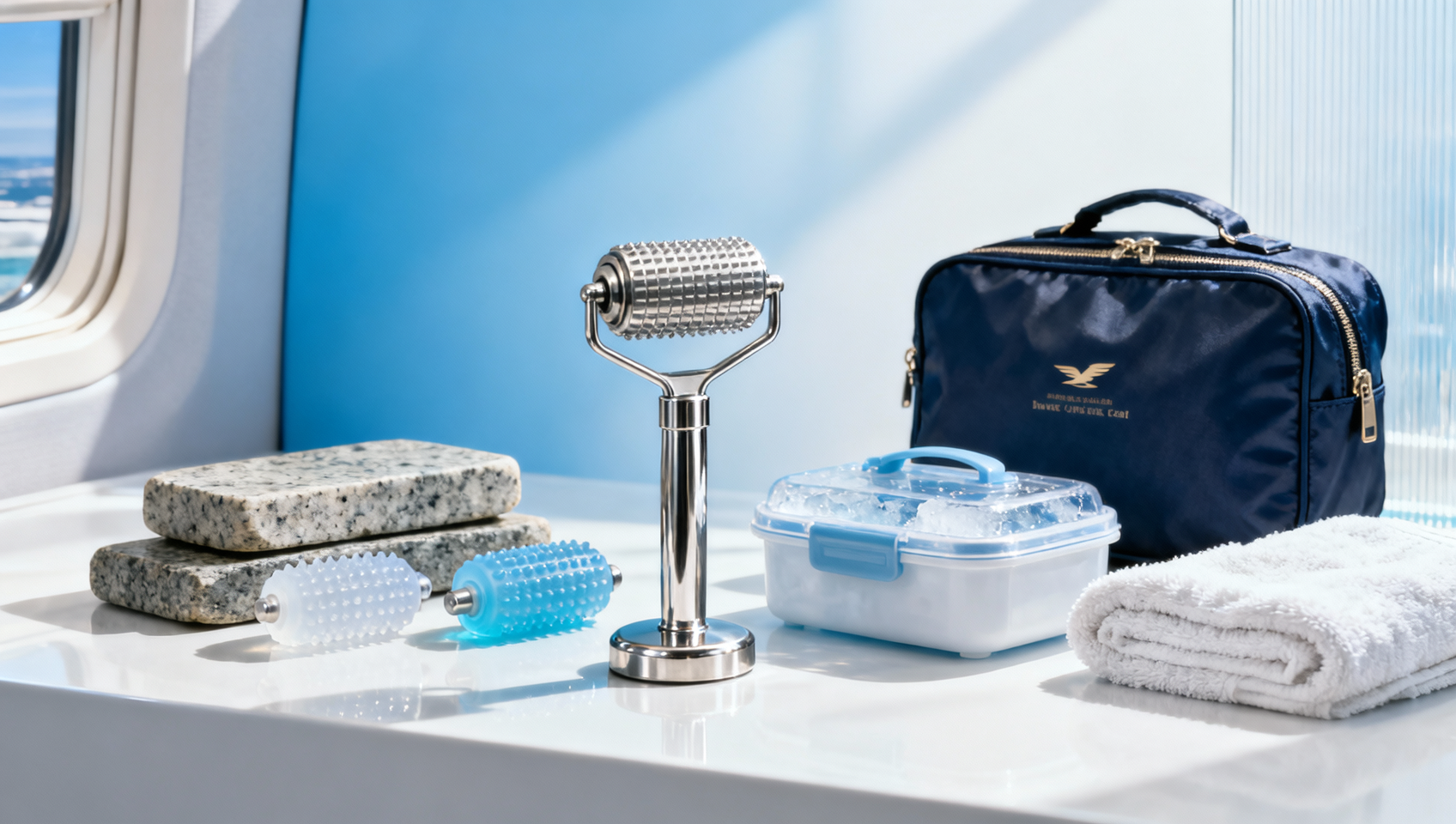
In ice roller wholesale, the short answer is clear: stainless steel generally keeps cold longer than gel-filled plastic, silicone, or most stone options in real commercial use. But for wholesale buyers, that is only part of the decision. The best material also depends on transport conditions, user comfort, durability, safety, and the retail positioning of the final product. For travel service brands, distributors, and sourcing teams, the right choice is the one that balances cold retention with product reliability, compliance, and margin potential.
Which ice roller materials actually stay cold the longest?
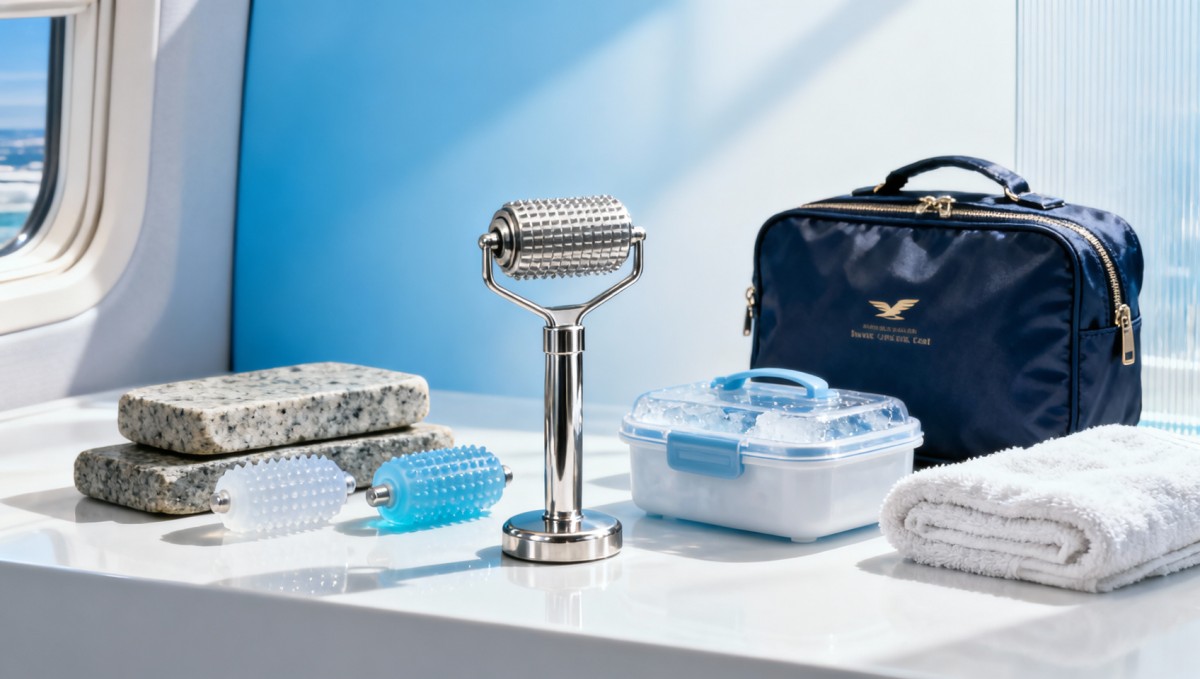
When buyers compare ice roller materials, they usually want one practical answer: which option gives users the longest cooling effect after taking the roller out of the freezer? In most cases, the ranking looks like this:
- Stainless steel – best overall cold retention and stable performance
- Stone – can stay cool well, but performance varies by material type and size
- Gel-filled plastic – decent short-term cooling, but warms faster
- Silicone-based designs – comfortable to touch, but usually weaker in sustained cold retention unless combined with internal cooling mass
For wholesale sourcing, stainless steel is usually the safest recommendation when cold performance is the main selling point. It tends to deliver a more consistent temperature drop, resists leakage better than gel-filled options, and supports a more premium product image.
That said, “keeps cold longer” should not be judged only by freezer time. Buyers should also ask how cold the roller feels on skin, how evenly it cools, how quickly it warms during a 5- to 10-minute use cycle, and whether the material still performs after repeated freezing, shipping, and handling.
Why stainless steel often wins in wholesale product evaluation
Stainless steel ice rollers are popular in higher-value product lines for several reasons beyond temperature retention.
- Longer usable cooling window: The roller head usually remains cold enough for a full facial routine.
- Better structural durability: Stainless steel is less likely to crack, deform, or leak during transport and long-term use.
- Premium appearance: It supports stronger perceived value, which matters for retail pricing and gift-oriented positioning.
- Easier cleaning: Smooth metal surfaces are generally easier to wipe and sanitize.
- Lower after-sales risk: Compared with filled plastic components, stainless steel designs may reduce complaints related to breakage or fluid leakage.
For procurement teams and decision-makers, these advantages often justify a higher unit cost. A product that performs reliably and generates fewer returns may produce better total margin than a cheaper option with weaker durability.
Where gel-filled plastic, silicone, and stone still make sense
Even though stainless steel usually performs best, other materials still fit specific business models and target markets.
Gel-filled plastic is common in entry-level or promotional ice rollers. It can provide an immediate cooling sensation and is often more affordable. However, it may warm quickly, and lower-quality manufacturing can create risks such as leakage, seam failure, or clouding over time.
Silicone is rarely the top performer for pure cold retention by itself, but it offers a softer touch and can improve user comfort. Some brands use silicone in grip areas or combine it with internal cooling elements. For consumer segments sensitive to extreme cold or looking for more ergonomic handling, silicone-enhanced designs can still be commercially attractive.
Stone materials such as jade or similar mineral-based rollers appeal to buyers who prioritize natural aesthetics, spa-style branding, or gift presentation. Some stone rollers can stay cool reasonably well, but material consistency is a challenge. Stone can also be more fragile, and quality varies significantly between suppliers.
For distributors and retail buyers, the right material depends on product positioning:
- Choose stainless steel for performance-driven, premium, repeat-use products.
- Choose gel-filled plastic for lower-cost, mass-market, or promotional items.
- Choose silicone-combination products for comfort-focused designs.
- Choose stone for aesthetic, gifting, or spa-inspired collections.
What wholesale buyers should test before placing a large order
If you are sourcing ice rollers for private label, distribution, or travel-related retail channels, lab claims alone are not enough. A proper sample review should cover the following:
- Cold retention time: Measure freezer-to-use performance over real usage intervals, such as 3, 5, and 10 minutes.
- Surface comfort: Check whether the material feels too harsh on first skin contact.
- Condensation behavior: Excess moisture can affect grip, packaging, and user experience.
- Drop resistance: Simulate accidental falls during normal use.
- Seal integrity: Especially important for gel-filled products.
- Handle stability: Confirm the roller frame, axle, and handle do not loosen after repeated use.
- Freezer cycle durability: Test repeated freezing and thawing to identify cracking, discoloration, or performance loss.
For quality control teams, this step is essential. Two ice rollers may look similar in a catalog, but their long-term performance can differ sharply once they go through shipping, warehousing, and customer use.
How material choice affects business value, not just product performance
For enterprise buyers and financial approvers, material selection should be evaluated through commercial impact, not only technical features.
Higher cold retention can support stronger product claims. If a stainless steel roller stays colder longer, marketing teams can position it more confidently around de-puffing, soothing, post-travel refresh, or self-care routines.
Better durability can reduce return rates. Products that resist leakage and structural damage are less likely to create customer complaints or after-sales costs.
Material influences perceived brand tier. Stainless steel and well-finished stone products often fit premium channels better than basic plastic designs.
Packaging and logistics also matter. Heavier materials may increase shipping cost, while fragile materials may need more protective packaging. Buyers should compare not only ex-factory pricing, but total landed cost.
For travel service brands in particular, product use cases may include post-flight refresh kits, wellness retail, hotel spa amenities, loyalty gifts, or travel recovery bundles. In these scenarios, a premium-feeling and durable material often creates more value than the cheapest available option.
How to choose the right ice roller material for your market
A simple sourcing framework can help teams make faster decisions:
- If your priority is best cold retention: choose stainless steel.
- If your priority is low cost: consider gel-filled plastic, but audit quality carefully.
- If your priority is comfort and ergonomics: review silicone-enhanced designs.
- If your priority is natural or spa-style branding: assess stone options, but check fragility and consistency.
- If your priority is premium retail positioning: stainless steel is usually the strongest all-around choice.
Before final approval, buyers should ask suppliers for material specifications, compliance documentation, cold retention test data, and production quality records. If the product will enter regulated or high-trust markets, supplier transparency matters as much as the material itself.
Conclusion
In ice roller wholesale, stainless steel is usually the best material for keeping cold longer while also delivering durability, hygiene, and premium market appeal. Gel-filled plastic, silicone, and stone can still be the right choice in specific price tiers or branding concepts, but they usually require closer evaluation of trade-offs. For sourcing teams, distributors, and brand owners, the smartest decision is not simply choosing the coldest material on paper. It is choosing the material that performs reliably, supports your market position, controls after-sales risk, and creates lasting value for the end customer.
Related Intelligence
 Cosmetics & PkgApr 21, 2026SAMR Penalizes 7 Platforms for 'Ghost Kitchen' Packaging ViolationsSAMR penalizes 7 platforms for 'ghost kitchen' packaging violations—key alert for food packaging exporters, converters & brands on licensing compliance.
 Cosmetics & PkgApr 21, 2026EU EPR Dual-Country Registration Effective for Beauty PackagingEU EPR Dual-Country Registration is now live for beauty packaging in France & Germany — act now to avoid shipment delays, fees, and customs holds.
 Cosmetics & PkgApr 21, 2026FDA MoCRA Rule: Cosmetic Packaging Must File Separate VCRPFDA MoCRA Rule requires cosmetic packaging—vacuum bottles, pumps, tubes—to file separate VCRP registration by April 17, 2026. Stay compliant & avoid shipment delays!
 Beauty DevicesApr 21, 2026Global Li-ion Recycling Rate Hits 62%; Beauty Device Battery Costs Down 9%Li-ion recycling rate hits 62%—driving 9% lower battery costs for beauty devices. Discover how ODMs, suppliers & logistics teams gain cost, speed & compliance advantages.
 Nursery Furniture & MonitorsApr 21, 2026Canton Fair Phase III: Infant Monitor Inquiries Surge, EN60601-1-12 Gains Traction in Middle EastEN60601-1-12:2023 compliance surges at Canton Fair Phase III — Middle East buyers demand certified infant monitors for clinical-grade home use.
 Smart Pet DevicesApr 21, 2026Vietnam Mandates ISO 13485 & Vietnamese Instructions for Smart Pet CollarsVietnam mandates ISO 13485 & Vietnamese instructions for smart pet collars—key compliance update for exporters, importers, and tech documentation providers.
 Infant Feeding & CareApr 21, 2026JETRO Spring 2026: Blockchain Batch Code Mandatory for Infant Silicone Feeding ProductsBlockchain batch code mandatory for infant silicone feeding products in Japan from Apr 18, 2026—ensure JP-Trace compliance now to avoid port detention & shipment delays.
 STEM & Educational ToysApr 21, 2026SASO Launches 24-Hour AI Module Certification for STEM Toys in Saudi ArabiaSASO FastTrack AI certification for STEM toys: Get SASO AI module certification in just 24 hours—exclusively for CNAS-tested, IEC-compliant smart educational toys.
 Corporate & Seasonal GiftsApr 21, 2026TÜV Germany Enforces LCA Carbon Heatmaps for Gift PackagingLCA carbon heatmaps now mandatory for gift packaging in Germany—TÜV Germany enforces ISO-compliant lifecycle assessments from April 2026. Act now to avoid delisting.
 Camping & WaterApr 21, 2026RCEP Cuts Tariff on Camping Water Bags to Indonesia by 0.8%RCEP cuts tariff on camping water bags to Indonesia by 0.8%—but new LPSE tender demands TPU+aluminum composite & EN13593 certification. Act now to align sourcing, testing, and origin compliance.
 Pet Grooming & TravelApr 20, 2026Pet Hair Dryer Stand Stability Matters More Than Motor PowerPet hair dryer stand stability matters more than motor power for safer grooming, better ROI, and stronger pet private label sourcing decisions. Compare smart buying insights now.
 Pet Furniture & EnrichmentApr 20, 2026Pet Memorial Urns Wholesale Depends More on Packaging Than ExpectedPet memorial urns wholesale for travel services starts with packaging. Learn how pet private label, safer shipping, and smarter sourcing improve brand value and guest experience.
 Corporate & Seasonal GiftsApr 20, 2026Why LED Fairy Lights Wholesale Quotes Vary More Than ExpectedLED fairy lights wholesale quotes vary for reasons beyond markup—materials, certifications, packaging, and lead times. Compare hidden costs, compliance, and supplier risk before you buy.