Why Wholesale Silicone Wristbands Fail to Match Sample Quality
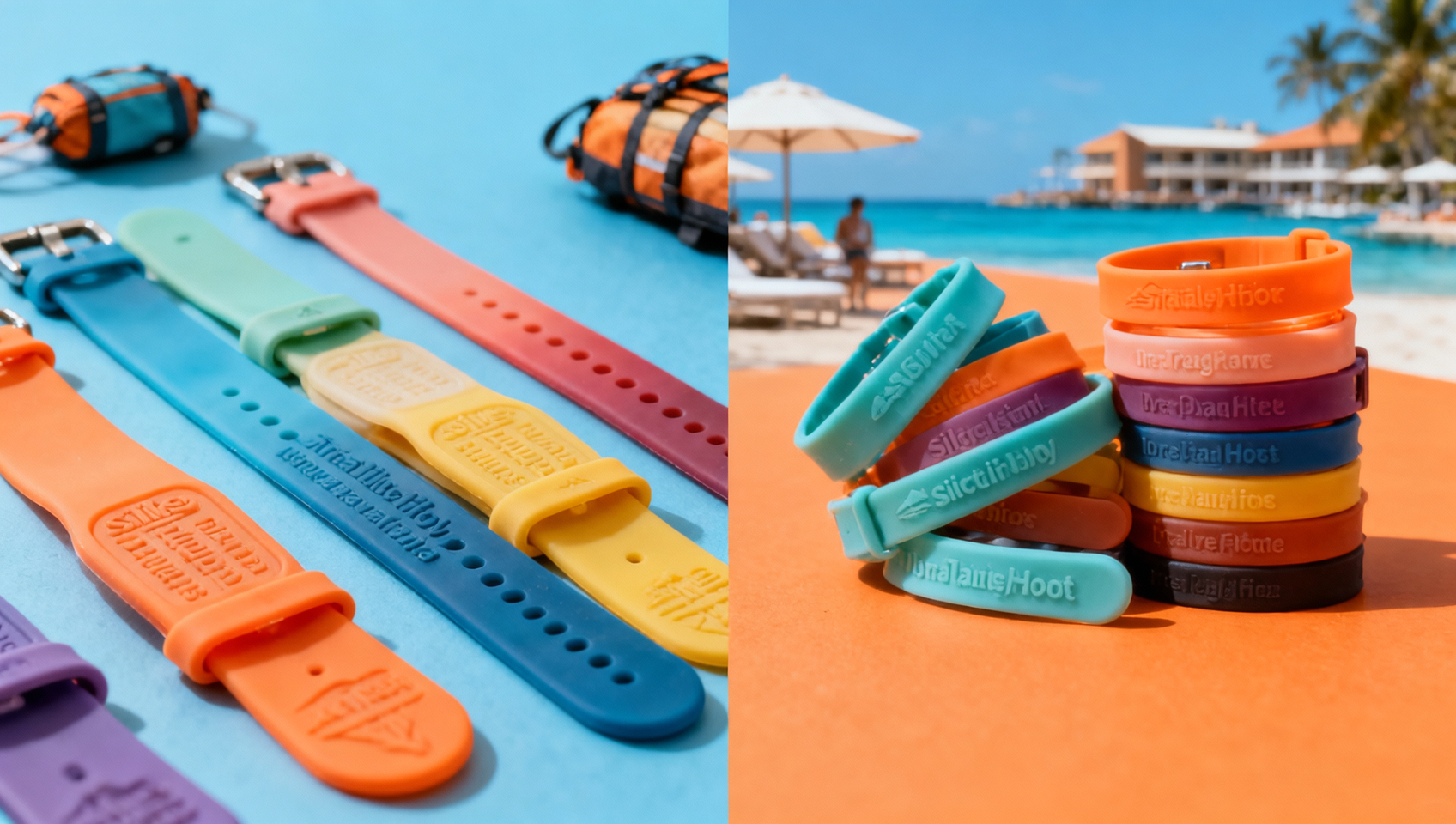
Many buyers discover that wholesale silicone wristbands look perfect in samples but fall short in mass production. For sourcing teams, quality managers, and decision-makers in travel services and retail supply chains, this gap can mean delays, complaints, and higher costs. Understanding why consistency breaks down is essential to improving supplier selection, inspection standards, and long-term procurement results.
The short answer is this: wholesale silicone wristbands usually fail to match sample quality because the sample and the bulk order are often made under different conditions, with different controls, and sometimes even with different materials or production priorities. For buyers, the real issue is not just “bad quality.” It is process inconsistency across material selection, molding, coloring, printing, curing, inspection, and supplier management. If you understand where these gaps happen, you can reduce quality drift before it affects delivery, end-user satisfaction, or total landed cost.
Why do silicone wristband samples look better than bulk production?
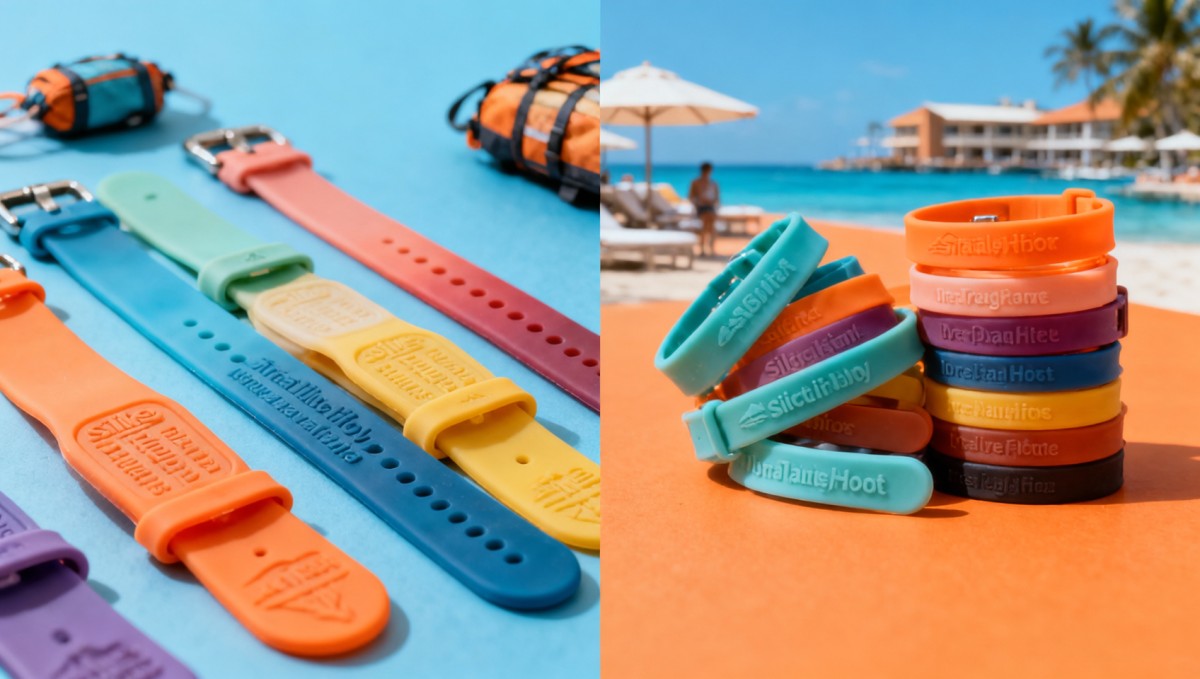
In most sourcing projects, samples are produced with more attention than mass orders. A factory may assign senior technicians, use slower machine settings, inspect each piece manually, and choose better-looking materials for approval samples. Once the order moves into bulk production, the incentives change. Output speed, labor efficiency, and raw material cost start to dominate.
This is why a silicone wristband sample can appear smooth, evenly colored, odor-free, and sharply printed, while the wholesale batch shows defects such as:
- Color inconsistency between lots
- Rough edges or excess flash
- Weak debossed or embossed details
- Print peeling or fading
- Stronger odor from lower-grade silicone or poor curing
- Variation in softness, stretch, or durability
For procurement teams and technical evaluators, this difference usually points to inadequate process control rather than a one-time accident. In other words, the sample was not a reliable representation of stable production capability.
What are the most common root causes behind sample-to-bulk quality gaps?
Several production factors explain why wholesale silicone wristbands fail to match approved samples.
1. Different raw material grades are used
Not all silicone is equal. Factories may use higher-purity silicone for samples, then switch to lower-cost compounds for larger orders to protect margin. This affects touch, elasticity, odor, color stability, and aging resistance. If the order is intended for tourism promotions, events, resorts, or branded travel packages, poor material quality can quickly damage brand perception.
2. Color matching is not tightly controlled
Color is one of the biggest complaint areas in wristband procurement. Pantone matching in a sample may be close, but mass production can drift due to pigment ratio inconsistency, batch variation, or poor mixing. This is especially critical for branded campaigns, destination marketing, tour operator promotions, and distributor resale programs where brand consistency matters.
3. Mold quality and machine settings change in production
Clean, sharp details in the sample may come from a well-maintained mold and low-volume setup. In bulk production, mold wear, poor trimming, faster cycle times, or inconsistent pressure can create blurred text, uneven thickness, and edge defects. These are common when factories push quantity without maintaining tooling quality.
4. Printing and filling processes are less stable in volume
Many wholesale silicone wristbands include screen printing, color-filled debossing, or embossed branding. These decorative processes can look excellent on a sample but fail in volume when drying time, ink adhesion, operator skill, or surface cleaning is inconsistent. The result is logos that crack, peel, or look misaligned.
5. Curing and post-processing are rushed
If silicone is not cured correctly, the product may feel tacky, smell stronger than expected, or perform poorly over time. This is one reason a wristband can initially look acceptable but later deform, fade, or attract complaints in actual use. Bulk orders are more vulnerable when factories shorten curing cycles to meet deadlines.
6. The approved sample was never converted into a true production standard
This is one of the most overlooked issues. A sample may be approved visually, but key technical requirements are never documented in a production-ready quality file. Without clear standards for hardness, dimensions, tensile feel, color tolerance, print adhesion, odor threshold, and defect allowance, the factory interprets “same as sample” too loosely.
Which quality issues matter most to buyers, quality teams, and decision-makers?
Different stakeholders focus on different risks, but the most important concerns usually overlap.
For procurement teams
The biggest concern is whether the factory can deliver consistent bulk quality without causing replacement costs, shipment delays, or internal escalation. A low unit price loses its value quickly if defects trigger rework, air freight, or customer complaints.
For quality control and safety managers
The priority is whether the silicone wristbands meet material, chemical, and physical expectations consistently. This includes odor control, skin-contact suitability, durability, and compliance documentation where required. Even for promotional or travel-related products, substandard quality can create safety concerns or reputational problems.
For project managers
The key risk is timeline disruption. If bulk quality fails after production, the project may face inspection holds, re-approval cycles, and missed event or campaign deadlines.
For financial approvers and business leaders
The core question is cost of failure. Poor consistency affects more than product appearance. It increases returns, weakens distributor confidence, harms brand image, and creates hidden sourcing costs. Decision-makers want suppliers that can protect margin through stable execution, not just attractive quotations.
How can buyers verify whether a supplier can really match sample quality?
The best way to reduce risk is to treat sample approval as the start of technical validation, not the end of it.
Request a golden sample and keep it controlled
After approval, require a signed and dated golden sample that becomes the reference for production and inspection. Both buyer and supplier should hold the same version. This avoids disputes later.
Convert visual approval into measurable standards
Do not rely on “looks good.” Create a clear specification sheet that defines:
- Material grade and silicone type
- Color reference and tolerance
- Size and thickness tolerance
- Hardness range
- Logo depth, print position, and finish
- Odor acceptance level
- Packaging requirements
- Acceptable quality limit for defects
Ask whether the sample was handmade, pilot-made, or production-made
This question is extremely important. A handmade sample does not prove the factory can replicate the result in large volume. A pilot-run sample from actual production equipment is much more reliable.
Review the supplier’s process controls
Ask how the factory manages incoming material inspection, color mixing, mold maintenance, curing records, and in-line quality checks. Strong suppliers can explain their controls clearly. Weak suppliers tend to speak only about price and lead time.
Use pre-production and pre-shipment inspections
For larger orders, inspect before full production starts and again before shipment. This helps catch color drift, finishing issues, and workmanship problems before the order reaches your warehouse or distribution network.
What should be written into a purchase order to avoid quality disputes?
Many bulk quality failures become expensive because the contract language is too vague. If you want wholesale silicone wristbands to match approved expectations, the purchase order should include more than quantity and price.
Key items to include are:
- Reference to the approved golden sample
- Exact material specification
- Pantone or approved color standard
- Production process requirements for printing, debossing, embossing, or color fill
- Inspection criteria and defect thresholds
- Packaging and labeling standards
- Compliance or testing requirements, if applicable
- Rework, rejection, or compensation terms if quality does not match approval
This is especially important for distributors, agents, and enterprise buyers managing repeat orders across multiple campaigns or customer accounts. Clear documentation protects both operational efficiency and commercial relationships.
When is a low-cost supplier actually more expensive?
A cheaper quote often looks attractive during sourcing, but the total cost can become much higher if the supplier cannot maintain consistency. The hidden cost areas usually include:
- Additional inspections
- Rework and replacement orders
- Expedited logistics
- Delayed launches or event disruptions
- Customer service burden and claims handling
- Loss of distributor or client trust
For travel services, branded merchandise often supports guest experience, promotions, access control, group coordination, seasonal campaigns, or partnership events. If silicone wristbands arrive below sample quality, the problem is not cosmetic alone. It can disrupt branded delivery at the point where customer-facing operations matter most.
How should buyers make a better sourcing decision?
If a supplier’s sample quality is strong but their mass production is unreliable, the right conclusion is not simply that “the factory is bad.” The more useful conclusion is that the supplier may lack repeatable process discipline. Buyers should evaluate suppliers based on consistency systems, not only on sample appearance.
A stronger sourcing decision usually comes from asking five practical questions:
- Was the approved sample made under true production conditions?
- Are material and color standards documented clearly?
- Does the supplier have evidence of stable quality control in bulk orders?
- Is inspection built into the order timeline?
- Does the commercial agreement define what happens if bulk quality differs from the sample?
If the answer to several of these questions is no, the sourcing risk is high, even if the sample looks excellent.
Conclusion
Wholesale silicone wristbands fail to match sample quality mainly because the sample is often produced under ideal conditions, while bulk production is governed by cost pressure, faster output, weaker controls, and incomplete specifications. For buyers, quality managers, and business decision-makers, the solution is not just stricter inspection at the end. It starts earlier, with better supplier evaluation, tighter technical documentation, production-based sample approval, and contract terms that define quality clearly.
When you treat sample approval as part of a controlled sourcing system rather than a visual formality, you dramatically improve your chances of getting silicone wristbands that perform consistently in real-world wholesale production. That is the standard that protects margins, timelines, and brand credibility.
Related Intelligence
 Cosmetics & PkgApr 21, 2026SAMR Penalizes 7 Platforms for 'Ghost Kitchen' Packaging ViolationsSAMR penalizes 7 platforms for 'ghost kitchen' packaging violations—key alert for food packaging exporters, converters & brands on licensing compliance.
 Cosmetics & PkgApr 21, 2026EU EPR Dual-Country Registration Effective for Beauty PackagingEU EPR Dual-Country Registration is now live for beauty packaging in France & Germany — act now to avoid shipment delays, fees, and customs holds.
 Cosmetics & PkgApr 21, 2026FDA MoCRA Rule: Cosmetic Packaging Must File Separate VCRPFDA MoCRA Rule requires cosmetic packaging—vacuum bottles, pumps, tubes—to file separate VCRP registration by April 17, 2026. Stay compliant & avoid shipment delays!
 Beauty DevicesApr 21, 2026Global Li-ion Recycling Rate Hits 62%; Beauty Device Battery Costs Down 9%Li-ion recycling rate hits 62%—driving 9% lower battery costs for beauty devices. Discover how ODMs, suppliers & logistics teams gain cost, speed & compliance advantages.
 Nursery Furniture & MonitorsApr 21, 2026Canton Fair Phase III: Infant Monitor Inquiries Surge, EN60601-1-12 Gains Traction in Middle EastEN60601-1-12:2023 compliance surges at Canton Fair Phase III — Middle East buyers demand certified infant monitors for clinical-grade home use.
 Smart Pet DevicesApr 21, 2026Vietnam Mandates ISO 13485 & Vietnamese Instructions for Smart Pet CollarsVietnam mandates ISO 13485 & Vietnamese instructions for smart pet collars—key compliance update for exporters, importers, and tech documentation providers.
 Infant Feeding & CareApr 21, 2026JETRO Spring 2026: Blockchain Batch Code Mandatory for Infant Silicone Feeding ProductsBlockchain batch code mandatory for infant silicone feeding products in Japan from Apr 18, 2026—ensure JP-Trace compliance now to avoid port detention & shipment delays.
 STEM & Educational ToysApr 21, 2026SASO Launches 24-Hour AI Module Certification for STEM Toys in Saudi ArabiaSASO FastTrack AI certification for STEM toys: Get SASO AI module certification in just 24 hours—exclusively for CNAS-tested, IEC-compliant smart educational toys.
 Corporate & Seasonal GiftsApr 21, 2026TÜV Germany Enforces LCA Carbon Heatmaps for Gift PackagingLCA carbon heatmaps now mandatory for gift packaging in Germany—TÜV Germany enforces ISO-compliant lifecycle assessments from April 2026. Act now to avoid delisting.
 Camping & WaterApr 21, 2026RCEP Cuts Tariff on Camping Water Bags to Indonesia by 0.8%RCEP cuts tariff on camping water bags to Indonesia by 0.8%—but new LPSE tender demands TPU+aluminum composite & EN13593 certification. Act now to align sourcing, testing, and origin compliance.
 Pet Grooming & TravelApr 20, 2026Pet Hair Dryer Stand Stability Matters More Than Motor PowerPet hair dryer stand stability matters more than motor power for safer grooming, better ROI, and stronger pet private label sourcing decisions. Compare smart buying insights now.
 Pet Furniture & EnrichmentApr 20, 2026Pet Memorial Urns Wholesale Depends More on Packaging Than ExpectedPet memorial urns wholesale for travel services starts with packaging. Learn how pet private label, safer shipping, and smarter sourcing improve brand value and guest experience.
 Corporate & Seasonal GiftsApr 20, 2026Why LED Fairy Lights Wholesale Quotes Vary More Than ExpectedLED fairy lights wholesale quotes vary for reasons beyond markup—materials, certifications, packaging, and lead times. Compare hidden costs, compliance, and supplier risk before you buy.