CPSC Tightens Battery Compartment Standards for STEM Toys
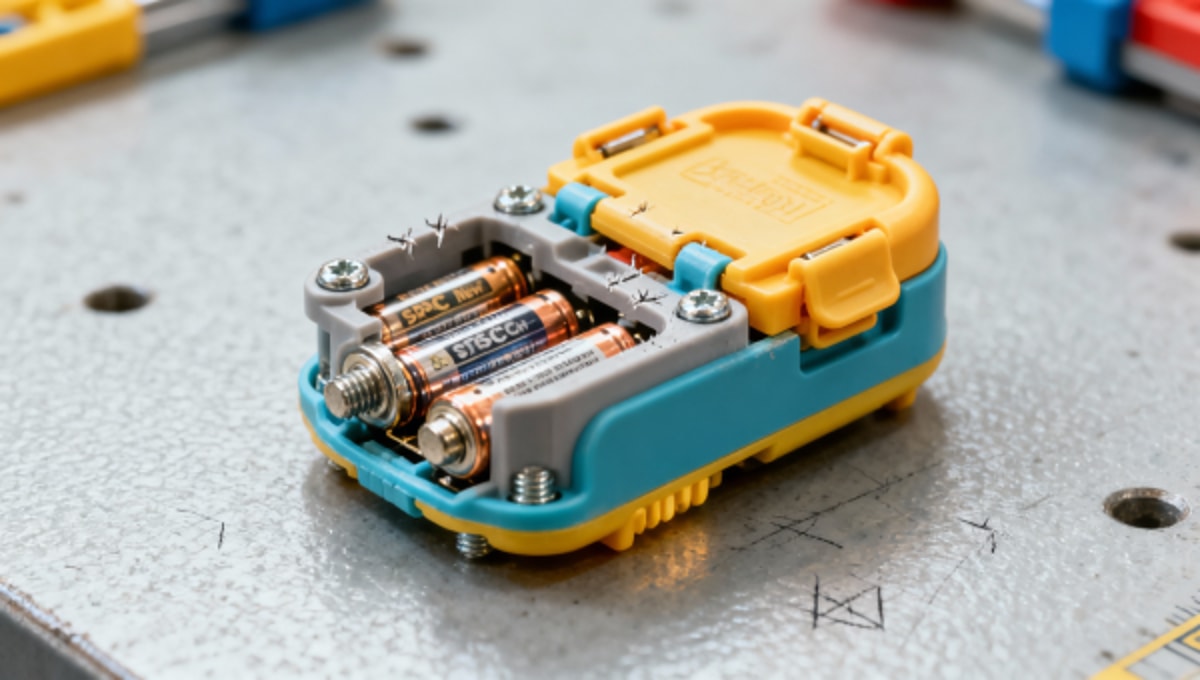
On April 29, 2026, the U.S. Consumer Product Safety Commission (CPSC) issued an emergency amendment to 16 CFR §1250, introducing new mechanical safety requirements for button-cell battery compartments in STEM and educational toys. This update directly impacts manufacturers, exporters, and importers of children’s learning products—particularly those supplying the U.S. market—and signals a heightened enforcement focus on ingestion risk mitigation.
Event Overview
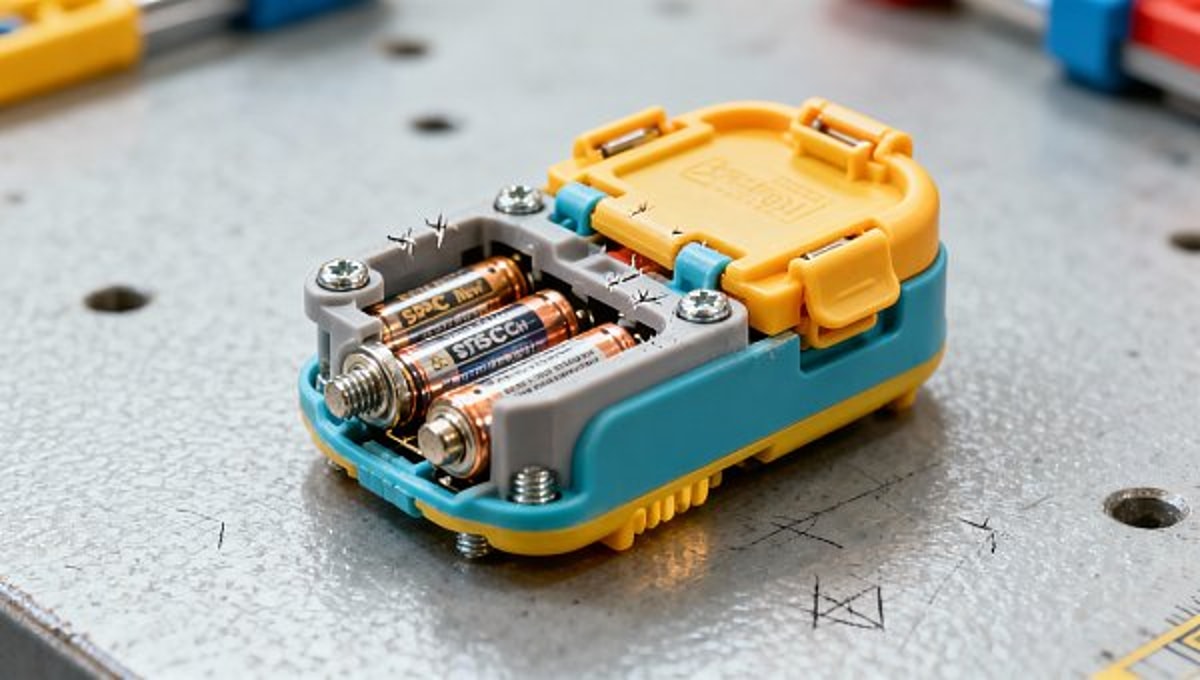
On April 29, 2026, the CPSC published Emergency Amendment 16 CFR §1250, mandating the ASTM F963-23 Annex D.5.2.3 ‘simulated child bite-force test’ for STEM and educational toys containing button batteries. Under this test, a 30 N bite-force must be applied to the battery compartment; no battery may dislodge or become accessible. The rule takes effect on July 1, 2026. Products failing to meet the requirement will be denied entry into the United States during the transition period.
Industries Affected
STEM Toy OEM Manufacturers (especially China-based)
These manufacturers are directly affected because the amendment targets product structure—not labeling or packaging. The requirement necessitates physical redesign of battery compartments, including reinforcement of latches, screws, or sliding mechanisms. Impact manifests as urgent tooling modifications, extended lead times for mold revisions, and potential revalidation of production batches against the new test protocol.
U.S.-Bound Exporters & Trading Companies
Exporters handling STEM toy shipments to the U.S. face increased pre-shipment compliance risk. Customs brokers and importers may now require third-party test reports referencing ASTM F963-23 Annex D.5.2.3 prior to clearance. Non-compliant consignments risk detention or refusal at port, disrupting order fulfillment and contractual obligations.
Component Suppliers (Battery Holders, Plastic Housing Molders)
Suppliers providing battery compartment subassemblies or injection-molded housings must align their designs with the 30 N bite-force threshold. This affects tolerance specifications, material selection (e.g., rigidity vs. brittleness trade-offs), and functional testing protocols. Existing inventory of legacy components may become obsolete for U.S.-bound units post-July 2026.
Key Considerations and Immediate Actions for Stakeholders
Monitor official CPSC guidance and enforcement notices
The CPSC has not yet published detailed test methodology documentation beyond referencing ASTM F963-23 Annex D.5.2.3. Stakeholders should track CPSC’s official updates—including any interpretive FAQs or lab accreditation announcements—to avoid misalignment between internal validation and regulatory expectations.
Prioritize high-volume, high-risk SKUs for structural review
Products using top-access, slide-open, or screw-free battery compartments—especially those with plastic-only retention—are most likely to fail the 30 N test. Manufacturers should triage SKUs by U.S. shipment volume and mechanical design complexity, beginning verification with prototypes before full-scale tooling revision.
Distinguish between policy signal and operational readiness
While the July 1, 2026 effective date is firm, the CPSC has not announced a grace period for existing stock or transitional testing windows. Companies should treat the deadline as absolute for new production runs—not as a flexible compliance horizon—and avoid assumptions about phased enforcement.
Initiate cross-functional alignment now
Engineering, quality assurance, procurement, and logistics teams must coordinate on timelines for mold changes, material requalification, and updated test reporting. Early engagement with accredited labs capable of performing Annex D.5.2.3 testing is recommended, as lab capacity may tighten ahead of the deadline.
Editorial Perspective / Industry Observation
Observably, this amendment reflects a shift from hazard awareness to prescriptive mechanical control in CPSC’s approach to button battery safety. It is not a broad-based standard revision but a targeted, test-specific intervention—indicating that the agency is acting on incident data pointing to bite-force–induced failure as a distinct risk vector. Analysis shows this is less a ‘warning shot’ and more an operational checkpoint: the CPSC has moved past consultation and into enforceable technical specification. From an industry perspective, it underscores that structural safety in children’s electronics is now assessed under dynamic mechanical stress—not just static design or user instructions. Continued attention is warranted as CPSC may extend similar bite-force requirements to other battery-powered children’s products in future rulemaking.
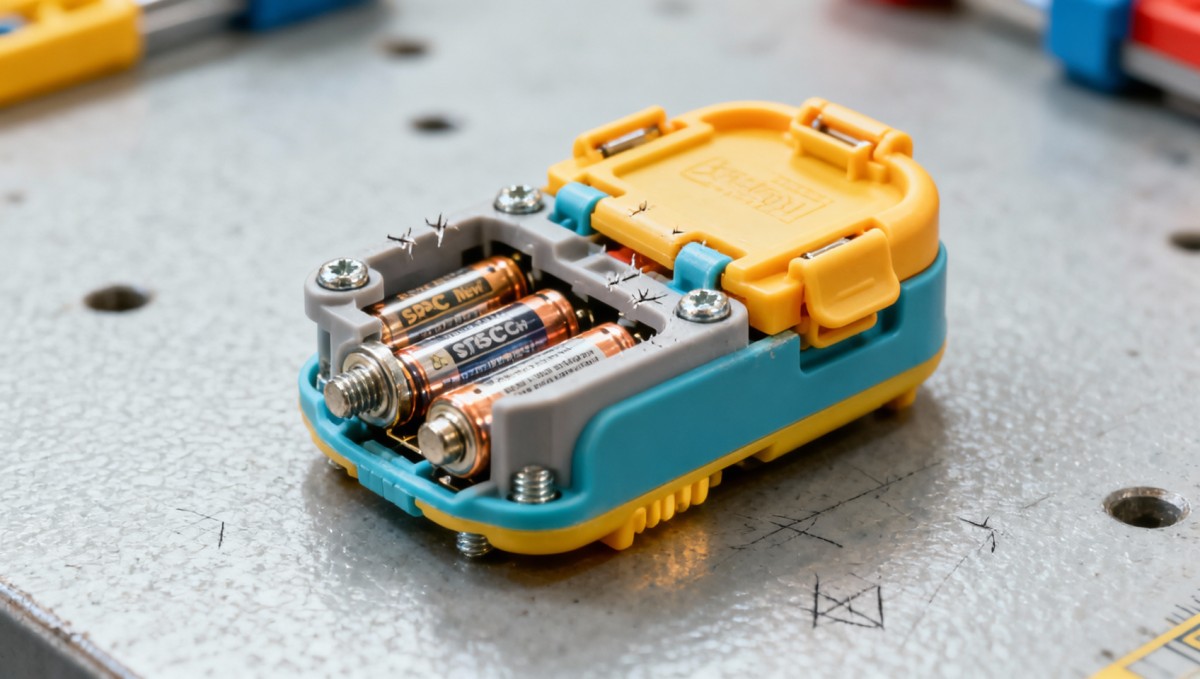
In summary, this amendment establishes a concrete, near-term compliance threshold for STEM toy producers targeting the U.S. market. Its significance lies not in novelty—button battery safety has long been regulated—but in the specificity and immediacy of its mechanical performance requirement. Currently, it is best understood as a mandatory design constraint, not a guideline or recommendation: successful market access after July 2026 depends on verifiable physical resistance to 30 N bite force, not on documentation alone.
Source: U.S. Consumer Product Safety Commission (CPSC), Emergency Amendment to 16 CFR §1250, published April 29, 2026. Note: Ongoing observation is recommended for CPSC-issued test procedure clarifications and lab accreditation updates.
Related Intelligence
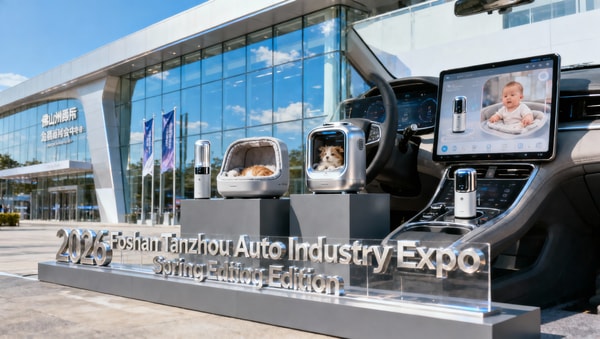
 Beauty DevicesMay 01, 20262026 Foshan Tanzhou Auto Industry Expo Spring Edition2026 Foshan Tanzhou Auto Industry Expo Spring Edition features the debut 'Beauty Devices & Smart Cabin' zone—driving cross-industry innovation and global sourcing opportunities.
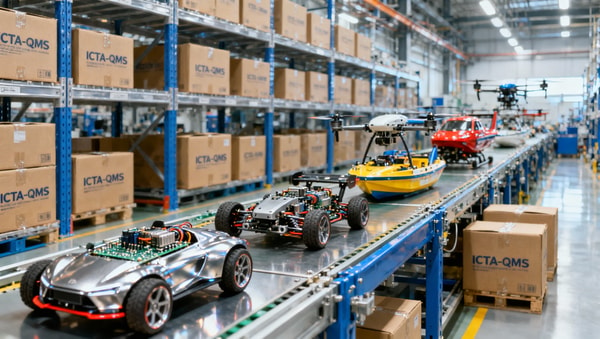
 Electronic & RC ToysMay 01, 2026RC Toy Orders Shift to South China, Lead Time Cuts to 6 WeeksRC toy orders shift to South China with 6-week lead times—key for importers, OEMs & logistics firms. Discover ICTA-QMS certified factories in Shenzhen/Dongguan now driving speed and reliability.
 STEM & Educational ToysMay 01, 2026CPSC Tightens Battery Compartment Standards for STEM ToysCPSC Tightens Battery Compartment Standards for STEM Toys: New 30 N bite-force test mandatory for U.S. market access starting July 1, 2026—act now to avoid shipment delays.
 Infant Feeding & CareMay 01, 2026RCEP ASEAN Adds Fast Track for Infant Feeding ProductsRCEP ASEAN fast tracks infant feeding products—baby bottles, breast pumps & warmers—with NMPA Class II filing. Save 11 days on customs clearance in ASEAN markets.
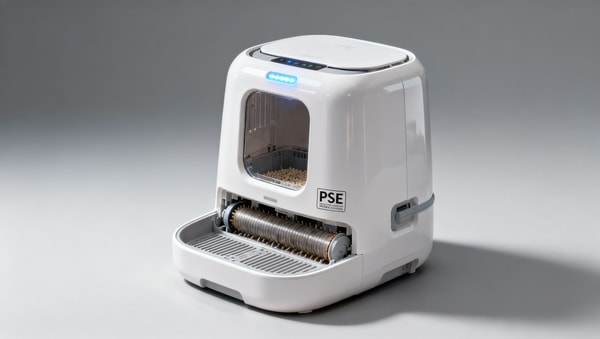
 Smart Pet DevicesMay 01, 2026Japan METI Expands Smart Pet Device PSE White List: Chinese Self-Cleaning Litter Boxes Gain Priority ReviewJapan METI expands PSE white list for smart pet devices—Chinese self-cleaning litter boxes now qualify for priority PSE review, cutting certification to 12 days.
 Corporate & Seasonal GiftsMay 01, 2026Germany’s UBA Launches Mandatory Carbon Labeling for Corporate Gift InksGermany’s UBA mandates carbon labeling for corporate gift inks—key for exporters, ODMs & ink suppliers. Act now to comply by July 2026.
 Fitness EquipmentMay 01, 2026THE Alliance Cuts Shanghai–LA Capacity: Fitness Equipment Shipment Delays to 8–10 WeeksFitness equipment shipment delays hit 8–10 weeks as THE Alliance cuts Shanghai–LA capacity by 32%. Act now to secure slots, revise ETAs & optimize FOB planning.
 Camping & WaterMay 01, 2026Vietnam Suspends Camping & Water Import Licenses Effective Apr 30, 2026Vietnam suspends Camping & Water import licenses from Apr 30, 2026—IP6X + ASTM B117 testing now mandatory. Act now to avoid shipment delays!
 Cosmetics & PkgMay 01, 2026SASO Updates Cosmetics Packaging Rules for Plant Extracts in Saudi ArabiaSASO cosmetics packaging rules updated: Plant extract cosmetics now require EN 13130 migration & ISO 11341 photostability testing—mandatory for Saudi market access after Aug 1, 2026.
") Skincare OEMMay 01, 2026FDA Adds New Code for Plant Stem Cell Extracts (PCSC-2026)FDA's new PCSC-2026 code for plant stem cell extracts reshapes U.S. cosmetic compliance—key for OEMs, exporters & suppliers. Act now!
Skincare OEMMay 01, 2026FDA Adds New Code for Plant Stem Cell Extracts (PCSC-2026)FDA's new PCSC-2026 code for plant stem cell extracts reshapes U.S. cosmetic compliance—key for OEMs, exporters & suppliers. Act now! Cosmetics & PkgMay 01, 2026Vegan Makeup Wholesale in 2026: What Brands Are Prioritizing NowVegan makeup wholesale in 2026 is driven by compliance, transparency, and private-label agility. See what brands prioritize now and how buyers choose smarter suppliers.
 Skincare OEMMay 01, 2026Organic Face Serum OEM: What Makes Certification and Claims More Complex Than They LookOrganic face serum OEM is more complex than it seems. Explore certification, claims, traceability, and cross-border compliance risks to choose credible partners and launch with confidence.
 Skincare OEMMay 01, 2026Anti Aging Cream Wholesale: How to Judge Formula Value Without Chasing TrendsAnti aging cream wholesale buyers: learn how to judge real formula value through stability, compliance, ingredient logic, and travel-ready performance for smarter sourcing.