Japan METI Expands Smart Pet Device PSE White List: Chinese Self-Cleaning Litter Boxes Gain Priority Review
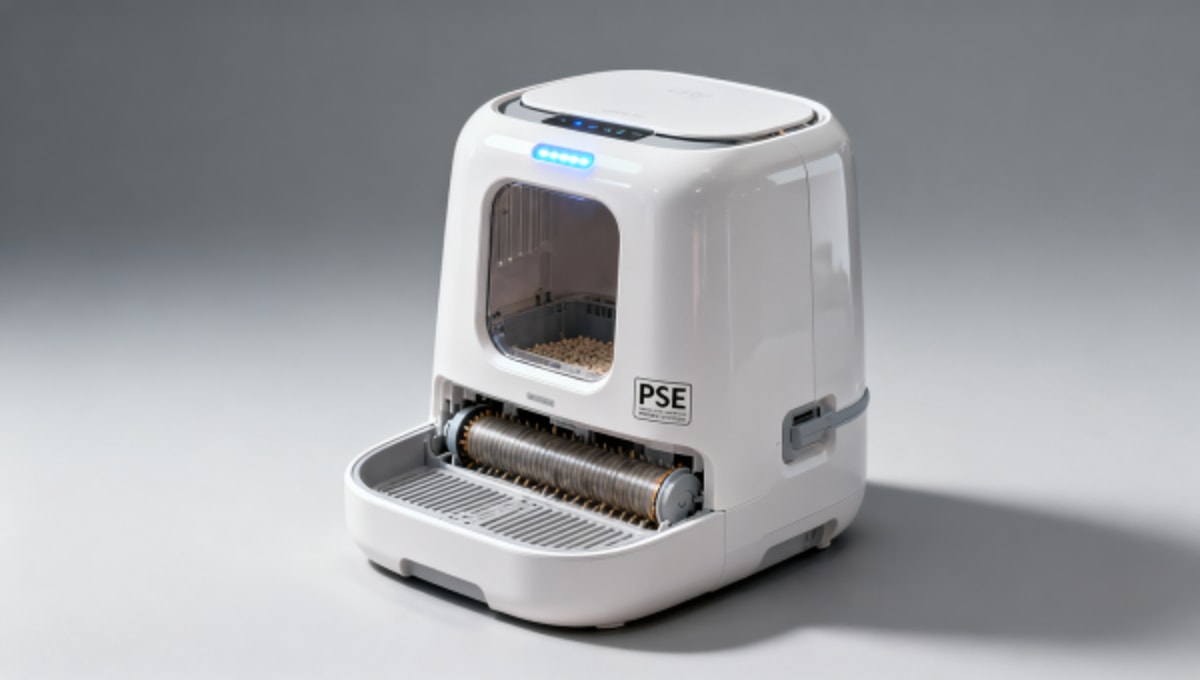
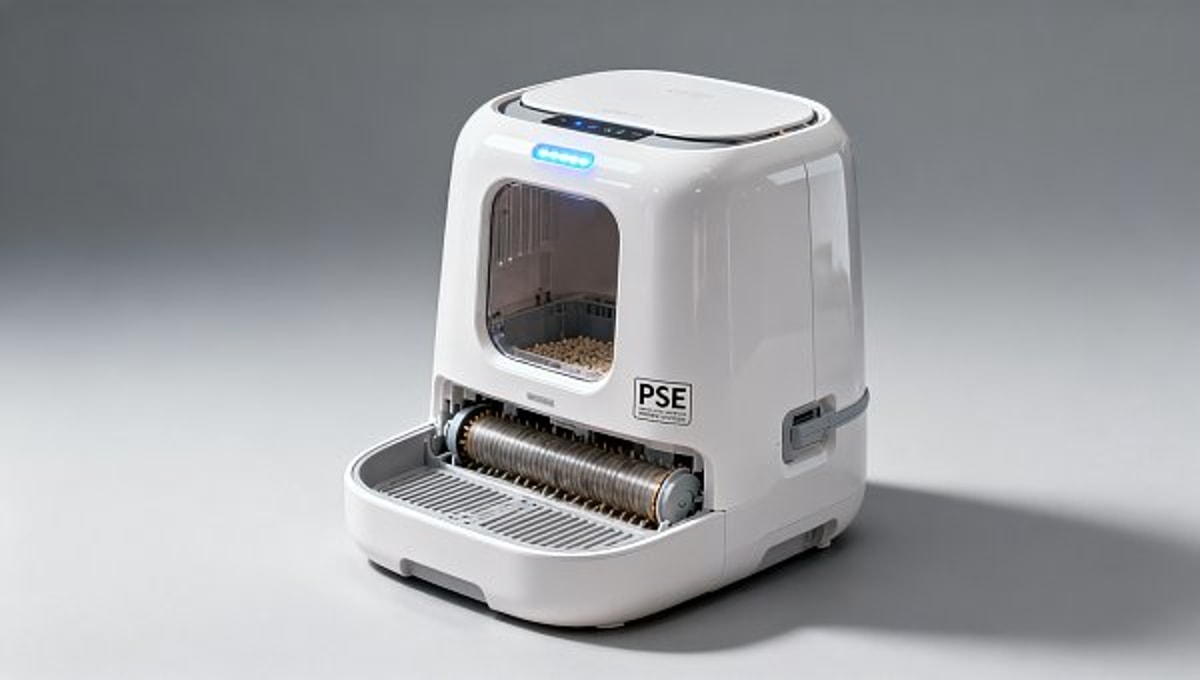
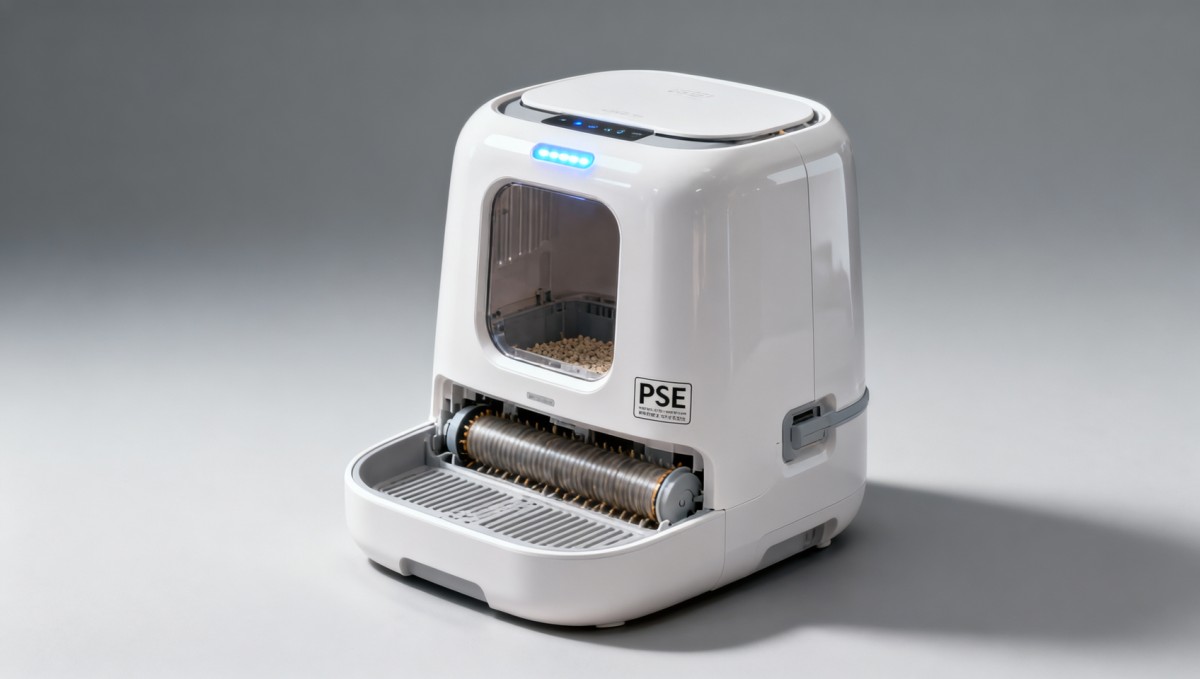
On April 30, 2026, Japan’s Ministry of Economy, Trade and Industry (METI) updated the appendix to the Electrical Appliance and Material Safety Act (DENAN Law), adding ‘automatic self-cleaning smart litter boxes’ to its PSE-designated white list. The revision explicitly grants Chinese-manufactured units priority access to the PSE conformity assessment process—provided they submit test reports from NITE-recognized laboratories and a declaration of conformity to JIS C 9335-1:2025. This change is relevant to manufacturers, exporters, and compliance service providers in the smart pet device sector—particularly those engaged in Japan-bound shipments—and signals a material reduction in regulatory lead time for a high-growth product category.
Event Overview
On April 30, 2026, METI published an update to the official white list under the Electrical Appliance and Material Safety Act. The update formally includes ‘automatic cleaning-type smart litter boxes’ as a newly designated category eligible for PSE certification. The notice specifies that devices manufactured in China may enter the PSE fast-track pathway upon submission of (1) test reports issued by laboratories recognized by Japan’s National Institute of Technology and Evaluation (NITE), and (2) a written declaration confirming compliance with JIS C 9335-1:2025. Under this arrangement, the average certification timeline for qualifying units is reduced to 12 working days—a 60% acceleration versus standard PSE procedures. The policy applies specifically to products exported from China’s manufacturing clusters, with emphasis on those based in the Pearl River Delta region.
Industries Affected
Direct Exporters and OEM/ODM Manufacturers
Exporters shipping smart litter boxes to Japan are directly affected, as the revised pathway lowers both time-to-market and certification cost. Impact manifests primarily in shortened pre-shipment lead times and increased predictability in customs clearance scheduling—especially for batch shipments originating from Guangdong and other southern manufacturing hubs.
Compliance and Certification Service Providers
Third-party testing labs and PSE consulting firms supporting Chinese clients must now align reporting formats and documentation workflows with the new white-list requirements. Impact includes heightened demand for NITE-recognized lab capacity and JIS C 9335-1:2025–specific test protocols—particularly for electrical safety and motor-driven mechanical function assessments.
Component Suppliers and Subsystem Integrators
Suppliers of key subsystems—including micro-motor assemblies, infrared sensors, waste-compaction mechanisms, and IoT modules—face indirect but measurable impact. As end-product certification timelines compress, upstream vendors may experience tighter delivery windows and increased scrutiny of component-level safety documentation to support downstream PSE declarations.
Distribution and Channel Operators in Japan
Japanese importers, distributors, and e-commerce platform operators handling smart pet devices will see improved inventory planning flexibility due to faster certification turnaround. The change does not alter post-import market surveillance or labeling obligations—but enables quicker replenishment cycles and more responsive product launches aligned with seasonal demand peaks (e.g., year-end gifting periods).
Key Considerations and Recommended Actions for Stakeholders
Monitor official METI and NITE updates for implementation details
The April 30 notice confirms eligibility criteria but does not specify whether existing non-compliant units in Japan require retroactive re-certification, nor does it clarify transitional arrangements for pending applications. Stakeholders should track METI’s official English-language notices and NITE’s laboratory recognition bulletins for operational guidance.
Prioritize JIS C 9335-1:2025 alignment in product design and testing
JIS C 9335-1:2025—the Japanese adoption of IEC 60335-1:2020 with national deviations—introduces updated requirements for motor-driven appliances with moving parts and automatic cleaning functions. Manufacturers should verify that their current test reports explicitly reference the 2025 edition and cover all applicable clauses, including Clause 20 (mechanical strength), Clause 22 (component durability), and Annex BB (pet-specific risk assessment).
Distinguish between policy signal and immediate operational readiness
While the white-list expansion is effective as of April 30, 2026, actual processing speed depends on laboratory capacity, document completeness, and NITE’s validation of submitted reports. Companies should treat the 12-working-day target as a conditional benchmark—not a guaranteed SLA—and allow buffer time for administrative review and potential clarification requests.
Prepare documentation packages proactively for high-volume SKUs
Manufacturers planning bulk exports should pre-assemble standardized documentation sets—including bilingual (English/Japanese) conformity declarations, NITE lab report summaries, and bill-of-materials cross-references—for top-selling models. Doing so reduces per-unit processing latency and supports scalable certification across product variants.
Editorial Perspective / Industry Observation
Observably, this update reflects METI’s targeted effort to streamline market access for high-volume, low-risk consumer electronics categories where domestic demand growth has outpaced regulatory responsiveness. Analysis shows the inclusion was driven less by broad trade diplomacy and more by data-backed demand signals: Japanese pet ownership rose 14% between 2022–2025, and automated litter box imports from China grew at a compound annual rate of 22% over the same period. The move is best understood not as a one-off concession, but as a pilot for future expansions—potentially extending to other smart pet care devices (e.g., automatic feeders, pet cameras with motion-triggered features) if compliance performance remains consistent. From an industry standpoint, sustained attention is warranted—not only to METI’s next white-list iteration, but also to how Japanese retailers and certification bodies interpret and enforce the new pathway in practice.
In summary, METI’s April 30 white-list expansion introduces a concrete, time-bound efficiency gain for Chinese exporters of self-cleaning smart litter boxes targeting the Japanese market. It represents a procedural optimization—not a relaxation of safety standards—and its value accrues most directly to stakeholders who can reliably deliver compliant documentation within compressed timelines. Current understanding should emphasize executional readiness over strategic speculation: the policy lowers friction, but does not eliminate the need for rigorous, standards-aligned product development and certification discipline.
Source: Official METI Notice No. 2026-XX (April 30, 2026), appended to the Electrical Appliance and Material Safety Act; NITE Laboratory Recognition Database (as of May 2026). Note: Ongoing observation is recommended regarding interpretation guidelines issued by Japanese Customs and local PSE Registered Conformity Assessment Bodies.
Related Intelligence
 Beauty DevicesMay 01, 20262026 Foshan Tanzhou Auto Industry Expo Spring Edition2026 Foshan Tanzhou Auto Industry Expo Spring Edition features the debut 'Beauty Devices & Smart Cabin' zone—driving cross-industry innovation and global sourcing opportunities.
 Electronic & RC ToysMay 01, 2026RC Toy Orders Shift to South China, Lead Time Cuts to 6 WeeksRC toy orders shift to South China with 6-week lead times—key for importers, OEMs & logistics firms. Discover ICTA-QMS certified factories in Shenzhen/Dongguan now driving speed and reliability.
 STEM & Educational ToysMay 01, 2026CPSC Tightens Battery Compartment Standards for STEM ToysCPSC Tightens Battery Compartment Standards for STEM Toys: New 30 N bite-force test mandatory for U.S. market access starting July 1, 2026—act now to avoid shipment delays.
 Infant Feeding & CareMay 01, 2026RCEP ASEAN Adds Fast Track for Infant Feeding ProductsRCEP ASEAN fast tracks infant feeding products—baby bottles, breast pumps & warmers—with NMPA Class II filing. Save 11 days on customs clearance in ASEAN markets.
 Smart Pet DevicesMay 01, 2026Japan METI Expands Smart Pet Device PSE White List: Chinese Self-Cleaning Litter Boxes Gain Priority ReviewJapan METI expands PSE white list for smart pet devices—Chinese self-cleaning litter boxes now qualify for priority PSE review, cutting certification to 12 days.
 Corporate & Seasonal GiftsMay 01, 2026Germany’s UBA Launches Mandatory Carbon Labeling for Corporate Gift InksGermany’s UBA mandates carbon labeling for corporate gift inks—key for exporters, ODMs & ink suppliers. Act now to comply by July 2026.
 Fitness EquipmentMay 01, 2026THE Alliance Cuts Shanghai–LA Capacity: Fitness Equipment Shipment Delays to 8–10 WeeksFitness equipment shipment delays hit 8–10 weeks as THE Alliance cuts Shanghai–LA capacity by 32%. Act now to secure slots, revise ETAs & optimize FOB planning.
 Camping & WaterMay 01, 2026Vietnam Suspends Camping & Water Import Licenses Effective Apr 30, 2026Vietnam suspends Camping & Water import licenses from Apr 30, 2026—IP6X + ASTM B117 testing now mandatory. Act now to avoid shipment delays!
 Cosmetics & PkgMay 01, 2026SASO Updates Cosmetics Packaging Rules for Plant Extracts in Saudi ArabiaSASO cosmetics packaging rules updated: Plant extract cosmetics now require EN 13130 migration & ISO 11341 photostability testing—mandatory for Saudi market access after Aug 1, 2026.
") Skincare OEMMay 01, 2026FDA Adds New Code for Plant Stem Cell Extracts (PCSC-2026)FDA's new PCSC-2026 code for plant stem cell extracts reshapes U.S. cosmetic compliance—key for OEMs, exporters & suppliers. Act now!
Skincare OEMMay 01, 2026FDA Adds New Code for Plant Stem Cell Extracts (PCSC-2026)FDA's new PCSC-2026 code for plant stem cell extracts reshapes U.S. cosmetic compliance—key for OEMs, exporters & suppliers. Act now! Cosmetics & PkgMay 01, 2026Vegan Makeup Wholesale in 2026: What Brands Are Prioritizing NowVegan makeup wholesale in 2026 is driven by compliance, transparency, and private-label agility. See what brands prioritize now and how buyers choose smarter suppliers.
 Skincare OEMMay 01, 2026Organic Face Serum OEM: What Makes Certification and Claims More Complex Than They LookOrganic face serum OEM is more complex than it seems. Explore certification, claims, traceability, and cross-border compliance risks to choose credible partners and launch with confidence.
 Skincare OEMMay 01, 2026Anti Aging Cream Wholesale: How to Judge Formula Value Without Chasing TrendsAnti aging cream wholesale buyers: learn how to judge real formula value through stability, compliance, ingredient logic, and travel-ready performance for smarter sourcing.