SASO Updates Toy Certification: EN71-3:2026 for STEM Toys in Saudi Arabia

Saudi Standards, Metrology and Quality Organization (SASO) announced on April 25, 2026, that all imported STEM and educational toys—including magnetic building sets and programmable robot kits—must comply with the revised EN71-3:2026 standard for migration of elements, effective August 1, 2026. This update directly affects exporters, manufacturers, and certification service providers targeting the Saudi market.
Event Overview
On April 25, 2026, SASO issued an official notification requiring that, from August 1, 2026, all children’s STEM and educational toys imported into Saudi Arabia undergo migration element testing per EN71-3:2026. Key changes include a 30% tightening of limits for nickel, cobalt, and antimony. Testing must be conducted by SASO-recognized CB laboratories, and only six third-party laboratories in China currently hold such authorization. Report turnaround times are already scheduled through mid-June 2026.
Industries Affected
Direct Exporters & Trading Companies
Exporters shipping STEM toys to Saudi Arabia will face mandatory retesting under EN71-3:2026. Since existing test reports based on older versions (e.g., EN71-3:2019/A1:2021) will no longer be accepted post-August 1, 2026, these companies must ensure new test reports are obtained—and submitted with SASO SABER registration—before shipment clearance.
Toy Manufacturers (Especially STEM & Magnetic Building Set Producers)
Manufacturers supplying to Saudi importers must verify material compliance ahead of production runs. The tightened limits for nickel, cobalt, and antimony affect surface coatings, plating, magnets, and plastic colorants—requiring updated supplier declarations and potentially reformulation or sourcing adjustments.
Component & Raw Material Suppliers
Suppliers of magnets, metal inserts, printed circuit boards (PCBs), and pigment masterbatches used in educational robotics or construction kits may be asked to provide updated migration test data aligned with EN71-3:2026. This applies especially where nickel or cobalt is present in alloys or plating layers.
Certification & Lab Support Service Providers
With only six authorized CB labs in China—and current lead times extending to mid-June—the capacity bottleneck raises scheduling risk. Clients relying on third-party conformity assessment services must prioritize lab booking well in advance and confirm SASO recognition status before submission.
Key Actions for Stakeholders
Monitor Official SASO Communications for Implementation Guidance
While the August 1, 2026, enforcement date is confirmed, SASO has not yet published transitional provisions (e.g., grace periods for stock-in-trade or pending shipments). Stakeholders should track SASO’s official portal and SABER system updates for clarifications on documentation requirements and grandfathering clauses.
Prioritize Testing for High-Risk Product Categories
Magnetic building sets and robotics kits with metal components or painted surfaces are most likely to exceed revised nickel/cobalt limits. Companies should identify such SKUs first and initiate EN71-3:2026 testing early—not waiting until pre-shipment stages.
Distinguish Between Policy Signal and Operational Readiness
The requirement is enforceable as of August 2026, but its practical impact depends on SABER system integration and customs enforcement readiness. Analysis来看, early adopters may encounter inconsistent application during the first quarter post-implementation; therefore, maintaining both legacy and updated test records is advisable for dispute resolution.
Adjust Procurement & Production Timelines Accordingly
Given lab capacity constraints and extended lead times, procurement teams should revise internal deadlines: allow at least 8–10 weeks between sample submission and report receipt. Factories planning July 2026 production for Saudi delivery must schedule testing by early May 2026 at the latest.
Editorial Observation / Industry Perspective
This update is better understood as a regulatory signal reinforcing SASO’s alignment with evolving EU safety benchmarks—not merely a technical revision. From industry角度看, the 30% limit reduction reflects growing scrutiny of chronic low-dose metal exposure in children’s play products, particularly those involving repeated hand-to-mouth contact (e.g., small magnetic parts). Observation来看, it also signals increasing reliance on harmonized standards (EN71 series) in Gulf markets, reducing divergence from CE-marking requirements—but without equivalent mutual recognition. Current more relevant interpretation is that this is a compliance milestone, not a market access barrier—provided stakeholders treat it as a scheduled, non-negotiable operational checkpoint rather than an unexpected disruption.
In summary, SASO’s EN71-3:2026 mandate marks a defined, time-bound shift in technical compliance for STEM toy exporters to Saudi Arabia. It does not introduce new product categories or ban existing items, but elevates evidentiary expectations for material safety. For affected businesses, the priority is procedural—not conceptual: aligning test timing, lab selection, and documentation workflows with the August 1, 2026, deadline. The update is neither a surprise nor a temporary measure; it is a formalized step in Saudi Arabia’s broader move toward internationally referenced safety governance for children’s products.
Source: Saudi Standards, Metrology and Quality Organization (SASO) official notification dated April 25, 2026.
Note: Transitional arrangements, SABER system updates, and potential amendments to the scope remain under observation and will be updated as officially confirmed.
Related Intelligence
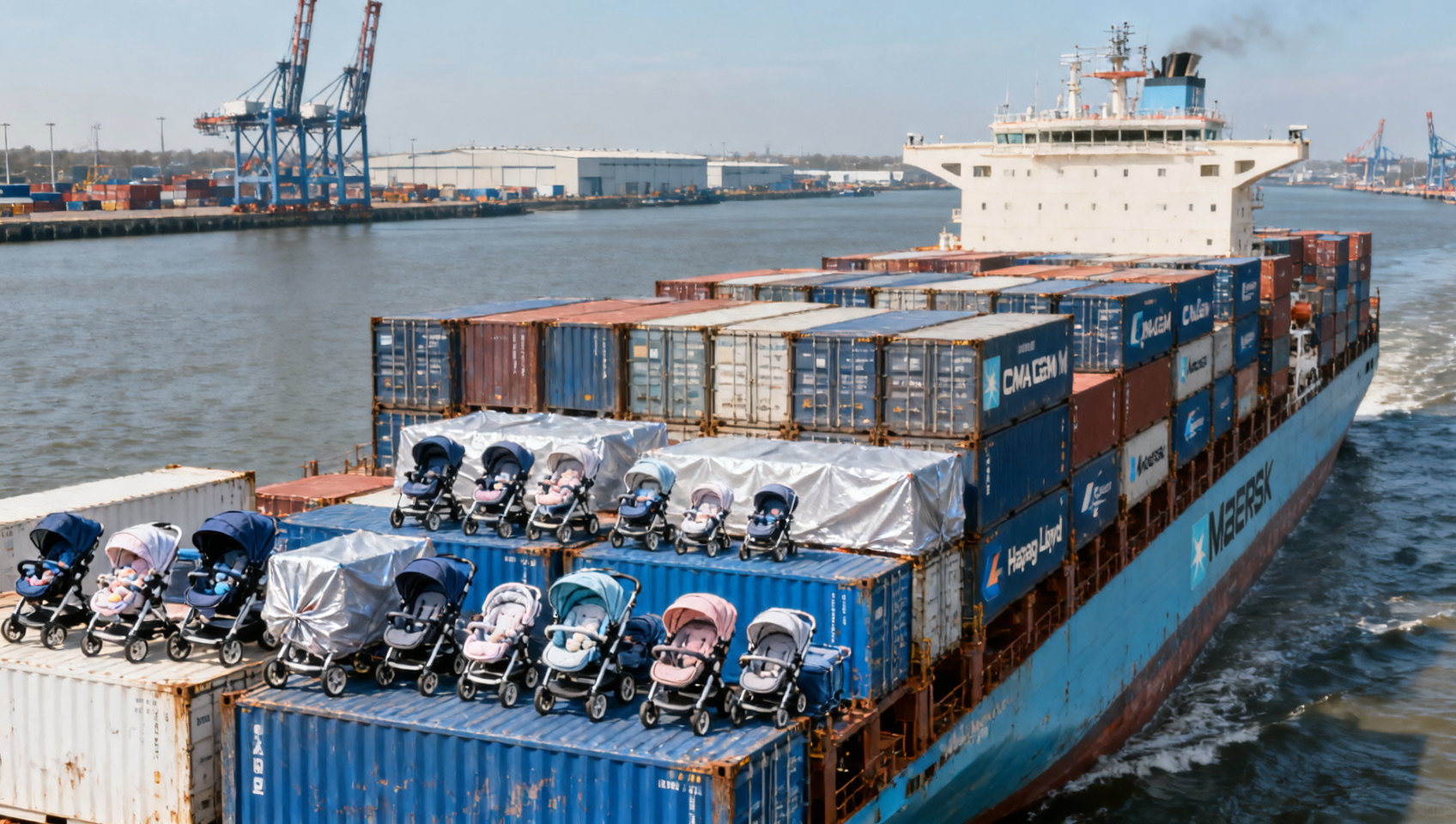
 Baby Gear & StrollersApr 27, 2026Global Shipping Alliances Cut Shanghai–Rotterdam Capacity by 15%Global shipping alliances cut Shanghai–Rotterdam capacity by 15%—impacting baby strollers & gear exporters, EU retailers, and forwarders. Act now to secure space, assess rail/air alternatives, and build resilient supply chains.
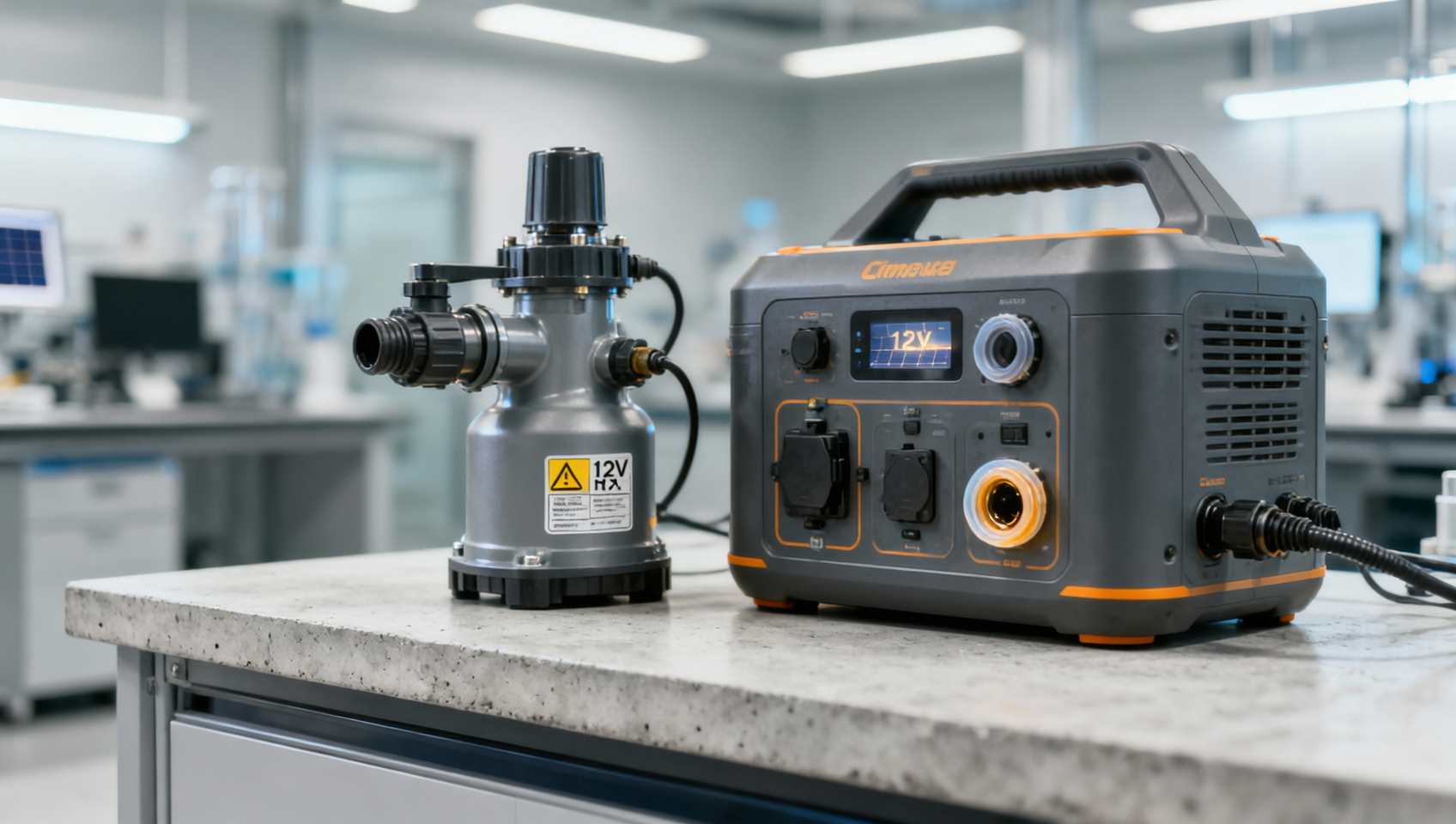
 Camping & WaterApr 27, 2026SASO IEC 62368-3:2026 Released for GCC: IP6X Dust Testing Required for Camping & Water PumpsSASO IEC 62368-3:2026 now mandates IP6X dust testing for camping & water pumps in GCC — act now to avoid customs delays and ensure compliance by Oct 1, 2026.
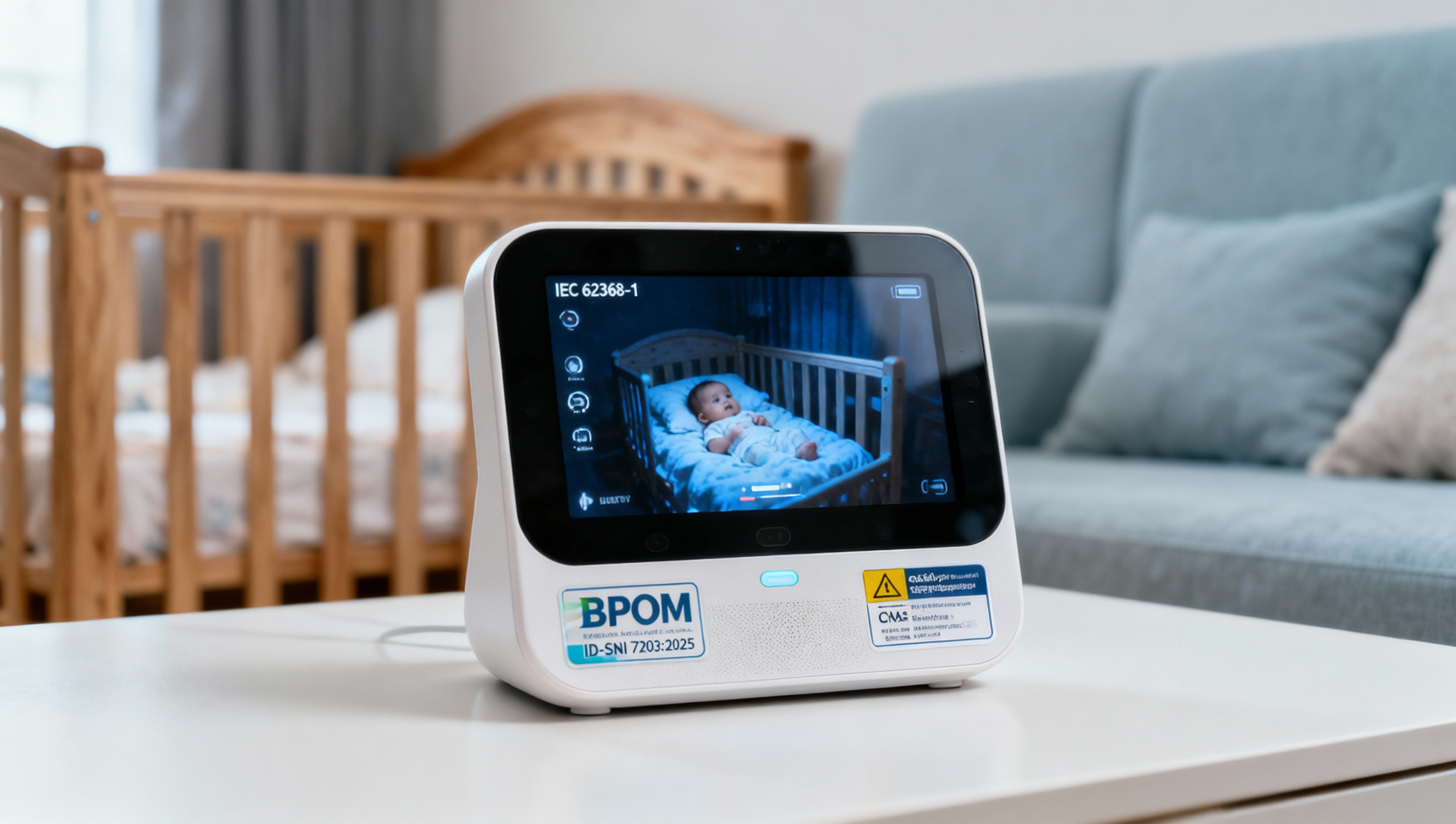
 Nursery Furniture & MonitorsApr 27, 2026Indonesia BPOM Fast-Tracks Baby Monitor Registration to 14 Working DaysIndonesia BPOM Fast-Tracks Baby Monitor Registration to 14 working days—leverage CNAS reports & ID-SNI 7203:2025 for rapid market entry.
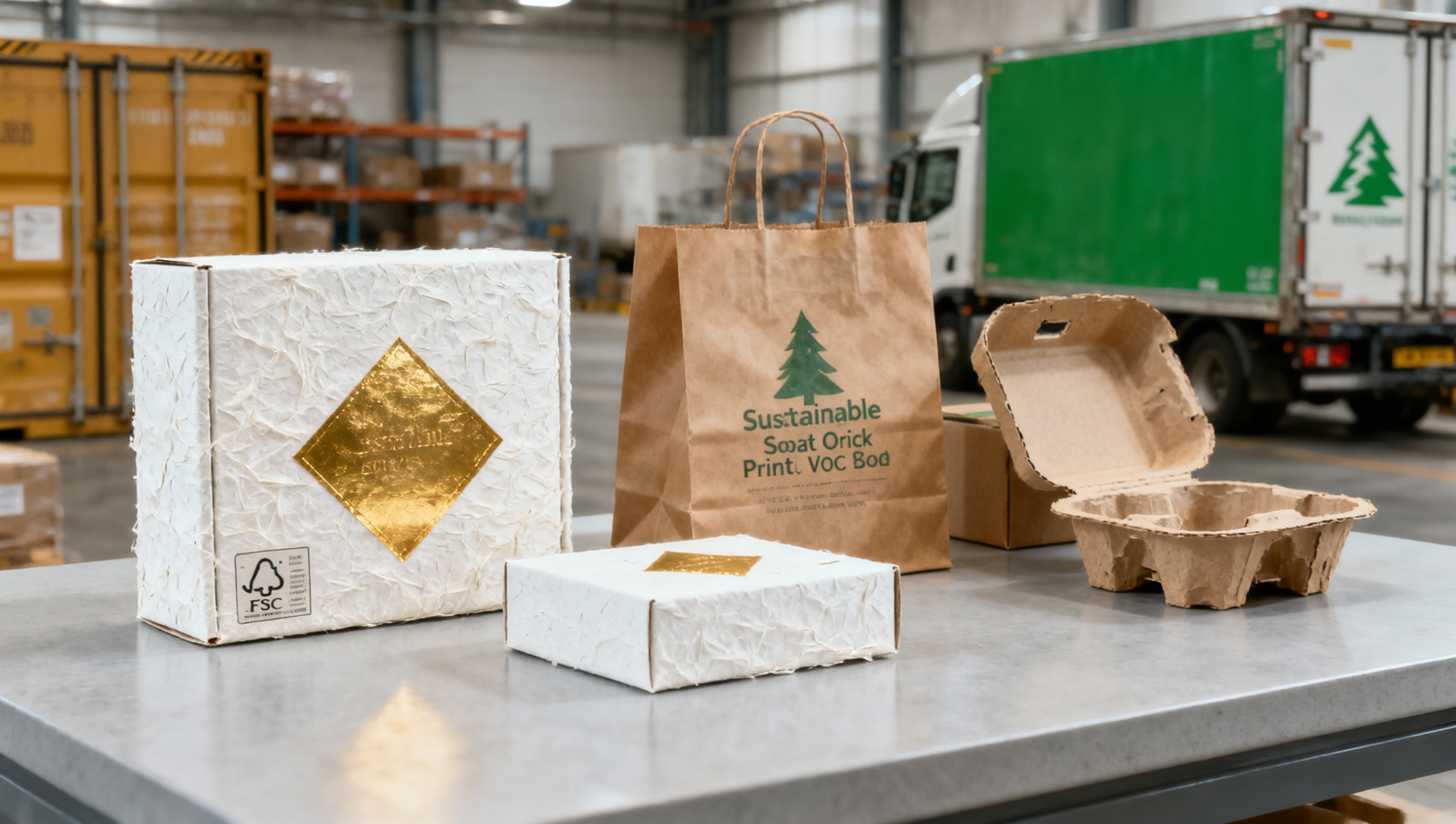
 Corporate & Seasonal GiftsApr 27, 2026TÜV Rheinland Releases Sustainable Gift Packaging White Paper 2026Sustainable gift packaging white paper 2026 by TÜV Rheinland: New LCA rules for VOCs, container loading & last-mile transport — act now to meet IKEA, Douglas Q3 2026 requirements.
 Smart Pet DevicesApr 27, 2026JETRO Summer Inspection: Smart Pet Collars Must Pass JIS T 1002:2026 Bluetooth TestSmart Pet Collars must pass JIS T 1002:2026 Bluetooth 5.4 coexistence testing for JETRO’s 2026 summer inspection — avoid delays, recalls & lost sales in Japan.
 Fitness EquipmentApr 27, 2026CPSC Mandates Emergency Stop & Thermal Cutoff for US Fitness MirrorsCPSC mandates emergency stop & thermal cutoff for US fitness mirrors—urgent compliance required by July 2026. Learn implications for OEMs, importers & suppliers.
 STEM & Educational ToysApr 27, 2026SASO Updates Toy Certification: EN71-3:2026 for STEM Toys in Saudi ArabiaSASO EN71-3:2026 toy certification now mandatory for STEM toys in Saudi Arabia—nickel, cobalt & antimony limits tightened. Act before Aug 1, 2026!
 Infant Feeding & CareApr 27, 2026RCEP Update: Vietnam Cuts Tariffs on Silicone Nipples, Smart Bottles from ChinaRCEP Update: Vietnam cuts tariffs on silicone nipples & smart bottles from China—save 9–13% import costs starting May 1, 2026. Act now!
 Beauty DevicesApr 27, 2026EU EPR Carbon Fee for Smart Beauty Devices Starts June 2026EU EPR Carbon Fee for Smart Beauty Devices starts June 2026 — learn how the new Green Packaging Regulation Fee impacts OEMs, suppliers & EU importers.
 Skincare OEMApr 27, 2026FDA CPIS Mandate Effective July 2026 for US Cosmetic ImportsFDA CPIS mandate takes effect July 2026—learn how skincare OEMs, cosmetic exporters & U.S. importers must comply to avoid shipment delays and entry denials.
 Beauty DevicesApr 26, 2026Global Li-ion Recycling Rate Hits 62%: Beauty Device Battery BOM Cost Down 9%Li-ion recycling hits 62% globally—cutting beauty device battery BOM costs by 9% and lead times to 6 weeks. Act now to boost export agility & margins.
") Smart Pet DevicesApr 26, 2026Vietnam Enforces New Smart Pet Collar Standard (QCVN 135:2026)Vietnam Enforces New Smart Pet Collar Standard (QCVN 135:2026): Bluetooth 5.4 resilience & native Vietnamese voice prompts required by July 1, 2026 — act now to avoid customs delays!
Smart Pet DevicesApr 26, 2026Vietnam Enforces New Smart Pet Collar Standard (QCVN 135:2026)Vietnam Enforces New Smart Pet Collar Standard (QCVN 135:2026): Bluetooth 5.4 resilience & native Vietnamese voice prompts required by July 1, 2026 — act now to avoid customs delays! Nursery Furniture & MonitorsApr 26, 2026Shanghai International Logistics Procurement Expo 2026 ClosesShanghai International Logistics Procurement Expo 2026 closed—AI-powered smart infant & pet health devices led procurement demand. Discover key trends, buyer priorities & 2027 outlook.