Vietnam Enforces New Smart Pet Collar Standard (QCVN 135:2026)
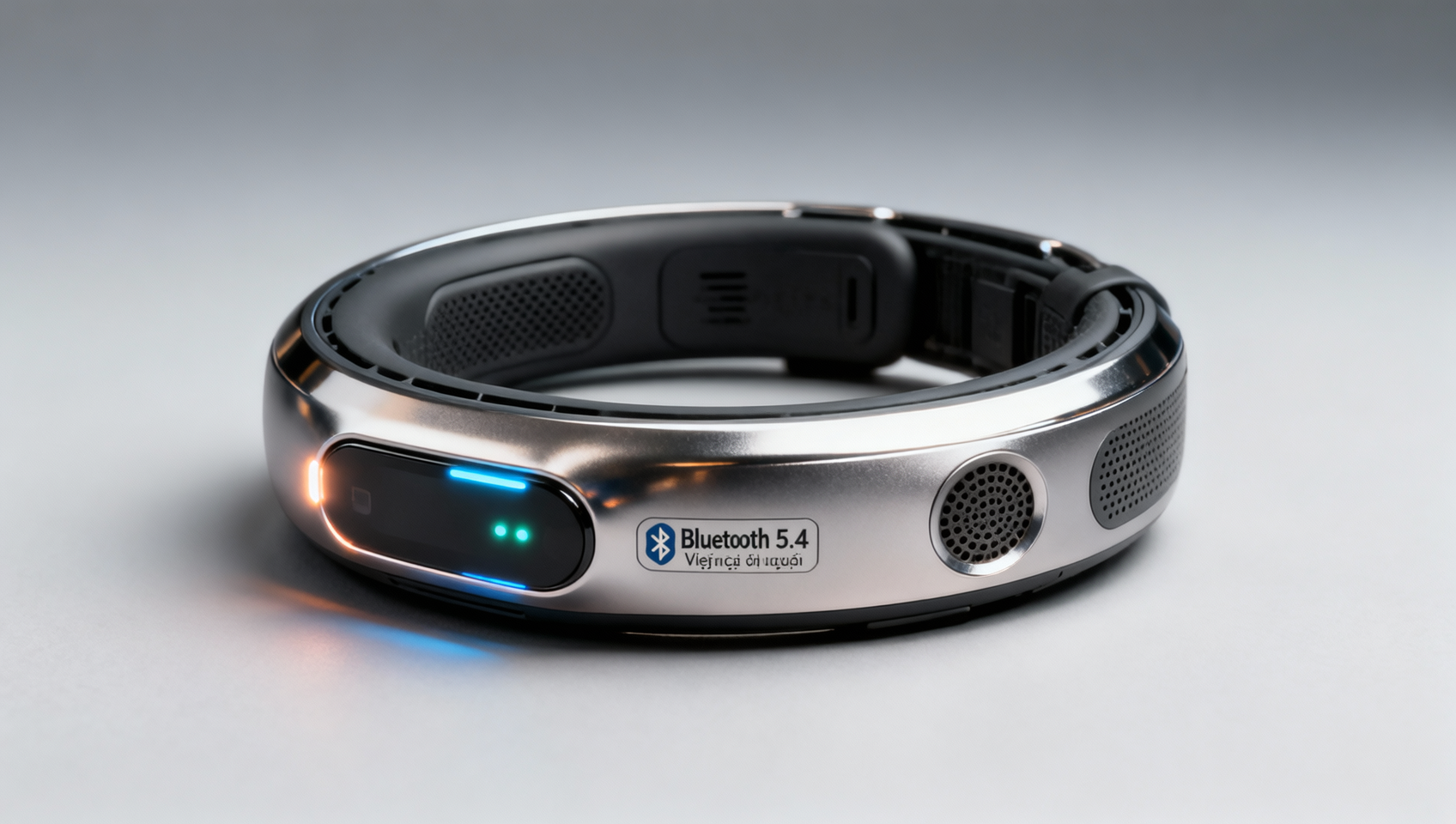
On April 25, 2026, Vietnam’s General Department of Standards, Metrology and Quality (STAMEQ) issued QCVN 135:2026 — Safety and Performance Requirements for Smart Pet Wearable Devices. This mandatory standard introduces two new technical requirements for imported smart pet collars: Bluetooth 5.4 interference resilience testing (under simulated coexistence with 20 concurrent devices on the same frequency band) and built-in real-time Vietnamese-language UI voice prompts (not reliant on external translation apps). Effective July 1, 2026, the standard applies to all imports, and current adaptation rates among Chinese exporters stand below 5%, raising tangible customs clearance risks.
Event Overview
On April 25, 2026, STAMEQ published QCVN 135:2026 as a national mandatory standard. It requires all smart pet collars entering Vietnam to pass a defined Bluetooth 5.4 co-channel interference test and embed native Vietnamese UI voice feedback functionality — implemented directly in device firmware, not via companion mobile applications. The standard takes effect on July 1, 2026. As of publication, no further amendments or transitional provisions have been announced.
Which Sub-Sectors Are Affected
Direct Exporters (Especially from China)
These enterprises face immediate compliance pressure, as QCVN 135:2026 applies at the point of import clearance. Non-compliant units will be rejected at Vietnamese customs. Since less than 5% of current Chinese exports meet both requirements, most shipments risk delays or rejection unless remediated before July 2026.
Electronics Manufacturing Service (EMS) Providers
Contract manufacturers producing smart pet collars for export clients must verify whether their existing hardware platforms support Bluetooth 5.4 stack certification and embedded Vietnamese TTS (text-to-speech) firmware. Legacy designs based on Bluetooth 5.0–5.3 or lacking localizable voice prompt architecture may require PCB-level revisions or firmware requalification — impacting lead times and unit costs.
Distribution & Import Agents in Vietnam
Local importers and distributors bear statutory responsibility for product conformity under Vietnam’s Law on Product Quality. They must obtain and retain valid test reports from accredited laboratories confirming both Bluetooth 5.4 interference resilience and native Vietnamese voice prompt functionality — documentation that must accompany each shipment declaration.
What Relevant Enterprises or Practitioners Should Focus On — And How to Respond Now
Confirm official interpretation of the Bluetooth 5.4 test methodology
STAMEQ has not yet published the full test protocol (e.g., reference standards, test chamber setup, pass/fail thresholds). Exporters and labs should monitor STAMEQ’s official portal and Vietnam National Accreditation Board (BOA) announcements for updates — particularly whether IEC/ISO-based methods or locally adapted procedures apply.
Verify firmware localization scope and validation requirements
The standard mandates “real-time Vietnamese UI voice prompts”, but does not specify whether this includes error messages, battery alerts, GPS status, or only basic commands. Companies should treat all user-facing audio outputs as in-scope until STAMEQ clarifies; firmware updates must be validated end-to-end — including speaker driver compatibility and latency under low-power modes.
Assess supply chain readiness for Bluetooth 5.4-certified chipsets
Bluetooth 5.4 SoCs with full interference resilience features (e.g., LE Audio enhancements, adaptive frequency hopping) are not yet widely available in mid-tier BOMs. Procurement teams should identify qualified suppliers (e.g., Nordic Semiconductor nRF54 series, Qualcomm QCC51xx variants) and secure allocation ahead of June 2026 — noting potential lead time extensions and minimum order quantities.
Prepare for pre-shipment conformity documentation
Effective July 1, 2026, Vietnamese customs will require signed declarations of conformity plus third-party test reports. Exporters should engage STAMEQ-accredited labs early — especially those with Bluetooth SIG qualification and Vietnamese language TTS validation capability — to avoid bottlenecks in the final quarter before enforcement.
Editor Perspective / Industry Observation
This update is better understood as an early-stage regulatory signal rather than a fully matured compliance regime. Analysis来看, STAMEQ’s inclusion of Bluetooth 5.4 — a specification only finalized in 2023 — suggests Vietnam is proactively aligning its IoT device standards with emerging global interoperability expectations, not merely reacting to market incidents. From industry角度看, the Vietnamese-language voice requirement reflects a broader regional trend: ASEAN markets increasingly prioritize localized human-device interaction as a baseline for consumer electronics safety and usability — moving beyond multilingual packaging into embedded UX. Current more relevant than immediate enforcement is the precedent it sets: future QCVN updates for connected wearables may extend similar localization and radio-resilience mandates to other ASEAN jurisdictions through ASEAN Mutual Recognition Arrangements (MRA) pathways.
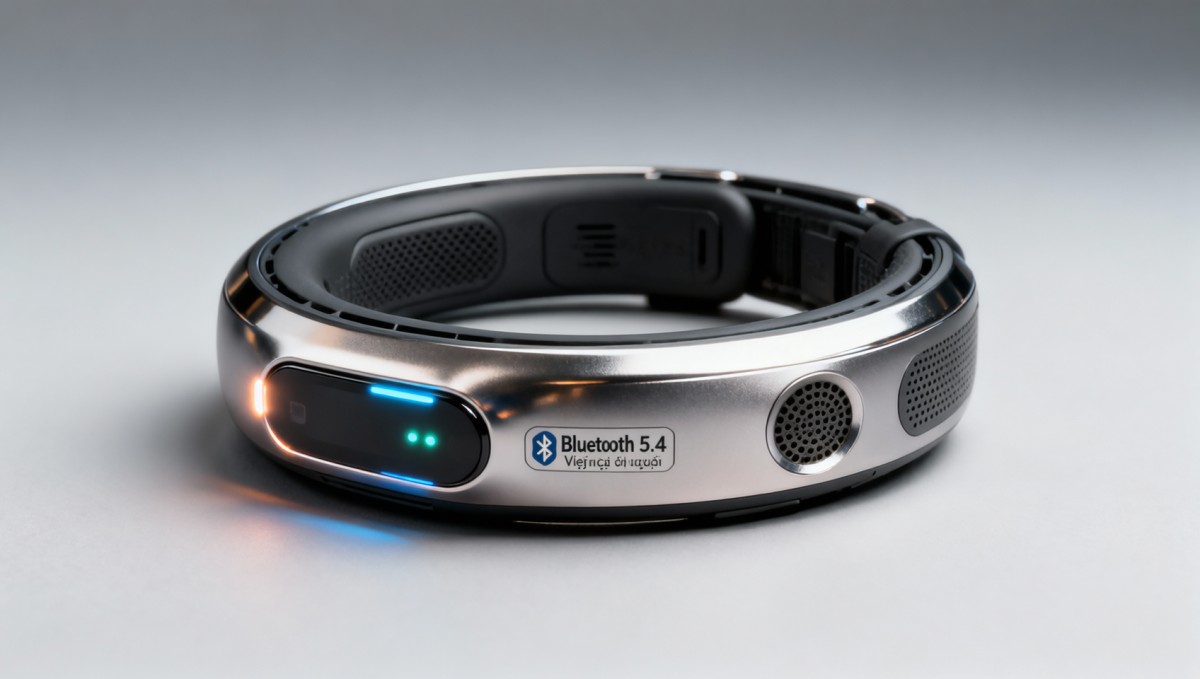
In summary, QCVN 135:2026 marks Vietnam’s formal entry into performance-based regulation for smart pet wearables — shifting focus from basic electrical safety to RF robustness and localized user interface integrity. It is not yet a broad-based market barrier, but rather a targeted technical threshold that exposes gaps in current export-oriented product roadmaps. For stakeholders, it is more accurately interpreted as a near-term compliance checkpoint requiring concrete engineering and documentation actions — not a strategic inflection point demanding business model revision.
Source: General Department of Standards, Metrology and Quality (STAMEQ), Vietnam — Official Gazette No. 45/2026/TT-BKHCN (issued April 25, 2026); QCVN 135:2026 text published on stameq.gov.vn. Ongoing monitoring required for test protocol annexes and BOA-accredited lab list updates.
Related Intelligence
 Beauty DevicesApr 26, 2026Global Li-ion Recycling Rate Hits 62%: Beauty Device Battery BOM Cost Down 9%Li-ion recycling hits 62% globally—cutting beauty device battery BOM costs by 9% and lead times to 6 weeks. Act now to boost export agility & margins.
") Smart Pet DevicesApr 26, 2026Vietnam Enforces New Smart Pet Collar Standard (QCVN 135:2026)Vietnam Enforces New Smart Pet Collar Standard (QCVN 135:2026): Bluetooth 5.4 resilience & native Vietnamese voice prompts required by July 1, 2026 — act now to avoid customs delays!
Smart Pet DevicesApr 26, 2026Vietnam Enforces New Smart Pet Collar Standard (QCVN 135:2026)Vietnam Enforces New Smart Pet Collar Standard (QCVN 135:2026): Bluetooth 5.4 resilience & native Vietnamese voice prompts required by July 1, 2026 — act now to avoid customs delays! Nursery Furniture & MonitorsApr 26, 2026Shanghai International Logistics Procurement Expo 2026 ClosesShanghai International Logistics Procurement Expo 2026 closed—AI-powered smart infant & pet health devices led procurement demand. Discover key trends, buyer priorities & 2027 outlook.
 Electronic & RC ToysApr 26, 2026CPSC Proposes New RF Leakage Testing for Wireless Charging ToysCPSC proposes stricter RF leakage testing for wireless charging toys—FCC Part 18B now required. Learn implications for manufacturers, importers & labs.
 Camping & WaterApr 26, 2026RCEP Camping Water Bag Tariff Cut: Indonesia Adopts TPU+Aluminum Laminate SpecRCEP Camping Water Bag tariff cut confirmed: Indonesia mandates TPU+aluminum laminate spec for LKPP tenders — boost compliance & competitiveness now.
 Nursery Furniture & MonitorsApr 26, 2026JETRO Enforces Blockchain Batch Codes for Infant Monitors in Japan Spring SourcingJETRO enforces blockchain batch codes for infant monitors in Japan—critical for spring sourcing & Baby Fair Tokyo 2026. Act now to avoid 14+ day customs delays.
 Corporate & Seasonal GiftsApr 26, 2026TÜV Rheinland Updates Green Gift Packaging LCA RequirementsTÜV Rheinland updates green gift packaging LCA requirements: full-life-cycle carbon heat maps now mandatory for certification—act now to avoid delays.
 Infant Feeding & CareApr 26, 2026Canton Fair Phase III Closes: +63% Inquiries for Infant Feeding Products, Middle East Prioritizes CPC+ISO 8124 Dual CertificationInfant feeding products at Canton Fair Phase III saw +63% inquiries—Middle East buyers now demand CPC+ISO 8124 dual certification. Act now to meet tender requirements.
 Beauty DevicesApr 26, 2026EU Cuts Mn/Si-Fe Alloy Quotas by 25% Amid Manganese VolatilityEU cuts Mn/Si-Fe alloy quotas by 25% amid manganese volatility — impacting beauty devices, pet wearables & infant monitors. Act now to secure supply & revise BOMs.
 Cosmetics & PkgApr 26, 2026NMPA Proposes 27 New Cosmetic Standards, Including Mandatory Hair Dye & Toothpaste RequirementsNMPA proposes 27 new cosmetic standards — including mandatory hair dye & toothpaste requirements. Stay ahead of China’s tightening ingredient regulations.
 Electronic & RC ToysApr 25, 2026CPSC Proposes FCC Part 18B RF Leakage Test for Wireless Charging in Electronic ToysCPSC proposes FCC Part 18B RF leakage testing for wireless charging in electronic toys—critical for Qi2.0/USB-PD3.1 exporters, OEMs & compliance labs.
 Nursery Furniture & MonitorsApr 25, 2026JETRO Spring 2026: Blockchain Batch Code Mandatory for Infant MonitorsJETRO Spring 2026 mandates blockchain batch code for infant monitors — EN60601-1-12 compliance + Hyperledger Fabric registration required. Act now to avoid port rejections!
") Corporate & Seasonal GiftsApr 25, 2026TÜV Rheinland Updates Green Packaging LCA Protocol (2026)TÜV Rheinland Green Packaging LCA Protocol V2.1 (2026) mandates full-life-cycle carbon heatmaps for Corporate & Seasonal Gifts packaging — critical for ALDI/LIDL market access.
Corporate & Seasonal GiftsApr 25, 2026TÜV Rheinland Updates Green Packaging LCA Protocol (2026)TÜV Rheinland Green Packaging LCA Protocol V2.1 (2026) mandates full-life-cycle carbon heatmaps for Corporate & Seasonal Gifts packaging — critical for ALDI/LIDL market access.