CPSC Proposes New RF Leakage Testing for Wireless Charging Toys
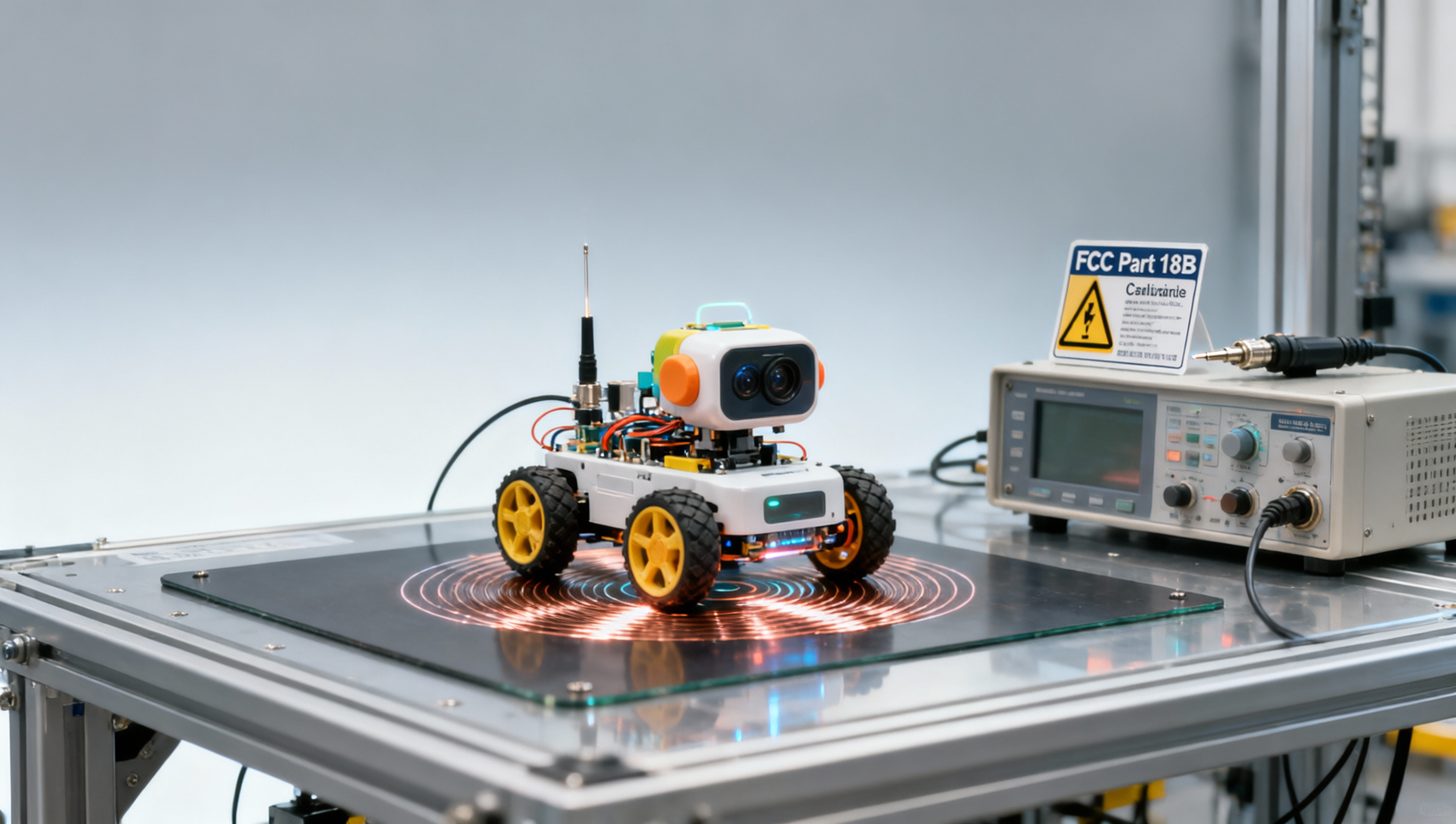
On April 25, 2026, the U.S. Consumer Product Safety Commission (CPSC) issued a Notice of Proposed Rulemaking (NPRM) requiring all electronic toys with wireless charging functionality—including STEM education robots and remote-controlled (RC) vehicles—to pass FCC Part 18B radiofrequency (RF) leakage testing prior to market entry in the United States. This development directly affects electronics manufacturers, ODM suppliers, importers, and compliance service providers serving the U.S. toy and children’s tech markets—and signals a tightening of electromagnetic safety requirements for consumer-facing wireless power systems.
Event Overview
On April 25, 2026, the CPSC published an NPRM mandating that electronic toys incorporating wireless charging modules must comply with FCC Part 18B RF leakage testing. The proposed rule would replace the current FCC Part 15B emission limits, applying a 40% stricter radiation threshold. Certification must be conducted by an FCC-recognized laboratory, and original test reports are required. The rule is not yet final; it remains in the proposal stage pending public comment and potential revision.
Industries Affected by Segment
ODM/OEM Manufacturing Firms (Especially China-based)
These firms design and produce electronic toys for global brands and retailers. Under the proposal, they will bear primary responsibility for ensuring RF compliance before shipment. The requirement for FCC-recognized lab testing—and the 40% tighter threshold—means existing Part 15B test data will no longer suffice. Manufacturers must retest or redesign wireless charging circuits, adding 3–4 weeks to certification timelines.
U.S.-Based Importers and Brand Owners
Importers placing electronic toys into U.S. commerce will be held accountable for compliance under CPSC enforcement authority. Since the CPSC may treat noncompliant products as ‘imminently hazardous,’ failure to verify valid Part 18B reports could result in detention at port, recalls, or civil penalties. Brands sourcing from third-party factories must now incorporate RF test validation into purchase agreements and pre-shipment audits.
Compliance and Testing Service Providers
Laboratories accredited for FCC Part 15B testing may need to expand scope to include Part 18B procedures—particularly for near-field wireless power systems operating below 9 kHz to 30 MHz. Demand for Part 18B-capable labs is expected to rise, especially those with experience in low-frequency magnetic field measurement per ANSI C63.19 and IEEE Std 1528.
What Relevant Enterprises or Practitioners Should Focus On — And How to Respond
Monitor the CPSC’s official docket and FCC coordination updates
The NPRM is subject to public comment and interagency review. The final rule may adjust scope (e.g., exemption thresholds for low-power modules), effective date, or grandfathering provisions. Stakeholders should track Docket No. CPSC-2026-0012 on regulations.gov and watch for any joint statements from CPSC and FCC clarifying jurisdictional alignment.
Prioritize assessment of high-volume or newly launched wireless-charging toy SKUs
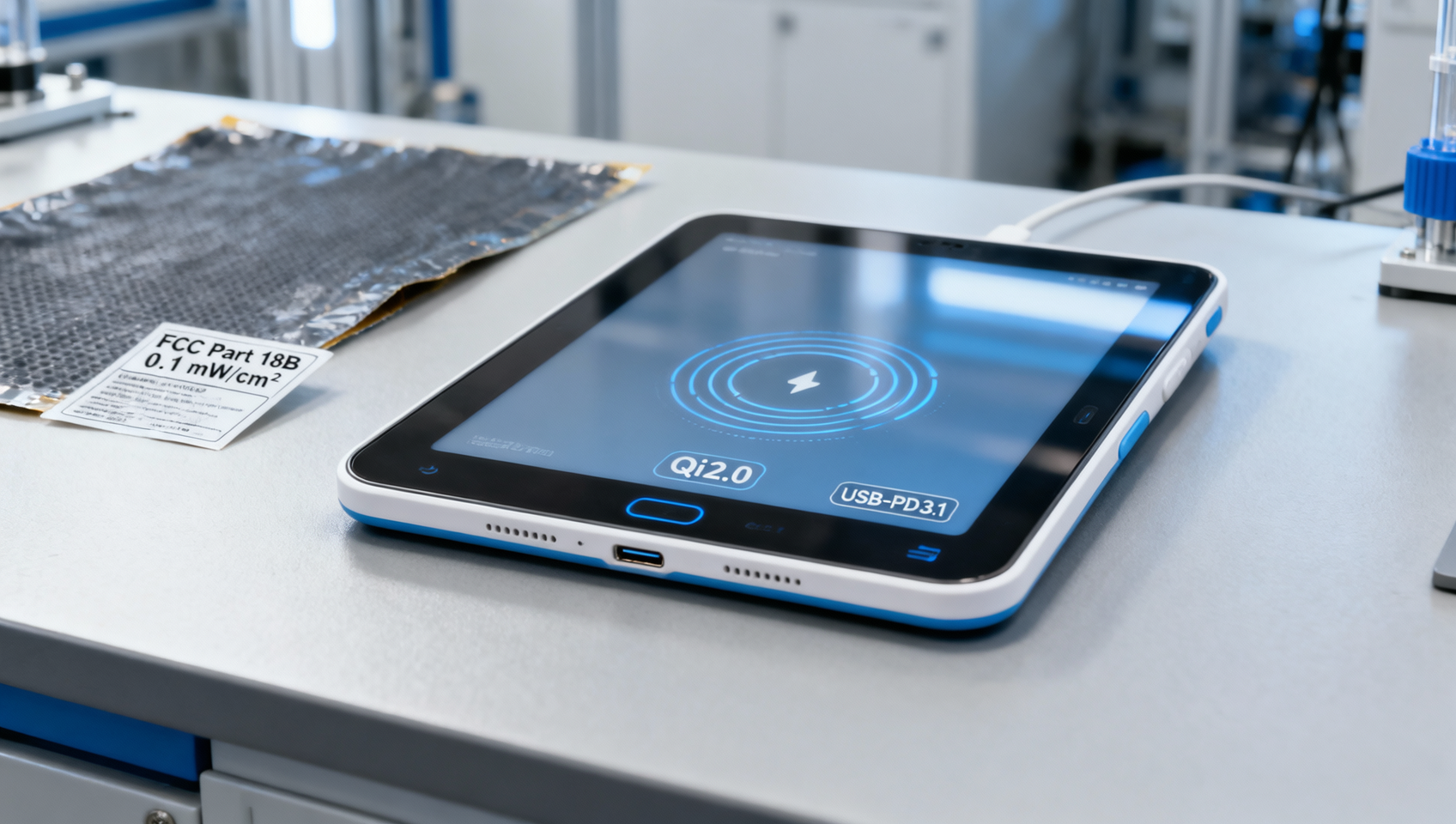
Not all electronic toys use wireless charging—but those that do (e.g., rechargeable STEM kits, RC vehicles with Qi-like pads) face immediate compliance pressure. Companies should inventory affected models, confirm whether their current wireless charging modules were evaluated against Part 18B, and flag units relying solely on Part 15B reports.
Engage FCC-recognized labs early—not after production completion
Lead times for Part 18B testing are longer than Part 15B due to specialized fixtures and low-frequency measurement protocols. Firms should secure lab capacity now, share detailed schematics and coil layouts in advance, and request draft reports for internal engineering review before final submission.
Update technical documentation and supplier contracts
Technical files must now include full Part 18B test reports—not summaries or declarations. Contracts with ODMs should explicitly assign responsibility for RF compliance, require retention of raw measurement data, and specify consequences for failed tests or delayed reporting.
Editorial Perspective / Industry Observation
From an industry perspective, this NPRM is best understood as a regulatory signal—not yet an operational mandate. It reflects growing CPSC attention to emerging exposure scenarios from consumer wireless power, particularly where devices are handled closely by children. Analysis来看, the shift from Part 15B to Part 18B suggests regulators view wireless charging in toys less as intentional radiators (governed by Part 15) and more as industrial, scientific, or medical (ISM)-band energy transfer systems (covered by Part 18). Current更值得关注的是 whether the final rule retains the 40% threshold reduction—or softens it based on stakeholder feedback on feasibility and measurement reproducibility. Ongoing observation is warranted through the comment period and any subsequent FCC/CPSC guidance.
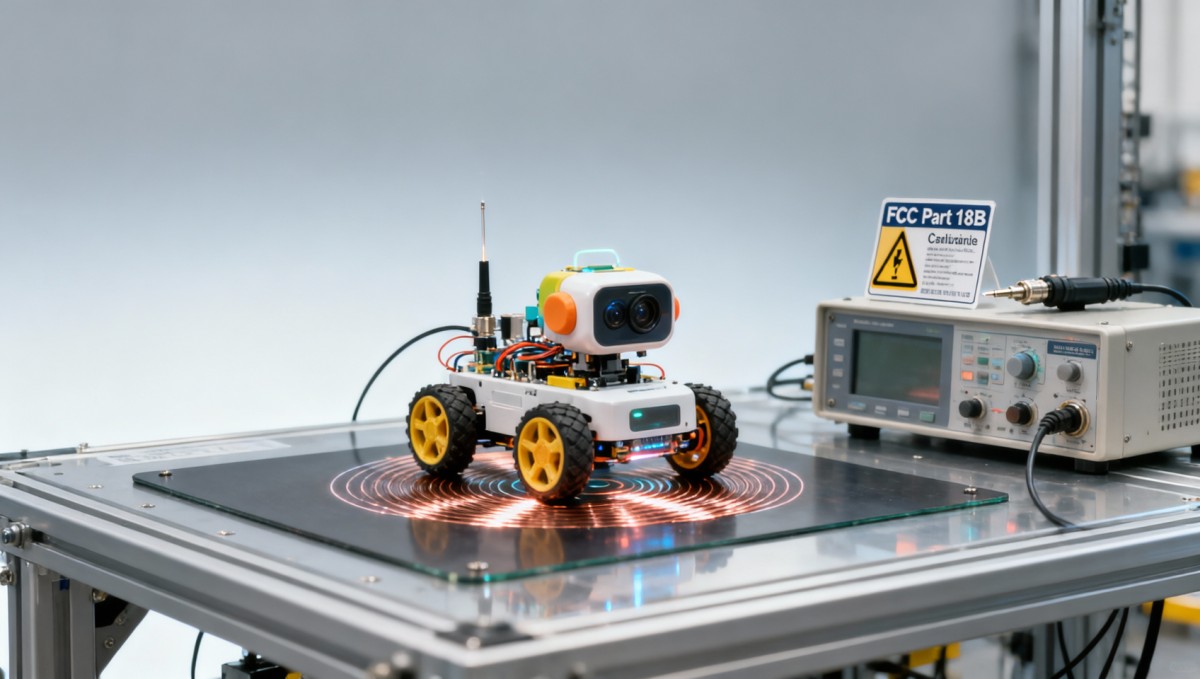
In summary, the CPSC’s proposed rule introduces a new, more stringent RF safety benchmark for a specific but growing segment of children’s electronics. Its significance lies not in immediate enforcement, but in its indication of evolving expectations for electromagnetic safety in proximity-use wireless power applications. For now, it is more accurately interpreted as a preparatory milestone—prompting technical reassessment, supply chain coordination, and proactive lab engagement—rather than a finalized compliance deadline.
Source: U.S. Consumer Product Safety Commission (CPSC), Notice of Proposed Rulemaking (NPRM), Docket No. CPSC-2026-0012, published April 25, 2026. Pending final rulemaking and potential interagency coordination with the Federal Communications Commission (FCC). No final regulation or effective date has been established.
Related Intelligence
 Beauty DevicesApr 26, 2026Global Li-ion Recycling Rate Hits 62%: Beauty Device Battery BOM Cost Down 9%Li-ion recycling hits 62% globally—cutting beauty device battery BOM costs by 9% and lead times to 6 weeks. Act now to boost export agility & margins.
") Smart Pet DevicesApr 26, 2026Vietnam Enforces New Smart Pet Collar Standard (QCVN 135:2026)Vietnam Enforces New Smart Pet Collar Standard (QCVN 135:2026): Bluetooth 5.4 resilience & native Vietnamese voice prompts required by July 1, 2026 — act now to avoid customs delays!
Smart Pet DevicesApr 26, 2026Vietnam Enforces New Smart Pet Collar Standard (QCVN 135:2026)Vietnam Enforces New Smart Pet Collar Standard (QCVN 135:2026): Bluetooth 5.4 resilience & native Vietnamese voice prompts required by July 1, 2026 — act now to avoid customs delays! Nursery Furniture & MonitorsApr 26, 2026Shanghai International Logistics Procurement Expo 2026 ClosesShanghai International Logistics Procurement Expo 2026 closed—AI-powered smart infant & pet health devices led procurement demand. Discover key trends, buyer priorities & 2027 outlook.
 Electronic & RC ToysApr 26, 2026CPSC Proposes New RF Leakage Testing for Wireless Charging ToysCPSC proposes stricter RF leakage testing for wireless charging toys—FCC Part 18B now required. Learn implications for manufacturers, importers & labs.
 Camping & WaterApr 26, 2026RCEP Camping Water Bag Tariff Cut: Indonesia Adopts TPU+Aluminum Laminate SpecRCEP Camping Water Bag tariff cut confirmed: Indonesia mandates TPU+aluminum laminate spec for LKPP tenders — boost compliance & competitiveness now.
 Nursery Furniture & MonitorsApr 26, 2026JETRO Enforces Blockchain Batch Codes for Infant Monitors in Japan Spring SourcingJETRO enforces blockchain batch codes for infant monitors in Japan—critical for spring sourcing & Baby Fair Tokyo 2026. Act now to avoid 14+ day customs delays.
 Corporate & Seasonal GiftsApr 26, 2026TÜV Rheinland Updates Green Gift Packaging LCA RequirementsTÜV Rheinland updates green gift packaging LCA requirements: full-life-cycle carbon heat maps now mandatory for certification—act now to avoid delays.
 Infant Feeding & CareApr 26, 2026Canton Fair Phase III Closes: +63% Inquiries for Infant Feeding Products, Middle East Prioritizes CPC+ISO 8124 Dual CertificationInfant feeding products at Canton Fair Phase III saw +63% inquiries—Middle East buyers now demand CPC+ISO 8124 dual certification. Act now to meet tender requirements.
 Beauty DevicesApr 26, 2026EU Cuts Mn/Si-Fe Alloy Quotas by 25% Amid Manganese VolatilityEU cuts Mn/Si-Fe alloy quotas by 25% amid manganese volatility — impacting beauty devices, pet wearables & infant monitors. Act now to secure supply & revise BOMs.
 Cosmetics & PkgApr 26, 2026NMPA Proposes 27 New Cosmetic Standards, Including Mandatory Hair Dye & Toothpaste RequirementsNMPA proposes 27 new cosmetic standards — including mandatory hair dye & toothpaste requirements. Stay ahead of China’s tightening ingredient regulations.
 Electronic & RC ToysApr 25, 2026CPSC Proposes FCC Part 18B RF Leakage Test for Wireless Charging in Electronic ToysCPSC proposes FCC Part 18B RF leakage testing for wireless charging in electronic toys—critical for Qi2.0/USB-PD3.1 exporters, OEMs & compliance labs.
 Nursery Furniture & MonitorsApr 25, 2026JETRO Spring 2026: Blockchain Batch Code Mandatory for Infant MonitorsJETRO Spring 2026 mandates blockchain batch code for infant monitors — EN60601-1-12 compliance + Hyperledger Fabric registration required. Act now to avoid port rejections!
") Corporate & Seasonal GiftsApr 25, 2026TÜV Rheinland Updates Green Packaging LCA Protocol (2026)TÜV Rheinland Green Packaging LCA Protocol V2.1 (2026) mandates full-life-cycle carbon heatmaps for Corporate & Seasonal Gifts packaging — critical for ALDI/LIDL market access.
Corporate & Seasonal GiftsApr 25, 2026TÜV Rheinland Updates Green Packaging LCA Protocol (2026)TÜV Rheinland Green Packaging LCA Protocol V2.1 (2026) mandates full-life-cycle carbon heatmaps for Corporate & Seasonal Gifts packaging — critical for ALDI/LIDL market access.