NMPA Proposes 27 New Cosmetic Standards, Including Mandatory Hair Dye & Toothpaste Requirements
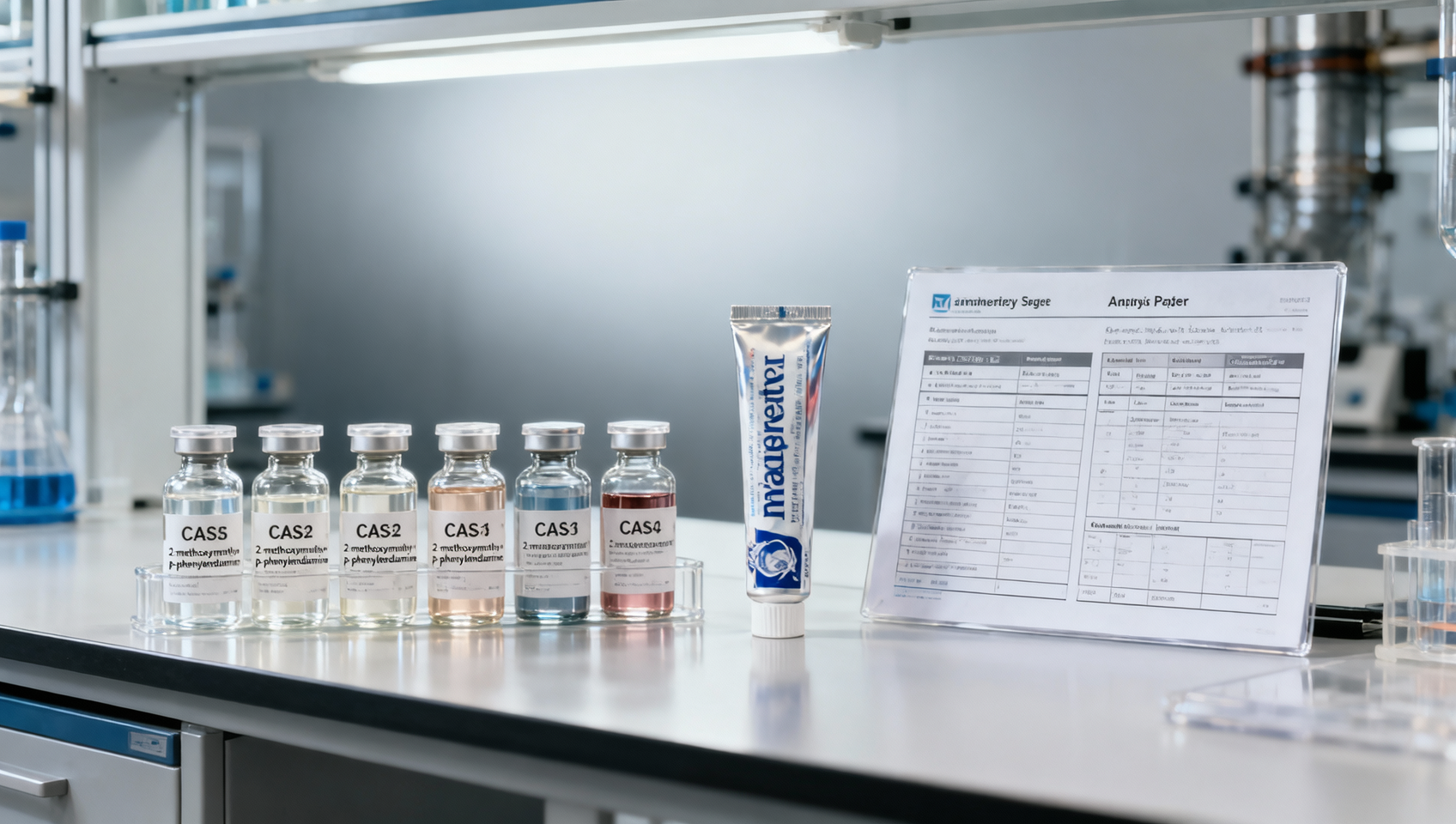
On April 25, 2026, China’s National Medical Products Administration (NMPA) released a draft standardization plan proposing the formulation or revision of 27 new cosmetic-related standards — including mandatory technical requirements for hair dye ingredients (e.g., 2-methoxymethyl-p-phenylenediamine), cosmetic raw materials, and general technical specifications for toothpaste. This development directly affects exporters, OEM/ODM suppliers, and international buyers sourcing from China — particularly those targeting markets with strict ingredient traceability and safety dossier requirements, such as the EU, Middle East, and Southeast Asia.
Event Overview
On April 25, 2026, the NMPA published its draft cosmetics standard立项 plan, listing 27 proposed new or revised standards. Confirmed scope includes: (1) specifications for hair dye raw materials; (2) general technical requirements for toothpaste; (3) testing methods and safety assessment criteria for cosmetic ingredients; and (4) a requirement that all newly used cosmetic raw materials must complete registration or filing with the NMPA before export or domestic use. The plan is currently in the public consultation phase; no final effective date has been announced.
Industries Affected by Segment
Direct Exporters & Trading Enterprises
These entities face immediate compliance pressure when shipping finished products containing newly regulated ingredients — especially to regions enforcing the EU Cosmetics Regulation (EC No 1223/2009), Saudi FDA requirements, or ASEAN Cosmetic Directive Annexes. Under the draft, export declarations may soon require validated NMPA registration numbers for listed dye substances or toothpaste base components, affecting customs clearance and buyer acceptance.
Raw Material Procurement & Sourcing Firms
Suppliers managing global ingredient portfolios must verify whether their current inventory or contracted raw materials fall under the 27 proposed standards — particularly those related to amine-based hair dyes and fluoride/non-fluoride toothpaste actives. The draft mandates full documentation alignment with NMPA’s upcoming safety data submission templates (e.g., VCRP/FDA/SAFETY DATA packages), increasing due diligence burden on procurement audits and vendor qualification.
OEM/ODM Manufacturing Service Providers
Contract manufacturers serving international brands will need to update internal compliance files, including raw material safety dossiers, batch traceability records, and formulation disclosure packages. Since the draft requires all new cosmetic ingredients to be registered or filed prior to use, production planning for new SKUs — especially colorants and oral care formulations — may face delays pending NMPA review timelines.
Supply Chain & Regulatory Support Services
Third-party labs, regulatory consultants, and dossier preparation firms will see increased demand for NMPA-aligned technical documentation — particularly for ingredient-specific toxicological summaries, impurity profiling (e.g., for 2-methoxymethyl-p-phenylenediamine), and cross-referenced submissions supporting both NMPA and overseas filings (e.g., EU CPNP, US FDA VCRP). However, service scope remains contingent on final standard texts and implementation guidance.
What Relevant Enterprises or Practitioners Should Focus On Now
Monitor Official Updates and Consultation Feedback Periods
The NMPA draft is open for public comment. Enterprises should track official announcements via the NMPA website and national standardization platforms to identify which specific substances or clauses draw regulatory emphasis — especially any revisions to transition timelines or grandfathering provisions for existing formulations.
Prioritize Ingredient-Level Review for High-Risk Categories
Focus initial internal assessment on hair dye intermediates (e.g., substituted p-phenylenediamines) and toothpaste functional ingredients (e.g., abrasives, fluorides, antimicrobials). Cross-check current supplier SDS, INCI names, and CAS numbers against the draft list — noting that ‘2-methoxymethyl-p-phenylenediamine’ is explicitly cited as a targeted substance.
Distinguish Between Policy Signal and Operational Requirement
This is a draft standardization plan — not an enforceable regulation. While it signals tightening oversight, actual compliance obligations will only arise upon formal publication and stipulated effective dates. Companies should avoid premature reformulation or costly dossier overhauls until final texts and enforcement schedules are confirmed.
Prepare Documentation Frameworks Ahead of Finalization
Begin aligning internal raw material master files with anticipated NMPA dossier structures — including safety data summaries, impurity profiles, and usage concentration limits. Pre-build templates compatible with both NMPA requirements and parallel submissions (e.g., FDA VCRP, EU CPNP) to streamline future dual-market compliance workflows.
Editorial Perspective / Industry Observation
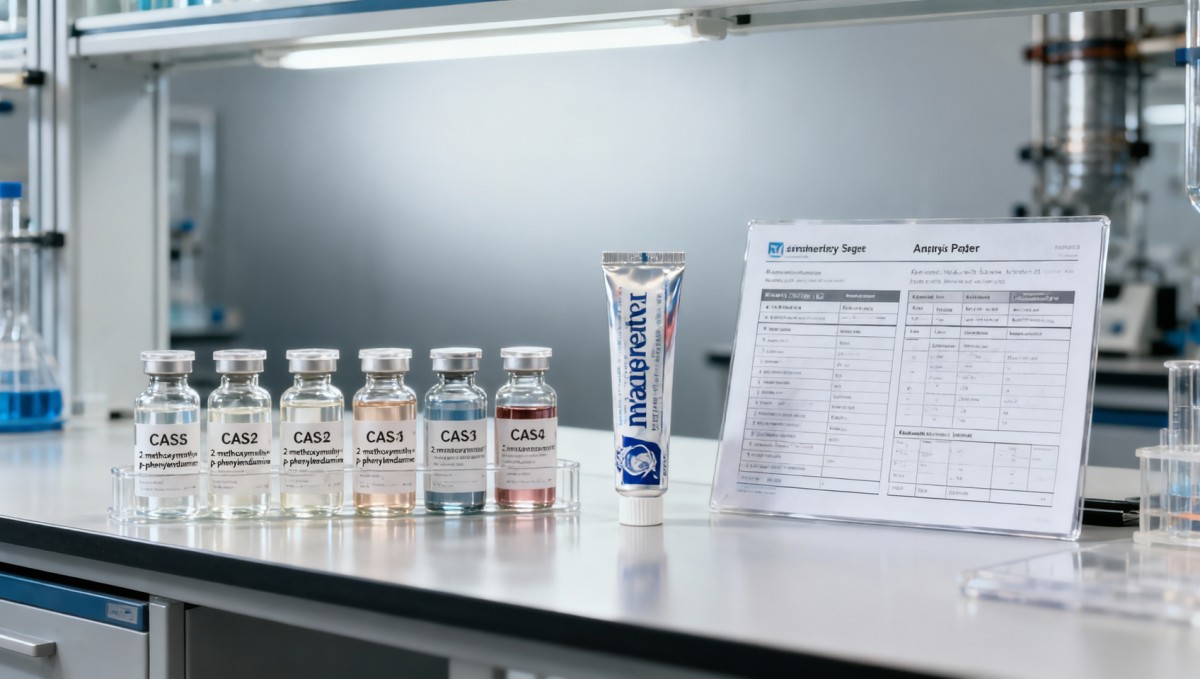
From an industry perspective, this draft plan is best understood as a regulatory signal — not yet an operational mandate. It reflects the NMPA’s strategic shift toward upstream control of high-risk cosmetic ingredients and harmonization with international safety expectations, especially for categories with documented sensitization or systemic exposure potential (e.g., oxidative hair dyes, oral care products). Analysis来看, the inclusion of toothpaste under cosmetic standards marks a formal consolidation of regulatory oversight previously split between NMPA and the former State Drug Administration — suggesting long-term convergence of safety frameworks across personal care subcategories. Observation来看, the explicit naming of 2-methoxymethyl-p-phenylenediamine indicates heightened scrutiny of amine-based dye derivatives, likely driven by emerging toxicological data. Current more appropriate interpretation is that this represents a staged alignment effort — where standard-setting precedes enforcement, allowing industry time to adapt without abrupt disruption.
Conclusion
This draft standardization initiative does not introduce immediate legal obligations but establishes a clear trajectory for tighter ingredient-level governance in China’s cosmetic and oral care supply chain. Its significance lies not in present-day enforcement, but in its role as a forward-looking framework shaping procurement, manufacturing, and regulatory strategy over the next 12–24 months. A rational, evidence-based reading treats it as an early-stage policy signal — one requiring structured monitoring and preparatory alignment, rather than urgent operational overhaul.
Source Attribution
Main source: National Medical Products Administration (NMPA) of the People’s Republic of China — Draft Cosmetic Standardization Plan Announcement (April 25, 2026).
Items requiring ongoing observation: Final standard texts, effective dates, transitional arrangements, and official interpretation of ‘new raw material’ definitions (e.g., grandfathering criteria for currently marketed substances).
Related Intelligence
 Beauty DevicesApr 26, 2026Global Li-ion Recycling Rate Hits 62%: Beauty Device Battery BOM Cost Down 9%Li-ion recycling hits 62% globally—cutting beauty device battery BOM costs by 9% and lead times to 6 weeks. Act now to boost export agility & margins.
") Smart Pet DevicesApr 26, 2026Vietnam Enforces New Smart Pet Collar Standard (QCVN 135:2026)Vietnam Enforces New Smart Pet Collar Standard (QCVN 135:2026): Bluetooth 5.4 resilience & native Vietnamese voice prompts required by July 1, 2026 — act now to avoid customs delays!
Smart Pet DevicesApr 26, 2026Vietnam Enforces New Smart Pet Collar Standard (QCVN 135:2026)Vietnam Enforces New Smart Pet Collar Standard (QCVN 135:2026): Bluetooth 5.4 resilience & native Vietnamese voice prompts required by July 1, 2026 — act now to avoid customs delays! Nursery Furniture & MonitorsApr 26, 2026Shanghai International Logistics Procurement Expo 2026 ClosesShanghai International Logistics Procurement Expo 2026 closed—AI-powered smart infant & pet health devices led procurement demand. Discover key trends, buyer priorities & 2027 outlook.
 Electronic & RC ToysApr 26, 2026CPSC Proposes New RF Leakage Testing for Wireless Charging ToysCPSC proposes stricter RF leakage testing for wireless charging toys—FCC Part 18B now required. Learn implications for manufacturers, importers & labs.
 Camping & WaterApr 26, 2026RCEP Camping Water Bag Tariff Cut: Indonesia Adopts TPU+Aluminum Laminate SpecRCEP Camping Water Bag tariff cut confirmed: Indonesia mandates TPU+aluminum laminate spec for LKPP tenders — boost compliance & competitiveness now.
 Nursery Furniture & MonitorsApr 26, 2026JETRO Enforces Blockchain Batch Codes for Infant Monitors in Japan Spring SourcingJETRO enforces blockchain batch codes for infant monitors in Japan—critical for spring sourcing & Baby Fair Tokyo 2026. Act now to avoid 14+ day customs delays.
 Corporate & Seasonal GiftsApr 26, 2026TÜV Rheinland Updates Green Gift Packaging LCA RequirementsTÜV Rheinland updates green gift packaging LCA requirements: full-life-cycle carbon heat maps now mandatory for certification—act now to avoid delays.
 Infant Feeding & CareApr 26, 2026Canton Fair Phase III Closes: +63% Inquiries for Infant Feeding Products, Middle East Prioritizes CPC+ISO 8124 Dual CertificationInfant feeding products at Canton Fair Phase III saw +63% inquiries—Middle East buyers now demand CPC+ISO 8124 dual certification. Act now to meet tender requirements.
 Beauty DevicesApr 26, 2026EU Cuts Mn/Si-Fe Alloy Quotas by 25% Amid Manganese VolatilityEU cuts Mn/Si-Fe alloy quotas by 25% amid manganese volatility — impacting beauty devices, pet wearables & infant monitors. Act now to secure supply & revise BOMs.
 Cosmetics & PkgApr 26, 2026NMPA Proposes 27 New Cosmetic Standards, Including Mandatory Hair Dye & Toothpaste RequirementsNMPA proposes 27 new cosmetic standards — including mandatory hair dye & toothpaste requirements. Stay ahead of China’s tightening ingredient regulations.
 Electronic & RC ToysApr 25, 2026CPSC Proposes FCC Part 18B RF Leakage Test for Wireless Charging in Electronic ToysCPSC proposes FCC Part 18B RF leakage testing for wireless charging in electronic toys—critical for Qi2.0/USB-PD3.1 exporters, OEMs & compliance labs.
 Nursery Furniture & MonitorsApr 25, 2026JETRO Spring 2026: Blockchain Batch Code Mandatory for Infant MonitorsJETRO Spring 2026 mandates blockchain batch code for infant monitors — EN60601-1-12 compliance + Hyperledger Fabric registration required. Act now to avoid port rejections!
") Corporate & Seasonal GiftsApr 25, 2026TÜV Rheinland Updates Green Packaging LCA Protocol (2026)TÜV Rheinland Green Packaging LCA Protocol V2.1 (2026) mandates full-life-cycle carbon heatmaps for Corporate & Seasonal Gifts packaging — critical for ALDI/LIDL market access.
Corporate & Seasonal GiftsApr 25, 2026TÜV Rheinland Updates Green Packaging LCA Protocol (2026)TÜV Rheinland Green Packaging LCA Protocol V2.1 (2026) mandates full-life-cycle carbon heatmaps for Corporate & Seasonal Gifts packaging — critical for ALDI/LIDL market access.