TÜV Rheinland Updates Green Gift Packaging LCA Requirements
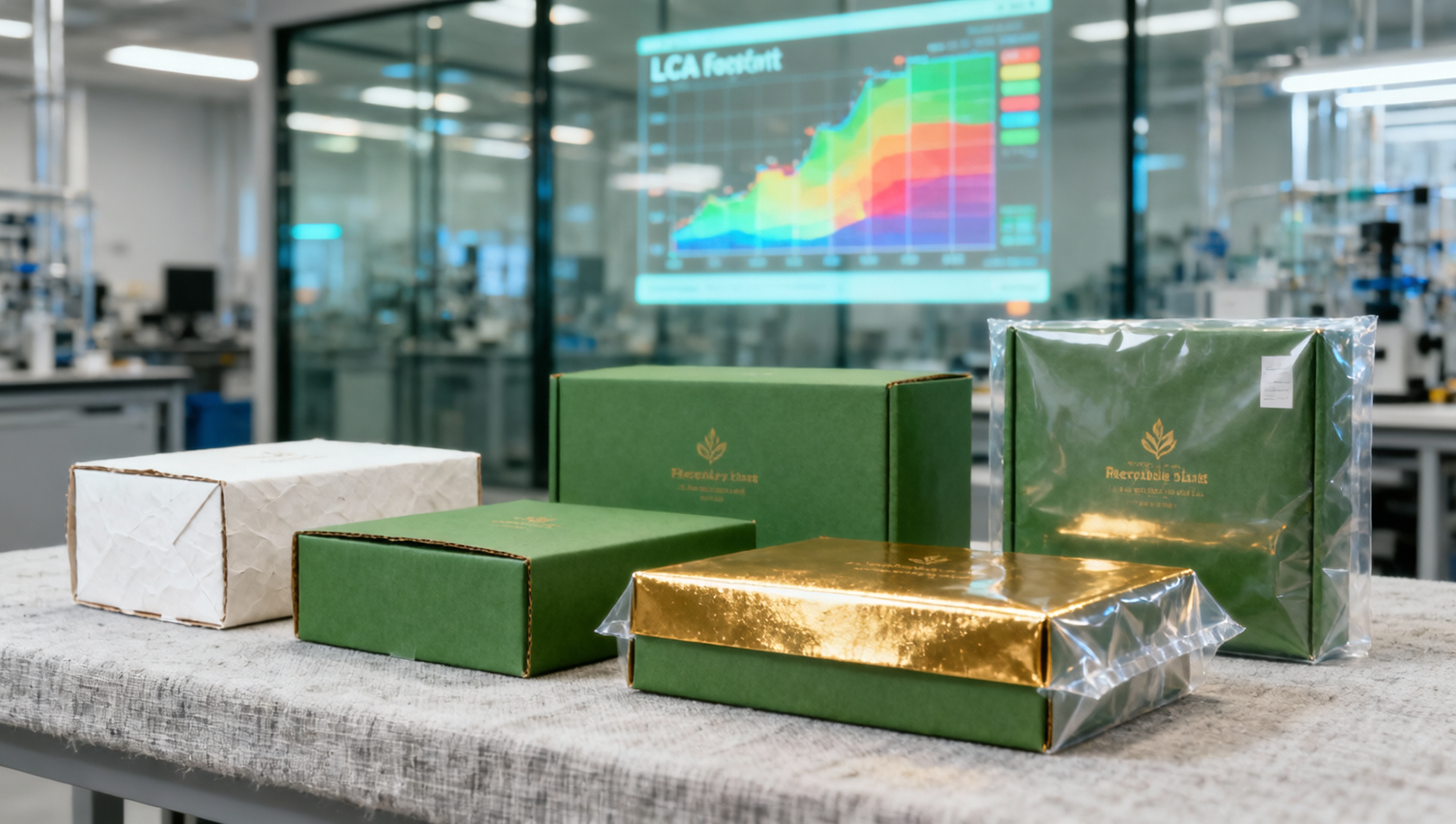
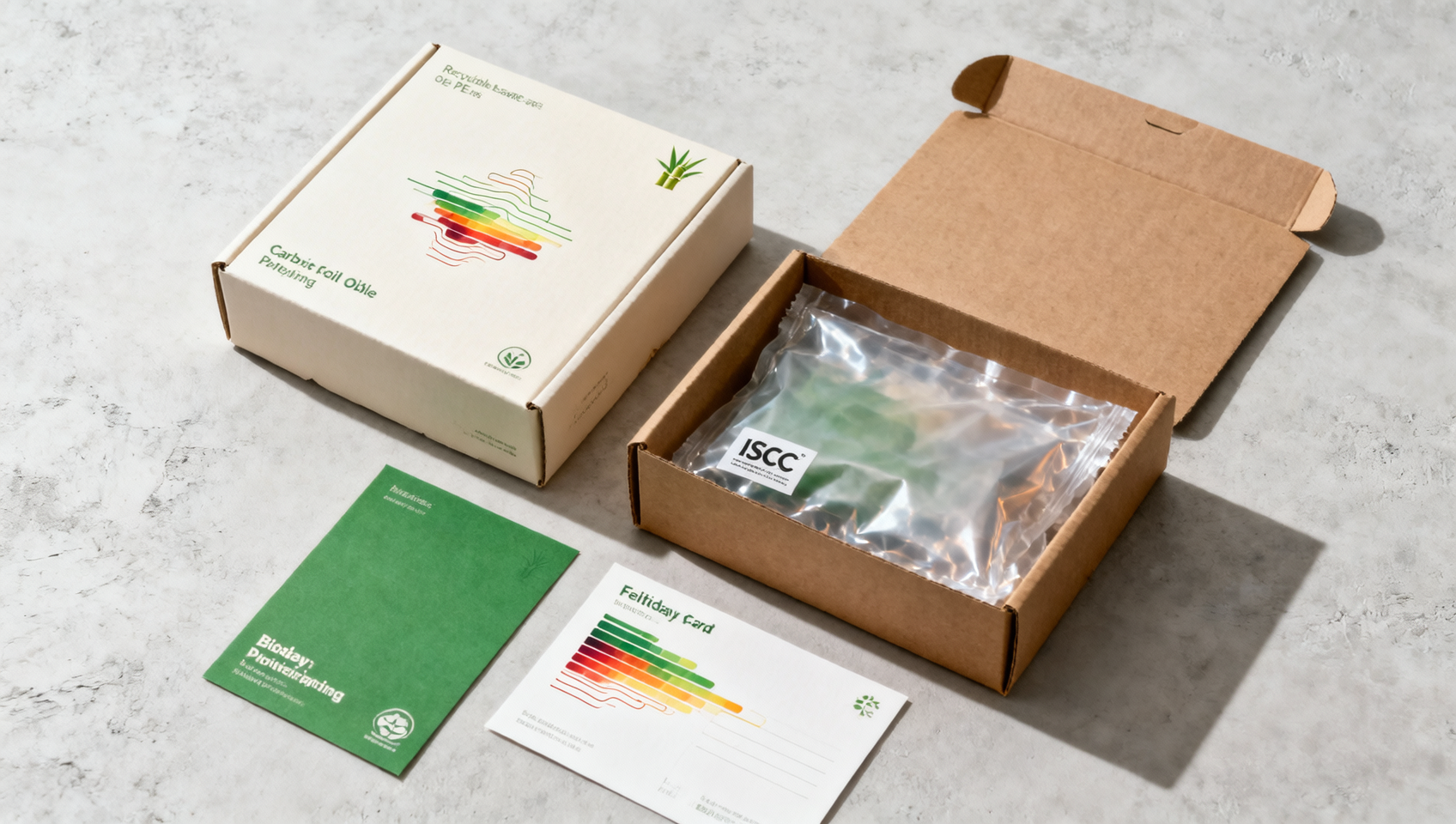
On April 25, 2026, German certification body TÜV Rheinland released an updated guideline for Life Cycle Assessment (LCA) certification of green gift packaging. The revision mandates that carbon footprint heat maps must cover the full life cycle — from raw material extraction and manufacturing to distribution, end-use, and recycling — effectively phasing out simplified reports limited to production-stage data. This change directly affects exporters in the Corporate & Seasonal Gifts sector, especially suppliers of custom gift boxes using recycled paperboard, bio-based inks, or compostable films, who are now required to initiate LCA modeling and third-party verification at least six weeks ahead of certification submission.
Event Overview
On April 25, 2026, TÜV Rheinland published its revised LCA certification guidelines for green gift packaging. The update specifies that carbon footprint heat maps must comprehensively represent all life cycle stages: raw material extraction, manufacturing, transportation, terminal use, and end-of-life recovery or disposal. Reports covering only the production phase are no longer accepted. The guideline is publicly available and applies to new certification applications submitted on or after this date.
Industries Affected by This Update
Direct Exporters (Corporate & Seasonal Gifts)
These businesses face immediate implications because the updated LCA requirement is embedded in a widely recognized conformity mark used in EU and premium export markets. Non-compliant packaging may hinder market access or trigger re-submission delays, especially where buyers explicitly reference TÜV Rheinland’s green packaging criteria in procurement contracts.
Custom Packaging Manufacturers (e.g., Gift Box Producers)
Suppliers relying on materials such as recycled paperboard, plant-based inks, or certified biodegradable films must now integrate upstream and downstream data into their LCA models — not just process energy or ink formulation metrics. This increases complexity in data collection, particularly for transport leg distances, consumer use assumptions (e.g., storage duration), and post-consumer recovery rates across target markets.
Raw Material Suppliers (e.g., Recycled Fiber Providers, Bio-Ink Formulators)
Material-level environmental data — including verified cradle-to-gate emissions, origin traceability, and recyclability test results — becomes more critical. Buyers increasingly request primary-source LCA datasets (e.g., EPDs or ISO 14040/44-compliant reports) from these upstream providers to feed into final packaging LCAs.
Supply Chain Verification & Certification Service Providers
Third-party LCA modeling firms and certification consultants must align their methodologies with the updated scope requirements. Their engagement timelines — especially for data gap analysis and scenario testing — will likely extend due to the mandatory inclusion of terminal use and recycling pathways, which often lack standardized regional inventory data.
What Relevant Enterprises or Practitioners Should Focus On and How to Respond
Monitor official implementation guidance from TÜV Rheinland
The updated guideline introduces a scope expansion but does not yet specify default allocation rules for multi-use scenarios (e.g., gift boxes reused as storage containers) or regional recycling infrastructure assumptions. Enterprises should track any supplementary technical notes or FAQs issued by TÜV Rheinland over the coming months.
Prioritize LCA readiness for high-volume or high-value SKUs
Given the six-week minimum lead time for modeling and verification, companies should identify top 10–15 best-selling or contract-critical gift box configurations and initiate LCA scoping sessions now — focusing first on those using novel or blended materials where upstream data is less readily available.
Distinguish between policy signal and operational mandate
This update is a certification criterion, not a regulatory law. Its enforcement depends on buyer adoption — particularly among EU-based retailers and corporate gifting platforms that require TÜV Rheinland’s green packaging label. Companies should audit current customer RFPs and sustainability clauses to assess actual exposure, rather than assuming universal applicability.
Prepare internal cross-functional alignment early
LCA modeling requires input from procurement (material specs), logistics (transport modes/distances), marketing (intended end-use claims), and sustainability teams. Establishing a lightweight internal coordination protocol — e.g., shared data templates and quarterly review checkpoints — helps avoid bottlenecks when initiating formal certification.
Editorial Perspective / Industry Observation
From industry perspective, this update is less about introducing new environmental science and more about tightening methodological rigor in how existing LCA standards are applied to a specific product category. It signals growing buyer expectation for transparency beyond factory gates — particularly in discretionary, image-sensitive segments like seasonal gifting. Analysis来看, the six-week lead-time requirement suggests TÜV Rheinland anticipates implementation friction, implying this is a transitional signal rather than an abrupt enforcement threshold. Observation来看, the emphasis on ‘heat map’ visualization — not just aggregated CO₂e totals — hints at future demand for spatially or functionally granular impact disclosure, potentially influencing design iteration cycles.
Conclusion
This update reflects a procedural refinement within an established certification framework, not a systemic shift in packaging sustainability policy. Its significance lies in operational timing and scope discipline: enterprises should treat it as a calibration point for LCA maturity — one that rewards proactive data governance and cross-supply-chain collaboration over last-minute compliance. Currently, it is more appropriately understood as a market-readiness benchmark than a regulatory trigger.
Information Sources
Main source: TÜV Rheinland official guideline document, published April 25, 2026.
Note: Further details on regional recycling assumptions, reuse scenario handling, and small-batch verification pathways remain pending clarification and are under observation.
Related Intelligence
 Beauty DevicesApr 26, 2026Global Li-ion Recycling Rate Hits 62%: Beauty Device Battery BOM Cost Down 9%Li-ion recycling hits 62% globally—cutting beauty device battery BOM costs by 9% and lead times to 6 weeks. Act now to boost export agility & margins.
") Smart Pet DevicesApr 26, 2026Vietnam Enforces New Smart Pet Collar Standard (QCVN 135:2026)Vietnam Enforces New Smart Pet Collar Standard (QCVN 135:2026): Bluetooth 5.4 resilience & native Vietnamese voice prompts required by July 1, 2026 — act now to avoid customs delays!
Smart Pet DevicesApr 26, 2026Vietnam Enforces New Smart Pet Collar Standard (QCVN 135:2026)Vietnam Enforces New Smart Pet Collar Standard (QCVN 135:2026): Bluetooth 5.4 resilience & native Vietnamese voice prompts required by July 1, 2026 — act now to avoid customs delays! Nursery Furniture & MonitorsApr 26, 2026Shanghai International Logistics Procurement Expo 2026 ClosesShanghai International Logistics Procurement Expo 2026 closed—AI-powered smart infant & pet health devices led procurement demand. Discover key trends, buyer priorities & 2027 outlook.
 Electronic & RC ToysApr 26, 2026CPSC Proposes New RF Leakage Testing for Wireless Charging ToysCPSC proposes stricter RF leakage testing for wireless charging toys—FCC Part 18B now required. Learn implications for manufacturers, importers & labs.
 Camping & WaterApr 26, 2026RCEP Camping Water Bag Tariff Cut: Indonesia Adopts TPU+Aluminum Laminate SpecRCEP Camping Water Bag tariff cut confirmed: Indonesia mandates TPU+aluminum laminate spec for LKPP tenders — boost compliance & competitiveness now.
 Nursery Furniture & MonitorsApr 26, 2026JETRO Enforces Blockchain Batch Codes for Infant Monitors in Japan Spring SourcingJETRO enforces blockchain batch codes for infant monitors in Japan—critical for spring sourcing & Baby Fair Tokyo 2026. Act now to avoid 14+ day customs delays.
 Corporate & Seasonal GiftsApr 26, 2026TÜV Rheinland Updates Green Gift Packaging LCA RequirementsTÜV Rheinland updates green gift packaging LCA requirements: full-life-cycle carbon heat maps now mandatory for certification—act now to avoid delays.
 Infant Feeding & CareApr 26, 2026Canton Fair Phase III Closes: +63% Inquiries for Infant Feeding Products, Middle East Prioritizes CPC+ISO 8124 Dual CertificationInfant feeding products at Canton Fair Phase III saw +63% inquiries—Middle East buyers now demand CPC+ISO 8124 dual certification. Act now to meet tender requirements.
 Beauty DevicesApr 26, 2026EU Cuts Mn/Si-Fe Alloy Quotas by 25% Amid Manganese VolatilityEU cuts Mn/Si-Fe alloy quotas by 25% amid manganese volatility — impacting beauty devices, pet wearables & infant monitors. Act now to secure supply & revise BOMs.
 Cosmetics & PkgApr 26, 2026NMPA Proposes 27 New Cosmetic Standards, Including Mandatory Hair Dye & Toothpaste RequirementsNMPA proposes 27 new cosmetic standards — including mandatory hair dye & toothpaste requirements. Stay ahead of China’s tightening ingredient regulations.
 Electronic & RC ToysApr 25, 2026CPSC Proposes FCC Part 18B RF Leakage Test for Wireless Charging in Electronic ToysCPSC proposes FCC Part 18B RF leakage testing for wireless charging in electronic toys—critical for Qi2.0/USB-PD3.1 exporters, OEMs & compliance labs.
 Nursery Furniture & MonitorsApr 25, 2026JETRO Spring 2026: Blockchain Batch Code Mandatory for Infant MonitorsJETRO Spring 2026 mandates blockchain batch code for infant monitors — EN60601-1-12 compliance + Hyperledger Fabric registration required. Act now to avoid port rejections!
") Corporate & Seasonal GiftsApr 25, 2026TÜV Rheinland Updates Green Packaging LCA Protocol (2026)TÜV Rheinland Green Packaging LCA Protocol V2.1 (2026) mandates full-life-cycle carbon heatmaps for Corporate & Seasonal Gifts packaging — critical for ALDI/LIDL market access.
Corporate & Seasonal GiftsApr 25, 2026TÜV Rheinland Updates Green Packaging LCA Protocol (2026)TÜV Rheinland Green Packaging LCA Protocol V2.1 (2026) mandates full-life-cycle carbon heatmaps for Corporate & Seasonal Gifts packaging — critical for ALDI/LIDL market access.