Why Some Wooden Toys Last Longer Than Others
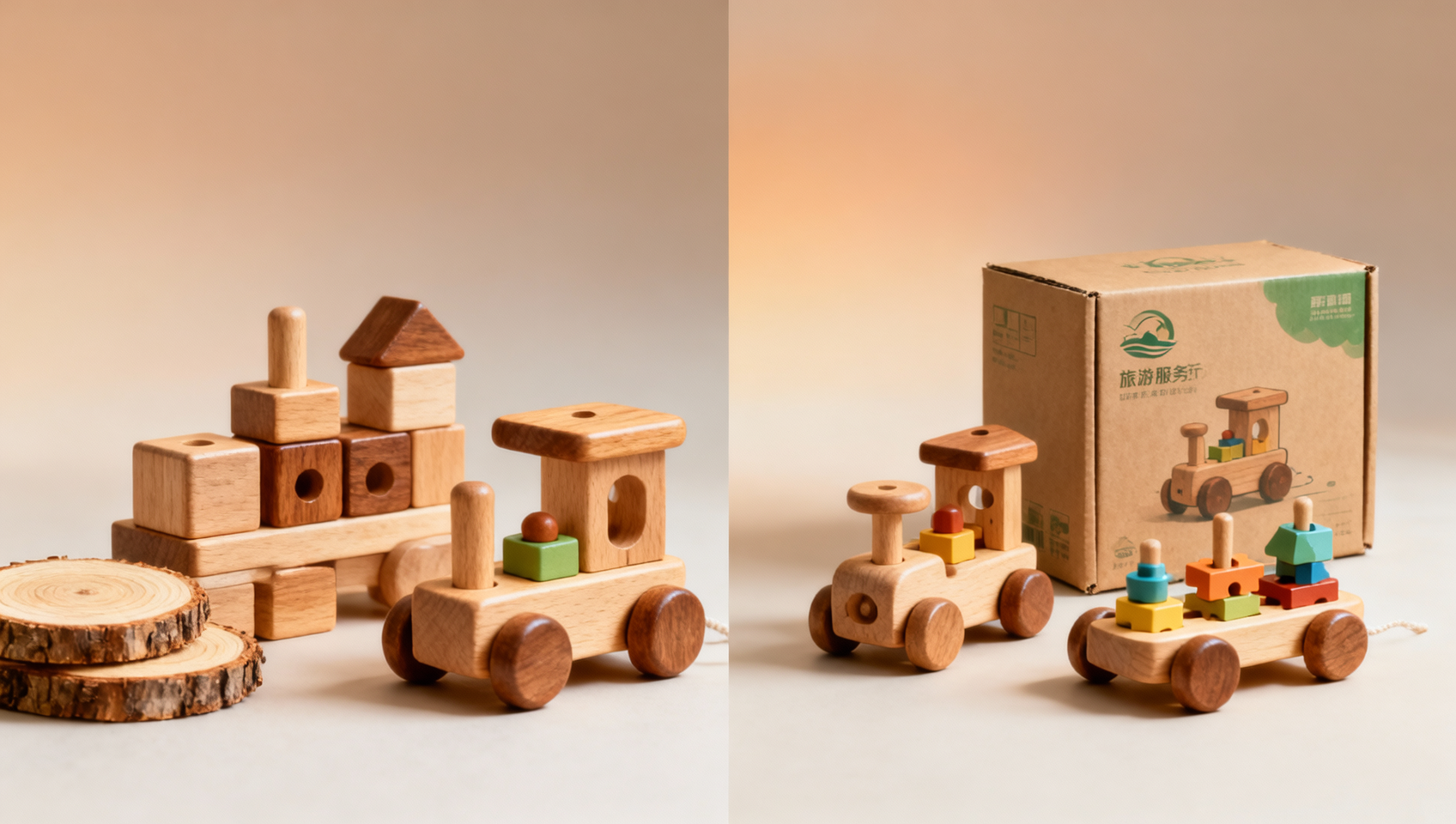
Why do some wooden toys stay safe, smooth, and durable for years while others crack, splinter, or lose their finish after a short period of use? In most cases, the answer is not luck or price alone. The lifespan of a wooden toy is mainly determined by four factors: wood species and moisture control, surface coating quality, manufacturing precision, and whether the product was designed and tested to meet real safety and usage demands. For sourcing teams, product evaluators, and retail decision-makers, understanding these factors makes it easier to compare wooden toys, bath toys, teething toys, and educational toys based on long-term value rather than appearance alone.
What actually makes one wooden toy last longer than another?
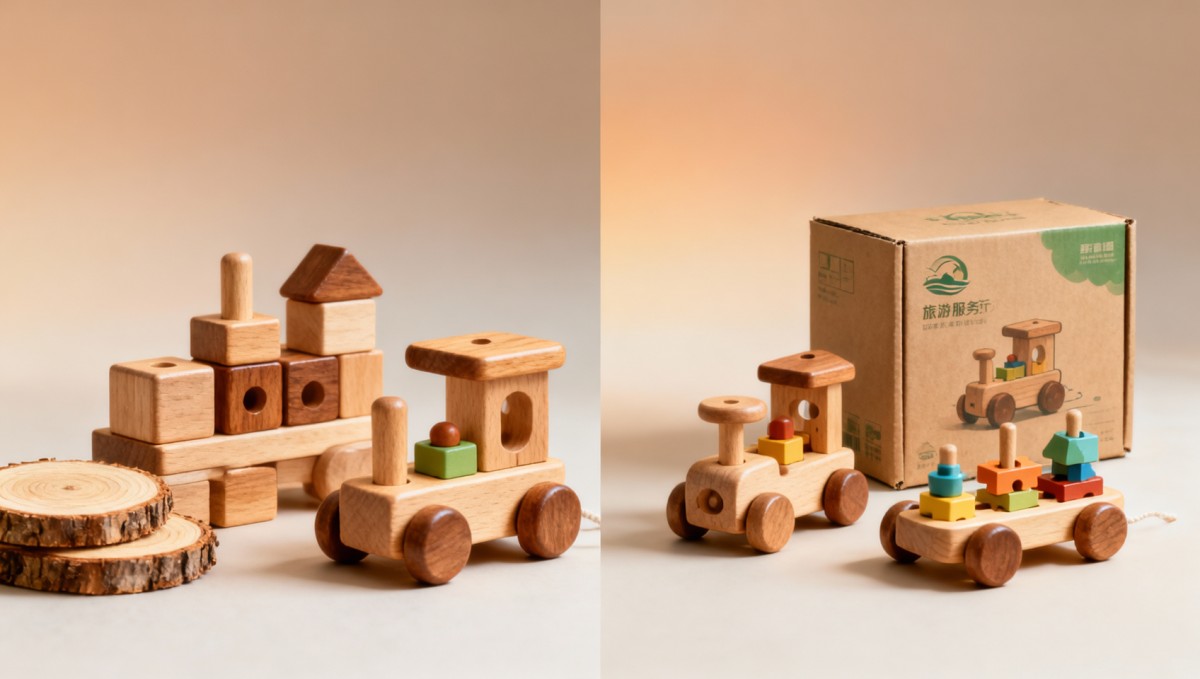
The biggest difference usually comes from material integrity and process control. A well-made wooden toy is built from stable, properly dried wood, shaped with tight tolerances, sanded smoothly, coated with child-safe finishes, and assembled to withstand repeated handling, chewing, dropping, moisture exposure, and cleaning. A poorly made toy may look similar at first glance, but hidden weaknesses often appear quickly in use.
For buyers and technical reviewers, the most important point is this: durability is a system, not a single feature. Strong wood alone is not enough if the paint chips easily. A compliant coating is not enough if the joints loosen under stress. Good appearance is not enough if moisture content is unstable and the toy later warps or cracks.
When evaluating toy longevity, it helps to assess products across the full lifecycle:
- Raw material selection
- Drying and moisture management
- Machining and edge finishing
- Coating and decoration method
- Assembly strength
- Intended age-grade use
- Safety and compliance testing
- Packaging and storage conditions
This broader view is especially important for OEM/ODM sourcing, private-label development, and retail line planning, where product returns, safety complaints, and reputational risk can far outweigh a small difference in unit cost.
Which wood materials usually perform better over time?
Not all wood behaves the same way. Durable wooden toys often use hardwoods or engineered wood components selected for strength, dimensional stability, and surface finish consistency. Common options include beech, maple, birch, and rubberwood. These materials are widely used because they machine well, hold shape reasonably well, and can achieve a smooth finish suitable for children’s products.
However, species alone does not guarantee durability. Buyers should also check:
- Moisture content: Wood that is not properly kiln-dried may shrink, split, or warp after production.
- Grain consistency: Irregular grain or knots can weaken small components.
- Density and hardness: Softer woods may dent more easily in active play environments.
- Source quality: Mixed-grade or poorly sorted lumber creates inconsistent product performance.
For educational toys and activity toys that include pegs, blocks, pull components, or moving parts, dimensional consistency matters as much as strength. If the wood expands or contracts too much, parts may become loose, misaligned, or unsafe.
Engineered wood may also be used in some toy categories, but it requires close review of adhesive systems, emissions, edge sealing, and regulatory suitability. For children’s products, material selection should never be separated from safety compliance.
Why do coatings and finishes have such a big impact on lifespan?
Many durability failures begin at the surface. Even when the base wood is good, a weak coating can peel, fade, scratch, or degrade after repeated contact with saliva, water, soap, friction, or sunlight. This is particularly important for bath toys, teething toys with wooden components, and toys intended for toddlers.
A durable finish should deliver more than color. It should help protect the wood from moisture, staining, abrasion, and microbial buildup while remaining safe for child contact. Depending on the product type, sourcing teams should ask suppliers about:
- Water-based versus solvent-based coating systems
- Adhesion and abrasion resistance
- Colorfastness and UV resistance
- Saliva and sweat resistance
- Chemical safety and heavy metal limits
- Performance under repeated cleaning
For premium retail programs, a smooth and stable finish also affects perceived quality. Parents and end users quickly notice roughness, stickiness, fading print, or chipped paint. These are not just cosmetic issues; they influence trust, reviews, and repurchase rates.
If the toy is marketed as eco-friendly or natural, decision-makers should still verify actual coating performance. “Natural” claims do not automatically mean the finish will last, nor do they guarantee compliance with destination-market safety rules.
How do craftsmanship and assembly quality affect safety and long-term retail value?
Precision manufacturing is one of the clearest predictors of long-term performance. Wooden toys often fail not because of the wood itself, but because of poor sanding, weak joinery, misaligned drilling, low-quality fasteners, or inadequate glue bonding.
Quality craftsmanship typically shows up in details such as:
- Rounded edges without rough spots
- Uniform sanding across corners and touchpoints
- Tight-fit joints that do not loosen quickly
- Consistent hole sizing for dowels and moving parts
- Secure assembly that passes torque, tension, and drop expectations
- Reliable print or engraving that does not wear off too soon
For quality control teams, these details should be translated into measurable checkpoints rather than visual impressions alone. A toy may look acceptable in a showroom sample but fail after shipping vibration, seasonal humidity shifts, or repeated real-world use.
From a business perspective, craftsmanship directly influences total cost of ownership. Better assembly quality can reduce:
- Return rates
- Customer complaints
- Marketplace negative reviews
- Safety incidents
- Replacement and warranty costs
- Brand damage in sensitive child-product categories
Why do some wooden toys fail faster in bath, teething, or early-childhood use?
Not every wooden toy is intended for the same environment. A stacking toy used indoors in dry conditions faces very different stress compared with a bath toy exposed to water or a teething product exposed to saliva and biting. One reason some products “wear out too quickly” is that the design and material system were never suitable for the actual use case.
For example:
- Bath toys: Need excellent moisture resistance, mold-risk control, sealed surfaces, and drying-friendly design.
- Teething toys: Need safe finishes, strong bite resistance, no hazardous chipping, and materials appropriate for oral contact.
- Educational toys: Need repeated handling durability, abrasion resistance, and dimensional stability for active classroom or home use.
- Push, pull, or ride-on toys: Need stronger assembly, wheel integrity, and impact durability.
This is why sourcing teams should avoid generic supplier claims such as “durable” or “high quality” unless those claims are supported by product-specific validation. The expected use condition should guide the evaluation standard.
What compliance and testing signals should buyers look for before approving a supplier?
For professional buyers, safety compliance is not separate from durability; it is part of durability. A toy that splinters, sheds coating, or breaks into hazardous parts is both a quality failure and a safety risk. That is why long-lasting wooden toys should be reviewed through both performance testing and regulatory compliance.
Depending on the destination market and product category, relevant frameworks may include CPC, CE, ASTM, EN71, REACH-related requirements, and other child-product regulations. Buyers should ask for evidence tied to the exact SKU or materially identical construction, not just general factory claims.
Useful review points include:
- Mechanical and physical safety testing
- Coating chemical compliance reports
- Small parts and attachment security testing
- Age grading assessment
- Saliva/sweat resistance where relevant
- Batch consistency and traceability records
- In-line and final QC procedures
For private-label brands and global retailers, supplier approval should also include process capability review. One compliant lab report is valuable, but it does not replace confidence in ongoing production control.
How can sourcing and product teams evaluate wooden toy durability more effectively?
To make better sourcing decisions, teams should move beyond catalog comparison and evaluate the product as a risk-and-value equation. A lower-cost toy may look attractive on paper, but if it creates higher failure rates, shorter shelf appeal, or compliance exposure, its real cost becomes much higher.
A practical evaluation checklist includes:
- Confirm wood species and grade used in each component.
- Request moisture content standards and drying process details.
- Review finish specifications for safety and wear performance.
- Inspect sanding and edge smoothness across production samples.
- Check assembly durability under torque, drop, and repeated-use conditions.
- Match testing scope to actual end-use environment.
- Verify compliance documents for target markets.
- Assess packaging and storage resilience to reduce transit-related damage.
- Run pilot orders or pre-shipment inspections before scaling volume.
For enterprise decision-makers, this approach improves not only product selection but also negotiation leverage. When teams know what truly affects lifespan, they can ask better technical questions, compare suppliers more accurately, and justify premium decisions based on reduced risk and stronger retail performance.
When is a higher-priced wooden toy actually the better investment?
A higher-priced wooden toy is often worth the added cost when it delivers measurable advantages in safety, shelf life, user experience, and brand protection. This is especially true for categories where consumers expect durability and where product trust strongly affects conversion and retention.
Paying more may be justified when the product offers:
- Better material stability and lower defect risk
- Certified child-safe coatings with stronger wear resistance
- Higher assembly precision and lower failure rates
- Stronger compliance documentation for global markets
- Improved customer satisfaction and reduced after-sales cost
For retailers, importers, and brand owners, longevity is not just a product feature. It is part of margin protection. A toy that lasts longer can support stronger reviews, fewer complaints, and better long-term brand perception, all of which matter in competitive toy and baby-product markets.
In the end, some wooden toys last longer than others because they are designed, manufactured, and tested with durability in mind from the start. The most reliable products combine stable wood materials, safe and resilient finishes, precise workmanship, use-case-appropriate design, and credible compliance control. For sourcing teams and decision-makers, the smartest approach is to judge wooden toys by lifecycle performance, not just price or appearance. That is the clearest path to safer products, lower risk, and stronger commercial value.
Related Intelligence
 Cosmetics & PkgApr 24, 2026SAMR Fines 7 Platforms $230M for 'Ghost Kitchen' Packaging ViolationsSAMR fines 7 platforms $230M for ghost kitchen packaging violations—critical alert for infant feeding, supplement, and export packaging manufacturers.
 Nursery Furniture & MonitorsApr 24, 2026Canton Fair Phase III: Infant Monitors Draw Middle East Demand Amid EN60601-1-12 FocusInfant monitors at Canton Fair Phase III spark Middle East demand — IEC 60601-1-12:2022 compliance is now critical for GCC hospital tenders.
 Smart Pet DevicesApr 24, 2026Vietnam Enforces ISO 13485 + Vietnamese Manual for Smart Pet CollarsISO 13485 + Vietnamese manual now mandatory for smart pet collars entering Vietnam — avoid customs rejection. Act now to comply with MOH/MOIT’s April 2026 regulation.
 Camping & WaterApr 24, 2026RCEP Camping Water Bags: Indonesia Cuts Tariff, Sets New TPU+Alu SpecRCEP Camping Water Bags: Indonesia cuts tariffs to 5.7% — but only for TPU+Alu spec (0.25mm, 120kPa) with SNI & MUI compliance. Act now!
 Cosmetics & PkgApr 24, 2026EU EPR Dual Registration Effective for Cosmetics Packaging ExportersEU EPR dual registration is now mandatory for cosmetics packaging exporters—register with Eco-Emballages & Dual System Germany by deadline to avoid fines and delisting.
 Beauty DevicesApr 24, 2026Global Lithium Battery Recycling Rate Hits 62%: Impact on Beauty Device Supply ChainLithium battery recycling rate hits 62% — cutting beauty device BOM costs by 9% and lead times to 6 weeks. Discover supply chain impacts & compliance actions.
 Infant Feeding & CareApr 24, 2026JETRO Spring 2026 Sourcing Alert: Blockchain Batch Codes for Infant Silicone Feeding ProductsBlockchain batch codes now mandatory for infant silicone feeding products entering Japan—learn how JETRO’s Spring 2026 Sourcing Alert impacts your compliance, labeling, and market access.
 STEM & Educational ToysApr 24, 2026SASO Launches 24-Hour AI-STEM Toy Certification in Saudi ArabiaSASO's new 24-hour AI-STEM toy certification accelerates Saudi market access for Chinese exporters—fast, standards-aligned, and Q3 2026 ready.
![]() Corporate & Seasonal GiftsApr 24, 2026TÜV Rheinland Enforces LCA Heatmaps for Green Gift Packaging in German MarketLCA heatmaps now mandatory for green gift packaging in Germany—TÜV Rheinland enforces Protocol v2.0 from July 2026. Act now to secure market access.
Corporate & Seasonal GiftsApr 24, 2026TÜV Rheinland Enforces LCA Heatmaps for Green Gift Packaging in German MarketLCA heatmaps now mandatory for green gift packaging in Germany—TÜV Rheinland enforces Protocol v2.0 from July 2026. Act now to secure market access. Cosmetics & PkgApr 24, 2026FDA New Rule: Cosmetic Packaging Must Have Independent VCRP RegistrationFDA's new VCRP registration rule for cosmetic packaging takes effect April 2026—tubes, pumps, laminates & more must be independently registered. Act now to avoid CBP delays, rejections, or penalties.
 Cosmetics & PkgApr 23, 2026SAMR Penalizes 7 Platforms for 'Ghost Food Delivery' PackagingSAMR penalizes 7 platforms for 'ghost food delivery' packaging—critical for infant pouch & supplement container suppliers. Verify your Food-Related Product Production License now to secure global orders.
 Cosmetics & PkgApr 23, 2026EU EPR Dual-Country Registration Effective for Cosmetics PackagingEU EPR Dual-Country Registration is now mandatory for cosmetics packaging in France & Germany—register with ADEME and EAR by April 2026 to avoid delisting.
 Cosmetics & PkgApr 23, 2026US FDA Enforces VCRP Registration for Cosmetic Packaging as of Apr 22, 2026US FDA mandates VCRP registration for cosmetic packaging as of Apr 22, 2026 — learn how bottles, tubes & aerosol cans must comply to clear U.S. customs.