Are Bath Toys Safe to Use Every Day? Key Material Checks
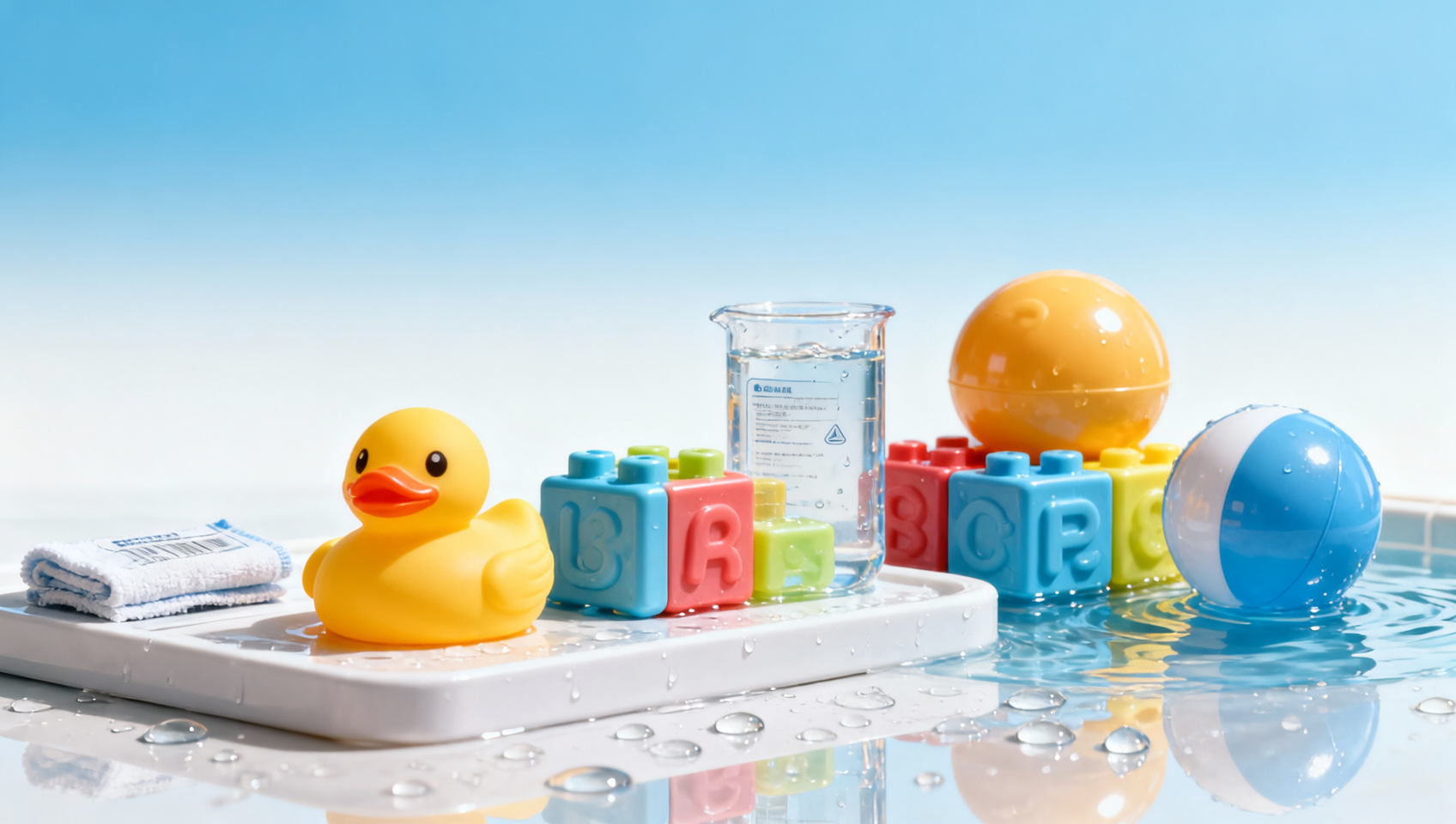
For buyers, safety teams, and sourcing managers evaluating bath toys for everyday use, material choice is the first risk filter. From soft plastics in teething toys to finishes used in wooden toys and educational toys, small material details can affect compliance, durability, and user trust. This guide highlights the key checks that help global brands and retail teams assess daily-use toy safety with greater confidence.
Yes, bath toys can be safe to use every day, but only when the material, construction, and compliance evidence are appropriate for repeated water exposure, mouthing, and frequent cleaning. For professional buyers and quality teams, the real question is not whether bath toys are safe in general, but which material choices reduce chemical, hygiene, and durability risks over time. In practice, the safest daily-use bath toys are usually those made with well-documented food-contact-grade or toy-compliant silicone, properly tested polypropylene or ABS parts where relevant, and simple designs that do not trap water. By contrast, products with unclear soft plastic formulations, poor sealing, heavy paint use, or limited test documentation deserve closer review.
What should buyers check first when deciding if bath toys are safe for everyday use?
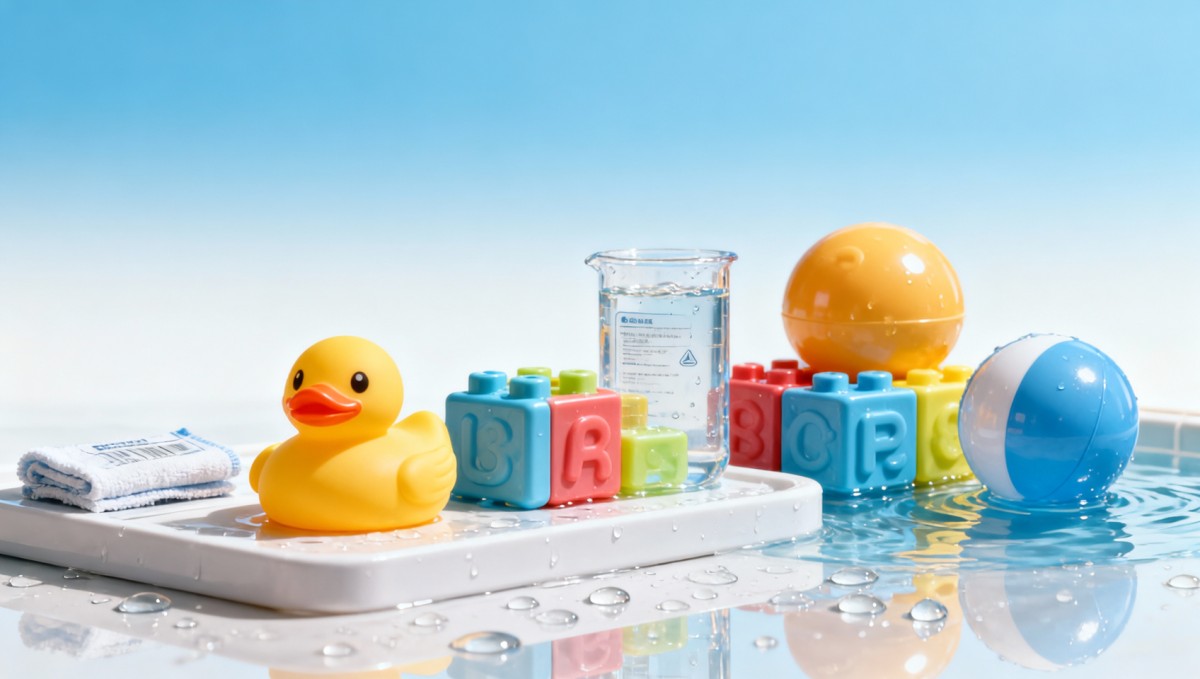
The fastest way to assess daily-use safety is to start with four questions:
- What is the core material? Silicone, PP, ABS, EVA foam, natural rubber, and wood-based parts all perform differently in warm water and repeated handling.
- Does the toy trap water? Squeeze toys with small holes often create the biggest hygiene concerns because retained moisture can encourage internal contamination.
- What compliance proof is available? Test reports, CPC documentation where required, REACH or EN71 alignment, and chemical screening for restricted substances matter more than general marketing claims.
- How does the product age? Daily-use toys must remain stable after repeated soaking, drying, chewing, dropping, and cleaning.
For sourcing and technical review teams, these four checks usually reveal most of the real risk. A bath toy may look harmless at first glance, but if the supplier cannot clearly state the resin grade, additives, surface treatment, and test scope, that product should not move quickly through approval.
Which materials are usually safer for frequent bath toy use?
Not all toy materials perform equally well in wet, warm environments. The best choice depends on the product type, user age, and intended cleaning routine.
Silicone
High-quality silicone is often preferred for infant and toddler bath products because it is soft, flexible, and generally stable under repeated washing. It is especially useful for bath toys that may also be mouthed. However, buyers should still confirm that the silicone formulation is appropriate for toy use and supported by migration and chemical safety testing. “Silicone” alone is not enough; documentation matters.
Polypropylene (PP)
PP is commonly used in rigid or semi-rigid bath toys and can be a strong option for daily use. It offers good moisture resistance and is often easier to keep hygienic than softer, more porous materials. It is a practical choice when the toy design avoids hidden cavities and complex assemblies.
ABS
ABS is widely used for harder molded parts, including floating toys with mechanical features. It can perform well, but buyers should evaluate whether coatings, colorants, glued joints, or multi-part construction introduce added risk. ABS itself may be suitable, but attached components often become the weak point.
EVA foam
EVA is common in lightweight bath shapes and educational water-play products. It can be suitable when compliant and well manufactured, but foam density, additives, and edge durability should be checked carefully. Lower-grade foam products may degrade faster or show inconsistent chemical performance.
Natural rubber and wood components
These materials may appeal to brands focused on natural positioning, but they require stricter evaluation for daily bath use. Natural rubber can age differently depending on formulation and storage conditions. Wood, painted wood, or hybrid wooden toys are usually less ideal for full-time wet use unless specifically designed and tested for water exposure. Coatings, sealants, and surface wear become critical in these cases.
For everyday-use bath toys, simpler and more water-stable materials usually outperform materials selected mainly for visual appeal or “natural” branding.
Which material red flags deserve extra scrutiny?
If the goal is to reduce complaint risk, return rates, and safety exposure, buyers should pay particular attention to the following red flags:
- Unspecified soft plastics: If a supplier cannot clearly identify the exact material and additive approach, there may be higher risk around plasticizers or restricted substances.
- Strong odor: A heavy chemical smell can signal residual solvents, additives, or poor process control.
- Painted or coated surfaces in frequent-contact areas: Coating wear is more likely under repeated wet handling and cleaning.
- Water-injection holes: Toys that suck in and retain water are common sources of hygiene complaints.
- Glued multi-part assemblies: Adhesives can weaken over time in warm, wet conditions.
- Poor edge finish or seam quality: This may indicate weak manufacturing consistency and lower long-term durability.
- Vague claims such as “eco-safe” or “non-toxic” without reports: These claims are not substitutes for test evidence.
For quality managers and compliance reviewers, these warning signs are often more useful than packaging copy. A toy can pass an initial visual review yet still perform poorly after 30 days of normal use.
What safety certifications and test documents should support a bath toy?
For global consumer brands and retail sourcing teams, everyday-use bath toy safety should be supported by actual documentation, not only declarations from the factory.
Depending on market destination, the most relevant documents may include:
- CPC: Important for products sold into the U.S. children’s market where applicable.
- ASTM F963: A key toy safety framework in the U.S.
- EN71 testing: Common for the European market.
- REACH screening: Important for chemical substance compliance in Europe.
- Phthalate testing: Especially important for soft plastic components.
- Heavy metals or migration testing: Relevant for paints, coatings, and colored parts.
- BPA-free or similar material-specific statements: Useful only when supported by credible testing scope.
- Factory quality records: Incoming material control, lot traceability, and change management records help reduce sourcing risk.
Technical evaluators should also verify whether the test report matches the exact SKU, material version, colorway, and production batch concept under review. In bath toys, small formula changes can affect chemical results, especially in soft materials, coatings, and colorants.
How do hygiene and mold concerns affect daily-use safety?
For many end users, mold risk is the main reason they question whether bath toys are safe every day. From a product evaluation perspective, this is less about the category itself and more about design and cleanability.
The highest-risk designs are usually squeeze toys with a small hole that pulls in bath water. Once water enters, the inside can be difficult to dry or inspect. Even when the outer material is compliant, poor drying conditions may lead to hygiene concerns and customer dissatisfaction.
Safer daily-use designs often include:
- Fully sealed constructions with reliable integrity testing
- Openable toys that can be fully cleaned and dried
- Solid molded toys without internal cavities
- Smooth surfaces with minimal seams and low dirt retention
For product managers, this is a strong example of how safety perception and actual design quality overlap. A chemically compliant bath toy can still fail in the market if consumers believe it is hard to clean or likely to grow mold.
How can sourcing teams evaluate durability for repeated daily use?
Daily use creates a different risk profile than occasional play. A bath toy intended for repeated exposure should be assessed for:
- Heat and moisture stability: Will the toy warp, crack, soften, or lose seal integrity after repeated warm-water exposure?
- Color fastness and finish retention: Will color bleed, fade, or rub off during use and cleaning?
- Mechanical integrity: Can seams, plugs, squeakers, or attached components loosen over time?
- Cleaning resistance: Will ordinary cleaning methods degrade the material or surface?
- Mouthing resistance: For baby-oriented products, can the material remain stable under chewing and biting pressure?
From a commercial standpoint, durability is not only a safety issue. It also affects return rates, review quality, and brand trust. For business decision-makers and finance approvers, a slightly higher unit cost for better materials can often be justified if it reduces compliance exposure and post-sale complaints.
What practical sourcing checklist helps reduce risk before approval?
For teams comparing multiple suppliers, a practical approval checklist should include:
- Confirm the exact base material, grade, and additive approach.
- Review current test reports for the intended market, not generic historical files.
- Check whether the product design traps water or limits cleaning.
- Assess coatings, printing, adhesives, and assembly points separately from the main material.
- Request durability samples for repeated soak-dry and cleaning review.
- Verify lot traceability and material change-control procedures at the factory.
- Compare product claims with actual documentation.
- Ensure packaging and labeling do not overstate unsupported safety promises.
This checklist is particularly useful for project managers, quality control personnel, and enterprise decision-makers who need a repeatable framework rather than a one-time opinion.
Are bath toys safe to use every day? Final assessment for buyers and safety teams
Bath toys can be safe for everyday use when they are made from stable, well-documented materials, designed to avoid water retention, and supported by valid safety testing for the target market. The safest options are typically those with simple construction, low chemical complexity, and easy cleaning characteristics.
For buyers, the key material checks are straightforward: know the exact material, verify the test evidence, examine finishes and assembly methods, and treat hygiene-related design as part of the safety review. In other words, daily-use safety is not decided by marketing language or product category alone. It is decided by material transparency, compliance discipline, and design choices that hold up under real use.
When sourcing for retail, private label, or brand expansion, the strongest products are the ones that remain compliant, durable, and trusted after repeated everyday exposure—not just at the moment of factory inspection.
Related Intelligence
 Cosmetics & PkgApr 24, 2026SAMR Fines 7 Platforms $230M for 'Ghost Kitchen' Packaging ViolationsSAMR fines 7 platforms $230M for ghost kitchen packaging violations—critical alert for infant feeding, supplement, and export packaging manufacturers.
 Nursery Furniture & MonitorsApr 24, 2026Canton Fair Phase III: Infant Monitors Draw Middle East Demand Amid EN60601-1-12 FocusInfant monitors at Canton Fair Phase III spark Middle East demand — IEC 60601-1-12:2022 compliance is now critical for GCC hospital tenders.
 Smart Pet DevicesApr 24, 2026Vietnam Enforces ISO 13485 + Vietnamese Manual for Smart Pet CollarsISO 13485 + Vietnamese manual now mandatory for smart pet collars entering Vietnam — avoid customs rejection. Act now to comply with MOH/MOIT’s April 2026 regulation.
 Camping & WaterApr 24, 2026RCEP Camping Water Bags: Indonesia Cuts Tariff, Sets New TPU+Alu SpecRCEP Camping Water Bags: Indonesia cuts tariffs to 5.7% — but only for TPU+Alu spec (0.25mm, 120kPa) with SNI & MUI compliance. Act now!
 Cosmetics & PkgApr 24, 2026EU EPR Dual Registration Effective for Cosmetics Packaging ExportersEU EPR dual registration is now mandatory for cosmetics packaging exporters—register with Eco-Emballages & Dual System Germany by deadline to avoid fines and delisting.
 Beauty DevicesApr 24, 2026Global Lithium Battery Recycling Rate Hits 62%: Impact on Beauty Device Supply ChainLithium battery recycling rate hits 62% — cutting beauty device BOM costs by 9% and lead times to 6 weeks. Discover supply chain impacts & compliance actions.
 Infant Feeding & CareApr 24, 2026JETRO Spring 2026 Sourcing Alert: Blockchain Batch Codes for Infant Silicone Feeding ProductsBlockchain batch codes now mandatory for infant silicone feeding products entering Japan—learn how JETRO’s Spring 2026 Sourcing Alert impacts your compliance, labeling, and market access.
 STEM & Educational ToysApr 24, 2026SASO Launches 24-Hour AI-STEM Toy Certification in Saudi ArabiaSASO's new 24-hour AI-STEM toy certification accelerates Saudi market access for Chinese exporters—fast, standards-aligned, and Q3 2026 ready.
![]() Corporate & Seasonal GiftsApr 24, 2026TÜV Rheinland Enforces LCA Heatmaps for Green Gift Packaging in German MarketLCA heatmaps now mandatory for green gift packaging in Germany—TÜV Rheinland enforces Protocol v2.0 from July 2026. Act now to secure market access.
Corporate & Seasonal GiftsApr 24, 2026TÜV Rheinland Enforces LCA Heatmaps for Green Gift Packaging in German MarketLCA heatmaps now mandatory for green gift packaging in Germany—TÜV Rheinland enforces Protocol v2.0 from July 2026. Act now to secure market access. Cosmetics & PkgApr 24, 2026FDA New Rule: Cosmetic Packaging Must Have Independent VCRP RegistrationFDA's new VCRP registration rule for cosmetic packaging takes effect April 2026—tubes, pumps, laminates & more must be independently registered. Act now to avoid CBP delays, rejections, or penalties.
 Cosmetics & PkgApr 23, 2026SAMR Penalizes 7 Platforms for 'Ghost Food Delivery' PackagingSAMR penalizes 7 platforms for 'ghost food delivery' packaging—critical for infant pouch & supplement container suppliers. Verify your Food-Related Product Production License now to secure global orders.
 Cosmetics & PkgApr 23, 2026EU EPR Dual-Country Registration Effective for Cosmetics PackagingEU EPR Dual-Country Registration is now mandatory for cosmetics packaging in France & Germany—register with ADEME and EAR by April 2026 to avoid delisting.
 Cosmetics & PkgApr 23, 2026US FDA Enforces VCRP Registration for Cosmetic Packaging as of Apr 22, 2026US FDA mandates VCRP registration for cosmetic packaging as of Apr 22, 2026 — learn how bottles, tubes & aerosol cans must comply to clear U.S. customs.