Fiberglass SUP Paddle: When It Makes More Sense Than Carbon

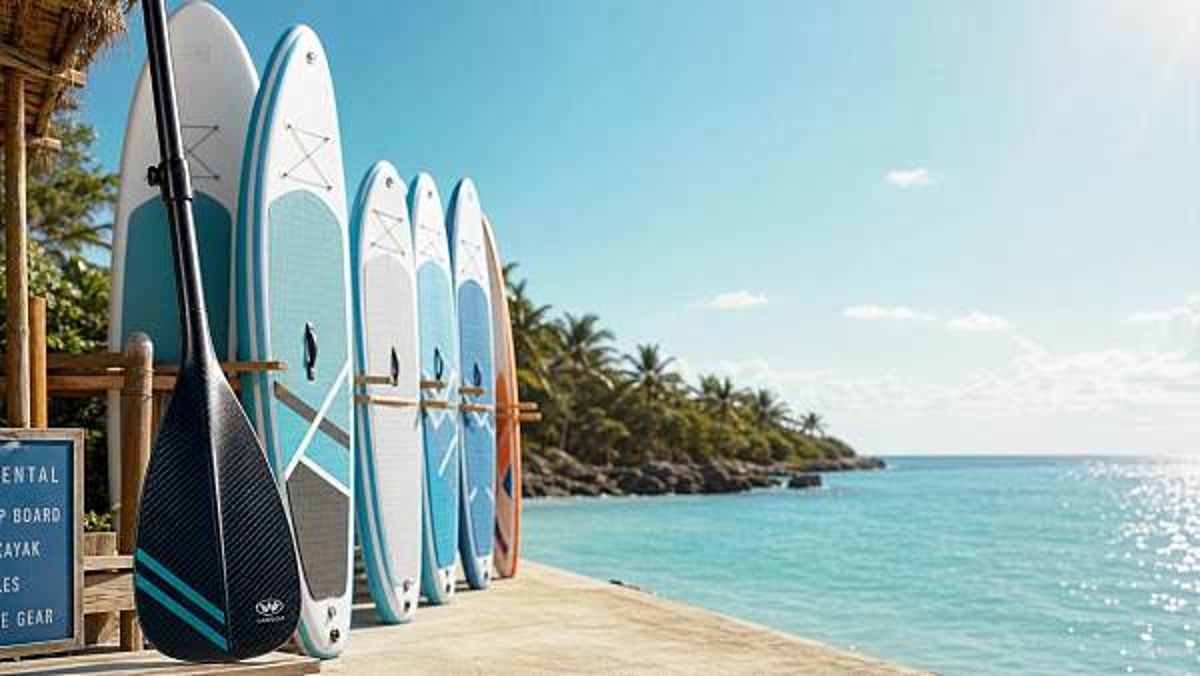
A fiberglass SUP paddle often makes more sense than carbon when buyers prioritize durability, balanced performance, and better cost control. For sourcing teams, retailers, and product researchers, understanding where fiberglass fits in the market helps identify the right price-to-value positioning while meeting consumer expectations for recreational paddling, rental use, and entry-to-midrange product lines.
Why Scenario Differences Matter in Paddle Selection
In travel services and outdoor leisure retail, product decisions rarely succeed when they are based only on material prestige. A carbon paddle may look like the premium answer on paper, yet that does not mean it is the best fit for every guest experience, rental fleet, package tour, watersports school, or destination store. A fiberglass SUP paddle sits in a highly practical middle ground, especially where operators need dependable performance without exposing budgets to unnecessary risk.
This is why application context matters. The needs of a beach rental business are different from those of a guided eco-tour company. A resort gift shop serves different buyers than a specialty paddle retailer. Even within the same tourism market, beginner-heavy usage, saltwater exposure, transport frequency, and replacement cycles can dramatically change the ideal material choice. For information researchers evaluating sourcing options, the right question is not whether fiberglass is “better” than carbon in absolute terms. The real question is: in which scenarios does a fiberglass SUP paddle deliver stronger commercial logic, better guest satisfaction, and more resilient margins?
The Core Positioning of a Fiberglass SUP Paddle
A fiberglass SUP paddle is commonly chosen for its balance. It is generally lighter than aluminum options, usually more forgiving on price than full carbon, and often durable enough for repeated recreational use. That makes it attractive for businesses that want to upgrade user experience beyond entry-level hardware but do not need the extreme stiffness or ultra-light feel that performance paddlers demand.
For travel-related operations, this balance matters because many end users are casual paddlers. They care about comfort, ease of handling, visual quality, and reliability more than race-grade specifications. A fiberglass SUP paddle often supports that exact value proposition: good on-water feel, reduced fatigue compared with heavier low-cost paddles, and a price point that still works for fleet or retail economics.
Scenario Comparison: Where Fiberglass Makes More Sense Than Carbon
The table below helps sourcing teams and tourism operators compare common business scenarios and decide when a fiberglass SUP paddle is the more rational choice.
This comparison shows a clear pattern: a fiberglass SUP paddle becomes highly competitive whenever use intensity is commercial, user skill is mixed, and the business model depends on maintaining a healthy replacement and margin structure.
Typical Tourism and Leisure Scenarios Where Fiberglass Performs Well
Resort and Hotel Water Activity Programs
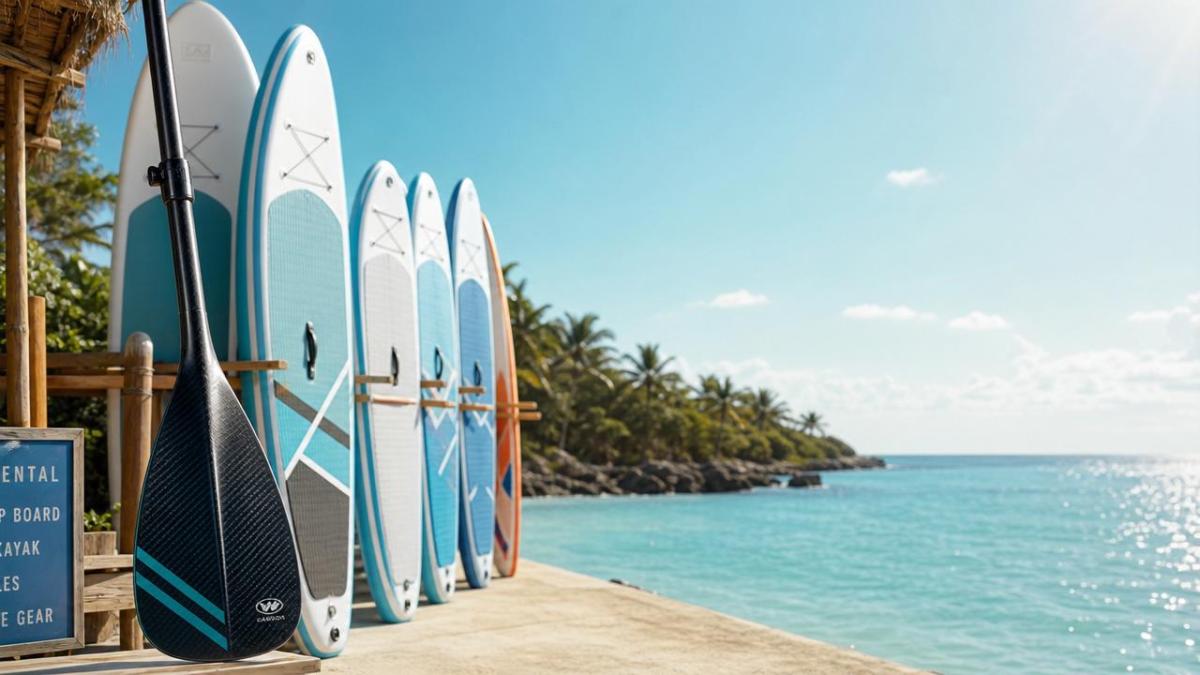
Hotels and island resorts usually serve casual users who paddle for short sessions in calm water. In this environment, a fiberglass SUP paddle often offers a better fit than carbon because guests are not chasing race-level efficiency. What they notice is whether the paddle feels comfortable, whether it looks premium enough for the resort image, and whether it survives frequent turnover among inexperienced users. Fiberglass supports this mix well, especially for operators that want to avoid the cost burden of equipping large fleets with full carbon units.
Rental Shops in High-Traffic Beach Destinations
Rental businesses often face rough handling, salt exposure, and constant transport. Their challenge is not just paddle performance, but lifecycle economics. A fiberglass SUP paddle can make more sense than carbon because small weight savings may not justify higher replacement cost in a rental setting. If a paddle is likely to be dropped, leaned against hard surfaces, or used by first-time paddlers, the best commercial choice is often the one that protects user experience while keeping operating cost manageable.
Guided Nature Tours and Eco-Excursions
Tour operators selling mangrove trips, lake paddles, or coastal exploration tours need equipment that works for a broad customer base. Guests range from athletic travelers to complete beginners. Here, a fiberglass SUP paddle helps maintain an accessible experience. It feels more refined than very basic alternatives, yet remains practical for fleet management. For operators building package tours, this is especially useful because equipment quality affects reviews, repeat booking, and perceived trip value.
Retail Programs for First-Time Buyers
In tourist retail channels, many customers purchase paddling gear impulsively or after a positive holiday experience. These buyers may not need an elite paddle, but they do want something better than the cheapest option. A fiberglass SUP paddle is often ideal for this retail tier. It communicates an upgrade story: lighter feel, improved stroke comfort, and stronger value than basic entry products. For retailers, that creates room for better product differentiation and upsell without moving into a premium price bracket that discourages conversion.
How Needs Change by Buyer Type
Different commercial buyers evaluate the same paddle through different metrics. Understanding this helps sourcing teams build smarter assortments and negotiate the right specification package.
For B2B sourcing, this is where a platform like GCS adds value. The material itself is only one layer. The bigger sourcing question involves supplier consistency, product testing, packaging design, and alignment with the end-use channel. A fiberglass SUP paddle may look attractive in a sample review, but its real business value depends on whether the manufacturing partner can repeatedly deliver the right finish quality, blade construction, and delivery reliability.
When Fiberglass Is the Better Strategic Fit
A fiberglass SUP paddle usually deserves serious consideration in five business situations.
- When the majority of users are beginners or recreational paddlers.
- When the business needs a meaningful upgrade from aluminum without jumping to top-tier carbon costs.
- When equipment will be shared, rented, or handled by multiple guests every day.
- When the retail assortment needs a clear good-better-best product ladder.
- When margin stability matters more than promoting the lightest possible specification.
In these cases, fiberglass helps businesses stay competitive on user experience while protecting procurement budgets. That is especially relevant in tourism, where profitability is influenced by wear, transport, seasonality, and volume purchasing decisions.
Common Misjudgments in Real-World Paddle Sourcing
Assuming Premium Material Always Means Better Business Value
One of the most common sourcing mistakes is over-prioritizing technical prestige. Carbon is widely recognized as premium, but if customers cannot fully perceive the added value, the higher cost may not translate into stronger returns. In many recreational tourism settings, a fiberglass SUP paddle creates a more efficient balance between guest satisfaction and investment recovery.
Ignoring the User Skill Mix
A fleet built for experts can fail beginners. If the customer base is mostly first-time paddlers, the ideal product is not the one optimized for elite technique. It is the one that supports comfort, forgiveness, and simple handling. This is why many operators find that a fiberglass SUP paddle better matches actual usage than a high-end performance model.
Focusing on Unit Price Instead of Total Ownership Cost
Another mistake is comparing only purchase price. Buyers should also review repair frequency, replacement rates, customer complaints, and brand positioning. A fiberglass SUP paddle may cost more than the cheapest entry option, yet still outperform it commercially because it improves satisfaction and reduces fatigue-related dissatisfaction.
Practical Evaluation Checklist Before You Source
Before confirming a supplier or finalizing a product line, decision-makers should assess the following:
- Who is the main user: tourist beginner, casual hobbyist, guide, or advanced paddler?
- How often will the paddle be transported, dropped, rinsed, or shared?
- Is the product for rental, package tours, resale, or private-label development?
- Does the business need a visible step-up from entry-level products?
- Can the supplier support quality consistency, packaging, and compliance documentation where needed?
These questions move the discussion away from abstract material comparison and toward channel fit. That is the most useful way to evaluate a fiberglass SUP paddle in a commercial environment.
FAQ: Scenario-Based Questions Buyers Often Ask
Is a fiberglass SUP paddle good for rental businesses?
Yes, in many cases it is one of the most logical choices. It often provides a better user feel than low-end paddles while keeping cost lower than carbon, which is important for fleet turnover and replacement planning.
Does fiberglass work for beginner tourists?
Usually yes. Beginner tourists tend to value comfort, simple operation, and a quality feel. A fiberglass SUP paddle often supports those needs well in leisure and holiday settings.
Should a premium travel brand still consider fiberglass?
Absolutely. Premium does not always require the highest-spec racing material. If the brand promise is polished recreational experience rather than elite athletic performance, fiberglass can still be the smarter choice.
Final Take: Match the Paddle to the Real Use Case
A fiberglass SUP paddle makes more sense than carbon in many real market situations, especially where tourism, recreation, rental activity, and entry-to-midrange retail are involved. Its value lies in fit, not hype. For sourcing teams, the strongest decisions come from mapping product choice to user profile, operating environment, and commercial goals. If your business serves casual paddlers, beginner-heavy groups, or cost-sensitive product lines that still need credible quality, fiberglass may be the most effective position on the board.
The next step is to compare your exact scenario: fleet use versus retail sale, premium leisure versus mass participation, short-term margin versus long-term replacement cost. Once those conditions are clear, it becomes much easier to decide whether a fiberglass SUP paddle is the right specification for your market and sourcing strategy.
Related Intelligence
 Camping & WaterMay 03, 2026How to Compare a Kayak Manufacturer for Quality, Capacity, and WarrantyKayak manufacturer comparison for travel services: learn how to assess quality, load capacity, warranty, and supplier support to reduce sourcing risk and choose with confidence.
 Camping & WaterMay 03, 2026Portable Camping Stove: Fuel Options, Boil Time, and Packing Trade-OffsPortable camping stove guide: compare fuel options, boil time, weight, and packing trade-offs to choose the best stove for your trip style, cooking needs, and outdoor comfort.
 Camping & WaterMay 03, 2026Rooftop Tent Manufacturer: What Impacts Lead Time, MOQ, and ReliabilityRooftop tent manufacturer guide for travel service buyers: learn what affects lead time, MOQ, and reliability to reduce sourcing risk and choose a dependable supplier.
 Activewear OEMMay 03, 2026Sports Bra Private Label: Support Levels, Fabrics, and Fit Issues to KnowSports bra private label guide: compare support levels, breathable fabrics, and common fit issues to choose a comfortable, travel-ready bra that performs and feels right.
 Fitness EquipmentMay 03, 2026Soccer Balls Bulk: How to Match Construction to Training or Match UseSoccer balls bulk buying guide for travel services: learn how to match ball construction to training or match use, reduce replacement costs, and source with more confidence.
 Camping & WaterMay 03, 2026Wholesale Life Jackets: Safety Standards You Should Not OverlookWholesale life jackets for tourism demand more than low pricing. Learn the key safety standards, certifications, labeling, and inspection points to protect guests and reduce sourcing risk.
 Camping & WaterMay 03, 2026Trekking Poles Manufacturer Review: Strength Tests, Locks, and Failure PointsTrekking poles manufacturer review covering strength tests, lock reliability, and failure points. Learn how QC teams and tourism service buyers can spot safer, more durable suppliers.
 Camping & WaterMay 03, 2026Outdoor Cooler Box Wholesale: Features That Matter in Real Field UseOutdoor cooler box wholesale: discover the field-tested features that really matter—insulation, durability, sealing, portability, and easy cleaning for reliable tourism operations.
 Camping & WaterMay 03, 2026Fiberglass SUP Paddle: When It Makes More Sense Than CarbonFiberglass SUP paddle buying guide for travel and leisure businesses: discover when fiberglass beats carbon for rentals, tours, and retail with better value, durability, and guest comfort.
 Fitness EquipmentMay 03, 2026Pickleball Paddles OEM: Design Choices That Influence Market AppealPickleball paddles OEM design choices shape appeal in resorts, retail, and travel channels. Learn how materials, branding, packaging, and compliance drive sales.
 Fitness EquipmentMay 03, 2026Golf Clubs Manufacturer Comparison: OEM Capability vs Consistent QualityGolf clubs manufacturer comparison guide: learn how to balance OEM capability with consistent quality, reduce sourcing risk, and choose a supplier that supports brand growth.
 Fitness EquipmentMay 03, 2026Wholesale Running Shoes: Sizing, Cushioning, and Return Risk ExplainedWholesale running shoes buyers in travel retail: learn how sizing accuracy, cushioning consistency, and defect checks reduce return risk, protect margins, and improve customer satisfaction.
 Fitness EquipmentMay 03, 2026Wholesale Tennis Rackets: How to Balance Price, Weight, and PlayabilityWholesale tennis rackets for travel services: learn how to balance price, weight, and playability to improve guest satisfaction, reduce replacement costs, and source smarter.