Wholesale Life Jackets: Safety Standards You Should Not Overlook
When sourcing wholesale life jackets for travel and outdoor operations, overlooking key safety standards can expose guests, staff, and brands to serious risk. For quality control and safety managers, understanding certification, material performance, labeling, and testing requirements is essential to ensure every product meets regulatory expectations and real-world use demands.
Why do safety standards matter so much when buying wholesale life jackets for tourism operations?
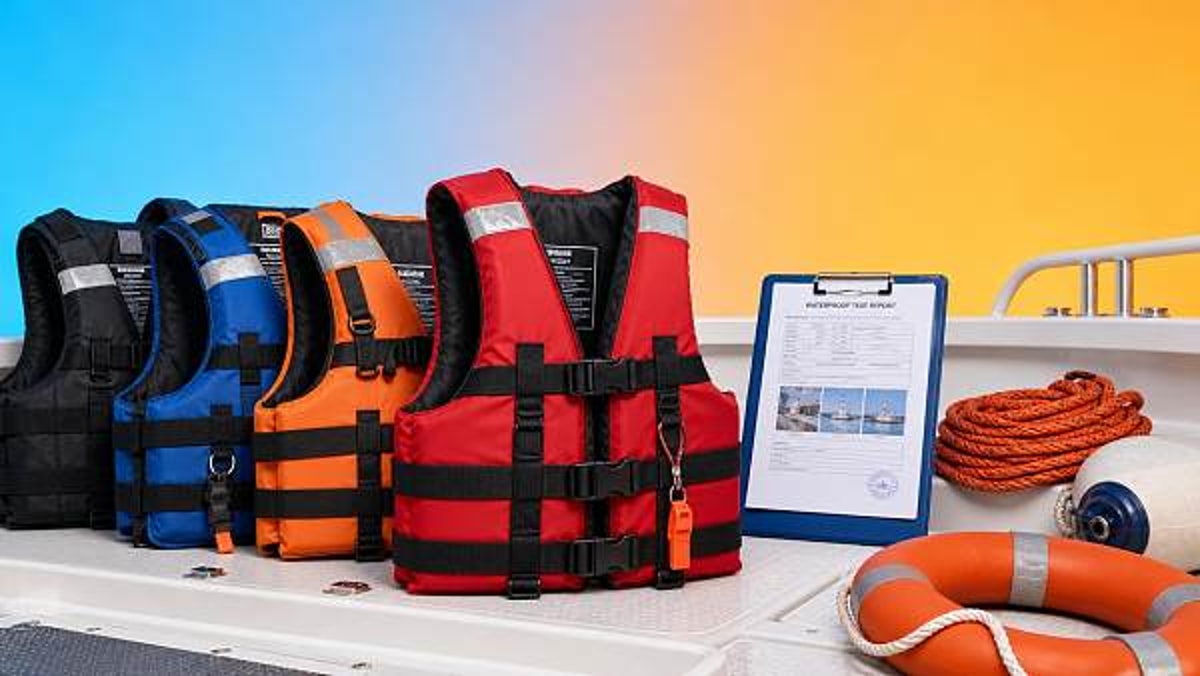
For travel service businesses, life jackets are not just inventory items. They are critical safety equipment used in boat tours, water parks, island transfers, rafting trips, kayaking excursions, and resort-based recreation. That is why wholesale life jackets must be evaluated through a safety and compliance lens first, not only by price, color, or logo customization.
Quality control teams usually face two layers of responsibility. The first is regulatory: the product must align with the destination market’s safety requirements and labeling expectations. The second is operational: the life jacket must still perform correctly after repeated guest use, cleaning, storage, UV exposure, and saltwater contact. In tourism settings, poor product selection can lead to failed inspections, customer complaints, product recalls, injury claims, and lasting reputational damage.
This is especially important for procurement teams working across borders. A supplier may claim compliance, but without verifying test scope, certificate validity, flotation category, and batch consistency, buyers can end up with wholesale life jackets that look acceptable in photos yet fail in real service conditions. For GCS-style sourcing intelligence, this is where disciplined review creates resilience in the supply chain.
Which certifications and standards should quality managers check first?
The first question should never be “Does the supplier have a certificate?” It should be “Which standard applies to this exact use case and sales market?” Different countries and applications follow different rules, and wholesale life jackets intended for children, commercial marine use, or recreational rental fleets may not fall under the same compliance pathway.
Common checkpoints include U.S. Coast Guard approval for products sold or used in relevant U.S. marine contexts, CE-related compliance for certain European market expectations, and ISO or national testing references used by independent laboratories. Safety managers should also verify whether the test report matches the exact model being purchased, including buoyancy range, size group, material construction, and accessory configuration.
A valid document review should include the following:
- Certificate number and issuing body
- Product model name or SKU matching the purchase order
- Applicable standard and intended user category
- Test date and expiration or ongoing validity status
- Laboratory accreditation and authenticity of the report
- Any limitations, exclusions, or use restrictions stated in the document
One common mistake is accepting a general compliance statement in place of a model-specific report. Another is assuming that a factory’s previous certification automatically covers every new design. If your tourism operation depends on recurring high-volume use, every version of wholesale life jackets should be traceable to the exact tested configuration.
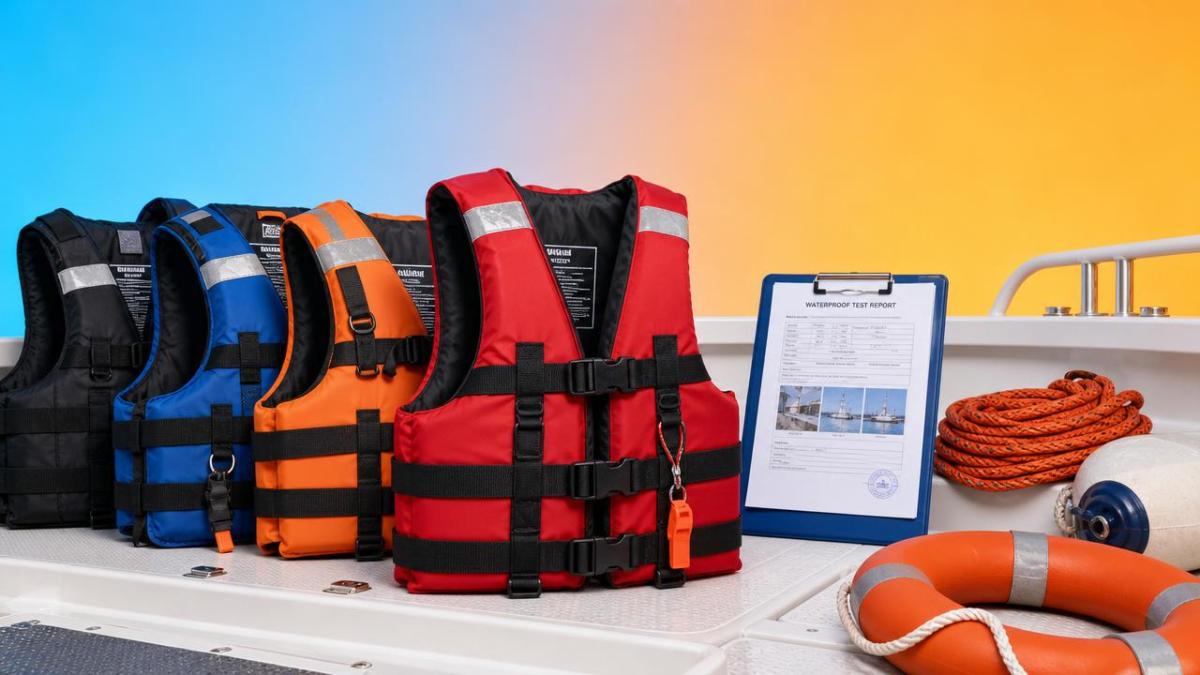
How can you tell whether wholesale life jackets are suitable for real travel and rental use?
Certification is necessary, but it is not enough. Tourism environments create repeated stress that can reveal weak seams, low-grade foam, poor strap anchoring, and fading safety labels. A life jacket that passes basic lab review may still perform badly in a rental fleet if it is not built for frequent wear cycles and rough guest handling.
Safety managers should assess material durability in terms of outer shell fabric, foam buoyancy retention, buckle impact resistance, zipper reliability, and stitching reinforcement around high-load points. In marine tourism, saltwater corrosion resistance and UV stability are particularly important. In rafting and adventure tourism, abrasion resistance and secure fit under movement matter even more.
It is also wise to consider the user profile. Guests may be inexperienced swimmers, children, seniors, or international travelers unfamiliar with fitting instructions. That means wholesale life jackets should be simple to don, easy to size, and hard to misuse. A technically compliant product can still create operational risk if staff need too much time to explain it or if guests regularly fasten it incorrectly.
Practical fit and durability checks often include wet-condition trials, strap tension testing, repeated buckle cycling, visual review after cleaning, and sample use during simulated excursions. These steps help bridge the gap between paperwork compliance and field readiness.
What labeling and traceability details should never be overlooked?
Labeling is often treated as a minor packaging issue, but for wholesale life jackets it is a major compliance and risk-management element. Clear and durable labels help staff verify proper use, support inspections, and enable product traceability if there is a safety complaint or incident review.
At minimum, labels should be legible, securely attached, and resistant to water exposure and cleaning. They should typically include manufacturer details, size or weight range, intended use, applicable standard, user instructions, warning statements, and production or batch identification. For travel operators managing mixed fleets, batch traceability is especially useful when isolating a defective lot without removing every unit from service.
Another overlooked area is multilingual usability. In many tourism destinations, staff and guests speak different languages. While the mandatory legal format depends on the market, procurement teams should consider whether labels, instruction cards, or training tags can reduce fitting errors during busy boarding or excursion periods.
If branding or private labeling is involved, do not assume decorative redesigns are risk-free. Changes to logo placement, reflective tape, pockets, or label construction can affect usability or even interfere with the tested configuration. Any customized wholesale life jackets should be reviewed against the original compliance file before approval.
What are the most common sourcing mistakes with wholesale life jackets?
The most frequent mistake is choosing based on headline price while underestimating total safety cost. Lower-cost wholesale life jackets can become expensive if they fail inspections, require early replacement, or trigger liability exposure. In tourism, one visible safety issue can affect customer trust across the entire service brand.
Another common problem is treating all life jackets as interchangeable. In reality, products differ by buoyancy class, user weight range, intended environment, and wear profile. A model suitable for calm-water leisure retail may not be suitable for commercial rental use in a coastal excursion business.
Buyers also sometimes skip pre-shipment inspection because the supplier appears established. That is risky. Even reliable factories can face material substitutions, production drift, or assembly inconsistencies between approved samples and bulk orders. For quality managers, in-line inspection and final random checks remain essential.
Other recurring errors include:
- Failing to verify child-specific or youth-specific compliance requirements
- Ignoring comfort and fit, which leads to guest noncompliance during use
- Overlooking storage instructions that affect foam integrity and lifespan
- Accepting outdated test reports without confirming current production consistency
- Not defining acceptable quality limits for stitching, buckles, labels, and dimensions
What should be included in a practical inspection checklist before approving bulk orders?
For quality control and safety management teams, a strong inspection checklist creates repeatability. Instead of relying on supplier claims, the team can compare every batch of wholesale life jackets against objective standards and approved samples. This is especially useful when sourcing from multiple factories or scaling operations across several travel sites.
This checklist should be paired with retention samples, photo records, and a clear nonconformance process. If a batch fails on critical points, hold shipment and request corrective action before the products enter guest-facing operations.
How should safety managers balance compliance, durability, cost, and lead time?
The right sourcing decision for wholesale life jackets is rarely the cheapest or the fastest. It is the option that best fits risk exposure, destination regulation, expected usage frequency, and replacement planning. For a hotel with occasional paddle activity, the product brief may differ from that of a high-volume island ferry operator or a rafting company running daily departures.
A helpful approach is to rank requirements into non-negotiable and flexible categories. Non-negotiables usually include applicable certification, verified flotation performance, secure fit, traceable labeling, and acceptable production consistency. Flexible elements may include color selection, packaging style, branding details, or cosmetic trim features. This prevents design preferences from disrupting safety priorities.
Lead time should also be assessed realistically. If additional lab verification, sample approval, or third-party inspection is required, procurement schedules must allow for that. Rushing wholesale life jackets into peak travel season without full quality sign-off may appear efficient, but it often shifts risk into operations. The better strategy is to build recurring supplier evaluation, documented standards, and seasonal forecast planning into the sourcing cycle.
What should you ask suppliers before moving forward with a wholesale life jackets order?
Before finalizing a supplier, quality and safety teams should ask detailed questions that reveal both compliance depth and operational reliability. This is where strong procurement discipline protects the travel business from avoidable surprises.
Start with the exact intended scenario: recreational rental, guided marine excursion, child-focused resort activity, or commercial passenger support. Then confirm which tested model best fits that scenario, what documents support it, and whether any design customizations will affect approval status. Ask how the supplier controls incoming materials, how batch traceability is maintained, and what defect rate data is available from recent production.
It is also smart to discuss replacement cycles, spare inventory planning, carton packing conditions, and whether the supplier can support pre-shipment inspection or periodic retesting. For long-term buyers, a supplier’s response quality often tells as much as the documents themselves. A capable partner should be transparent, specific, and prepared to align product safety with the realities of tourism operations.
If you need to further confirm the right wholesale life jackets solution, it is best to first communicate the destination market, user group, activity type, required certifications, expected annual usage volume, customization needs, inspection method, delivery window, and after-sales quality process. Those questions will make supplier comparisons far more accurate and help ensure the final sourcing decision supports both guest safety and long-term brand trust.
Related Intelligence
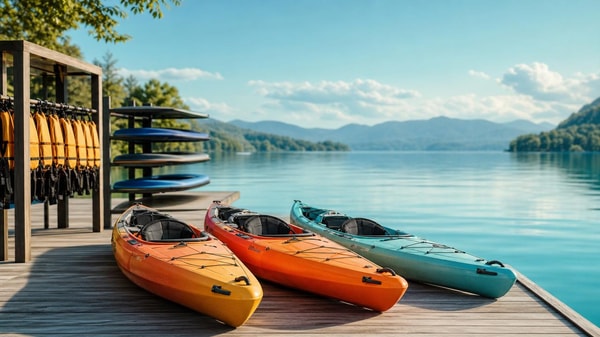
 Camping & WaterMay 03, 2026How to Compare a Kayak Manufacturer for Quality, Capacity, and WarrantyKayak manufacturer comparison for travel services: learn how to assess quality, load capacity, warranty, and supplier support to reduce sourcing risk and choose with confidence.
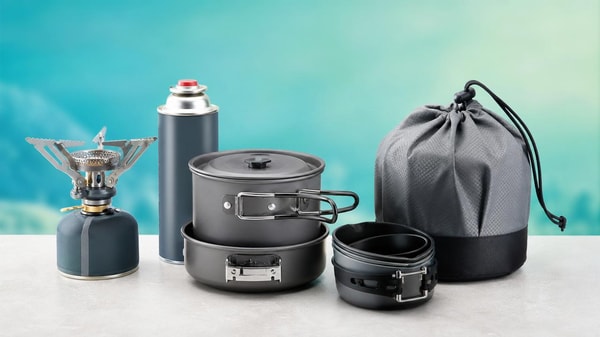
 Camping & WaterMay 03, 2026Portable Camping Stove: Fuel Options, Boil Time, and Packing Trade-OffsPortable camping stove guide: compare fuel options, boil time, weight, and packing trade-offs to choose the best stove for your trip style, cooking needs, and outdoor comfort.
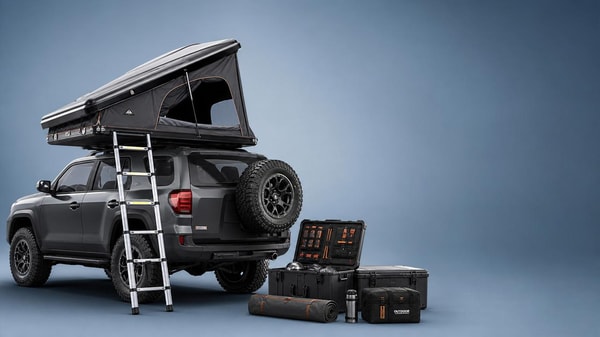
 Camping & WaterMay 03, 2026Rooftop Tent Manufacturer: What Impacts Lead Time, MOQ, and ReliabilityRooftop tent manufacturer guide for travel service buyers: learn what affects lead time, MOQ, and reliability to reduce sourcing risk and choose a dependable supplier.
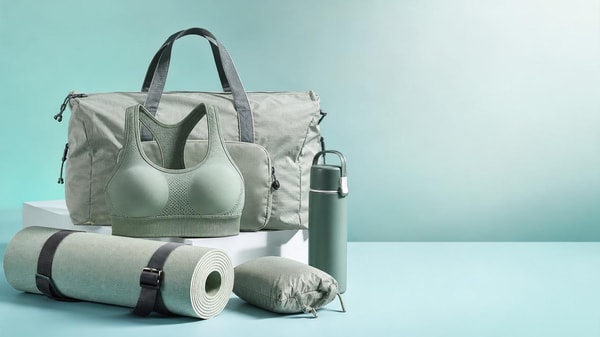
 Activewear OEMMay 03, 2026Sports Bra Private Label: Support Levels, Fabrics, and Fit Issues to KnowSports bra private label guide: compare support levels, breathable fabrics, and common fit issues to choose a comfortable, travel-ready bra that performs and feels right.
 Fitness EquipmentMay 03, 2026Soccer Balls Bulk: How to Match Construction to Training or Match UseSoccer balls bulk buying guide for travel services: learn how to match ball construction to training or match use, reduce replacement costs, and source with more confidence.
 Camping & WaterMay 03, 2026Wholesale Life Jackets: Safety Standards You Should Not OverlookWholesale life jackets for tourism demand more than low pricing. Learn the key safety standards, certifications, labeling, and inspection points to protect guests and reduce sourcing risk.
 Camping & WaterMay 03, 2026Trekking Poles Manufacturer Review: Strength Tests, Locks, and Failure PointsTrekking poles manufacturer review covering strength tests, lock reliability, and failure points. Learn how QC teams and tourism service buyers can spot safer, more durable suppliers.
 Camping & WaterMay 03, 2026Outdoor Cooler Box Wholesale: Features That Matter in Real Field UseOutdoor cooler box wholesale: discover the field-tested features that really matter—insulation, durability, sealing, portability, and easy cleaning for reliable tourism operations.
 Camping & WaterMay 03, 2026Fiberglass SUP Paddle: When It Makes More Sense Than CarbonFiberglass SUP paddle buying guide for travel and leisure businesses: discover when fiberglass beats carbon for rentals, tours, and retail with better value, durability, and guest comfort.
 Fitness EquipmentMay 03, 2026Pickleball Paddles OEM: Design Choices That Influence Market AppealPickleball paddles OEM design choices shape appeal in resorts, retail, and travel channels. Learn how materials, branding, packaging, and compliance drive sales.
 Fitness EquipmentMay 03, 2026Golf Clubs Manufacturer Comparison: OEM Capability vs Consistent QualityGolf clubs manufacturer comparison guide: learn how to balance OEM capability with consistent quality, reduce sourcing risk, and choose a supplier that supports brand growth.
 Fitness EquipmentMay 03, 2026Wholesale Running Shoes: Sizing, Cushioning, and Return Risk ExplainedWholesale running shoes buyers in travel retail: learn how sizing accuracy, cushioning consistency, and defect checks reduce return risk, protect margins, and improve customer satisfaction.
 Fitness EquipmentMay 03, 2026Wholesale Tennis Rackets: How to Balance Price, Weight, and PlayabilityWholesale tennis rackets for travel services: learn how to balance price, weight, and playability to improve guest satisfaction, reduce replacement costs, and source smarter.