Trekking Poles Manufacturer Review: Strength Tests, Locks, and Failure Points
Choosing a reliable trekking poles manufacturer is not just about weight or price—it is a quality and safety decision with real field consequences. For QC teams and safety managers, this review examines strength testing methods, lock reliability, and common failure points that can affect user performance, compliance, and brand risk. Use these insights to identify durable designs and screen suppliers more effectively.
Why does a trekking poles manufacturer review matter for tourism service quality control?
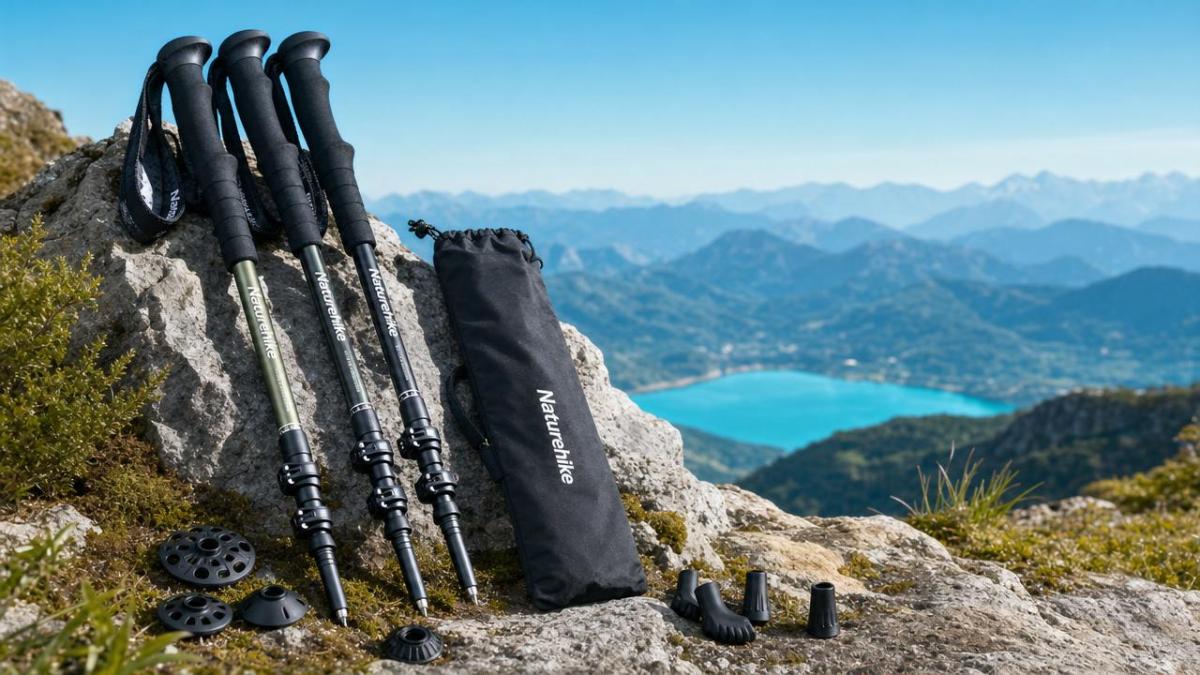
In tourism services, trekking poles are not just retail accessories. They are field-use safety tools used in guided hiking programs, adventure travel packages, mountain rentals, outdoor education, and resort activity operations. When a pole slips, collapses, or fractures on uneven terrain, the issue becomes larger than product return rates. It affects injury risk, guest confidence, insurance exposure, and the reputation of the operator supplying the gear.
For quality control personnel and safety managers, evaluating a trekking poles manufacturer means asking a different set of questions than a general buyer would ask. Cosmetic finish, color options, and low sample cost matter less than structural margin, lock consistency, and how the product behaves after repeated stress, contamination, and misuse. A sound review framework helps teams prevent avoidable incidents before products reach guides, travelers, or rental fleets.
This is where Global Consumer Sourcing adds practical value. GCS supports sourcing decisions with structured market intelligence, supplier-screening logic, and compliance-oriented content tailored to outdoor product categories. For businesses managing seasonal launches, private-label programs, or multi-country procurement, that combination is useful when comparing a trekking poles manufacturer beyond brochure claims.
- Rental and tour operators need poles that tolerate repeated use by inexperienced users.
- Brand owners need evidence that lock systems and shafts remain stable across production batches.
- Safety managers need a clear record of foreseeable failure modes and inspection checkpoints.
- Procurement teams need to balance cost, lead time, certification readiness, and after-sales claims risk.
What should QC teams test first: shaft strength, lock performance, or joint integrity?
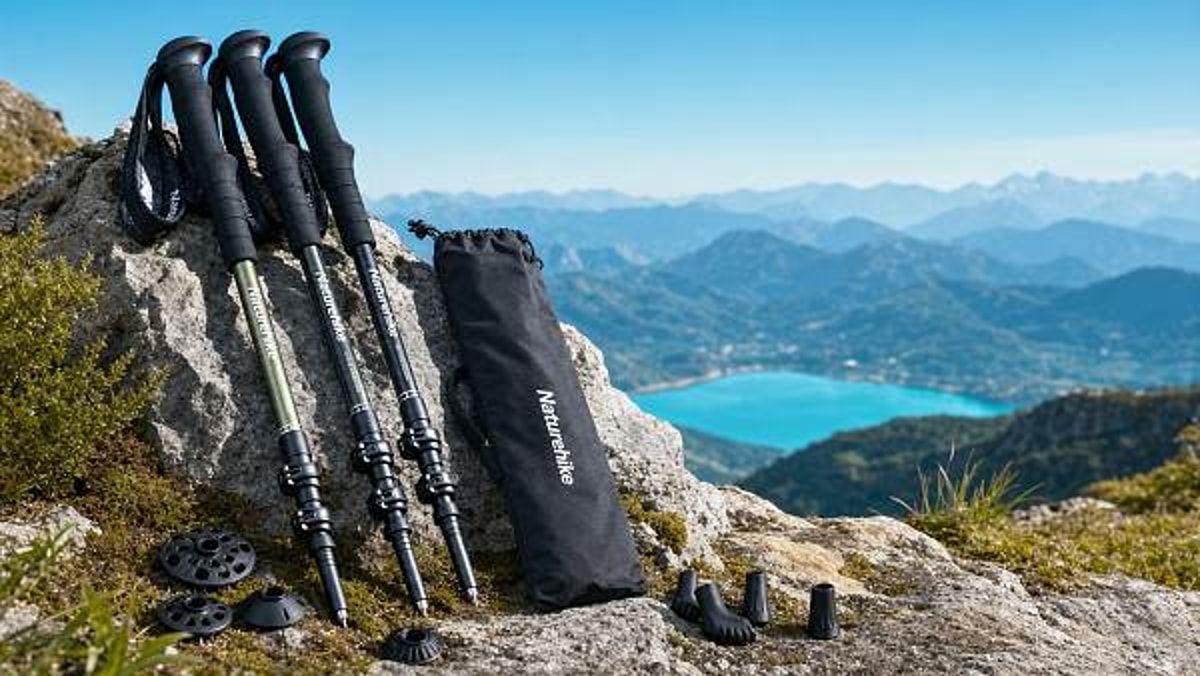
A competent trekking poles manufacturer should be assessed through a layered testing sequence. Start with the structure, then the locking mechanism, then the interfaces. A pole may look solid in static inspection yet still fail where tube sections overlap, where an external clamp loses grip, or where the carbide tip assembly loosens after impact. The priority is not one single number. It is the relationship between design, material, and repeated-use durability.
Core test categories for trekking pole evaluation
The table below helps quality teams organize first-pass evaluation criteria when screening a trekking poles manufacturer for tourism service applications, rental programs, or outdoor retail distribution.
For tourism operators, axial compression alone is not enough. Guided trail users often plant poles at awkward angles, overreach on descent, and lean heavily when fatigued. That makes bending performance and lock retention highly relevant in real service conditions.
Materials change the failure pattern
Aluminum poles often deform before catastrophic fracture, which may give users or staff a visible warning. Carbon fiber poles are lighter and attractive for premium product lines, but poorly designed versions can fail more suddenly when impacted on rock edges or trapped between stones. A trekking poles manufacturer should explain material grade, wall thickness logic, and the intended user profile, not just list “aluminum” or “carbon” on a datasheet.
- For high-turnover rental fleets, aluminum often offers easier field inspection and less brittle behavior.
- For premium guided tours, carbon may fit weight-sensitive itineraries if impact testing and batch control are credible.
- For mixed terrain operations, hybrid design decisions should be reviewed at joint sections, not only at top-level material claims.
Which lock systems fail most often under field conditions?
Lock reliability is one of the most practical ways to judge a trekking poles manufacturer. In actual tourism service use, locks fail less from laboratory overload than from contamination, incorrect adjustment, wear, and repeated handling by different users. Internal twist locks and external lever locks both have advantages, but they do not fail in the same way.
The best choice depends on the product channel. Retail-focused poles may prioritize compact design and appearance. Rental fleets and guided programs usually benefit from systems that are quick to inspect, easy to re-adjust, and less sensitive to user setup errors. Safety managers should focus on predictability under abuse, not ideal use.
Lock system comparison for procurement and risk review
When comparing a trekking poles manufacturer, use a matrix like the one below to translate design choice into operational consequences for tourism service teams.
For many tour operators, an external lever lock is easier to standardize because staff can visually inspect tension before departure. A trekking poles manufacturer that supplies spare hardware, adjustment instructions, and consistent clamp tolerances can reduce field failures and lower replacement waste.
Questions to ask a supplier about lock durability
- How is lock holding force verified across wet, dusty, and cold-use conditions?
- What are the main worn components, and are replacement parts available?
- How are assembly torque and clamp alignment controlled in production?
- What incoming and outgoing inspections are applied to prevent uneven lock performance between batches?
Where do trekking poles usually fail, and how can QC teams catch the warning signs?
A reliable trekking poles manufacturer does not only present positive test data. It should also understand typical failure points and design around them. For QC teams, the most valuable inspections are often located at transitions: section overlaps, lock interfaces, handle bonding points, wrist strap anchor points, and tip assemblies. These are the places where force changes direction, materials change, or user abuse concentrates.
High-risk failure points in tourism service use
- Lower shaft section damage caused by repeated rock strikes, trapped placement, and side-load bending on descents.
- Lock section polish or wear that reduces friction and leads to silent slippage under body weight.
- Grip separation where adhesive or molding quality is inconsistent after heat, sweat, and storage variation.
- Wrist strap anchor failure when users arrest balance through the strap rather than the grip.
- Tip loosening after repeated hard-surface contact on paved trail access routes or mixed urban-outdoor tours.
One practical screening method is to combine visual checks with repetitive function checks. Open and close the lock multiple times. Extend and compress to operating length. Apply realistic side load by hand. Inspect for play, noise, abrupt slippage, or localized whitening in composite materials. Small inconsistencies often forecast larger reliability issues in service fleets.
A simple incoming inspection checklist
For teams receiving poles from a trekking poles manufacturer, this checklist can improve consistency across batches without requiring a full test laboratory on site.
- Confirm length markings, adjustment range, and left-right consistency in paired sets.
- Check lock action for smooth closure, repeatable tension, and no visible clamp misalignment.
- Inspect shaft surface for dents, scratches near overlap zones, and finish defects that may hide material damage.
- Pull-test straps and grips manually to detect weak bonding or anchor movement.
- Inspect tips, baskets, and threaded parts for proper seating and no rotational looseness.
How should buyers compare manufacturers for compliance, documentation, and supplier control?
For quality and safety teams, supplier review should not stop at the product sample. A trekking poles manufacturer may produce an acceptable prototype yet struggle with batch repeatability, traceability, or change control. In tourism services, especially where gear is rented, reissued, or used in organized group activities, documentation quality can be almost as important as the physical pole.
The procurement review below is useful when comparing factory candidates, private-label partners, or OEM/ODM programs sourced through a platform such as GCS, where category intelligence and supplier positioning support deeper due diligence.
Even when trekking poles are not subject to a single universal product rule across every destination market, good documentation still matters. It supports internal approval, importer due diligence, insurance discussions, and post-incident review. A trekking poles manufacturer that answers technical questions quickly and consistently is often easier to scale with than one that competes only on unit price.
Relevant compliance and documentation topics
- Product safety labeling suitable for the destination market and channel.
- Chemical compliance for grips, straps, coatings, and packaging components where applicable.
- Inspection plans for dimensional consistency, locking performance, and packaging integrity.
- Clear user warnings covering lock adjustment, terrain limitations, and periodic wear checks.
What are the most common buying mistakes when selecting a trekking poles manufacturer?
The first mistake is choosing by weight and appearance before matching the pole to the actual use case. A lightweight model that works for experienced hikers may underperform in rental service, where abuse patterns are very different. The second mistake is approving samples without checking consistency across a pilot batch. The third is assuming that a premium material automatically means lower total risk.
Misconceptions that increase product risk
- “If the sample feels strong in hand, the production run will be fine.” Hand feel cannot replace repeatability data.
- “Carbon is always better than aluminum.” It depends on impact behavior, user skill, and service environment.
- “A lock that holds once will hold after months of wet-dry cycling.” Contamination and wear change outcomes.
- “A low-cost manufacturer reduces total project cost.” Returns, replacements, claims, and rushed reorders can erase that saving quickly.
A more disciplined approach is to define the use scenario first. Is the pole for alpine guiding, beginner group hikes, resort activity desks, or online private-label resale? Each scenario changes the right answer on lock type, material, spare parts, and packaging documentation. GCS is particularly useful in this step because it helps buyers connect category data, sourcing strategy, and real operational needs rather than treat all outdoor products as interchangeable.
FAQ for QC teams and safety managers reviewing a trekking poles manufacturer
How should we shortlist a trekking poles manufacturer for rental or guided-tour use?
Start with durability logic, not branding language. Ask for material details, lock design information, pilot-batch inspection records, and spare-part policy. Then test samples under repeated adjustment, compression, and side-load scenarios that match actual guest behavior. Manufacturers that can explain failure prevention clearly are usually stronger candidates than those offering only attractive sample finishes.
Which lock type is safer for high-turnover tourism service operations?
In many high-turnover settings, external lever locks are easier for staff to inspect and re-adjust quickly. They are not automatically superior in every application, but they often reduce hidden slippage risk because the closure condition is visible. The final choice should still be validated through wear testing, fastener retention review, and maintenance practicality.
What signs suggest a sample may fail later in production use?
Watch for inconsistent lock resistance between units, small rotational play at section joints, rough extension action, glue odor or visible adhesive squeeze-out at grips, and tip components that can be moved by hand. These signs do not guarantee failure, but they indicate weak process control or marginal assembly quality.
How important is documentation if the product itself seems acceptable?
It is very important. Documentation supports batch traceability, internal approval, importer review, and staff training. If a field incident occurs, weak records make root-cause analysis slower and corrective action less reliable. A capable trekking poles manufacturer should provide usable technical responses, not only sales claims.
Why choose us for trekking pole supplier screening and sourcing support?
Global Consumer Sourcing helps buyers, QC teams, and safety managers move from product browsing to evidence-based supplier decisions. In the sports and outdoors segment, that means translating outdoor gear specifications into sourcing questions that matter: lock-system reliability, material consistency, certification readiness, sample validation, production control, and delivery alignment with seasonal demand.
If you are reviewing a trekking poles manufacturer for private-label retail, guided-tour equipment, rental fleets, or multi-market distribution, you can consult GCS on practical decision points such as supplier comparison, parameter confirmation, pilot sample review, packaging and instruction requirements, lead-time planning, and communication checkpoints during OEM/ODM development.
- Need help defining the right pole structure for your trail program or rental use case?
- Need a clearer checklist for lock performance, field inspection, and incoming QC?
- Need support comparing suppliers on documentation, customization options, and delivery timing?
- Need guidance on sample requests, quotation discussions, or risk points before order confirmation?
Contact us to discuss product selection, test priorities, certification-related concerns, sample support, production communication, and supplier evaluation criteria tailored to your tourism service operation or outdoor product sourcing plan.
Related Intelligence
 Camping & WaterMay 03, 2026How to Compare a Kayak Manufacturer for Quality, Capacity, and WarrantyKayak manufacturer comparison for travel services: learn how to assess quality, load capacity, warranty, and supplier support to reduce sourcing risk and choose with confidence.
 Camping & WaterMay 03, 2026Portable Camping Stove: Fuel Options, Boil Time, and Packing Trade-OffsPortable camping stove guide: compare fuel options, boil time, weight, and packing trade-offs to choose the best stove for your trip style, cooking needs, and outdoor comfort.
 Camping & WaterMay 03, 2026Rooftop Tent Manufacturer: What Impacts Lead Time, MOQ, and ReliabilityRooftop tent manufacturer guide for travel service buyers: learn what affects lead time, MOQ, and reliability to reduce sourcing risk and choose a dependable supplier.
 Activewear OEMMay 03, 2026Sports Bra Private Label: Support Levels, Fabrics, and Fit Issues to KnowSports bra private label guide: compare support levels, breathable fabrics, and common fit issues to choose a comfortable, travel-ready bra that performs and feels right.
 Fitness EquipmentMay 03, 2026Soccer Balls Bulk: How to Match Construction to Training or Match UseSoccer balls bulk buying guide for travel services: learn how to match ball construction to training or match use, reduce replacement costs, and source with more confidence.
 Camping & WaterMay 03, 2026Wholesale Life Jackets: Safety Standards You Should Not OverlookWholesale life jackets for tourism demand more than low pricing. Learn the key safety standards, certifications, labeling, and inspection points to protect guests and reduce sourcing risk.
 Camping & WaterMay 03, 2026Trekking Poles Manufacturer Review: Strength Tests, Locks, and Failure PointsTrekking poles manufacturer review covering strength tests, lock reliability, and failure points. Learn how QC teams and tourism service buyers can spot safer, more durable suppliers.
 Camping & WaterMay 03, 2026Outdoor Cooler Box Wholesale: Features That Matter in Real Field UseOutdoor cooler box wholesale: discover the field-tested features that really matter—insulation, durability, sealing, portability, and easy cleaning for reliable tourism operations.
 Camping & WaterMay 03, 2026Fiberglass SUP Paddle: When It Makes More Sense Than CarbonFiberglass SUP paddle buying guide for travel and leisure businesses: discover when fiberglass beats carbon for rentals, tours, and retail with better value, durability, and guest comfort.
 Fitness EquipmentMay 03, 2026Pickleball Paddles OEM: Design Choices That Influence Market AppealPickleball paddles OEM design choices shape appeal in resorts, retail, and travel channels. Learn how materials, branding, packaging, and compliance drive sales.
 Fitness EquipmentMay 03, 2026Golf Clubs Manufacturer Comparison: OEM Capability vs Consistent QualityGolf clubs manufacturer comparison guide: learn how to balance OEM capability with consistent quality, reduce sourcing risk, and choose a supplier that supports brand growth.
 Fitness EquipmentMay 03, 2026Wholesale Running Shoes: Sizing, Cushioning, and Return Risk ExplainedWholesale running shoes buyers in travel retail: learn how sizing accuracy, cushioning consistency, and defect checks reduce return risk, protect margins, and improve customer satisfaction.
 Fitness EquipmentMay 03, 2026Wholesale Tennis Rackets: How to Balance Price, Weight, and PlayabilityWholesale tennis rackets for travel services: learn how to balance price, weight, and playability to improve guest satisfaction, reduce replacement costs, and source smarter.