Portable Camping Stove: Fuel Options, Boil Time, and Packing Trade-Offs
Choosing the right portable camping stove can make or break your outdoor cooking experience. From fuel type and boil time to weight and packability, every detail affects convenience on the trail or at the campsite. This guide helps you compare the key trade-offs so you can find a stove that matches your trip style, cooking needs, and packing priorities.
What exactly should you compare when buying a portable camping stove?
Most shoppers start with price or brand, but the smarter way to evaluate a portable camping stove is to look at the full use case. A stove that feels perfect for a car campsite may be frustrating on a long hike, while an ultralight burner that works for coffee and instant noodles may be too limited for family meals. In practical terms, five factors matter most: fuel type, boil time, packed size, total carry weight, and cooking control.
Fuel type shapes nearly everything else. Canister stoves are easy to use and popular for weekend trips. Liquid fuel stoves handle cold weather and remote travel better, but they are more complex. Alcohol stoves are simple and light, though slower. Wood-burning options reduce carried fuel but depend on dry natural material and local fire rules. Electric camping stoves exist too, but they are usually better suited to powered campsites or RV travel than off-grid backpacking.
Boil time is another headline feature, but it should not be viewed in isolation. Fast boil performance is useful when you want quick hot drinks, freeze-dried meals, or limited fuel consumption. However, the fastest systems may be bulkier, louder, or less versatile for simmering sauces, frying eggs, or cooking for more than one person. A portable camping stove is not just a water boiler; for many travelers, it is the center of the outdoor kitchen.
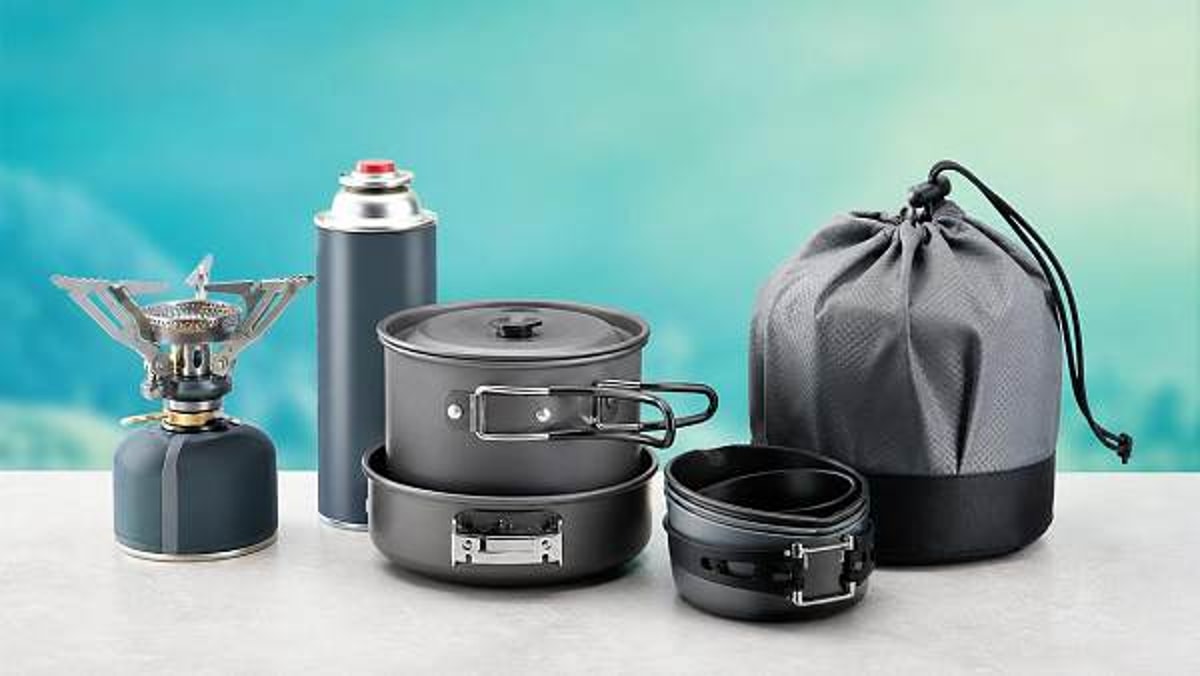
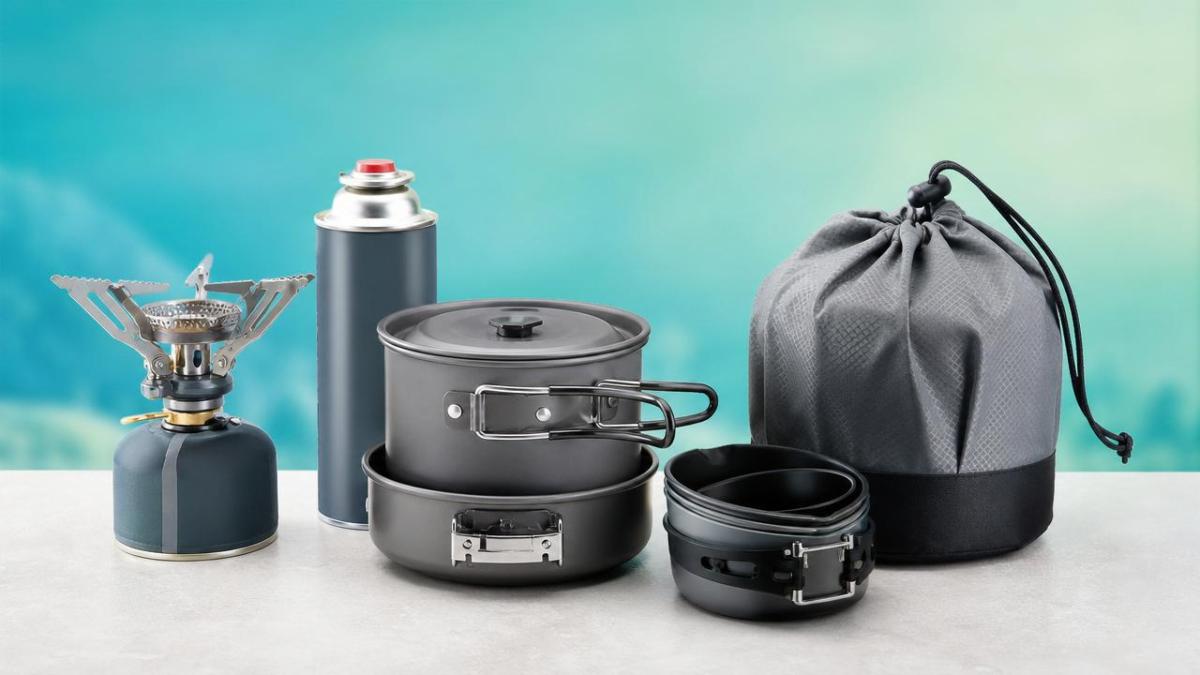
Packing trade-offs matter more than many first-time buyers expect. A tiny burner head may look ideal online, but once you add the fuel canister, pot supports, windscreen, and cookware, the full system tells a different story. For travel-focused buyers, especially those balancing luggage, hiking gear, or road trip storage, thinking in terms of the entire cooking kit is far more useful than comparing stove weight alone.
Which fuel option is best for a portable camping stove?
There is no universal winner, because the best fuel depends on climate, trip length, access to resupply, and cooking style. Still, understanding the trade-offs makes the decision much easier.
For most end consumers, a canister-based portable camping stove is the easiest and most balanced choice. It offers the smoothest learning curve, usually delivers dependable boil time, and fits the needs of short hiking trips, beach camping, festivals, and national park travel. If you mostly boil water, make soup, or prepare one-pot meals, this category covers a wide range of good options.
Liquid fuel earns attention when your travel plans involve winter, altitude, or long routes where replacement gas canisters may be hard to find. This matters for travelers crossing regions or booking outdoor adventures in less-developed supply areas. From a travel service perspective, destination conditions and fuel availability are often just as important as product specifications.
How important is boil time, and when should you care less about it?
Boil time matters most when speed, efficiency, and weather exposure are major concerns. If you are hiking in cold rain, stopping briefly on a trail, or trying to conserve fuel for several days, a fast portable camping stove can make a noticeable difference. Saving even a few minutes per meal becomes more valuable when repeated across breakfast, dinner, and hot drinks.
However, many buyers overvalue lab-tested boil time. Real-world conditions vary due to wind, air temperature, water temperature, altitude, pot shape, and the amount of water being heated. A stove advertised to boil one liter in under four minutes may perform very differently on an exposed ridge or during shoulder-season camping. That is why wind resistance and heat efficiency often matter as much as the raw number on the box.
You can usually care less about top-tier boil speed if your trips are relaxed, your campsite is sheltered, and your meals require actual cooking rather than just rehydration. In those cases, simmer control, burner stability, and easy cleaning may bring more value. Families, couples, and road trippers often benefit from a portable camping stove that is slightly larger but better at handling pans and diverse recipes.
A useful question is not “What is the fastest stove?” but “What level of speed is enough for how I travel?” A solo backpacker may prioritize fast coffee and instant meals. A family traveler may accept slower water boiling in exchange for a wider burner and safer pot support. Matching the stove to the rhythm of the trip leads to a better purchase than chasing a single performance metric.
What packing trade-offs should travelers pay attention to?
Packing trade-offs are where many stove decisions become more nuanced. A portable camping stove may be light but awkward to pack. Another may be heavier on paper yet more space-efficient because the burner, fuel canister, and pot nest together. Travelers who move frequently between campsites, flights, trains, or car trunks should judge the whole system rather than one number.
The first trade-off is weight versus stability. Ultralight stoves are attractive for solo hiking, but smaller pot supports can feel less secure with larger cookware. If you are preparing meals for two or more people, the confidence of a broader base may be worth a few extra ounces. Stability becomes especially important when cooking on uneven ground or in windy locations.
The second trade-off is compactness versus versatility. Integrated systems often pack neatly and excel at boiling water, making them excellent for minimalist trips. Yet they may be less flexible for frying, simmering, or using your own cookware. In contrast, a modular portable camping stove setup can adapt to different pots and meal styles, though it may occupy more pack space.
The third trade-off is fuel efficiency versus convenience. Highly efficient designs can reduce fuel consumption, which lowers long-trip carry weight. But some of those systems cost more or lock you into specific pots and accessories. For a weekend traveler, the convenience advantage may outweigh the long-term efficiency savings. For a frequent trekker, the opposite may be true.
Lastly, think about transport restrictions. Air travelers often discover too late that fuel cannot be packed in the same way as cookware. If your trip begins with a flight or cross-border movement, choose a portable camping stove system with fuel that is easy to buy at the destination. For travel planning, this practical detail can affect the whole gear strategy.
Who should choose a lightweight stove, and who needs a more robust setup?
A lightweight portable camping stove is best for solo hikers, fast-packers, bikepackers, and travelers who count every gram. If your meals are simple and your route involves daily movement, the lower burden on your back often matters more than gourmet cooking performance. In this scenario, compact canister stoves or minimal alcohol setups can be smart choices, provided the conditions are mild enough.
A more robust setup is better for families, couples sharing equipment, base-camp travelers, road trips, and anyone who enjoys cooking real meals outdoors. Robust does not necessarily mean huge or heavy; it means stable, reliable, and flexible enough for multiple cooking tasks. If breakfast includes eggs, lunch involves sautéing, and dinner uses larger pots, a stronger portable camping stove setup will improve both safety and enjoyment.
Travel style also changes the recommendation. If your campsite is the destination, comfort features matter more. If the campsite is only a stop along a longer route, portability usually takes priority. This is why one person’s “best portable camping stove” may be completely wrong for another. The right answer depends on movement frequency, meal complexity, local weather, and group size.
What common mistakes do first-time buyers make?
The most common mistake is buying a stove based on popularity alone. Reviews can be helpful, but many top-rated models are optimized for narrow use cases. A stove praised by ultralight backpackers may disappoint a casual camper who wants better simmering or easier pan support.
Another mistake is ignoring weather. Wind and cold can dramatically change how a portable camping stove performs. A burner that feels powerful in calm summer conditions may struggle in exposed or freezing environments. If your travel plans include mountains, shoulder seasons, or winter camping, weather resistance deserves more attention than style or compactness.
Many shoppers also underestimate the full cost of ownership. Fuel, compatible cookware, maintenance items, and replacement parts can affect long-term value. A cheaper stove is not always the more economical choice if it burns through fuel quickly or limits your cookware options.
A final mistake is forgetting how and where the stove will be used. Beach camps, family campgrounds, alpine routes, van travel, and overnight hikes all create different requirements. The best portable camping stove for one travel scenario may be inconvenient, overbuilt, or underpowered in another.
How can you match a portable camping stove to your trip style quickly?
If you want a fast decision, use a simple trip-based filter rather than comparing endless specifications.
This approach helps narrow your options quickly without getting lost in marketing terms. It also aligns better with real travel planning, where route type, group size, and meal expectations are often clearer than burner technology details.
What should you confirm before making a final purchase?
Before choosing a portable camping stove, confirm five practical points: where you will travel, what meals you will cook, how many people you will serve, what fuel is available near the destination, and how much space you can realistically spare in your bag or vehicle. These questions are more useful than comparing dozens of technical features without context.
If you are traveling internationally or to remote outdoor regions, also verify fuel compatibility and local regulations. Some destinations make gas canister replacement easy, while others favor liquid fuel or have tighter fire restrictions. Travelers using guided services, organized camping routes, or outdoor gear rental programs may benefit from checking what support infrastructure already exists at the destination.
In the end, the best portable camping stove is the one that supports your actual travel habits rather than an idealized version of them. Fast boil time is helpful, but not if you need better cooking control. Light weight is appealing, but not if stability suffers. Compact packing is valuable, but not if fuel becomes difficult to source. If you need to confirm a specific setup, parameters, trip fit, fuel strategy, or buying direction, start by discussing your destination climate, meal style, group size, transport method, and how often you expect to use the stove after this trip.
Related Intelligence
 Camping & WaterMay 03, 2026How to Compare a Kayak Manufacturer for Quality, Capacity, and WarrantyKayak manufacturer comparison for travel services: learn how to assess quality, load capacity, warranty, and supplier support to reduce sourcing risk and choose with confidence.
 Camping & WaterMay 03, 2026Portable Camping Stove: Fuel Options, Boil Time, and Packing Trade-OffsPortable camping stove guide: compare fuel options, boil time, weight, and packing trade-offs to choose the best stove for your trip style, cooking needs, and outdoor comfort.
 Camping & WaterMay 03, 2026Rooftop Tent Manufacturer: What Impacts Lead Time, MOQ, and ReliabilityRooftop tent manufacturer guide for travel service buyers: learn what affects lead time, MOQ, and reliability to reduce sourcing risk and choose a dependable supplier.
 Activewear OEMMay 03, 2026Sports Bra Private Label: Support Levels, Fabrics, and Fit Issues to KnowSports bra private label guide: compare support levels, breathable fabrics, and common fit issues to choose a comfortable, travel-ready bra that performs and feels right.
 Fitness EquipmentMay 03, 2026Soccer Balls Bulk: How to Match Construction to Training or Match UseSoccer balls bulk buying guide for travel services: learn how to match ball construction to training or match use, reduce replacement costs, and source with more confidence.
 Camping & WaterMay 03, 2026Wholesale Life Jackets: Safety Standards You Should Not OverlookWholesale life jackets for tourism demand more than low pricing. Learn the key safety standards, certifications, labeling, and inspection points to protect guests and reduce sourcing risk.
 Camping & WaterMay 03, 2026Trekking Poles Manufacturer Review: Strength Tests, Locks, and Failure PointsTrekking poles manufacturer review covering strength tests, lock reliability, and failure points. Learn how QC teams and tourism service buyers can spot safer, more durable suppliers.
 Camping & WaterMay 03, 2026Outdoor Cooler Box Wholesale: Features That Matter in Real Field UseOutdoor cooler box wholesale: discover the field-tested features that really matter—insulation, durability, sealing, portability, and easy cleaning for reliable tourism operations.
 Camping & WaterMay 03, 2026Fiberglass SUP Paddle: When It Makes More Sense Than CarbonFiberglass SUP paddle buying guide for travel and leisure businesses: discover when fiberglass beats carbon for rentals, tours, and retail with better value, durability, and guest comfort.
 Fitness EquipmentMay 03, 2026Pickleball Paddles OEM: Design Choices That Influence Market AppealPickleball paddles OEM design choices shape appeal in resorts, retail, and travel channels. Learn how materials, branding, packaging, and compliance drive sales.
 Fitness EquipmentMay 03, 2026Golf Clubs Manufacturer Comparison: OEM Capability vs Consistent QualityGolf clubs manufacturer comparison guide: learn how to balance OEM capability with consistent quality, reduce sourcing risk, and choose a supplier that supports brand growth.
 Fitness EquipmentMay 03, 2026Wholesale Running Shoes: Sizing, Cushioning, and Return Risk ExplainedWholesale running shoes buyers in travel retail: learn how sizing accuracy, cushioning consistency, and defect checks reduce return risk, protect margins, and improve customer satisfaction.
 Fitness EquipmentMay 03, 2026Wholesale Tennis Rackets: How to Balance Price, Weight, and PlayabilityWholesale tennis rackets for travel services: learn how to balance price, weight, and playability to improve guest satisfaction, reduce replacement costs, and source smarter.