How to Compare a Kayak Manufacturer for Quality, Capacity, and Warranty

Choosing the right kayak manufacturer can directly affect product quality, load capacity, compliance, and long-term customer satisfaction. For retail buyers and sourcing leaders, comparing suppliers goes beyond price—it requires a close look at materials, production standards, customization options, and warranty terms. This guide outlines the key factors that help businesses identify reliable manufacturing partners and reduce sourcing risk.
For businesses in travel services, especially tour operators, resort retailers, destination activity brands, and outdoor experience providers, a kayak supplier is not just a factory. It is a long-term operating partner that influences fleet durability, guest safety, seasonal uptime, and replacement cost over a 12- to 36-month cycle. A poor sourcing decision can lead to cracked hulls, overloaded designs, delayed shipments before peak season, or warranty disputes after commercial use begins.
A disciplined comparison process helps enterprise buyers evaluate whether a kayak manufacturer can support rental fleets, guided tourism programs, private-label retail ranges, or mixed B2B distribution models. The most reliable sourcing decisions usually come from examining five areas together: construction quality, rated capacity, certification readiness, operational support, and warranty structure.
Why Manufacturer Comparison Matters in Travel Service Procurement
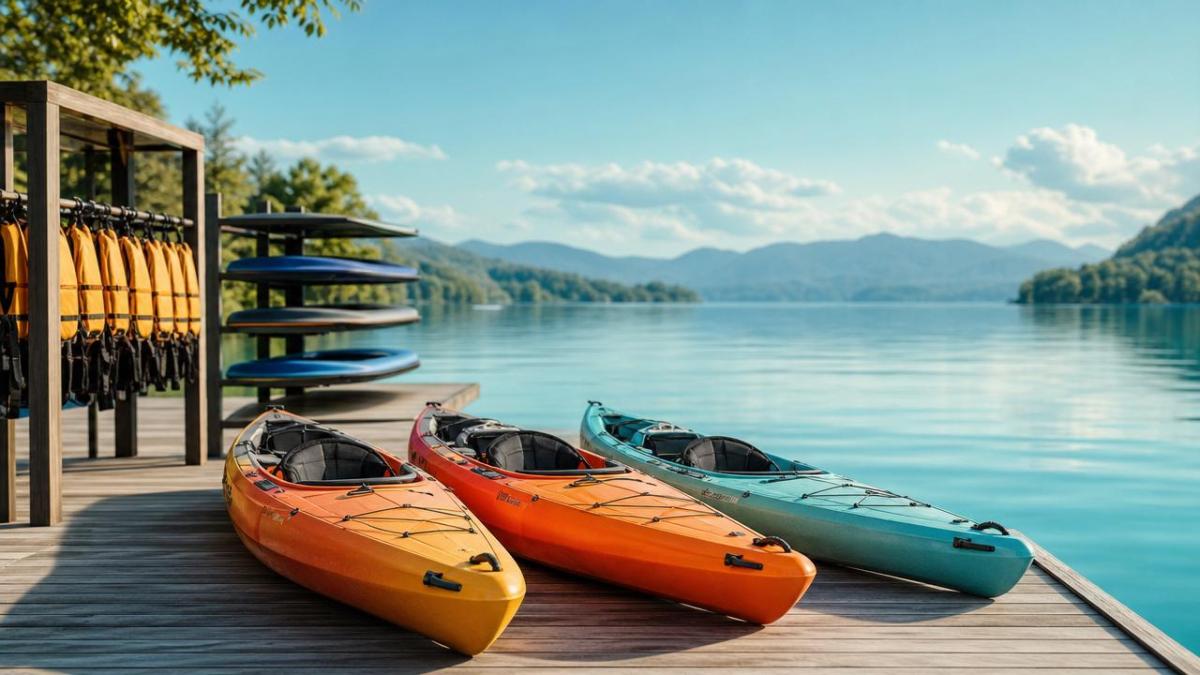
In the travel service sector, kayaks often face heavier use than in consumer retail. A leisure customer may paddle 10 to 20 times per year, but a rental fleet unit at a beach resort or eco-tour operator may be used 2 to 5 times per day during high season. That usage intensity changes how buyers should compare a kayak manufacturer. Small weaknesses in material consistency or seam quality become visible much faster in commercial service.
Commercial buyers also operate under tighter service constraints. If 8 out of 40 kayaks are unavailable during a holiday week, booking capacity drops immediately. That can reduce excursion revenue, create guest complaints, and force unplanned replacement orders with air freight or rushed domestic sourcing. As a result, the procurement question is not only “Who offers the lowest unit price?” but also “Which manufacturer can protect operational continuity?”
Typical buyer priorities in tourism and outdoor activity operations
- Fleet durability over 1 to 3 peak seasons
- Stable load capacity for solo, tandem, or guided-use models
- Fast spare parts availability within 7 to 21 days
- Clear warranty terms for commercial, not only personal, use
- Consistent product appearance for branded guest experiences
Before reviewing specific suppliers, buyers should map product use cases. A calm-lake family resort may prioritize stability and easy entry, while a coastal excursion operator may need UV resistance, drain efficiency, and stronger abrasion performance. This use-case filter helps procurement teams avoid comparing every kayak manufacturer on the same generic checklist.
How usage scenario affects supplier evaluation
The same 11-foot recreational kayak may perform well in retail but fail in tourism if storage, turnover, or guest handling is rough. Travel service businesses should therefore ask suppliers for application-specific evidence: recommended use frequency, ideal payload range, material thickness, and common replacement intervals under rental conditions.
The table below shows how sourcing priorities shift by tourism scenario, making it easier to compare a kayak manufacturer against actual commercial needs rather than catalog descriptions.
This comparison shows that the best kayak manufacturer for travel services is rarely the cheapest one on a unit basis. The stronger choice is the supplier whose specifications, commercial support, and product design match the operational rhythm of the tourism business.
How to Evaluate Quality: Materials, Build Standards, and Factory Controls
Quality starts with material selection. Most commercial kayaks are produced in rotomolded polyethylene, thermoformed plastic, inflatable drop-stitch construction, or composite variants for higher-end use. For travel service fleets, rotomolded polyethylene is often preferred because it balances impact resistance, maintenance simplicity, and acceptable cost for medium to high turnover operations.
However, material type alone does not guarantee performance. Two kayaks made from polyethylene can still differ significantly in wall thickness, UV stabilizer quality, hardware durability, and consistency from batch to batch. When comparing a kayak manufacturer, buyers should request more than brochure claims. Ask for production tolerances, resin grade information, drain plug quality, handle attachment method, and documented inspection steps.
Key build indicators commercial buyers should review
- Hull thickness consistency across bow, midsection, and stern
- Seat, footrest, and carry-handle mounting strength
- UV stabilization for outdoor storage over 6 to 12 months
- Resistance to scratches, dock impact, and beach dragging
- Quality control checkpoints before packing and shipment
Questions that expose real production discipline
A reliable kayak manufacturer should be able to explain its inspection process in practical terms. For example, how many inspections occur during molding, trimming, assembly, and packing? Is there a final water-tightness check on a sample basis? How are hardware torque, strap fit, or accessory alignment verified? A supplier that can describe 4 to 6 control points clearly usually offers more confidence than one that relies on broad marketing language.
Factory transparency also matters. For OEM or private-label programs, buyers should request recent production photos, packaging flow details, and defect handling procedures. If the supplier cannot explain how nonconforming units are isolated, repaired, or rejected, there is a higher risk of inconsistent deliveries during scale-up.
Quality comparison checklist by procurement stage
The table below can be used by sourcing teams, category managers, or procurement directors when screening a kayak manufacturer before placing a first commercial order.
If a supplier performs well across these four areas, the buyer gains a stronger basis for pilot ordering. In many travel service projects, an initial test order of 20 to 50 units is a practical way to validate quality before scaling to 100 units or more.
Comparing Capacity, Stability, and Guest Suitability
Capacity is one of the most misunderstood points in kayak sourcing. A listed maximum load of 180 kg does not always mean the kayak performs well at 180 kg in real tourism use. Commercial buyers should distinguish between absolute load limit and comfortable operating payload. For guest satisfaction, the practical working capacity is often 70% to 85% of the stated maximum, depending on hull shape and water conditions.
This is especially important for travel service providers serving mixed user groups such as families, beginner paddlers, or tandem sightseeing tours. If a kayak is technically rated for 2 adults but becomes unstable when carrying 150 to 170 kg plus dry bags, the customer experience can deteriorate quickly. Procurement teams should request testing guidance and intended rider profile, not only catalog capacity numbers.
Capacity metrics buyers should compare
- Total stated load capacity in kilograms or pounds
- Recommended comfort payload for daily commercial use
- Solo versus tandem performance range
- Stability in calm water, moderate chop, or near-shore use
- Storage space for life vests, dry bags, or small tour equipment
What matters for tourism fleets
In travel services, stable boarding and easy recovery are often more important than speed. A wider hull in the 28- to 34-inch range may suit resorts and guided tours better than a narrow performance model. Similarly, sit-on-top kayaks are frequently preferred in warm-weather tourism because they simplify entry, drainage, and staff turnover between guests.
A strong kayak manufacturer should also explain who the model is not ideal for. For example, a compact 9-foot kayak may be suitable for guests under a certain weight threshold or for 30- to 60-minute sessions only. Suppliers that define operational limits clearly tend to reduce downstream complaints.
Red flags when reviewing load claims
- Very high capacity claims without hull dimensions or stability notes
- No difference between retail use and commercial rental use
- No guidance on tandem balance or passenger distribution
- No field testing feedback for beginners or guided-tour settings
If possible, arrange sample testing in a setting similar to your destination environment. Even a 1-day practical review with 3 to 5 user profiles can reveal more than a specification sheet. Check how the kayak handles boarding, turning, mild collision, and wet exit scenarios. For enterprise buyers, this is one of the most effective ways to compare a kayak manufacturer objectively.
Warranty, Compliance, and After-Sales Support
Warranty terms often decide the real cost of ownership. A low-priced kayak can become expensive if the manufacturer limits commercial-use coverage, excludes UV damage, or requires impractical claim procedures. Buyers in travel services should review warranty documents line by line and confirm whether the coverage applies to rental fleets, guided tours, hospitality operations, or only private recreational use.
The most useful warranty review focuses on four questions: what is covered, how long it lasts, how a claim is processed, and who pays logistics. A 12-month commercial warranty with clear part replacement rules may be more valuable than a longer but vague policy. Typical issues worth checking include hull cracking, hardware failure, seat damage, drain plug leakage, and color fading caused by outdoor exposure.
What procurement teams should confirm before signing
Beyond warranty, compliance readiness is essential. Depending on destination market and distribution method, buyers may need test reports, material declarations, packaging compliance, or market-specific safety documentation. While kayak requirements vary by region and application, the supplier should at minimum be able to organize technical files, labeling details, and product traceability for batch management.
After-sales responsiveness is equally important. A manufacturer that replies within 24 to 72 hours, offers spare parts lists, and supports video-based defect verification reduces downtime significantly. In contrast, delayed response cycles of 2 weeks or more can disrupt tourism operations during peak booking periods.
Useful warranty comparison points
- Coverage duration for hull versus accessories
- Commercial-use inclusion or exclusion language
- Photo, video, or serial-number requirements for claims
- Spare part lead time, often 7 to 30 days
- Responsibility for outbound replacement freight
When comparing a kayak manufacturer, it is wise to score warranty and support using a weighted matrix. For travel service operators, after-sales quality can represent 20% to 30% of the sourcing decision because seasonal reliability matters more than headline pricing alone.
A Practical Sourcing Framework for Decision Makers
Enterprise buyers can simplify supplier selection by using a structured 5-step sourcing framework. This approach is particularly useful for procurement directors, destination activity investors, and B2B retail leaders evaluating multiple offers from Asia, Europe, or domestic supply bases.
Five-step comparison process
- Define use case: rental fleet, guided tour, retail resale, or mixed channel
- Shortlist 3 to 5 suppliers based on product fit and documentation quality
- Request samples, inspection data, packaging details, and warranty terms
- Run a pilot order and evaluate defect rate, delivery timing, and user feedback
- Negotiate annual replenishment, spare parts support, and branding terms
How GCS-aligned sourcing intelligence adds value
For businesses navigating global supply options, data-backed supplier evaluation reduces blind spots. Strategic sourcing intelligence can help teams compare manufacturing capabilities, compliance readiness, material trends, and private-label opportunities within the wider sports and outdoors market. That matters when a kayak manufacturer is not just filling a single order but becoming part of a long-term tourism product strategy.
This is especially relevant when buyers need to align guest experience goals with resilient supply chains. A supplier that can support stable replenishment, visual branding consistency, and responsive claims handling may improve both operating margin and brand trust over multiple seasons.
Common mistakes to avoid
- Choosing based only on ex-factory price
- Accepting load ratings without real-use interpretation
- Ignoring commercial-use exclusions in warranty language
- Skipping pilot testing before placing peak-season orders
- Overlooking spare parts and packaging damage risk
The strongest sourcing outcomes usually come from balancing cost, durability, service support, and market fit. When these four dimensions are reviewed together, buyers can compare a kayak manufacturer with more confidence and lower the risk of post-purchase surprises.
For travel service businesses, the right supplier should deliver more than kayaks. It should deliver dependable commercial performance, practical warranty support, and scalable sourcing options that match guest demand and seasonal planning. If you are evaluating sourcing options for resorts, guided activity programs, or outdoor retail expansion, now is the right time to review suppliers against clear commercial criteria.
Connect with Global Consumer Sourcing to explore deeper supplier intelligence, compare manufacturing capabilities, and get a sourcing approach tailored to your tourism or outdoor business model. Contact us today to discuss product details, private-label opportunities, or a customized procurement strategy.
Related Intelligence
 Camping & WaterMay 03, 2026How to Compare a Kayak Manufacturer for Quality, Capacity, and WarrantyKayak manufacturer comparison for travel services: learn how to assess quality, load capacity, warranty, and supplier support to reduce sourcing risk and choose with confidence.
 Camping & WaterMay 03, 2026Portable Camping Stove: Fuel Options, Boil Time, and Packing Trade-OffsPortable camping stove guide: compare fuel options, boil time, weight, and packing trade-offs to choose the best stove for your trip style, cooking needs, and outdoor comfort.
 Camping & WaterMay 03, 2026Rooftop Tent Manufacturer: What Impacts Lead Time, MOQ, and ReliabilityRooftop tent manufacturer guide for travel service buyers: learn what affects lead time, MOQ, and reliability to reduce sourcing risk and choose a dependable supplier.
 Activewear OEMMay 03, 2026Sports Bra Private Label: Support Levels, Fabrics, and Fit Issues to KnowSports bra private label guide: compare support levels, breathable fabrics, and common fit issues to choose a comfortable, travel-ready bra that performs and feels right.
 Fitness EquipmentMay 03, 2026Soccer Balls Bulk: How to Match Construction to Training or Match UseSoccer balls bulk buying guide for travel services: learn how to match ball construction to training or match use, reduce replacement costs, and source with more confidence.
 Camping & WaterMay 03, 2026Wholesale Life Jackets: Safety Standards You Should Not OverlookWholesale life jackets for tourism demand more than low pricing. Learn the key safety standards, certifications, labeling, and inspection points to protect guests and reduce sourcing risk.
 Camping & WaterMay 03, 2026Trekking Poles Manufacturer Review: Strength Tests, Locks, and Failure PointsTrekking poles manufacturer review covering strength tests, lock reliability, and failure points. Learn how QC teams and tourism service buyers can spot safer, more durable suppliers.
 Camping & WaterMay 03, 2026Outdoor Cooler Box Wholesale: Features That Matter in Real Field UseOutdoor cooler box wholesale: discover the field-tested features that really matter—insulation, durability, sealing, portability, and easy cleaning for reliable tourism operations.
 Camping & WaterMay 03, 2026Fiberglass SUP Paddle: When It Makes More Sense Than CarbonFiberglass SUP paddle buying guide for travel and leisure businesses: discover when fiberglass beats carbon for rentals, tours, and retail with better value, durability, and guest comfort.
 Fitness EquipmentMay 03, 2026Pickleball Paddles OEM: Design Choices That Influence Market AppealPickleball paddles OEM design choices shape appeal in resorts, retail, and travel channels. Learn how materials, branding, packaging, and compliance drive sales.
 Fitness EquipmentMay 03, 2026Golf Clubs Manufacturer Comparison: OEM Capability vs Consistent QualityGolf clubs manufacturer comparison guide: learn how to balance OEM capability with consistent quality, reduce sourcing risk, and choose a supplier that supports brand growth.
 Fitness EquipmentMay 03, 2026Wholesale Running Shoes: Sizing, Cushioning, and Return Risk ExplainedWholesale running shoes buyers in travel retail: learn how sizing accuracy, cushioning consistency, and defect checks reduce return risk, protect margins, and improve customer satisfaction.
 Fitness EquipmentMay 03, 2026Wholesale Tennis Rackets: How to Balance Price, Weight, and PlayabilityWholesale tennis rackets for travel services: learn how to balance price, weight, and playability to improve guest satisfaction, reduce replacement costs, and source smarter.