SASO TA-2026-03: Camping Power & Inflatable Pumps Require IP6X + Salt Spray Testing for Saudi Market
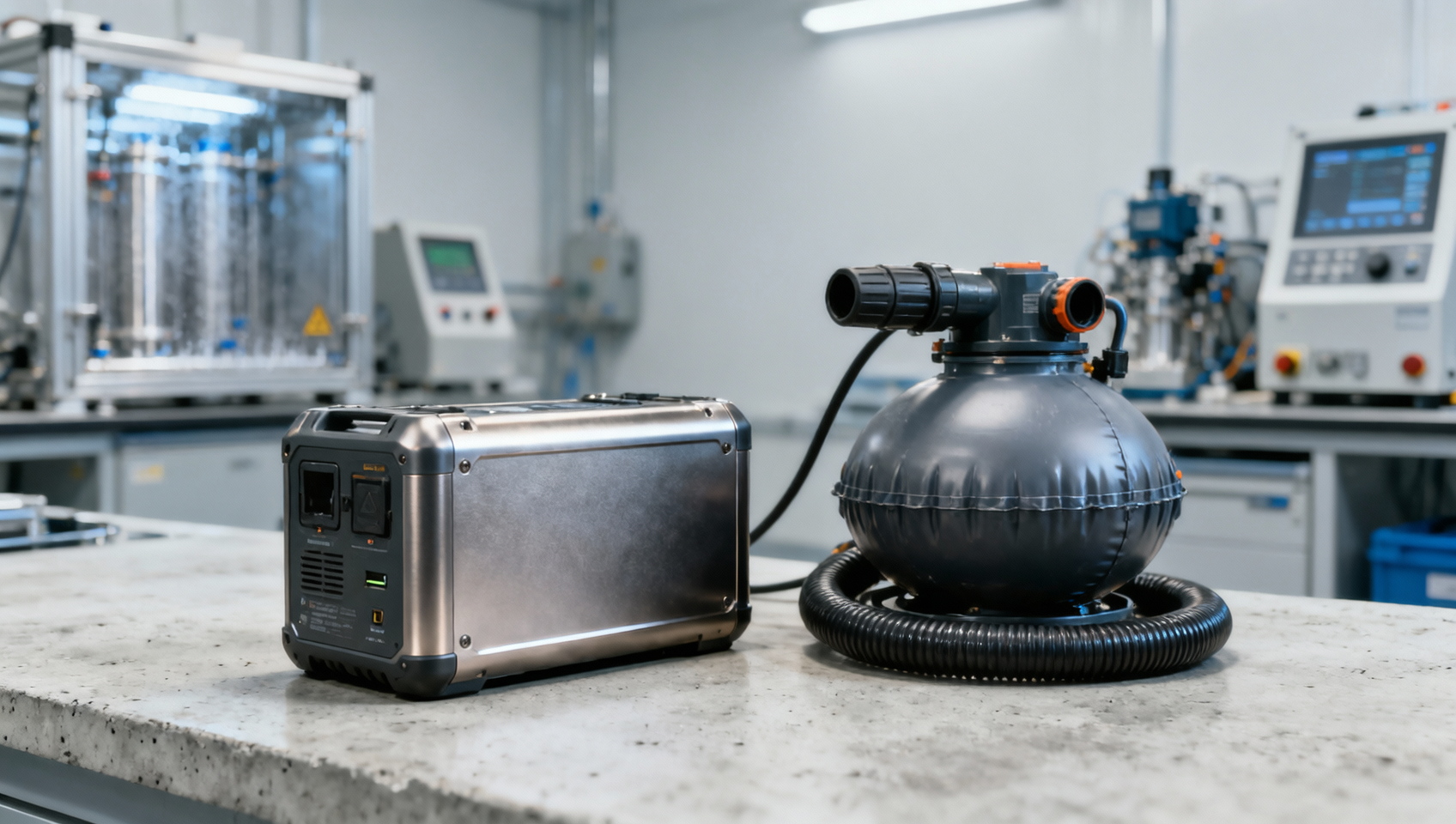
Saudi Arabia’s Standards, Metrology and Quality Organization (SASO) issued Technical Announcement No. SASO-TA-2026-03 on April 27, 2026, mandating enhanced environmental testing for camping and water-related portable devices entering the Saudi market — including mobile power stations, inflatable water pumps, and portable projectors. This update directly affects exporters and manufacturers targeting Saudi consumers, particularly those in outdoor recreation, marine accessories, and portable electronics supply chains.
Event Overview
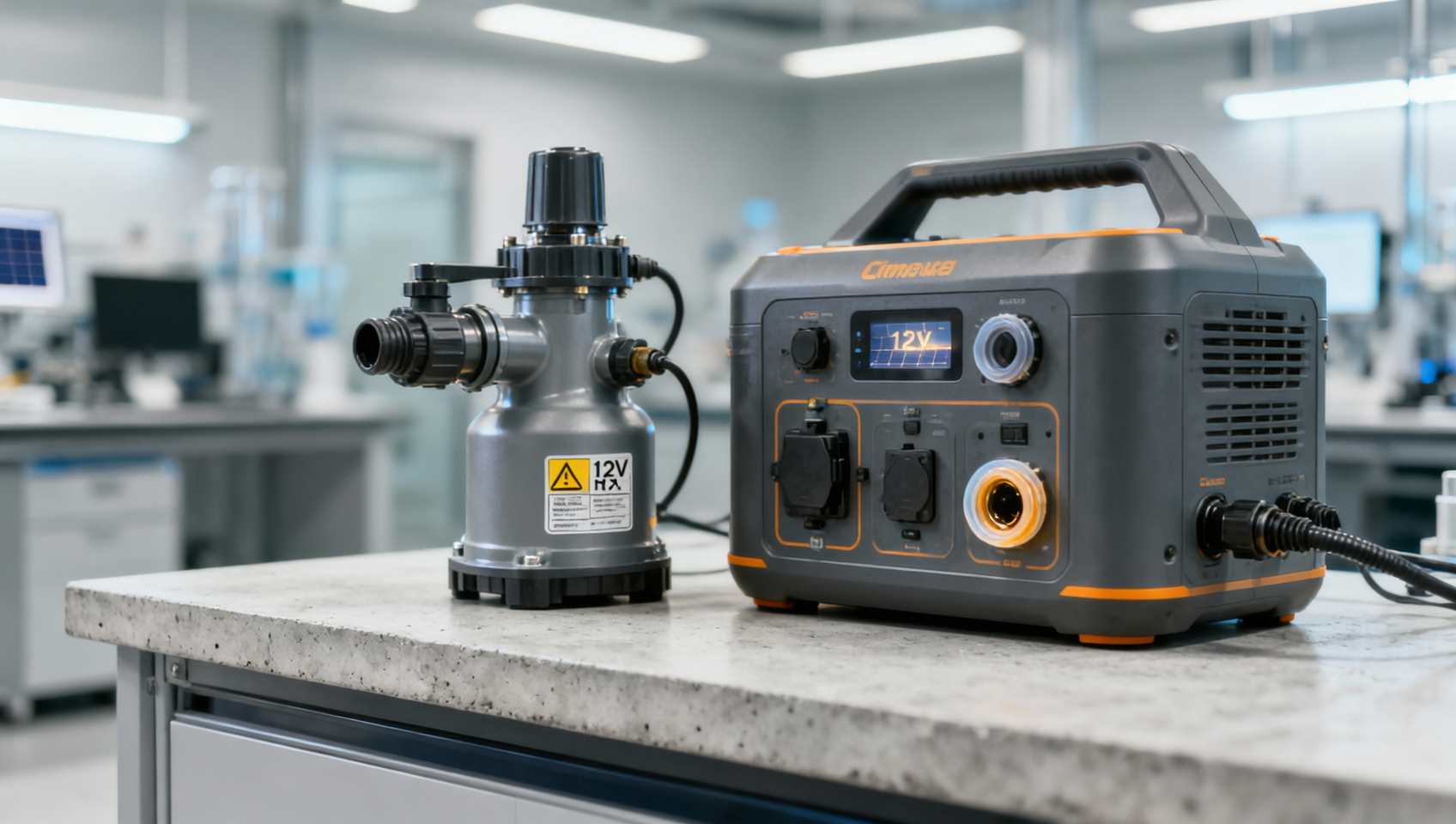
On April 27, 2026, SASO published Technical Announcement No. SASO-TA-2026-03, amending enforcement requirements under SASO IEC 62368-3:2026. The announcement specifies that all camping and water-use products — namely, portable power stations, inflatable water pumps, and portable projectors — must comply with both IP6X dust ingress protection and a 96-hour neutral salt spray test per ASTM B117. The requirement takes effect September 1, 2026, with no transition period.
Industries Affected
Direct Exporters & Trading Companies
Exporters shipping camping power units or inflatable pumps to Saudi Arabia will face immediate compliance verification at customs or certification stages. Non-compliant units risk rejection, retesting delays, or forced recall — impacting shipment timelines and contractual obligations.
Contract Manufacturers & OEMs
OEMs producing for global brands must now integrate dual environmental validation into product design and pre-production testing. This affects bill-of-materials selection (e.g., corrosion-resistant coatings, sealed connectors), prototype validation cycles, and test lab coordination.
Component & Material Suppliers
Suppliers of enclosures, gaskets, fasteners, PCB finishes, and battery housings may see revised specification requests from clients. Materials previously qualified only for IP6X may require additional salt fog performance data or alternative sourcing.
Distribution & Certification Service Providers
Local Saudi agents, conformity assessment bodies, and test laboratories will need to verify updated test reports — especially evidence of full 96-hour ASTM B117 exposure and post-test functional evaluation. Capacity and turnaround time for salt spray testing may become a bottleneck.
What Relevant Businesses Should Monitor and Do Now
Confirm official interpretation of ‘Camping & Water’ scope
While the announcement lists three product types explicitly, SASO has not published an exhaustive classification list. Exporters should monitor SASO’s official portal and consult accredited local representatives for clarification on borderline items (e.g., air compressors, solar generators with aquatic use cases).
Validate current test reports against ASTM B117 requirements
Many existing IP6X-certified products lack documented salt spray validation. Companies should audit active product certifications, identify gaps, and initiate retesting early — noting that ASTM B117 requires strict chamber calibration, solution pH control, and post-test inspection criteria.
Review procurement and production lead times
Adding 96-hour continuous salt spray testing extends validation cycles by at least 4–5 days per batch, excluding preconditioning and post-test functional checks. Factories and procurement teams should adjust sample submission schedules and buffer inventory plans accordingly.
Prepare documentation for SASO SABER platform submission
Effective September 1, 2026, the SABER system will require uploaded test reports showing both IP6X and ASTM B117 compliance. Ensure laboratory reports include full test parameters (temperature, pH, duration), pass/fail criteria, and traceable lab accreditation details.
Editorial Perspective / Industry Observation
Observably, SASO-TA-2026-03 signals a tightening of environmental resilience expectations for consumer-grade portable electronics in harsh Gulf climates — moving beyond basic dust resistance toward long-term corrosion durability. Analysis shows this is not merely a technical update but part of a broader trend: regional standards bodies increasingly aligning with field failure patterns observed in high-humidity, high-salinity environments. From an industry perspective, it reflects growing emphasis on real-world reliability over nominal specification compliance. Current implementation timing — with zero transition period — suggests SASO expects stakeholders to already possess baseline salt fog testing capability or access. It is better understood as a formalization of emerging de facto expectations rather than a wholly new regulatory threshold.
Conclusion
This technical announcement marks a concrete shift in market access conditions for portable outdoor and aquatic power equipment in Saudi Arabia. Its significance lies less in novelty and more in enforceability: the absence of a grace period means readiness must be demonstrated before September 1, 2026. For affected businesses, it is best interpreted not as a one-off compliance hurdle, but as confirmation that environmental robustness — specifically combined dust and corrosion resistance — is now a non-negotiable product attribute for this market segment.
Information Sources
Main source: SASO Technical Announcement No. SASO-TA-2026-03, published April 27, 2026. Official text available via SASO’s public portal (saso.gov.sa). Note: SASO has not yet released supplementary guidance documents or a formal FAQ; further clarifications remain under observation.
Related Intelligence
 Electronic & RC ToysApr 28, 2026ICTA 2026 Q2 RC Toy Sourcing Report: Shift to Guangdong ClusterICTA 2026 Q2 RC Toy Sourcing Report reveals 68% of global electronic RC toy orders shifting to Guangdong’s Shenzhen–Dongguan–Zhongshan cluster — driven by dual-band modules, UL9990 batteries & rapid prototyping. Act now.
 Skincare OEMApr 28, 2026FDA Adds Plant Stem Cell Extract Code to CPIS SystemFDA adds COS-PLS-2026 code for plant stem cell extract in CPIS — vital for skincare OEMs, suppliers & U.S. importers. Act now to ensure compliance by July 1, 2026.
 Nursery Furniture & MonitorsApr 28, 2026Vietnam Exempts Infant Monitors from Local Type TestingVietnam exempts infant monitors from local type testing—leverage your NMPA Class II filing to fast-track Vietnam market entry starting June 1, 2026.
 Corporate & Seasonal GiftsApr 28, 2026UBA to Pilot Carbon Labels for Corporate Gifts in Germany from Q3 2026UBA carbon labels for corporate gifts launch Q3 2026 in Germany—key for OEMs, packaging & print suppliers. Act now to prep LCA data & stay ahead.
 Camping & WaterApr 28, 2026SASO TA-2026-03: Camping Power & Inflatable Pumps Require IP6X + Salt Spray Testing for Saudi MarketSASO TA-2026-03 mandates IP6X + salt spray testing for camping power & inflatable pumps in Saudi Arabia — act now to avoid shipment delays post-Sept 1, 2026.
 Fitness EquipmentApr 28, 2026THE Alliance Cuts Shanghai–LA Capacity by 22% Amid Port CongestionTHE Alliance cuts Shanghai–LA capacity by 22% amid port congestion—impacting fitness equipment exporters, importers & logistics providers with longer lead times and higher deposits.
 Smart Pet DevicesApr 28, 2026Japan METI Launches Smart Pet Device Green Procurement ListSmart Pet Device Green Procurement List launched by Japan METI—key for Chinese exporters of smart pet collars, feeders & water dispensers. Act now to meet JIS T 1002:2026 and NB-IoT requirements.
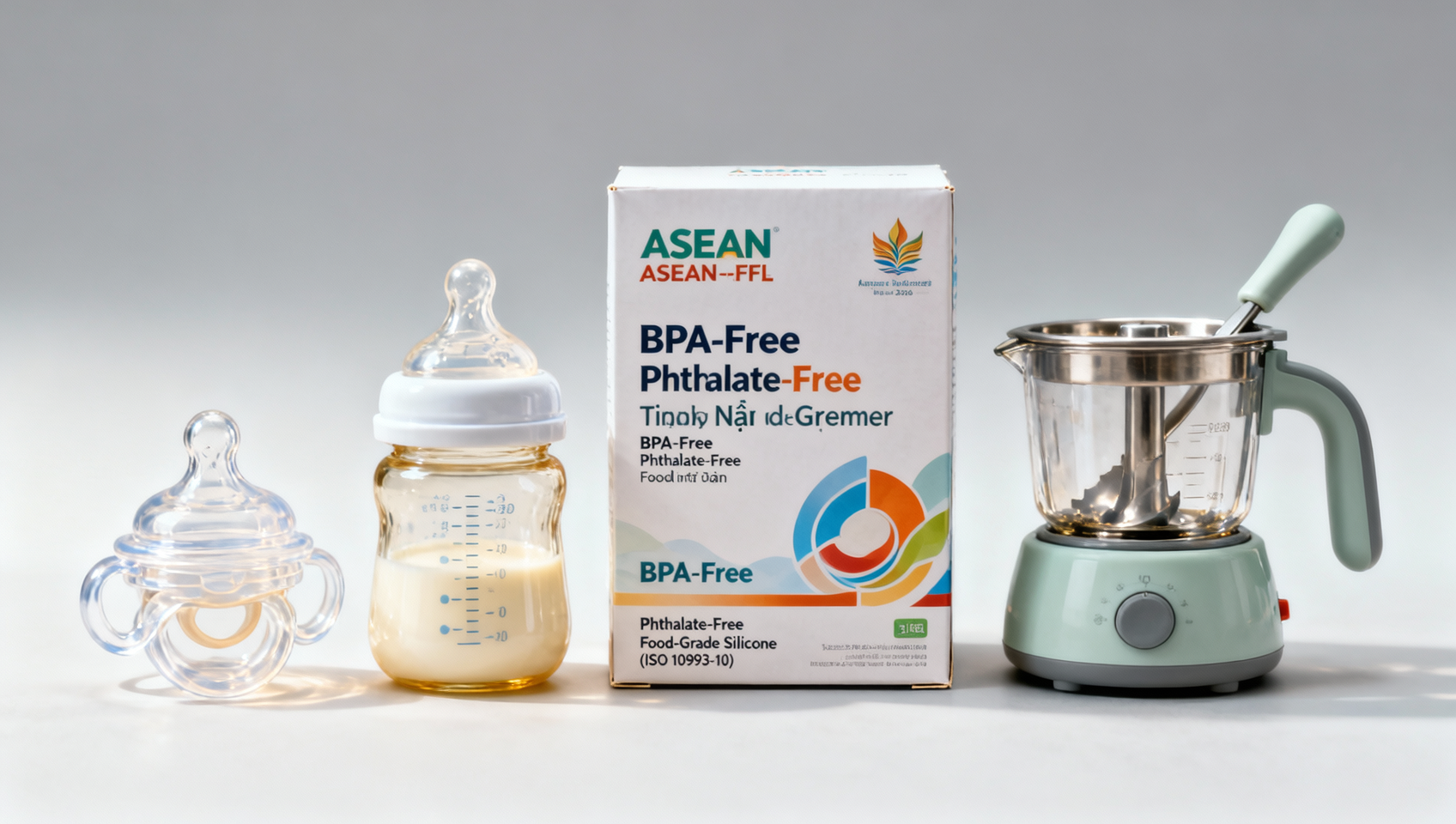
 Infant Feeding & CareApr 28, 2026RCEP Members Adopt ASEAN-FFL 2026 for Infant Feeding ProductsRCEP Members Adopt ASEAN-FFL 2026 for Infant Feeding Products: New multilingual labelling rules for pacifiers, baby bottles & grinders take effect 1 Dec 2026 in Vietnam, Thailand, Indonesia — act now to avoid customs delays.
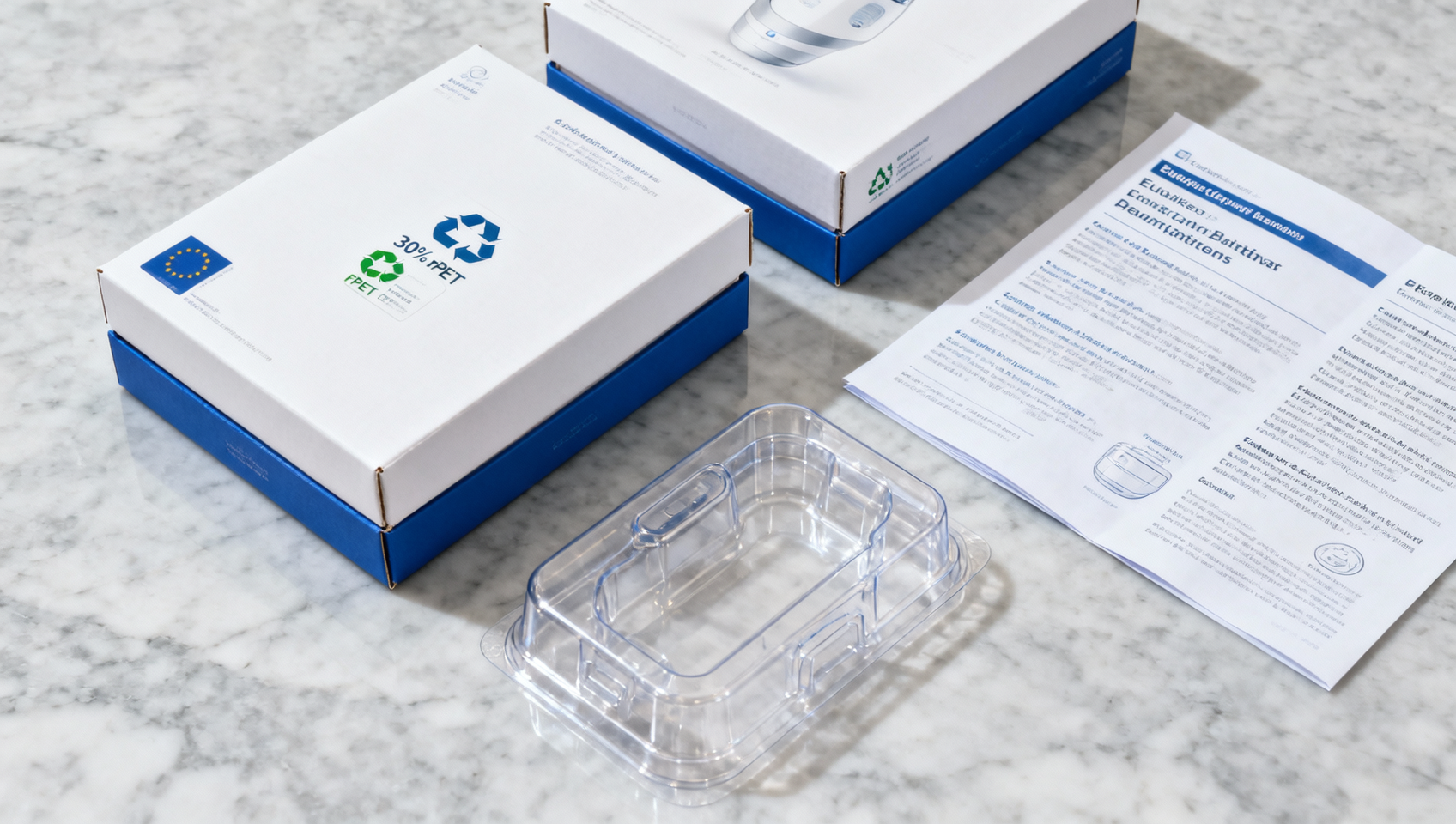
 2026/789: Beauty Device Packaging Must Declare Recycled Plastic & LCA") Beauty DevicesApr 28, 2026EU Regulation (EU) 2026/789: Beauty Device Packaging Must Declare Recycled Plastic & LCAEU Regulation (EU) 2026/789 mandates recycled plastic labeling & EN 15804+A2 LCA for beauty devices—act now to ensure EU market access and avoid delays.
Beauty DevicesApr 28, 2026EU Regulation (EU) 2026/789: Beauty Device Packaging Must Declare Recycled Plastic & LCAEU Regulation (EU) 2026/789 mandates recycled plastic labeling & EN 15804+A2 LCA for beauty devices—act now to ensure EU market access and avoid delays. STEM & Educational ToysApr 28, 2026CPSC Requires Nano-Material Migration Testing for STEM Toys from Q2 2026CPSC requires nano-material migration testing for STEM toys starting Q2 2026—key for exporters, OEMs & labs. Act now to ensure compliance with ZnO/TiO₂ saliva/sweat testing.
 Baby Gear & StrollersApr 27, 2026Global Shipping Alliances Cut Shanghai–Rotterdam Capacity by 15%Global shipping alliances cut Shanghai–Rotterdam capacity by 15%—impacting baby strollers & gear exporters, EU retailers, and forwarders. Act now to secure space, assess rail/air alternatives, and build resilient supply chains.
 Camping & WaterApr 27, 2026SASO IEC 62368-3:2026 Released for GCC: IP6X Dust Testing Required for Camping & Water PumpsSASO IEC 62368-3:2026 now mandates IP6X dust testing for camping & water pumps in GCC — act now to avoid customs delays and ensure compliance by Oct 1, 2026.
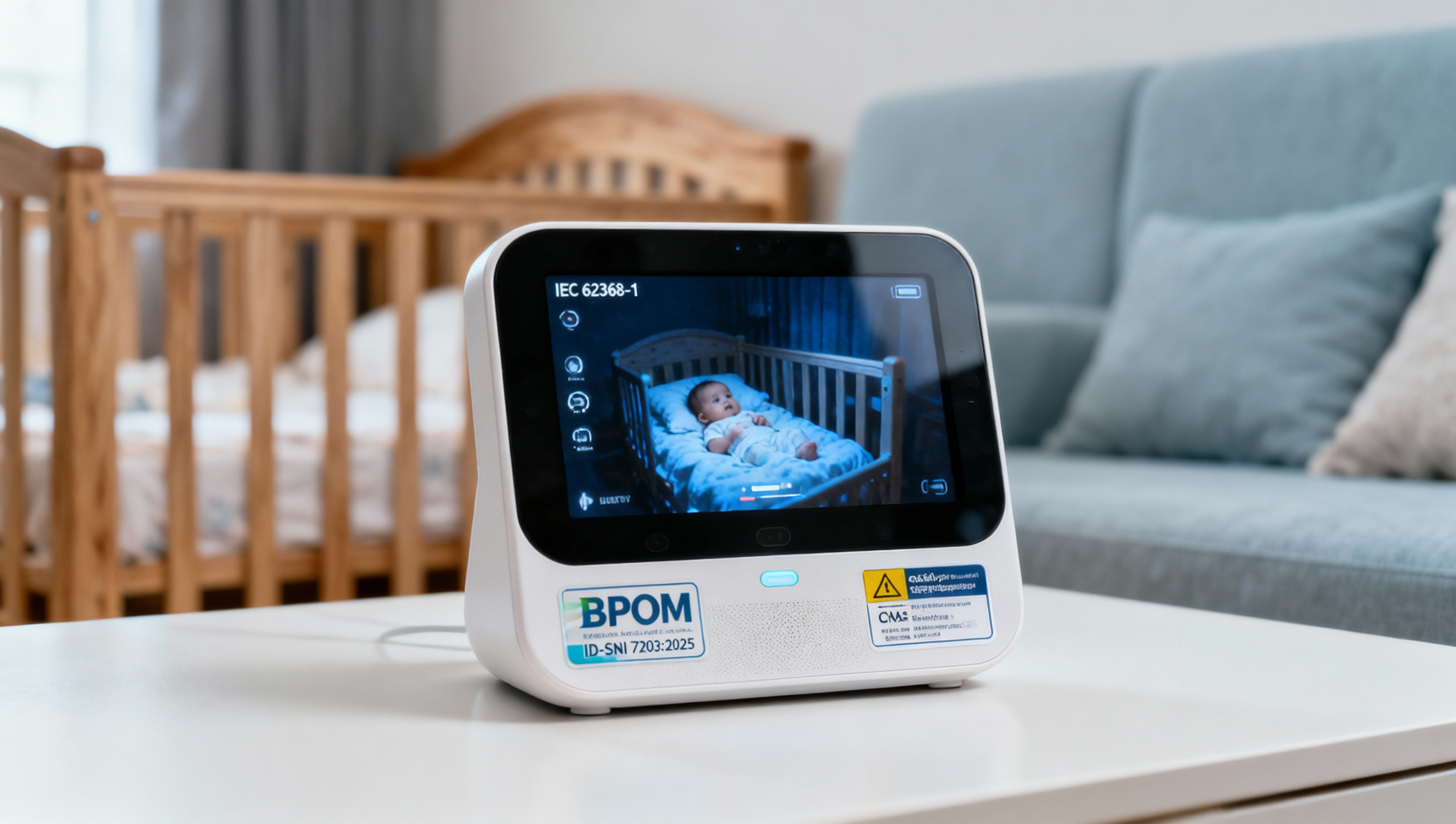
 Nursery Furniture & MonitorsApr 27, 2026Indonesia BPOM Fast-Tracks Baby Monitor Registration to 14 Working DaysIndonesia BPOM Fast-Tracks Baby Monitor Registration to 14 working days—leverage CNAS reports & ID-SNI 7203:2025 for rapid market entry.