Agile Manufacturing for Faster Cosmetic Packaging
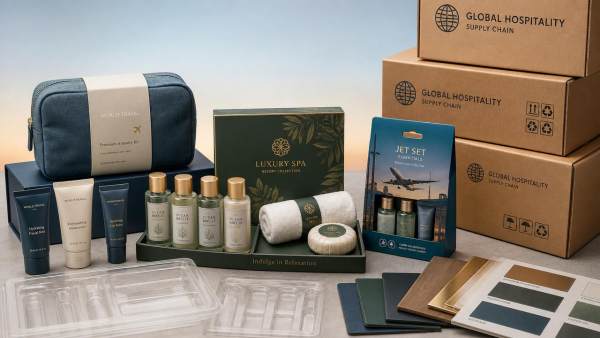
In today’s fast-moving consumer market, agile manufacturing is reshaping how cosmetic packaging projects are planned, sourced, and delivered. For project managers and engineering leads, the ability to shorten lead times, adapt to design changes, and maintain compliance is no longer optional. This article explores how agile manufacturing helps packaging teams improve speed, flexibility, and supply chain resilience in a highly competitive global environment.
For travel service operators, this shift matters more than it may first appear. Airlines, resorts, cruise lines, wellness retreats, airport retailers, and destination gift programs increasingly rely on branded cosmetic packaging for amenity kits, travel-size toiletries, spa collections, and private-label personal care lines.
These projects usually run against tight seasonal launch windows, multi-country logistics plans, and changing traveler expectations. Agile manufacturing gives project leaders a practical framework to reduce delays, manage packaging variation, and coordinate sourcing decisions across design, engineering, procurement, and compliance teams.
Why Agile Manufacturing Matters in Travel Service Cosmetic Packaging
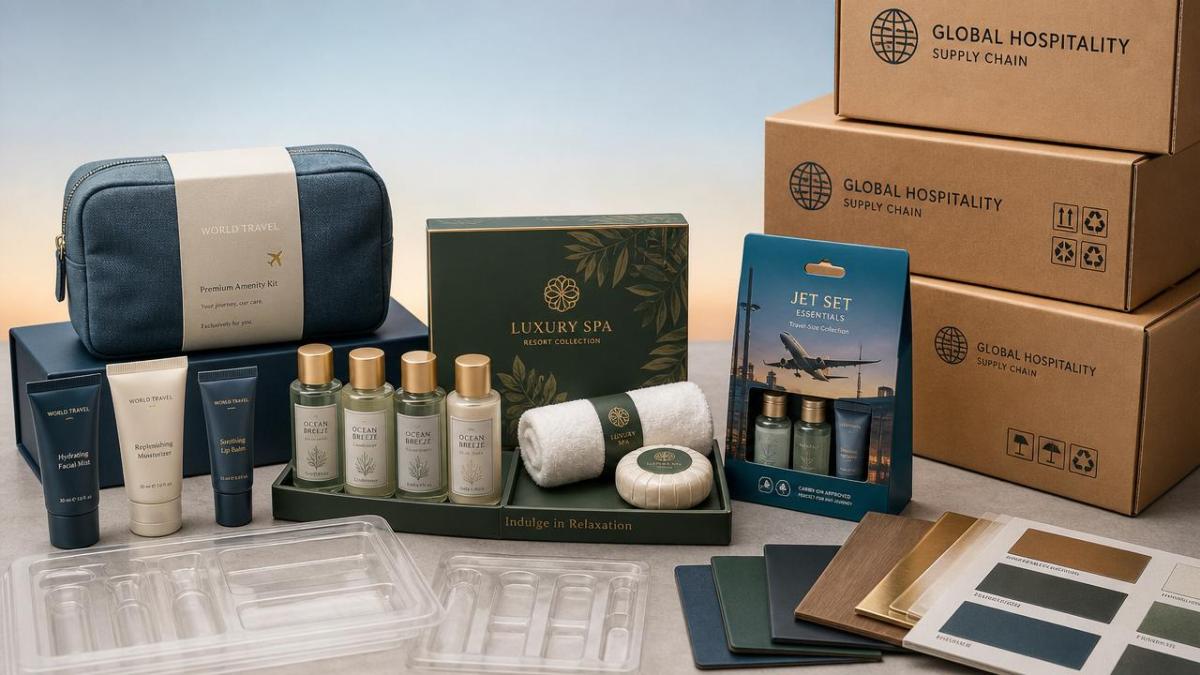
In travel service, cosmetic packaging is not only a container. It is part of the guest experience, the retail display, and the brand promise. A hotel amenity bottle, an inflight skincare pouch, or a spa gift set often needs to balance appearance, durability, safety, and transport efficiency within a lead time of 4–10 weeks.
Traditional sourcing models struggle when a travel brand requests design updates after sampling, changes volume forecasts 20–30 days before production, or expands from one region to three. Agile manufacturing helps packaging teams respond through shorter decision loops, modular tooling choices, and closer supplier collaboration.
Typical Travel Service Use Cases
Project managers in travel services usually encounter packaging projects in 4 high-frequency scenarios: seasonal amenity upgrades, private-label spa launches, destination retail gift packs, and rapid replenishment for peak travel months. Each scenario places different pressure on MOQ, decoration options, and shipping timelines.
- Hotel groups launching 30ml–80ml refillable or single-use bathroom amenities
- Airlines sourcing compact leak-resistant packaging for carry-on compliance
- Cruise operators building premium gift sets for 7-day to 14-day itineraries
- Resort spas developing branded skincare ranges for in-room and retail use
Key Pain Points for Project and Engineering Leads
Most delays do not start on the production line. They start earlier, during version changes, artwork approval, or material substitution. In travel service projects, one missing compliance check or one late carton revision can delay a launch by 2–3 weeks and disrupt distribution to multiple properties.
Agile manufacturing reduces these risks by creating faster checkpoints. Instead of waiting for a single final decision, teams work through smaller approval cycles across bottle format, cap compatibility, label finish, transit testing, and destination-specific packaging rules.
Operational Problems Agile Manufacturing Solves
- Late design changes after pilot sampling
- Demand fluctuations between 5,000 and 50,000 units per destination
- Short replenishment windows before holiday or summer travel peaks
- Different compliance and labeling needs for 2–5 target markets
- Pressure to reduce packaging waste and shipping volume
The table below shows how agile manufacturing compares with conventional packaging sourcing in a travel service environment where launch timing, guest presentation, and supply continuity all matter.
The main advantage is not speed alone. It is controlled adaptability. For travel service brands, that can mean keeping a resort opening kit on schedule, supporting a limited-edition spa launch, or avoiding stockouts across airport retail locations during a 6–8 week demand surge.
Building an Agile Packaging Workflow for Travel Programs
A strong agile manufacturing system depends on workflow design as much as factory capability. Travel service buyers often work with fragmented teams: brand managers, procurement, engineering, logistics, and local operations. Without a shared process, even fast suppliers cannot deliver consistent results.
For cosmetic packaging projects, a practical workflow usually includes 5 stages: requirement definition, supplier validation, sample iteration, pilot run control, and phased rollout. Each stage needs clear acceptance criteria, response time targets, and escalation rules.
A 5-Stage Implementation Model
- Define use case: guest room, inflight, spa retail, or promotional travel set
- Lock critical parameters: size, material, decoration, leak resistance, carton limits
- Run sample review within 5–7 working days per revision cycle
- Approve pilot production with transit and handling checks
- Launch in phases by route, property group, or retail channel
Parameters That Should Be Fixed Early
Engineering leads should identify non-negotiable technical points before artwork approval. For travel service packaging, those often include bottle volume, closure fit, secondary packaging dimensions, labeling durability, and shipping density. Fixing these items early can reduce redesign risk by one full revision cycle.
- Travel-size volume bands such as 30ml, 50ml, 75ml, and 100ml
- Leak-prevention checks after 24-hour and 48-hour transit simulation
- Carton compression suitability for stacked export handling
- Decoration resistance against moisture, friction, and frequent guest handling
The next table outlines a practical control framework for project managers responsible for launch timing, engineering fit, and service consistency across travel destinations.
This structure supports faster execution without losing control. It is especially useful when travel operators must synchronize product arrival with refurbishment schedules, event calendars, or high-occupancy periods where late packaging delivery directly affects guest satisfaction.
Supplier Selection Criteria for Faster and Safer Delivery
Not every factory that claims agile manufacturing can support travel service complexity. Project leaders need suppliers that can move quickly, but also understand private-label consistency, route-to-market constraints, and documentation discipline. Speed without process control usually creates hidden costs later.
A good starting point is to evaluate suppliers across 4 dimensions: responsiveness, technical packaging range, compliance readiness, and scaling flexibility. This helps buyers avoid overvaluing low unit cost while missing risks in sampling, replenishment, or export preparation.
What Project Managers Should Verify
- Sample lead time and revision speed, ideally within 5–10 working days
- Ability to support low-to-mid MOQ pilots before larger production runs
- Experience with multiple decoration methods for premium hospitality branding
- Packaging testing routines for leakage, handling, and carton durability
- Clear communication rhythm with weekly updates and issue logs
Questions Worth Asking During Supplier Review
For travel service programs, the most useful supplier questions are practical rather than promotional. Ask how they handle forecast changes within 14 days, what backup material options exist if one resin or decoration input is delayed, and whether they can separate production by destination or channel.
It is also important to ask how they document approval changes. A simple version-control process for artwork, cap finish, and outer carton details can prevent expensive confusion when one spa chain needs a premium finish while another property group requires standard packaging for faster turnover.
Common Procurement Mistakes
One common mistake is choosing a supplier only on ex-factory price. In travel service, a packaging delay of 10 days can cost more than a 3% unit price difference if it affects opening inventory, guest room readiness, or airport retail display timing.
Another mistake is approving visual design before transport and handling checks. Elegant packaging that leaks in humid conditions, scuffs during transit, or takes too much storage space can create operational friction across hotels, airlines, and cruise distribution points.
Risk Control, Compliance, and Sustainability in Agile Manufacturing
Travel service brands face an unusual combination of risks. Packaging must look premium, move through global logistics, align with destination rules, and increasingly support sustainability targets. Agile manufacturing works best when these constraints are treated as part of the design process, not as a late-stage audit task.
For project and engineering teams, risk control should cover at least 3 areas: packaging performance, labeling accuracy, and material suitability. In many programs, simple preventive checks done 2–3 weeks earlier can eliminate the need for urgent rework close to shipment.
Compliance and Service Continuity
Travel service operators often ship to multiple destinations with different import and consumer-use expectations. Even if the cosmetic formula is handled separately, the packaging still needs consistent labeling space, traceability logic, and reliable transport integrity for repeated handling across warehouses and properties.
Agile manufacturing supports this through modular packaging design. For example, one base bottle format can be paired with region-specific artwork or secondary packaging, reducing tooling complexity while helping procurement manage 2–4 destination variants with less disruption.
Sustainability Expectations in Travel Programs
- Lightweight packaging to reduce freight volume and storage load
- Refill-friendly formats for premium hotel and resort operations
- Material simplification to improve sorting and disposal practices
- Carton optimization to lower damage risk and reduce excess void fill
Sustainability should still be tested against service reality. A refill system may suit a luxury resort with controlled housekeeping routines, but a sealed single-use format may remain more practical for inflight or short-stay travel kits where hygiene, turnaround time, and compact handling are critical.
How GCS Supports Better Decisions
For teams working across travel service sourcing and consumer packaging, decision quality often depends on access to current market intelligence. Global Consumer Sourcing helps buyers and project leaders compare manufacturing capabilities, private-label options, material trends, and supply-side shifts that influence speed and feasibility.
This is particularly useful when projects cross sectors, such as hotel amenities linked to spa retail, or airport travel kits connected to seasonal gift programs. Better visibility into agile manufacturing options allows teams to source faster without losing control over compliance, cost, or brand consistency.
Practical FAQ for Travel Service Project Leaders
When is agile manufacturing the best fit?
It is most useful when launch timing is tight, destination requirements vary, or branding needs may change during development. If your travel service program includes multiple SKU formats, rolling demand updates, or premium presentation needs, agile manufacturing can reduce friction across the full delivery cycle.
Does faster production mean less quality control?
Not if the process is structured correctly. The goal is not to skip controls, but to move them earlier and make them more frequent. Shorter checkpoints across sampling, pilot runs, and rollout planning generally create better visibility than one large final inspection stage.
How can travel brands start with lower risk?
A phased launch is often the safest path. Start with 1 product line, 1–2 packaging formats, and a limited destination group. Once sealing, handling, replenishment, and guest-use feedback are stable, expand to more properties, routes, or retail points with stronger forecasting confidence.
Agile manufacturing gives travel service brands a practical edge in cosmetic packaging: shorter response cycles, stronger supply flexibility, and better alignment between guest experience and operational reality. For project managers and engineering leads, the value lies in turning packaging development into a controlled, adaptive process rather than a slow chain of handoffs.
If you are evaluating packaging partners, planning a private-label amenity program, or looking to improve launch speed across hospitality, airline, cruise, or travel retail channels, Global Consumer Sourcing can help you assess the right manufacturing pathways. Contact us today to explore tailored sourcing intelligence, compare supplier options, and get a more resilient packaging strategy for your next project.
Related Intelligence
 STEM & Educational ToysOct 22, 2026Blokees Showcases Over 900 Products at the 2026 China International Toy FairBlokees showcases over 900 products at the 2026 China International Toy Fair. Explore Model Kits, BLOKEES WHEELS and key sourcing checks to guide your next purchase.
 Cosmetics & PkgOct 21, 2026BASF Plans Beauty Innovation Showcase at in-cosmetics Asia 2026Explore BASF’s planned beauty innovations at in-cosmetics Asia 2026 in Bangkok, with a focus on skin protection, repair and sustainable solutions for personal care formulators.
 Cosmetics & PkgOct 20, 2026Beauty Tops Amazon’s 2026 Prime Big Deal Days Shopping CategoriesBeauty tops Amazon’s 2026 Prime Big Deal Days at 32% of shoppers, according to Market Defense. Explore what the findings could mean for product selection, inventory and promotional planning.
 Infant Feeding & CareOct 14, 2026What Documents Are Required to Import Baby Formula?What import documents are needed for baby formula? Explore shipment paperwork, health certificates, and market-specific requirements to avoid costly delays and prepare for compliant imports.
 Infant Feeding & CareOct 14, 2026Which Baby Formula Packaging Formats Reduce Shipping Damage?Which baby formula packaging formats reduce shipping damage? Compare metal cans, rigid tubs, and supported pouches to choose better protection and reduce costly transit losses.
 Baby Gear & StrollersOct 14, 2026How Long Does Custom Diaper Bag Production Usually Take?How long does custom diaper bag production usually take? Plan for 30–60 days after sample approval. Discover key lead-time factors and practical tips to avoid delays and launch on schedule.
 Baby Gear & StrollersOct 14, 2026Which Diaper Bag Features Justify a Higher Wholesale Price?What diaper bag features justify a higher wholesale price? Discover durability, comfort, and easy-clean upgrades worth paying for—and source smarter with practical buyer tips.
 Infant Feeding & CareOct 14, 2026How Can Retailers Prevent Baby Clothing Color Bleeding Claims?How can retailers avoid color bleeding claims on baby clothing? Discover testing, supplier controls, and care-label strategies to reduce returns and protect customer trust.
 Infant Feeding & CareOct 14, 2026Which Baby Clothing Materials Are Easier to Source Compliantly?What materials make baby clothing easier to source compliantly? Compare cotton, blends, and certified options, with practical supplier checks to reduce risk and make smarter sourcing decisions.
 Baby Gear & StrollersOct 14, 2026Are Baby Carrier Buckle Failures a Common Reason for Returns?Are baby carrier buckle failures a common return issue? Explore defects, usability complaints, and safety checks to make informed sourcing decisions before your next order.
 Baby Gear & StrollersOct 14, 2026How Do You Compare Baby Carrier Suppliers on Safety and Cost?How do I compare baby carrier suppliers on safety and cost? Learn to verify safety evidence, assess factory controls, and compare total landed costs to make a confident sourcing decision.
 STEM & Educational ToysSep 20, 2026How Do I Verify Age Grading for Educational Toys?How do I verify educational toy age grading? Learn how to assess safety risks, test reports, packaging, and market compliance before buying or selling.
 Corporate & Seasonal GiftsSep 20, 2026Are Promotional Items Worth Ordering for Short Campaigns?Are promotional items worth ordering for short campaigns? Learn how pet brands can choose useful, compliant giveaways that drive measurable engagement, sales, and loyalty.