
Airless Pump Bottles Wholesale: Which Specs Prevent Leakage?
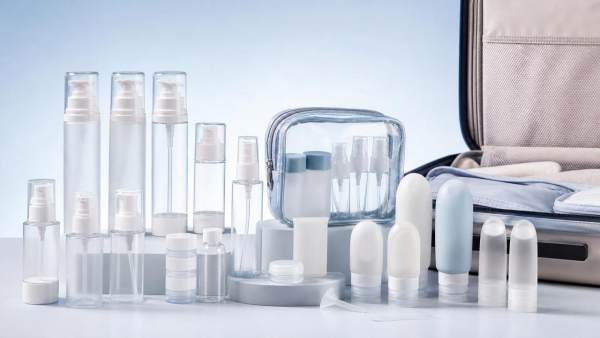
When evaluating airless pump bottles wholesale, leakage prevention starts with technical details, not surface styling. In travel service retail, leak-resistant packaging matters because portable skincare, sunscreen, sanitizer, and hotel amenities move often, face pressure changes, and must arrive clean. This guide explains which specifications reduce leakage, how to compare options, and what checkpoints support safer bulk selection.
What does leakage prevention mean in airless pump bottles wholesale?
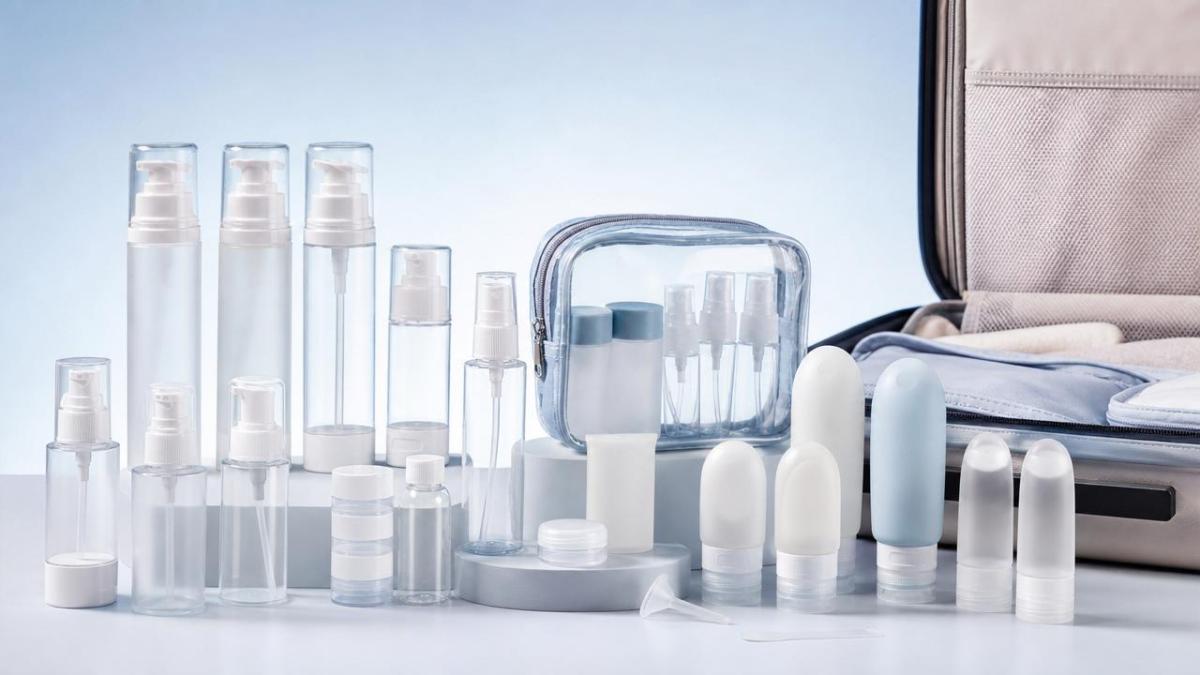
Leakage prevention means more than stopping visible drips. It includes resisting seepage, pump backflow, cap loosening, and product escape during shipping or altitude changes.
For travel service applications, these risks increase. Amenity kits, travel-size cosmetics, and refillable personal care items experience vibration, stacking pressure, and repeated handling.
In airless pump bottles wholesale, the container works as a system. Bottle body, piston, pump, overcap, and neck finish must fit together precisely.
A bottle may look premium yet still fail if component tolerances are loose. Small gaps around the pump or piston often become major leakage points.
Airless designs help by reducing oxidation and contamination. However, airless does not automatically mean leak-proof, especially in cross-border transport.
Why travel-related products face stricter leakage demands
- Cabin and cargo pressure changes can stress seals.
- Frequent repacking increases cap and actuator movement.
- Small-format bottles are often squeezed inside travel bags.
- Hospitality amenity packs need clean shelf presentation.
Which specs in airless pump bottles wholesale most directly prevent leakage?
The most important specifications are sealing structure, pump dosage tolerance, neck finish precision, piston stability, and cap retention force.
1. Sealing structure
Look for multi-point sealing. A well-designed unit seals at the pump gasket, neck interface, and internal piston contact area.
Gasket material matters. PE, TPE, or silicone selections should match the formula’s oil content, alcohol level, and viscosity.
2. Pump tolerance and spring performance
In airless pump bottles wholesale, poor pump tolerance often causes micro-leakage. Loose internal dimensions allow product creep around the dispensing channel.
Stable spring rebound helps the valve close quickly. This reduces after-drip and limits product migration during transport.
3. Neck finish precision
The neck finish must be consistent across production runs. Uneven threads or poor snap-fit geometry weaken sealing pressure and increase failure rates.
4. Piston fit and smooth travel
An airless bottle relies on piston movement. If the piston is too loose, side leakage can occur. If too tight, dispensing becomes uneven.
5. Actuator and overcap locking
For travel use, accidental pressing is common. A secure overcap or lockable actuator prevents discharge inside luggage or amenity cartons.
How does formula compatibility affect leakage risk?
Compatibility is often overlooked in airless pump bottles wholesale. Yet formula chemistry strongly affects long-term sealing performance.
Thin liquids move faster through tiny gaps. High-alcohol sprays, light serums, and low-viscosity lotions can leak more easily than heavy creams.
Oil-rich formulas may swell some sealing materials. Essential oils and active ingredients can also weaken certain plastics over time.
In travel service retail, sunscreen, after-sun gel, hand sanitizer, and hotel skincare samples often require different material pairings. One pump spec does not fit all formulas.
Key compatibility checks
- Viscosity range of the product
- Alcohol or solvent content
- Oil level and fragrance load
- Required storage temperature range
- Expected transport duration
A practical test includes filling samples, storing them upright and sideways, then exposing them to temperature cycling and compression.
Which tests should be requested before confirming airless pump bottles wholesale?
Testing should simulate real travel conditions. Visual inspection alone cannot confirm leak resistance for tourism-focused consumer products.
Recommended validation tests
- Vacuum leakage test for seal integrity.
- Drop test with filled bottles and caps engaged.
- Side-storage and inverted-storage observation.
- Repeated actuation cycle test.
- Temperature shock test between cold and warm conditions.
- Carton vibration test for shipment simulation.
For airless pump bottles wholesale, ask whether tests were done with water or with your actual formula. Water-only testing is less reliable.
It is also useful to compare pass rates across cavity numbers, mold batches, and pump lots. Leakage may appear only in scale production.
What mistakes cause leakage even when the bottle spec seems acceptable?
Many failures come from mismatched assumptions rather than bad packaging alone. Travel-focused products often need stricter controls than standard shelf goods.
Common mistakes
- Choosing by appearance without reviewing engineering drawings.
- Ignoring cap retention force or locking function.
- Assuming all PP, PET, or AS materials behave the same.
- Skipping filled-product transport trials.
- Changing formula after package approval.
- Using oversized actuators that trigger accidental discharge.
In airless pump bottles wholesale, cost cutting sometimes reduces gasket quality, spring consistency, or assembly accuracy. These savings can create returns later.
How can specs be compared quickly for travel-size and hospitality use?
A simple comparison table helps identify which bottle spec best fits portable retail kits, resort amenities, and travel-exclusive personal care lines.
For small travel formats, bottle shape also matters. Tall, narrow bottles may be elegant, but wide-based designs often handle movement better.
What should be included in a final airless pump bottles wholesale checklist?
Before approval, create a short technical checklist. This keeps selection objective and reduces leakage surprises after bulk filling.
- Confirm sealing points and gasket material.
- Match pump output to formula viscosity.
- Verify neck and pump dimensional tolerance.
- Check piston movement consistency.
- Review actuator lock or cap retention.
- Request filled-product leakage testing records.
- Test under temperature and transport simulation.
- Approve production samples from actual mass-run tooling.
In airless pump bottles wholesale, the safest choice is rarely the cheapest visible option. The better value is the spec that protects formula, presentation, and travel performance.
For tourism-related beauty and personal care products, leak resistance supports cleaner guest experience, fewer damaged shipments, and stronger brand trust.
Start with technical drawings, formula compatibility, and real-condition testing. Then compare suppliers using the same leakage checklist before scaling the order.
Related Intelligence
 Skincare OEMAug 16, 2026Amazon Enforces AI Human Metadata Rule for Beauty and Personal Care SellersAmazon now enforces AI human metadata rules for beauty sellers. Learn how to protect listings, traffic, and compliance in skincare, cosmetics, and beauty devices.
 Beauty DevicesAug 15, 2026China to Roll Out Nationwide Cross-Border Cash Pooling for MultinationalsChina to roll out nationwide cross-border cash pooling for multinationals from Sept. 14. Discover how this policy could improve treasury efficiency, liquidity management, and China-linked supply chains.
 Beauty DevicesAug 14, 2026China Imposes Temporary Export Ban on Helium, Affecting Cooling Supply ChainsChina's temporary helium export ban may disrupt cooling supply chains for beauty RF devices and laser systems. Learn what ODMs, buyers, and procurement teams should check now.
![]() Cosmetics & PkgAug 13, 2026PPWR becomes mandatory: Beauty and personal care packaging materials usher in new EPR and PFAS compliance requirementsPPWR takes effect for cosmetics packaging in the EU, bringing EPR registration and PFAS limits. Learn what brands, importers, and suppliers must do now.
Cosmetics & PkgAug 13, 2026PPWR becomes mandatory: Beauty and personal care packaging materials usher in new EPR and PFAS compliance requirementsPPWR takes effect for cosmetics packaging in the EU, bringing EPR registration and PFAS limits. Learn what brands, importers, and suppliers must do now. Cosmetics & PkgAug 12, 2026EU PPWR Now Enforced for Beauty Packaging ComplianceEU PPWR now enforced for beauty packaging compliance: learn how EPR, ERN, heavy metals and PFAS rules affect EU exports, customs clearance and platform sales.
 Cosmetics & PkgAug 11, 2026EU PPWR Rules Take Effect on Aug. 12 for Beauty PackagingEU PPWR rules for beauty packaging take effect on Aug. 12, 2026. Learn key compliance steps, EPR, labeling, PFAS limits, and how to avoid customs delays and fines.
 Smart Pet DevicesAug 10, 2026EU EPR Rules to Cover Smart Pet Devices on Aug. 15EU EPR Rules will cover smart pet devices from Aug. 15, 2026. Learn how smart collars, feeders, and monitoring devices can avoid delisting, customs delays, and compliance risks in the EU.
 Infant Feeding & CareAug 09, 2026CPSC Recalls Baby Sleep Sacks Over Undeclared TDCPPCPSC Recalls Baby Sleep Sacks Over Undeclared TDCPP: learn how this 2026 recall impacts CPC documents, third-party testing, and U.S. baby product compliance for exporters.
 Infant Feeding & CareAug 08, 2026ECHA Adds 5 SVHCs, Importer Notices Due From Oct 2026ECHA adds 5 SVHCs to the Candidate List, with importer notices due from October 2026. Learn how REACH affects exporters, supply chains, and documentation readiness.
 Baby Gear & StrollersAug 07, 2026CPSC Revises Crib Rail Standard for November 2026CPSC revises crib rail standard for November 2026, adding dynamic impact tests and mandatory third-party lab testing. Learn how the new rule affects U.S. market access, compliance, and shipments.
 Electronic & RC ToysAug 06, 2026EU to Require EN IEC 62115:2025 for Electronic ToysEU to Require EN IEC 62115:2025 for Electronic Toys from Oct 1, 2026. Learn scope, battery and AI safety updates, CE compliance risks, and how exporters can avoid customs delays.
 Baby Gear & StrollersAug 05, 2026US Stroller Stability Rule Takes Effect Aug. 15US Stroller Stability Rule Takes Effect Aug. 15: learn how new U.S. stroller compliance, ASTM F833-26a, and CPSC testing rules may affect imports, certification, and shipment readiness.
 Infant Feeding & CareAug 04, 2026ECHA Adds 5 SVHCs, Triggering Baby Care Export ReviewECHA adds 5 SVHCs, prompting an urgent baby care export review for EU-bound products. Learn the 0.1% threshold risks, compliance steps, and how to avoid customs delays and fines.












