
International supply bottlenecks in cosmetics packaging sourcing
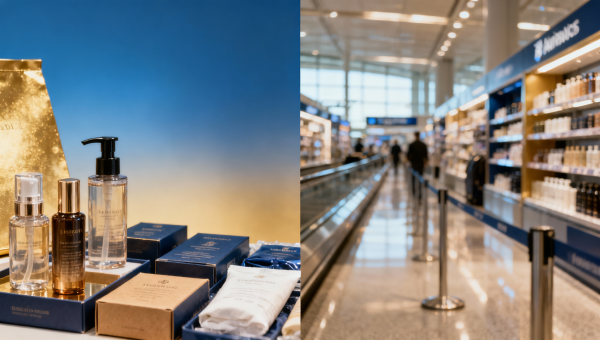
International supply disruptions are reshaping cosmetics packaging sourcing, forcing brands to rethink cost, compliance, and continuity. Drawing on retail analysis, supply chain research, and retail data, this article explores how product safety standards, product regulations, and brand supply strategies affect international retail performance. For buyers, quality managers, and decision-makers, these retail insights reveal practical ways to reduce risk and build a more resilient international supply network.
Why cosmetics packaging bottlenecks now matter to travel retail and hospitality supply chains
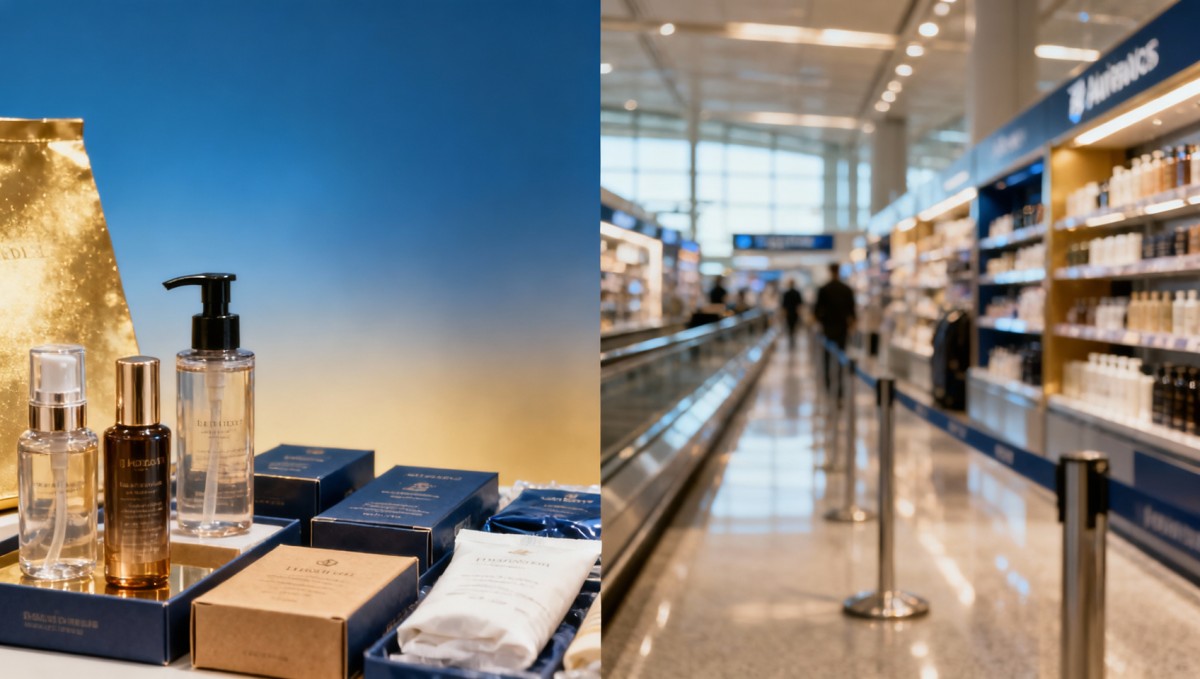
Cosmetics packaging sourcing is no longer a narrow procurement issue. In travel retail, hotel amenities, airport duty-free channels, cruise retail, and destination gift programs, packaging delays can directly interrupt seasonal launches, private-label programs, and replenishment cycles. A missed delivery window of 2–6 weeks can affect shelf setup, promotional timing, and guest experience across multiple locations.
This matters because travel service businesses often operate on fixed commercial calendars. Airport retailers prepare around peak passenger periods, hotels align amenity upgrades with occupancy plans, and tour operators bundle branded products for premium packages. When pumps, jars, tubes, caps, cartons, or decorative components are late, the product may be ready but not saleable. That creates hidden cost in warehousing, markdown risk, and lost turnover.
For procurement teams, the challenge is rarely a single broken link. More often, disruption comes from a chain of smaller issues: resin allocation changes, printing lead time extension, mold maintenance delays, freight re-routing, or documentation gaps in one export market. Quality and safety teams then face additional pressure because a substitute component may require new compatibility checks, migration review, or transport packaging verification.
Global Consumer Sourcing helps buyers and decision-makers interpret these risks through market-focused supply intelligence, supplier screening logic, and product compliance context. That is especially useful for tourism-linked retail programs where speed, presentation quality, and regulatory consistency must all be balanced across 3 core priorities: guest appeal, operational continuity, and commercial margin.
- Airport and border retail needs dependable packaging lead times because promotional windows can be as short as 4–8 weeks.
- Hotels and resorts need packaging consistency for amenity sets, refill systems, and branded bathroom programs across multiple properties.
- Cruise, tour, and destination retail channels need transport-safe packaging that tolerates handling, humidity shifts, and long replenishment routes.
Where do the main sourcing bottlenecks appear in international cosmetics packaging?
The most common bottlenecks are not always at the final assembly stage. In many sourcing projects, the first constraint appears upstream in raw materials, decoration capacity, or specialized accessory supply. For example, a bottle may be available in 3 weeks, but the customized pump, metallized collar, or printed carton may require 6–10 weeks. That mismatch creates incomplete kit inventory and slows final dispatch.
Travel retail buyers should also watch component interdependence. A luxury mini-size amenity pack for hotels may use PET or PP primary packaging, a tamper-evident closure, a printed label, an insert, and a display tray. If only one part changes due to shortage, the project may need artwork updates, barcode revision, drop-test review, and shipping carton recalculation. In practice, one packaging change can trigger 4–6 downstream approval tasks.
Regional trade and logistics volatility adds another layer. Ocean freight transit times, inland congestion, customs review, and container availability all influence landed timing. Even when factories keep nominal production capacity, transportation uncertainty can turn a standard 30–45 day cycle into a longer replenishment window. This is why sourcing decisions should not focus only on ex-factory price.
The table below maps common international supply bottlenecks and their operational effect on tourism-related retail and hospitality channels.
The practical message is simple: cosmetics packaging bottlenecks should be tracked as a multi-node risk, not as a single supplier problem. Teams that map materials, decoration, assembly, documentation, and freight together usually make faster recovery decisions than teams that only compare quotations.
Why tourism-linked buyers feel these delays more sharply
Travel service operators often manage tighter presentation standards and shorter replacement windows than conventional retail. A hotel chain cannot easily mix different bottle shapes across premium rooms, and a duty-free operator may reject packaging changes that disrupt shelf visual consistency. This makes substitution harder even when production capacity exists.
In addition, replenishment to islands, cruise routes, remote resorts, and transit hubs often requires earlier cut-off planning. A delay of 7–15 days at origin can turn into a longer stockout at destination because booking cycles, customs timing, and local distribution windows are less flexible than standard urban retail delivery.
How should procurement teams evaluate packaging options under supply pressure?
When packaging supply is unstable, procurement should move from item buying to scenario-based selection. That means evaluating not just appearance and price, but also component availability, compliance workload, refill or reuse potential, and substitution feasibility. For hotels, resorts, and travel retailers, the best option is often the one that protects service continuity over the next 2–3 procurement cycles.
A structured review usually starts with 5 key checks: material availability, decoration dependency, component compatibility, transport durability, and destination compliance. Quality managers may add formula-packaging compatibility, leakage resistance, and labeling traceability. Finance approvers will usually focus on total landed cost, minimum order quantity exposure, and the risk cost of delayed launches.
For travel service applications, pack format matters. Miniatures for guest rooms, refillable dispensers for sustainability programs, and premium boxed sets for airport or cruise retail all need different sourcing logic. A low unit price on a fragile glass container may become expensive if breakage, repacking, or freight surcharges increase the real delivered cost.
The comparison below helps teams assess which cosmetics packaging route may fit different tourism and hospitality use cases when supply bottlenecks are a concern.
The right choice depends on channel economics. If the pack is replenished every month across many hospitality sites, standardization often wins. If the product is a high-margin airport exclusive with a limited 8–12 week campaign, design differentiation may justify more complexity, but only with stronger backup planning.
A practical 4-step review process for buyers and project teams
- Define service scenario: identify whether the pack is for hotel use, transit retail, cruise, spa, or gift distribution.
- Separate must-have and nice-to-have features: material, closure style, decoration, pack size, and sustainability claims.
- Assess risk by component: review single-source parts, MOQ, test needs, and expected replenishment cycle.
- Approve contingency options: at least 1 alternate closure, 1 alternate decoration route, or 1 alternate logistics lane where possible.
This process gives procurement, quality, operations, and finance a shared decision framework. It also reduces last-minute conflict between brand presentation goals and delivery realities.
What compliance, safety, and quality checks are easy to overlook?
Under supply pressure, many teams focus on availability first and verification later. That is risky. In cosmetics packaging sourcing, a substitute component can affect product compatibility, leakage resistance, labeling compliance, or transport performance. For tourism-linked distribution, where products may move through hot climates, long freight cycles, and high handling frequency, these checks matter even more.
Quality and safety managers should confirm whether any packaging change requires renewed migration review, stability observation, closure torque assessment, or transit validation. A common practice is to run compatibility and observation checks over an agreed period such as 4–12 weeks, depending on formula sensitivity and storage conditions. Even for low-risk formats, visual change, odor shift, leakage, or print abrasion should not be ignored.
Travel service applications also create distinct compliance needs. Hotel bathroom products need durable labeling and guest-safe dispensing. Airport retail programs may need clear INCI, batch traceability, country-of-origin marking, and multilingual or destination-specific declarations. Distributors and agents should verify market entry requirements before approving substitute packs for cross-border delivery.
The checklist below summarizes common control points when packaging alternatives are introduced during international supply bottlenecks.
This kind of review is not bureaucracy. It is a cost-control tool. A fast but unchecked packaging substitution can create guest complaints, retail returns, or repacking expense that outweigh the initial sourcing savings.
Common compliance mistakes during urgent sourcing
One frequent mistake is assuming that “same size” means “same performance.” A 50 ml bottle from a second supplier may have different neck finish tolerance, wall thickness, or label adhesion behavior. Another mistake is approving decorative changes without checking abrasion resistance for travel handling or humid hospitality environments.
A third issue is incomplete document control. When multiple substitute components are approved under time pressure, version tracking can fail. Project managers should keep a live specification file that records approved material, artwork, accessory codes, validation status, and destination use. That reduces confusion across factories, forwarders, and receiving sites.
How can brands reduce cost exposure without damaging service continuity?
Cost pressure is now tied closely to supply resilience. In cosmetics packaging sourcing, the lowest quoted price can become the highest total cost if it depends on one narrow component source, a long freight lane, or a decorative process with limited capacity. Travel service businesses should calculate cost in three layers: purchase cost, interruption cost, and recovery cost.
A practical strategy is segmentation. Keep premium custom packaging for high-visibility channels such as airport exclusives, spa retail, or holiday destination gift sets. Use simplified standard packs for operationally sensitive channels such as hotel room amenities, onboard replenishment, or broad distributor programs. This creates a portfolio approach instead of forcing one packaging standard into every market.
Another useful approach is design rationalization. Reducing excessive finishes, unique accessory colors, or multi-part decorative assemblies can shorten dependency chains. Many buyers find that removing just 1–2 non-essential design elements improves sourcing flexibility while preserving enough brand identity for guest-facing environments.
GCS supports this decision process by connecting trend intelligence, supplier capability understanding, compliance awareness, and market relevance. For decision-makers, that means a more realistic view of what can be standardized, what should stay differentiated, and what risk controls are worth funding before the next peak season.
Cost-control ideas that still protect the guest and retail experience
- Shift from fully custom accessories to validated stock components where visual impact is secondary.
- Use regional buffer stock for fast-moving amenity SKUs with 1–2 month forecast visibility.
- Group artwork approvals earlier so decoration does not become the last unresolved step.
- Review pack size mix, such as minis, standard retail, and refill formats, to match channel economics more closely.
The financial goal is not simply to buy cheaper packaging. It is to avoid expensive instability. For finance and business approval teams, a resilient packaging plan often produces better margin protection than repeated emergency buying.
FAQ for buyers, quality teams, and travel retail decision-makers
How long does cosmetics packaging sourcing usually take when supply conditions are unstable?
It depends on pack complexity. Standard packaging with stock components may move in roughly 3–6 weeks, while custom decorated packs with specialized closures or secondary packaging can extend to 8–12 weeks or longer. For tourism and hospitality channels, teams should also add extra planning time for route booking, destination customs, and internal rollout coordination.
Which packaging types are usually safer for hotel and resort programs?
For broad amenity use, durable standard bottles, refill systems, and simplified mono-material formats are often easier to source and manage. They usually support steadier replenishment and lower breakage risk. However, the final choice should still consider housekeeping workflow, guest positioning, refill hygiene protocol, and destination waste-management expectations.
What should procurement check first when a supplier proposes a substitute component?
Start with 4 questions: does it fit the existing filling line, does it remain compatible with the formula, does it meet the destination labeling and documentation needs, and can it survive the planned transport route? If any answer is uncertain, the change should move through formal review instead of quick verbal approval.
Can sustainable packaging reduce bottleneck risk?
Sometimes yes, but not automatically. Simplified mono-material designs, refill models, and standardized formats can reduce component complexity. On the other hand, niche materials or highly customized sustainability claims can introduce new sourcing constraints. The best approach is to align sustainability goals with realistic supply availability and service conditions.
Why work with a sourcing intelligence partner when packaging decisions affect multiple markets?
When cosmetics packaging sourcing affects airport retail, hotel operations, distributors, and cross-border sales at the same time, fragmented information creates expensive delays. Teams need more than supplier lists. They need decision-ready insight on material trends, manufacturing feasibility, compliance implications, and sourcing trade-offs across different retail and travel service scenarios.
Global Consumer Sourcing is built for this kind of complexity. Its focus on consumer goods supply chains, private-label development, product safety, and international market requirements helps buyers evaluate risk before disruption becomes a stockout. That is valuable for research teams, procurement managers, quality leaders, project owners, distributors, and executive approvers who need commercially realistic answers rather than generic market commentary.
If you are reviewing cosmetics packaging options for travel retail, hotel amenities, cruise distribution, spa merchandise, or destination gift programs, you can use GCS to narrow supplier paths, compare packaging approaches, and clarify where compliance or logistics may delay launch. Early clarity is especially important when your next ordering cycle is within 30–90 days.
Contact us to discuss specific packaging parameters, pack format selection, delivery timing, private-label customization, regulatory considerations, sample planning, and quotation alignment. If your team is balancing premium presentation with safer lead times, we can help you compare options, identify bottlenecks earlier, and build a more resilient international supply network for tourism-linked retail and hospitality programs.
Related Intelligence
 Skincare OEMAug 16, 2026Amazon Enforces AI Human Metadata Rule for Beauty and Personal Care SellersAmazon now enforces AI human metadata rules for beauty sellers. Learn how to protect listings, traffic, and compliance in skincare, cosmetics, and beauty devices.
 Beauty DevicesAug 15, 2026China to Roll Out Nationwide Cross-Border Cash Pooling for MultinationalsChina to roll out nationwide cross-border cash pooling for multinationals from Sept. 14. Discover how this policy could improve treasury efficiency, liquidity management, and China-linked supply chains.
 Beauty DevicesAug 14, 2026China Imposes Temporary Export Ban on Helium, Affecting Cooling Supply ChainsChina's temporary helium export ban may disrupt cooling supply chains for beauty RF devices and laser systems. Learn what ODMs, buyers, and procurement teams should check now.
![]() Cosmetics & PkgAug 13, 2026PPWR becomes mandatory: Beauty and personal care packaging materials usher in new EPR and PFAS compliance requirementsPPWR takes effect for cosmetics packaging in the EU, bringing EPR registration and PFAS limits. Learn what brands, importers, and suppliers must do now.
Cosmetics & PkgAug 13, 2026PPWR becomes mandatory: Beauty and personal care packaging materials usher in new EPR and PFAS compliance requirementsPPWR takes effect for cosmetics packaging in the EU, bringing EPR registration and PFAS limits. Learn what brands, importers, and suppliers must do now. Cosmetics & PkgAug 12, 2026EU PPWR Now Enforced for Beauty Packaging ComplianceEU PPWR now enforced for beauty packaging compliance: learn how EPR, ERN, heavy metals and PFAS rules affect EU exports, customs clearance and platform sales.
 Cosmetics & PkgAug 11, 2026EU PPWR Rules Take Effect on Aug. 12 for Beauty PackagingEU PPWR rules for beauty packaging take effect on Aug. 12, 2026. Learn key compliance steps, EPR, labeling, PFAS limits, and how to avoid customs delays and fines.
 Smart Pet DevicesAug 10, 2026EU EPR Rules to Cover Smart Pet Devices on Aug. 15EU EPR Rules will cover smart pet devices from Aug. 15, 2026. Learn how smart collars, feeders, and monitoring devices can avoid delisting, customs delays, and compliance risks in the EU.
 Infant Feeding & CareAug 09, 2026CPSC Recalls Baby Sleep Sacks Over Undeclared TDCPPCPSC Recalls Baby Sleep Sacks Over Undeclared TDCPP: learn how this 2026 recall impacts CPC documents, third-party testing, and U.S. baby product compliance for exporters.
 Infant Feeding & CareAug 08, 2026ECHA Adds 5 SVHCs, Importer Notices Due From Oct 2026ECHA adds 5 SVHCs to the Candidate List, with importer notices due from October 2026. Learn how REACH affects exporters, supply chains, and documentation readiness.
 Baby Gear & StrollersAug 07, 2026CPSC Revises Crib Rail Standard for November 2026CPSC revises crib rail standard for November 2026, adding dynamic impact tests and mandatory third-party lab testing. Learn how the new rule affects U.S. market access, compliance, and shipments.
 Electronic & RC ToysAug 06, 2026EU to Require EN IEC 62115:2025 for Electronic ToysEU to Require EN IEC 62115:2025 for Electronic Toys from Oct 1, 2026. Learn scope, battery and AI safety updates, CE compliance risks, and how exporters can avoid customs delays.
 Baby Gear & StrollersAug 05, 2026US Stroller Stability Rule Takes Effect Aug. 15US Stroller Stability Rule Takes Effect Aug. 15: learn how new U.S. stroller compliance, ASTM F833-26a, and CPSC testing rules may affect imports, certification, and shipment readiness.
 Infant Feeding & CareAug 04, 2026ECHA Adds 5 SVHCs, Triggering Baby Care Export ReviewECHA adds 5 SVHCs, prompting an urgent baby care export review for EU-bound products. Learn the 0.1% threshold risks, compliance steps, and how to avoid customs delays and fines.












