
FDA Releases Draft Guidance on Clinical Validation of AI Beauty Devices
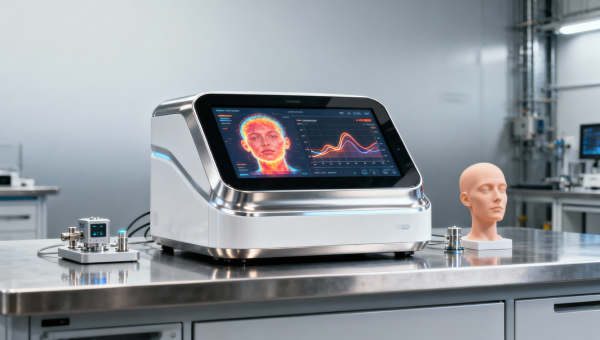
On May 8, 2026, the U.S. Food and Drug Administration (FDA) released the draft guidance titled AI-Powered Cosmetic Devices: Clinical Validation Framework, signaling a new regulatory expectation for AI-integrated cosmetic devices—particularly those incorporating real-time skin feedback algorithms. This development directly impacts manufacturers, importers, and clinical validation service providers operating in the aesthetic device sector, especially those targeting the U.S. market. It marks the first time the FDA has proposed binding clinical evidence requirements linking AI decision outputs to objective dermatological endpoints, elevating evidentiary thresholds beyond traditional cosmetic device standards.
Event Overview
On May 8, 2026, the FDA published the draft guidance AI-Powered Cosmetic Devices: Clinical Validation Framework. The document specifies that cosmetic devices featuring functions such as skin status recognition, adaptive light parameter adjustment, or thermal injury prediction must submit clinical validation data demonstrating correlation between AI-driven decisions and clinically relevant endpoints—including transepidermal water loss (TEWL) improvement rate and collagen density change—based on no fewer than 500 real-world use cases. The draft is open for 30 days of public comment; however, the FDA has simultaneously enabled early pre-submission review for eligible products, effectively activating an accelerated pathway immediately.
Industries Affected by This Development
Device Manufacturers (OEM/ODM)
Manufacturers developing or supplying AI-enabled cosmetic devices—including handheld RF, LED, or microcurrent systems with real-time feedback loops—are directly affected. The requirement for ≥500-case clinical correlation data introduces new trial design, endpoint selection, and statistical validation obligations not previously mandated for cosmetic devices. Impact manifests in extended development timelines, higher upfront validation costs, and potential redesign of AI logic to ensure traceability to measurable clinical outcomes.
Regulatory & Clinical Validation Service Providers
Firms offering regulatory strategy, clinical study management, or biostatistical support for cosmetic devices now face increased demand for expertise bridging AI performance evaluation and dermatological outcome measurement. The guidance’s emphasis on real-world settings—not just controlled clinic trials—shifts service scope toward pragmatic study designs, interoperable data capture (e.g., imaging + sensor + AI log integration), and endpoint-specific analytical frameworks.
U.S. Importers & Market Authorization Holders
Entities holding FDA registration or acting as U.S. agents for foreign manufacturers must reassess product classification pathways. Devices previously positioned as non-medical cosmetics may now trigger scrutiny under this framework if their AI functionality implies therapeutic intent (e.g., predicting thermal injury or modulating treatment based on biomarker shifts). This increases documentation burden and necessitates earlier engagement with FDA pre-submission programs.
What Relevant Companies or Practitioners Should Focus On Now
Monitor official FDA communications during the 30-day comment period
The draft remains subject to revision following stakeholder input. Companies should track FDA updates—including any clarifications on acceptable endpoints, definitions of “real-world use,” or thresholds for triggering the requirement—and adjust internal validation plans accordingly before finalization.
Identify whether existing or planned products fall within the scope of the guidance
Not all AI features trigger the requirement. Companies should conduct a function-by-function review against the three specified capabilities: (1) skin state recognition, (2) real-time optical parameter adaptation, and (3) thermal injury prediction. Products lacking all three may remain outside this specific validation mandate—even if they include other AI elements.
Distinguish between policy signal and enforceable requirement
This is a draft guidance—not a regulation or final rule. Its current status signals FDA’s emerging expectations but does not yet impose legal obligations. Companies should avoid premature full-scale clinical investment; instead, prioritize gap assessments, feasibility studies for endpoint correlation, and documentation of AI decision logic traceability.
Prepare for pre-submission engagement using existing FDA channels
Although the accelerated review pathway is now open, it requires structured pre-submission packages—including preliminary validation protocols, AI model documentation, and rationale for selected clinical endpoints. Companies intending to pursue this route should align internal technical, clinical, and regulatory teams early and consult FDA’s existing Q-Submission program guidance to ensure package completeness.
Editorial Perspective / Industry Observation
Observably, this draft represents a regulatory signal—not an implemented standard. It reflects the FDA’s proactive effort to anticipate safety and performance challenges posed by increasingly autonomous cosmetic hardware, rather than a response to widespread adverse events. Analysis shows the agency is deliberately calibrating its approach: enabling early dialogue while preserving flexibility through the comment period. From an industry perspective, this is less about immediate compliance and more about strategic alignment—establishing internal capabilities to generate defensible, outcome-linked AI validation evidence. Continued attention is warranted because final guidance will likely influence not only U.S. market access but also regulatory expectations in jurisdictions referencing FDA frameworks (e.g., certain Middle Eastern or Latin American regulators).
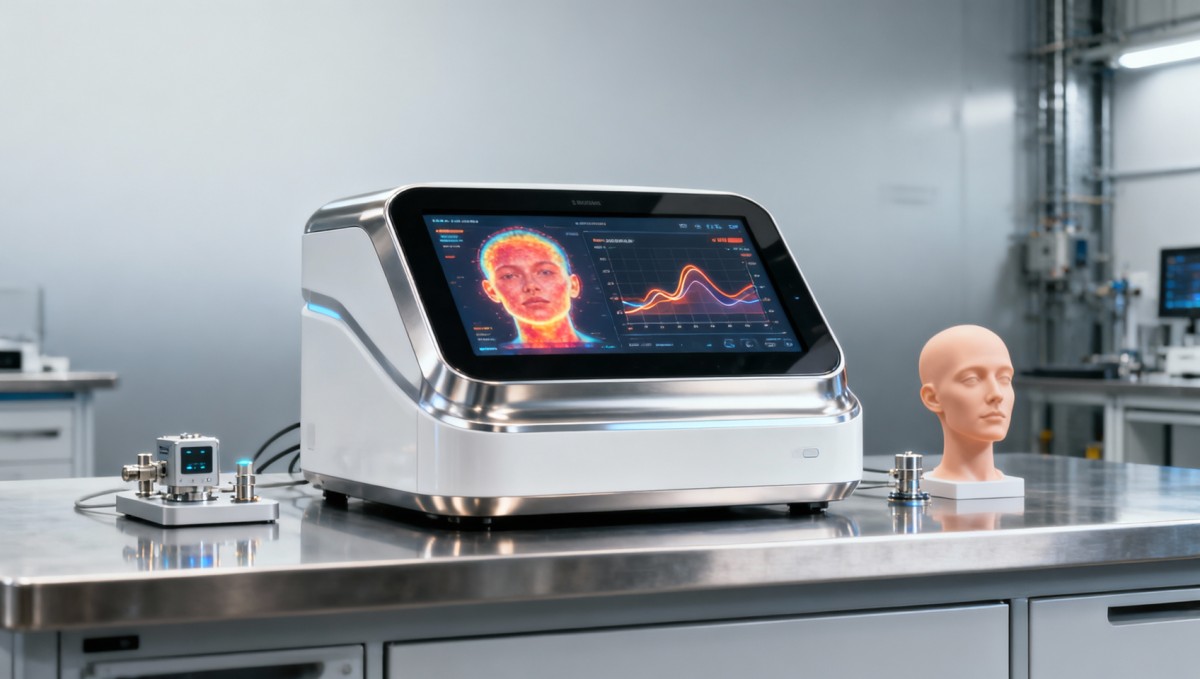
Concluding this update: the FDA’s draft guidance introduces a clear, function-based threshold for clinical validation of AI beauty devices—but it remains in draft form with a defined comment window. It is best understood not as an operational mandate at present, but as a forward-looking benchmark indicating how the FDA intends to assess AI claims in low-risk aesthetic hardware moving forward. Stakeholders are advised to treat it as a planning signal requiring targeted assessment—not a trigger for broad-scale revalidation.
Source: U.S. Food and Drug Administration (FDA), Draft Guidance Document: AI-Powered Cosmetic Devices: Clinical Validation Framework, issued May 8, 2026.
Note: Final guidance issuance date and potential revisions remain subject to ongoing public comment and internal FDA review; these aspects require continued observation.
Related Intelligence
 Skincare OEMAug 16, 2026Amazon Enforces AI Human Metadata Rule for Beauty and Personal Care SellersAmazon now enforces AI human metadata rules for beauty sellers. Learn how to protect listings, traffic, and compliance in skincare, cosmetics, and beauty devices.
 Beauty DevicesAug 15, 2026China to Roll Out Nationwide Cross-Border Cash Pooling for MultinationalsChina to roll out nationwide cross-border cash pooling for multinationals from Sept. 14. Discover how this policy could improve treasury efficiency, liquidity management, and China-linked supply chains.
 Beauty DevicesAug 14, 2026China Imposes Temporary Export Ban on Helium, Affecting Cooling Supply ChainsChina's temporary helium export ban may disrupt cooling supply chains for beauty RF devices and laser systems. Learn what ODMs, buyers, and procurement teams should check now.
![]() Cosmetics & PkgAug 13, 2026PPWR becomes mandatory: Beauty and personal care packaging materials usher in new EPR and PFAS compliance requirementsPPWR takes effect for cosmetics packaging in the EU, bringing EPR registration and PFAS limits. Learn what brands, importers, and suppliers must do now.
Cosmetics & PkgAug 13, 2026PPWR becomes mandatory: Beauty and personal care packaging materials usher in new EPR and PFAS compliance requirementsPPWR takes effect for cosmetics packaging in the EU, bringing EPR registration and PFAS limits. Learn what brands, importers, and suppliers must do now. Cosmetics & PkgAug 12, 2026EU PPWR Now Enforced for Beauty Packaging ComplianceEU PPWR now enforced for beauty packaging compliance: learn how EPR, ERN, heavy metals and PFAS rules affect EU exports, customs clearance and platform sales.
 Cosmetics & PkgAug 11, 2026EU PPWR Rules Take Effect on Aug. 12 for Beauty PackagingEU PPWR rules for beauty packaging take effect on Aug. 12, 2026. Learn key compliance steps, EPR, labeling, PFAS limits, and how to avoid customs delays and fines.
 Smart Pet DevicesAug 10, 2026EU EPR Rules to Cover Smart Pet Devices on Aug. 15EU EPR Rules will cover smart pet devices from Aug. 15, 2026. Learn how smart collars, feeders, and monitoring devices can avoid delisting, customs delays, and compliance risks in the EU.
 Infant Feeding & CareAug 09, 2026CPSC Recalls Baby Sleep Sacks Over Undeclared TDCPPCPSC Recalls Baby Sleep Sacks Over Undeclared TDCPP: learn how this 2026 recall impacts CPC documents, third-party testing, and U.S. baby product compliance for exporters.
 Infant Feeding & CareAug 08, 2026ECHA Adds 5 SVHCs, Importer Notices Due From Oct 2026ECHA adds 5 SVHCs to the Candidate List, with importer notices due from October 2026. Learn how REACH affects exporters, supply chains, and documentation readiness.
 Baby Gear & StrollersAug 07, 2026CPSC Revises Crib Rail Standard for November 2026CPSC revises crib rail standard for November 2026, adding dynamic impact tests and mandatory third-party lab testing. Learn how the new rule affects U.S. market access, compliance, and shipments.
 Electronic & RC ToysAug 06, 2026EU to Require EN IEC 62115:2025 for Electronic ToysEU to Require EN IEC 62115:2025 for Electronic Toys from Oct 1, 2026. Learn scope, battery and AI safety updates, CE compliance risks, and how exporters can avoid customs delays.
 Baby Gear & StrollersAug 05, 2026US Stroller Stability Rule Takes Effect Aug. 15US Stroller Stability Rule Takes Effect Aug. 15: learn how new U.S. stroller compliance, ASTM F833-26a, and CPSC testing rules may affect imports, certification, and shipment readiness.
 Infant Feeding & CareAug 04, 2026ECHA Adds 5 SVHCs, Triggering Baby Care Export ReviewECHA adds 5 SVHCs, prompting an urgent baby care export review for EU-bound products. Learn the 0.1% threshold risks, compliance steps, and how to avoid customs delays and fines.












