FDA Releases Final Draft AI Cosmetic Device Guidance
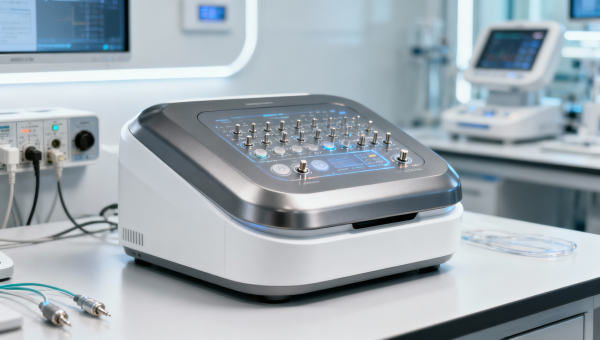
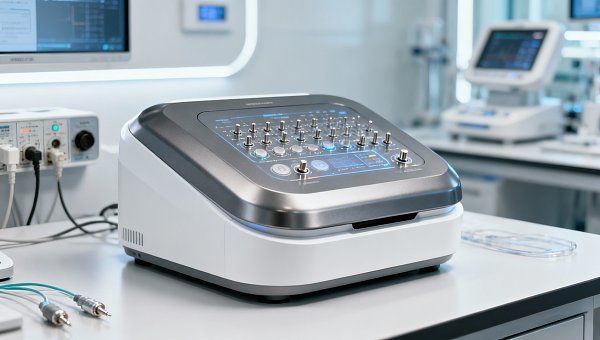
On May 15, 2026, the U.S. Food and Drug Administration (FDA) published the AI-Powered Cosmetic Devices: Clinical Validation Guidance (Final Draft). This development is of immediate relevance to manufacturers and exporters of beauty devices—particularly OEM/ODM firms in China—whose products integrate generative AI or closed-loop feedback algorithms (e.g., RF devices with AI skin analysis, microcurrent devices with real-time EMG response). The guidance introduces a new pre-submission clinical validation requirement that directly affects market access timelines and regulatory pathways.
Event Overview
On May 15, 2026, the FDA released the final draft of its AI-Powered Cosmetic Devices: Clinical Validation Guidance. The document specifies that cosmetic devices incorporating generative AI or closed-loop feedback algorithms must submit clinical-level efficacy and safety data for pre-review. As stated in the draft, failure to complete this pre-review step disqualifies applicants from using the FDA’s eSTAR submission pathway, resulting in an average delay of 8–12 weeks in review timelines.
Industries Affected
Direct Exporters and OEM/ODM Manufacturers
These entities are directly subject to the new pre-review requirement. Since the guidance applies specifically to devices with AI-driven functionality—including those designed for skin analysis or adaptive stimulation—their product registration strategy must now include clinical validation planning prior to submission. Impact manifests in extended time-to-market, increased documentation burden, and potential redesign cycles if clinical data gaps are identified late.
Contract Testing and Regulatory Support Providers
Firms offering clinical study design, ISO 13485-aligned testing, or FDA regulatory consulting services face heightened demand for AI-specific protocol development and risk-based validation support. The guidance shifts focus from general biocompatibility or usability testing toward algorithm-in-the-loop performance assessment—requiring updated technical capabilities and cross-functional expertise in both dermatology and AI validation frameworks.
Component Suppliers and AI Module Integrators
Suppliers of AI inference chips, sensor arrays, or firmware modules embedded in beauty devices may experience downstream pressure for traceability and verification documentation. While the guidance does not impose direct obligations on suppliers, OEMs will likely require documented evidence of algorithm behavior consistency, training data provenance, and update control mechanisms—impacting procurement specifications and vendor qualification processes.
What Stakeholders Should Monitor and Do Now
Track official FDA communications on eSTAR eligibility criteria
The guidance is labeled a “final draft,” not a finalized regulation. Stakeholders should monitor FDA announcements for updates on whether the pre-review requirement becomes mandatory—and whether transitional provisions apply. Current eligibility for eSTAR remains contingent on full compliance; no grandfathering clause is indicated in the published text.
Map AI functionality against defined scope in the guidance
Not all AI features trigger the requirement. Only devices with generative AI (e.g., outputting personalized treatment parameters) or closed-loop feedback (e.g., adjusting output in real time based on physiological signals) fall under the scope. Firms should conduct internal scoping reviews now to determine whether their current or planned products meet these definitions—before initiating new submissions.
Align clinical study plans with FDA-expected endpoints
The guidance references clinical-level data but does not prescribe specific trial designs. Analysis shows that FDA expectations will likely emphasize objective, device-agnostic outcome measures (e.g., blinded expert grading of skin texture, standardized EMG amplitude thresholds), rather than proprietary metrics. Preparing protocols with such endpoints—rather than relying solely on user-reported outcomes—will better position submissions for acceptance.
Update internal quality agreements with AI software vendors
Many OEMs source AI models from third-party developers. From industry perspective, contractual terms must now explicitly cover version control, retraining triggers, and audit readiness for algorithm behavior. Without such agreements, OEMs risk inability to demonstrate consistent clinical performance across device generations—a key expectation implied by the guidance’s emphasis on “algorithmic reliability.”
Editorial Perspective / Industry Observation
Observably, this guidance functions primarily as a policy signal—not yet an enforceable rule. Its “final draft” status indicates FDA is seeking further stakeholder input before formal adoption. However, the timing and specificity suggest strong intent to institutionalize clinical validation for AI-integrated cosmetics. Analysis shows this reflects a broader FDA shift toward treating AI not as a passive feature, but as an active control element requiring empirical verification. For the beauty device sector, it marks the beginning of a transition from aesthetic-device oversight to software-in-the-loop regulatory scrutiny—where clinical evidence must coexist with traditional hardware compliance.
Current more appropriate interpretation is that this is a procedural inflection point: while enforcement is pending, early alignment with the draft’s expectations reduces execution risk once the guidance is finalized. It is neither a sudden barrier nor a distant possibility—but a near-term operational pivot for export-focused manufacturers.
Conclusion
This guidance represents a formalization of clinical accountability for AI functionality in cosmetic devices. Its significance lies less in immediate legal force and more in its role as a clear directional marker: FDA is preparing to treat AI-driven adaptations as clinically consequential, not merely algorithmic enhancements. For affected stakeholders, the most rational stance is proactive alignment—not reactive compliance. That means treating the draft as a de facto benchmark for submission readiness, especially for products targeting U.S. market entry in 2026 and beyond.
Information Sources
Main source: U.S. FDA official notice, AI-Powered Cosmetic Devices: Clinical Validation Guidance (Final Draft), issued May 15, 2026.
Note: Status of finalization, effective date, and potential revisions remain under observation and are not confirmed at time of publication.
Related Intelligence
 Nursery Furniture & MonitorsMay 15, 2026Vietnam MFDS Grants EMC Waiver for Smart Baby MonitorsVietnam MFDS grants EMC waiver for smart baby monitors—speed up Vietnam market entry! Compliant with IEC 62368-1:2026 & GDPR data standards.
 Baby Gear & StrollersMay 15, 2026Ningbo Port Launches 'Green Clearance Code' for Infant ProductsNingbo Port's 'Green Clearance Code' for infant products accelerates customs clearance to 17 mins—ensuring GB 31701-2026 compliance with real-time QR verification. Act now!
 Camping & WaterMay 15, 2026CPSC Launches Aluminum Migration Sweep for Camping CookwareCPSC's Aluminum Migration Sweep targets camping cookware — act now to avoid $15K penalties & port detention. Learn compliance steps for ASTM F2200-25 testing.
 Smart Pet DevicesMay 15, 2026RCEP Upgrade Protocol Enters into Force for CambodiaRCEP Upgrade Protocol now in force for Cambodia—smart pet health monitoring devices (HS 8543.70.90) qualify for zero tariffs. Boost competitiveness, cut landed costs by 12–18%, and optimize cross-border logistics today.
 Nursery Furniture & MonitorsMay 15, 2026Ho Chi Minh Port Launches Green Lane for Smart Baby MonitorsSmart baby monitors with Wi-Fi/Bluetooth now clear Ho Chi Minh Port in under 4 hours via the new Green Lane—IEC 62368-1 & GDPR compliance required.
 STEM & Educational ToysMay 15, 2026EU CE Update: STEM Toys with Voice AI Must Pass Anti-Inducement TestingSTEM toys with voice AI must now pass EU CE anti-inducement testing (EN IEC 62115-2:2026 Annex F) — avoid delays, recalls & failed certifications. Act before May 2026!
 Beauty DevicesMay 15, 2026FDA Releases Final Draft AI Cosmetic Device GuidanceFDA's new AI cosmetic device guidance demands clinical validation for AI-powered beauty devices—key for OEMs, exporters & AI module suppliers targeting US market entry in 2026+.
 Cosmetics & PkgMay 15, 2026Link Acquisition Tactics for Cosmetics Packaging BrandsLink acquisition strategies for cosmetics packaging brands in travel services: earn authoritative links, build buyer trust, boost visibility, and win more hotel, airport, and duty-free sourcing opportunities.
 Pet Grooming & TravelMay 15, 2026Consumer Intelligence for Better Pet Travel Product MixConsumer intelligence helps travel businesses build a smarter pet travel product mix, improve safety and compliance, reduce returns, and meet real traveler needs with confidence.
 Corporate & Seasonal GiftsMay 15, 2026Brand Trends to Watch in Corporate Gift SourcingBrand trends are reshaping corporate gift sourcing in travel services. Discover how personalization, sustainability, compliance, and faster fulfillment help buyers build smarter, higher-impact programs.
 Nursery Furniture & MonitorsMay 15, 2026Algorithmic Trust in Smart Nursery Monitor SelectionAlgorithmic trust helps travel service teams choose smart nursery monitors with confidence—compare safety, compliance, supplier credibility, and real-world performance for smarter sourcing.
 Camping & WaterMay 15, 2026Supply Chain Trends Affecting Camping Gear Lead TimesSupply chain trends are reshaping camping gear lead times. Learn how travel-service buyers can reduce delays, protect margins, and keep seasonal launches on track.
 Activewear OEMMay 15, 2026Supply Insights for Cost Control in Activewear OEMSupply insights help finance teams control activewear OEM costs tied to travel service demand. Discover smarter sourcing, compliance, and margin protection strategies.