Ningbo Port Launches 'Green Clearance Code' for Infant Products
Ningbo-Zhoushan Port launched the 'Infant Product Green Clearance Code' system on May 14, 2026 — a regulatory-tech initiative directly tied to the enforcement of GB 31701-2026, the newly effective Technical Specification for Safety of Infant and Children’s Textile Products. The measure targets import/export efficiency and compliance assurance across China’s infant and toddler product supply chain, marking one of the first port-level digital verification mechanisms aligned with a full-scope national safety standard.
Event Overview
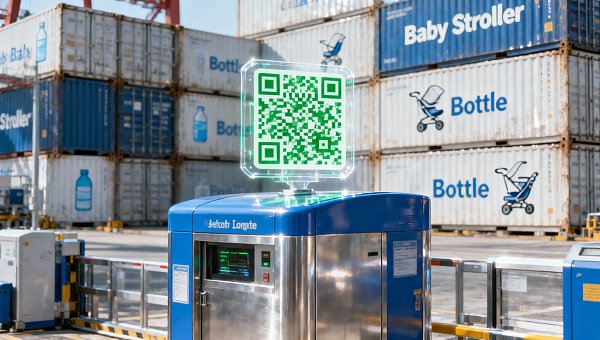
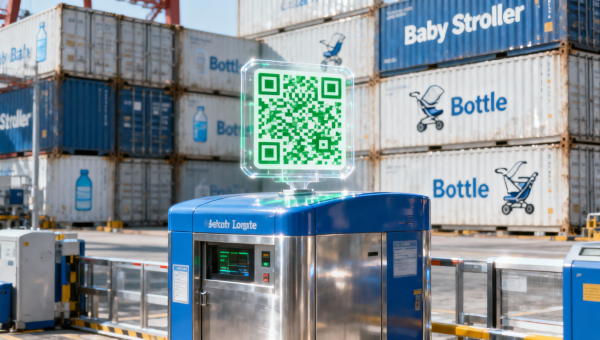
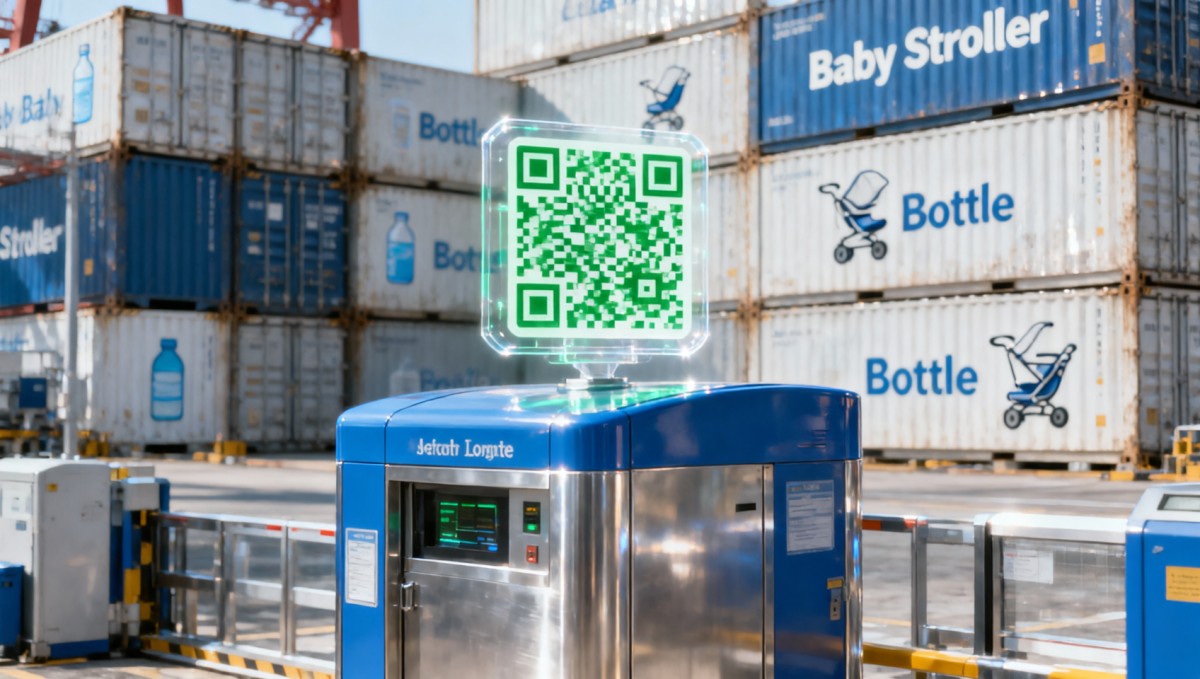
On May 14, 2026, Ningbo-Zhoushan Port rolled out the 'Infant Product Green Clearance Code' system, covering all categories of infant and toddler goods including baby strollers, baby bottles, and pacifiers. Enterprises uploading complete test reports confirming full compliance with GB 31701-2026 are automatically verified by the system and issued a scannable QR code. At customs inspection points, scanning the code triggers immediate release. Average clearance time dropped from 3.2 days to 17 minutes.
Industries Affected
Direct trading enterprises face both opportunity and operational pressure: while faster clearance reduces inventory holding costs and improves order responsiveness, they now bear primary responsibility for ensuring upstream lab testing covers all GB 31701-2026 requirements — including new provisions on heavy metal migration limits, formaldehyde thresholds, and flame retardancy for non-textile components (e.g., silicone bottle nipples). Non-compliant submissions trigger system rejection, not rework — meaning delayed shipments without recourse.
Raw material procurement enterprises must adapt sourcing criteria: GB 31701-2026 expands material-level safety stipulations beyond textiles to include plastics, elastomers, and coatings used in infant products. Suppliers of silicone, polypropylene, or TPE now require certified batch-level test data traceable to GB 31701-2026 Annex A–F, not just general RoHS or REACH reports. Procurement contracts increasingly mandate pre-shipment verification of this alignment.
Manufacturing enterprises experience intensified internal compliance workflows. The green code system does not replace factory audits but shifts risk exposure upstream: manufacturers supplying OEM/ODM brands must now generate and retain full GB 31701-2026 test documentation per SKU — including colorway-specific fabric batches and component substitutions. This raises QA staffing needs and may compress production lead times if testing labs face capacity constraints.
Supply chain service providers, particularly those offering customs brokerage, logistics coordination, or compliance consulting, see demand shift toward integrated verification support. Standalone document filing is no longer sufficient; clients now require end-to-end assistance — from test report gap analysis and lab coordination to real-time portal integration and QR code status monitoring. Providers lacking API-level compatibility with Ningbo Port’s clearance platform report early client attrition.
Key Considerations and Recommended Actions
Verify test scope against GB 31701-2026’s expanded annexes
GB 31701-2026 introduces six technical annexes covering non-fabric materials, composite structures, and age-tiered mechanical requirements. Enterprises must confirm lab reports explicitly reference each applicable annex — not merely state ‘GB 31701 compliance’. Generic certificates will fail automated validation.
Implement SKU-level compliance tracking
Each variant (e.g., stroller with different canopy fabric or frame finish) requires its own validated test report. Batch-level reporting or family-level certifications are insufficient. ERP or PLM systems should tag SKUs with test report IDs, expiry dates, and annex coverage flags.
Engage accredited labs with GB 31701-2026 endorsement
Only CNAS-accredited labs authorized for GB 31701-2026 testing (per CNCA Notice No. 2025-08) generate accepted reports. Pre-qualify labs using the CNCA public registry — third-party lab directories without official accreditation status are unreliable.
Prepare for phased port rollout
While launched at Ningbo-Zhoushan Port, customs authorities have indicated the green code model will expand to Shanghai Yangshan and Guangzhou Nansha ports by Q4 2026. Early adopters gain operational familiarity and process refinement time before mandatory adoption elsewhere.
Editorial Perspective / Industry Observation
Analysis shows this is less a standalone customs optimization and more a structural calibration of regulatory enforcement: the green code system externalizes compliance verification from manual customs review into a vendor-managed, standards-gated workflow. Observably, it accelerates the de facto shift from ‘compliance as documentation’ to ‘compliance as embedded data’. From an industry perspective, the 17-minute clearance benchmark sets a new performance expectation — not just for infant goods, but for other high-safety categories (e.g., medical devices, children’s furniture) where similar digital gateways are under inter-ministerial discussion. Current evidence suggests the model succeeds only when test standards are unambiguous, lab capacity is adequate, and enterprise IT systems can interface with port platforms — gaps that persist unevenly across SMEs.
Conclusion
The Ningbo Port green clearance code signals a maturing phase in China’s regulatory infrastructure: one where technical standards, digital verification, and border logistics converge to enforce safety outcomes — not just procedural adherence. For global suppliers, it reinforces that GB 31701-2026 is no longer a static specification but an operational trigger. A rational interpretation is that competitiveness in this segment will increasingly hinge on compliance agility — measured in hours, not weeks.
Source Attribution
Official announcement: Ningbo-Zhoushan Port Group Press Release, May 14, 2026.
Regulatory basis: GB 31701-2026, published by Standardization Administration of China (SAC), effective May 1, 2026.
Implementation guidance: General Administration of Customs of China (GACC) Circular No. GACC-2026-023, issued May 10, 2026.
Note: Lab accreditation lists and real-time green code portal access remain subject to updates by CNCA and Ningbo Port IT department — ongoing monitoring recommended.
Related Intelligence
 Nursery Furniture & MonitorsMay 15, 2026Vietnam MFDS Grants EMC Waiver for Smart Baby MonitorsVietnam MFDS grants EMC waiver for smart baby monitors—speed up Vietnam market entry! Compliant with IEC 62368-1:2026 & GDPR data standards.
 Baby Gear & StrollersMay 15, 2026Ningbo Port Launches 'Green Clearance Code' for Infant ProductsNingbo Port's 'Green Clearance Code' for infant products accelerates customs clearance to 17 mins—ensuring GB 31701-2026 compliance with real-time QR verification. Act now!
 Camping & WaterMay 15, 2026CPSC Launches Aluminum Migration Sweep for Camping CookwareCPSC's Aluminum Migration Sweep targets camping cookware — act now to avoid $15K penalties & port detention. Learn compliance steps for ASTM F2200-25 testing.
 Smart Pet DevicesMay 15, 2026RCEP Upgrade Protocol Enters into Force for CambodiaRCEP Upgrade Protocol now in force for Cambodia—smart pet health monitoring devices (HS 8543.70.90) qualify for zero tariffs. Boost competitiveness, cut landed costs by 12–18%, and optimize cross-border logistics today.
 Nursery Furniture & MonitorsMay 15, 2026Ho Chi Minh Port Launches Green Lane for Smart Baby MonitorsSmart baby monitors with Wi-Fi/Bluetooth now clear Ho Chi Minh Port in under 4 hours via the new Green Lane—IEC 62368-1 & GDPR compliance required.
 STEM & Educational ToysMay 15, 2026EU CE Update: STEM Toys with Voice AI Must Pass Anti-Inducement TestingSTEM toys with voice AI must now pass EU CE anti-inducement testing (EN IEC 62115-2:2026 Annex F) — avoid delays, recalls & failed certifications. Act before May 2026!
 Beauty DevicesMay 15, 2026FDA Releases Final Draft AI Cosmetic Device GuidanceFDA's new AI cosmetic device guidance demands clinical validation for AI-powered beauty devices—key for OEMs, exporters & AI module suppliers targeting US market entry in 2026+.
 Cosmetics & PkgMay 15, 2026Link Acquisition Tactics for Cosmetics Packaging BrandsLink acquisition strategies for cosmetics packaging brands in travel services: earn authoritative links, build buyer trust, boost visibility, and win more hotel, airport, and duty-free sourcing opportunities.
 Pet Grooming & TravelMay 15, 2026Consumer Intelligence for Better Pet Travel Product MixConsumer intelligence helps travel businesses build a smarter pet travel product mix, improve safety and compliance, reduce returns, and meet real traveler needs with confidence.
 Corporate & Seasonal GiftsMay 15, 2026Brand Trends to Watch in Corporate Gift SourcingBrand trends are reshaping corporate gift sourcing in travel services. Discover how personalization, sustainability, compliance, and faster fulfillment help buyers build smarter, higher-impact programs.
 Nursery Furniture & MonitorsMay 15, 2026Algorithmic Trust in Smart Nursery Monitor SelectionAlgorithmic trust helps travel service teams choose smart nursery monitors with confidence—compare safety, compliance, supplier credibility, and real-world performance for smarter sourcing.
 Camping & WaterMay 15, 2026Supply Chain Trends Affecting Camping Gear Lead TimesSupply chain trends are reshaping camping gear lead times. Learn how travel-service buyers can reduce delays, protect margins, and keep seasonal launches on track.
 Activewear OEMMay 15, 2026Supply Insights for Cost Control in Activewear OEMSupply insights help finance teams control activewear OEM costs tied to travel service demand. Discover smarter sourcing, compliance, and margin protection strategies.