
International retail trends changing beauty device price bands
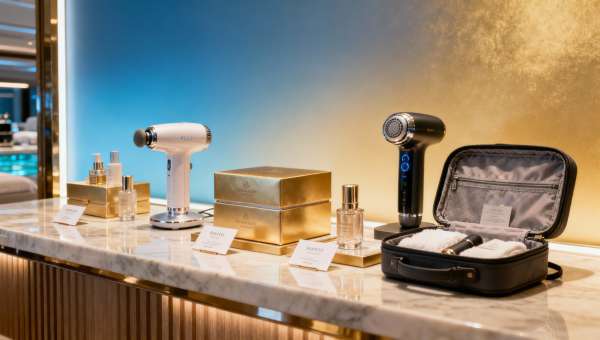
International retail shifts are redefining beauty device price bands, forcing buyers to balance international supply, product safety standards, and fast-changing consumer demand. Backed by retail analysis, retail data, and supply chain research, this article explores how brand supply strategies, product regulations, and international retail dynamics influence pricing decisions, sourcing risk, and margin opportunities for global procurement and business teams.
For travel service businesses, this topic is no longer limited to retail shelves. Hotels, resorts, airport wellness lounges, cruise operators, destination spas, and medical tourism facilitators increasingly evaluate beauty devices as part of guest experience, premium room packages, spa treatment menus, and retail upsell programs. As international price bands shift, buyers in travel service organizations must judge not only unit cost, but also service suitability, compliance exposure, replacement cycles, and total margin impact.
That makes pricing intelligence commercially important across multiple teams. Procurement teams need clearer landed-cost assumptions. Finance approvers need visibility on payback periods. Quality and safety managers must assess certification readiness. Project leaders need delivery timelines that align with seasonal occupancy peaks. Distributors and travel retail partners need pricing structures that support both B2B contracts and end-customer resale.
Why beauty device price bands now matter in travel service procurement
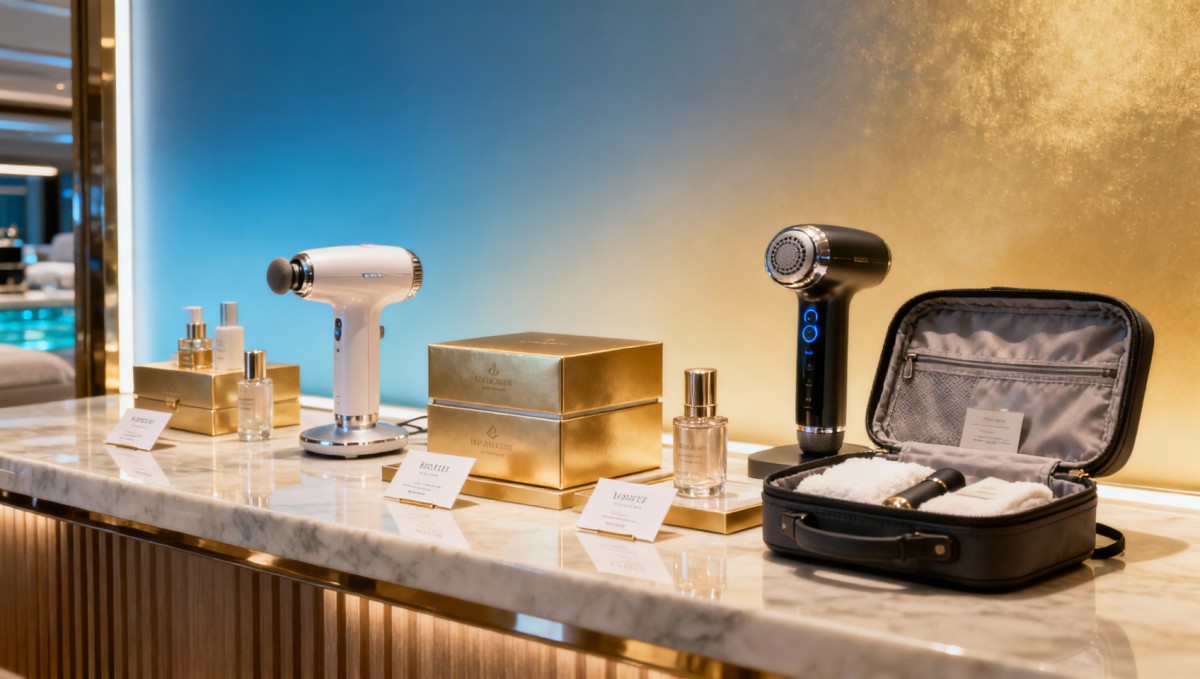
Beauty devices in travel service settings typically fall into 3 commercial use cases: in-room guest amenities, therapist-operated spa equipment, and retail merchandise sold through hotel boutiques or duty-free-style channels. Each use case responds differently to international retail trends. A compact facial tool priced at US$18–35 ex-factory may work for room upgrade kits, while a professional skin treatment device in the US$120–300 range may need stronger training, maintenance, and safety review.
The challenge is that global price bands are shifting from both ends. Entry-level products face margin pressure from freight volatility, packaging upgrades, and compliance requirements. Mid-range products are being squeezed by feature competition, especially where Bluetooth, LED, microcurrent, or heating functions are becoming standard rather than premium. At the high end, travel service operators are seeing guest expectations rise faster than resale prices, narrowing return on investment windows from 18 months to 9–12 months in some hospitality formats.
For travel service buyers, price-band analysis is not just about finding the cheapest vendor. It is about matching price level to guest profile, property tier, treatment model, and operational workload. A luxury resort may justify higher device acquisition cost if the device supports a 20–30 minute add-on service with measurable upsell potential. A business hotel chain may prefer lower-risk SKUs with 6–9 month replenishment cycles and simple multilingual instructions.
International sourcing also affects service quality. If a property group standardizes beauty devices across 15 or more locations, the difference between a US$6 landed-cost increase and a US$14 increase can materially alter package pricing, spa menu structure, or retail margins. In travel service environments, even small cost changes can influence whether a device is positioned as a complimentary amenity, a paid premium service, or a resale item.
Key demand drivers inside tourism and hospitality
Several travel service trends are pushing beauty devices into more active procurement plans. Wellness tourism continues to broaden beyond traditional spa treatments, while premium travelers increasingly expect measurable self-care options during short stays of 2–5 nights. Properties are also using beauty technology to differentiate package offers without major renovation costs.
- Hotels are bundling facial or scalp-care devices into executive suites, wellness floors, and bridal packages.
- Resort spas are testing portable devices that shorten treatment time by 10–15 minutes while preserving a premium feel.
- Cruise and airport lounge operators favor compact devices with lower training demands and clear hygiene protocols.
- Travel retail channels prefer products with visible value at the US$39, US$79, and US$149 consumer price points.
How international retail trends are shifting price architecture
Price architecture in beauty devices is being reshaped by four global retail forces: feature normalization, regulatory cost loading, regional demand fragmentation, and shorter merchandising cycles. For travel service companies, these changes affect both procurement timing and service design. A device that sat comfortably in the mid-market segment 18 months ago may now be perceived as entry level if competing products add LED modes, faster charging, improved packaging, or app-based guidance.
Another important shift is the gap between retail presentation price and operational ownership cost. Travel service operators often focus on invoice price, yet international retail dynamics add hidden layers such as spare-unit planning, multilingual packaging, guest misuse risk, accessories replacement, and local certification checks. In practical terms, a device with a 12% lower purchase price can still be the more expensive option if return rates exceed 3%–5% or if charging accessories fail under repeated hospitality use.
The table below shows how common retail trends alter price bands when products are evaluated for tourism and hospitality settings rather than pure consumer retail. The commercial meaning changes because guest experience, training, hygiene, and property-level consistency all carry cost implications.
The main takeaway is that price bands are no longer stable reference points. In travel service, procurement teams need to map each device against guest-facing value, operating frequency, training needs, and resale potential. That is especially relevant for buyers managing mixed portfolios across hotels, spas, and tourism retail channels.
H4-level procurement checkpoints before approving a new band
Check total cost, not ex-factory price only
Include shipping mode, power adapter specification, user manuals, display packaging, replacement heads, and after-sales process. A realistic hospitality procurement review usually includes at least 6 cost elements beyond the base unit quote.
Check service lifespan under frequent use
Consumer devices promoted for weekly household use may perform differently in a spa with 4–8 sessions per day. This can move a low-price choice into a high-cost maintenance category within one operating quarter.
Choosing the right price band for hotels, resorts, spas, and travel retail
Different travel service formats require different pricing logic. A boutique hotel selling wellness gift kits may prioritize attractive retail markups and low breakage risk. A destination spa may focus on treatment credibility, therapist handling comfort, and stable output over 12 months. Airport retail operators often need faster inventory turnover and universally understandable packaging. As a result, there is no single ideal price band across the tourism sector.
A practical way to select price bands is to divide the buying decision into four layers: guest expectation, operating intensity, compliance exposure, and monetization model. If all four are aligned, the procurement decision becomes much clearer. If one layer is ignored, apparent savings can quickly disappear through returns, underuse, or guest dissatisfaction.
The comparison below can help travel service teams identify which pricing zone fits different property and channel strategies. The figures are not fixed market quotations, but commonly used planning ranges for category evaluation and internal budgeting.
This comparison shows that higher price does not automatically mean better fit. In travel service, the most profitable band is often the one that best supports repeatability and guest understanding. A well-positioned US$60 product may outperform a US$140 alternative if staff onboarding takes 1 hour instead of 4 and sell-through is materially stronger.
Selection criteria for cross-functional buying teams
- Define whether the device is for service delivery, guest self-use, or retail resale. This sets different safety and training thresholds.
- Estimate monthly usage per property. A range of 50, 200, or 800 uses per month changes replacement planning and accessory consumption.
- Set an acceptable payback period. Many hospitality buyers target 2 seasonal cycles or less for new wellness hardware.
- Review country-by-country plug, voltage, labeling, and documentation requirements before finalizing assortment.
Supply chain, compliance, and quality controls that protect margin
In tourism and hospitality, beauty device pricing cannot be separated from compliance and quality control. Travel service operators face a unique exposure: products are often handled by multiple guests, multiple staff members, and sometimes across multiple jurisdictions. A low-cost sourcing decision can create service disruption if safety files, user instructions, sanitation compatibility, or spare-parts planning are weak.
Procurement leaders should therefore evaluate suppliers on three levels. First, can the supplier support the required market certifications and packaging documents? Second, can they maintain consistent quality across repeat orders, especially when a tourism group scales from a pilot of 200 units to a rollout of 2,000 units? Third, can they communicate quickly when components, batteries, or materials change? These questions directly affect the stability of price bands over time.
The quality-control workflow below is especially useful for hotel groups, spa chains, and distributors serving travel service accounts. It helps buyers move beyond quotation comparison and into risk-managed sourcing decisions.
The commercial lesson is straightforward: protecting margin requires disciplined operational checks. For travel service organizations, quality control is not a back-office function. It is part of guest satisfaction, online review protection, and contract reliability with distribution partners.
Common sourcing mistakes in tourism applications
- Buying consumer-grade devices for repeated professional treatment use without testing duty cycle.
- Ignoring multilingual instruction needs for international guests and seasonal staff teams.
- Approving attractive samples without confirming batch consistency or accessory availability.
- Setting retail pricing before calculating local tax, freight, returns, and replacement stock.
Implementation roadmap and FAQ for travel service teams
Once price bands are understood, the next step is controlled implementation. Travel service businesses should avoid full-property rollouts without a pilot stage. A 30–90 day pilot across 1 to 3 locations usually provides enough insight on guest adoption, staff usability, sanitation workflow, and attachment rate. This is particularly important for spa programs, room-package upgrades, and retail sell-through plans.
A useful rollout model has 5 steps: shortlist suppliers, test samples, validate documents, launch a pilot, and then scale with clear reorder triggers. Reorder planning should be tied to occupancy pattern, treatment demand, and promotional calendar. For example, a resort preparing for a high season in 10 weeks may need to finalize supplier selection in week 1–2, sampling in week 3–4, compliance review in week 5, and production placement by week 6.
This phased approach also helps finance teams make better decisions. Instead of treating beauty devices as a simple merchandise expense, they can be assessed as revenue-supporting service assets with measurable contribution to average guest spend, package conversion, or ancillary wellness income.
How should a hotel or resort decide between amenity use and resale?
Start with guest profile and expected interaction time. If the device can be understood in under 3 minutes and supports a visible self-care benefit, amenity placement may work. If explanation, packaging, and gifting value are stronger than actual in-room use, retail resale is often better. Many operators test both paths with a pilot ratio such as 70% resale and 30% package inclusion.
What delivery timeline is realistic for international beauty device sourcing?
For standard configurations, planning 4–8 weeks is common, while customized packaging or multilingual inserts can extend the process to 8–12 weeks. Travel service operators should add extra time before holiday peaks, major events, or cruise deployment windows. Urgent launches without timeline buffer often lead to avoidable pricing pressure.
Which metrics matter most during a pilot?
Track at least 4 operational indicators: usage rate, guest feedback, staff handling time, and failure or complaint rate. Retail channels should also monitor conversion rate and markdown dependency. These indicators reveal whether the selected price band is commercially sustainable in a travel service environment.
How can distributors support travel service buyers more effectively?
Distributors can improve conversion by offering curated assortments by property tier, sample kits for 2–3 use cases, and simplified compliance packs. They should also prepare after-sales guidance for property staff, not only for head-office buyers. In tourism, channel support is strongest when commercial and operational information are packaged together.
International retail trends are clearly changing beauty device price bands, but for travel service businesses the real issue is strategic fit. The best sourcing decision balances product position, guest experience, regulatory readiness, replacement planning, and margin logic across hotels, spas, resorts, travel retail, and wellness tourism channels.
Global Consumer Sourcing helps procurement teams, quality managers, distributors, and business decision-makers read these shifts with more precision. If you are evaluating beauty devices for hospitality, tourism retail, or wellness service expansion, now is the time to compare price bands against operational reality, not invoice price alone.
Contact us to discuss your sourcing priorities, request a tailored evaluation framework, or explore more solutions for compliant, margin-focused product selection in global travel service channels.
Related Intelligence
 Skincare OEMAug 16, 2026Amazon Enforces AI Human Metadata Rule for Beauty and Personal Care SellersAmazon now enforces AI human metadata rules for beauty sellers. Learn how to protect listings, traffic, and compliance in skincare, cosmetics, and beauty devices.
 Beauty DevicesAug 15, 2026China to Roll Out Nationwide Cross-Border Cash Pooling for MultinationalsChina to roll out nationwide cross-border cash pooling for multinationals from Sept. 14. Discover how this policy could improve treasury efficiency, liquidity management, and China-linked supply chains.
 Beauty DevicesAug 14, 2026China Imposes Temporary Export Ban on Helium, Affecting Cooling Supply ChainsChina's temporary helium export ban may disrupt cooling supply chains for beauty RF devices and laser systems. Learn what ODMs, buyers, and procurement teams should check now.
![]() Cosmetics & PkgAug 13, 2026PPWR becomes mandatory: Beauty and personal care packaging materials usher in new EPR and PFAS compliance requirementsPPWR takes effect for cosmetics packaging in the EU, bringing EPR registration and PFAS limits. Learn what brands, importers, and suppliers must do now.
Cosmetics & PkgAug 13, 2026PPWR becomes mandatory: Beauty and personal care packaging materials usher in new EPR and PFAS compliance requirementsPPWR takes effect for cosmetics packaging in the EU, bringing EPR registration and PFAS limits. Learn what brands, importers, and suppliers must do now. Cosmetics & PkgAug 12, 2026EU PPWR Now Enforced for Beauty Packaging ComplianceEU PPWR now enforced for beauty packaging compliance: learn how EPR, ERN, heavy metals and PFAS rules affect EU exports, customs clearance and platform sales.
 Cosmetics & PkgAug 11, 2026EU PPWR Rules Take Effect on Aug. 12 for Beauty PackagingEU PPWR rules for beauty packaging take effect on Aug. 12, 2026. Learn key compliance steps, EPR, labeling, PFAS limits, and how to avoid customs delays and fines.
 Smart Pet DevicesAug 10, 2026EU EPR Rules to Cover Smart Pet Devices on Aug. 15EU EPR Rules will cover smart pet devices from Aug. 15, 2026. Learn how smart collars, feeders, and monitoring devices can avoid delisting, customs delays, and compliance risks in the EU.
 Infant Feeding & CareAug 09, 2026CPSC Recalls Baby Sleep Sacks Over Undeclared TDCPPCPSC Recalls Baby Sleep Sacks Over Undeclared TDCPP: learn how this 2026 recall impacts CPC documents, third-party testing, and U.S. baby product compliance for exporters.
 Infant Feeding & CareAug 08, 2026ECHA Adds 5 SVHCs, Importer Notices Due From Oct 2026ECHA adds 5 SVHCs to the Candidate List, with importer notices due from October 2026. Learn how REACH affects exporters, supply chains, and documentation readiness.
 Baby Gear & StrollersAug 07, 2026CPSC Revises Crib Rail Standard for November 2026CPSC revises crib rail standard for November 2026, adding dynamic impact tests and mandatory third-party lab testing. Learn how the new rule affects U.S. market access, compliance, and shipments.
 Electronic & RC ToysAug 06, 2026EU to Require EN IEC 62115:2025 for Electronic ToysEU to Require EN IEC 62115:2025 for Electronic Toys from Oct 1, 2026. Learn scope, battery and AI safety updates, CE compliance risks, and how exporters can avoid customs delays.
 Baby Gear & StrollersAug 05, 2026US Stroller Stability Rule Takes Effect Aug. 15US Stroller Stability Rule Takes Effect Aug. 15: learn how new U.S. stroller compliance, ASTM F833-26a, and CPSC testing rules may affect imports, certification, and shipment readiness.
 Infant Feeding & CareAug 04, 2026ECHA Adds 5 SVHCs, Triggering Baby Care Export ReviewECHA adds 5 SVHCs, prompting an urgent baby care export review for EU-bound products. Learn the 0.1% threshold risks, compliance steps, and how to avoid customs delays and fines.












