
Artisanal Gifts vs Mass Gifts: Which Fits Better
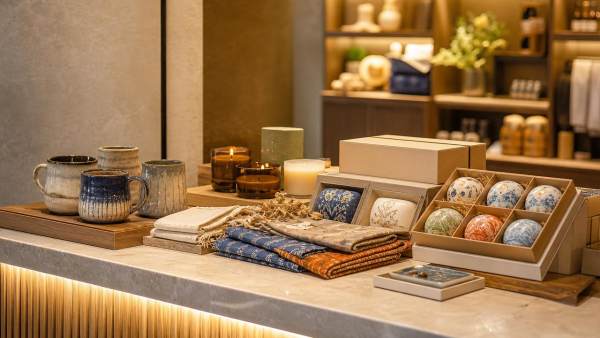
When evaluating product strategies in the travel services market, the choice between artisanal gifts and mass-produced options can shape brand perception, customer loyalty, and supply flexibility. For travel-facing retail programs, welcome packs, hotel boutiques, destination stores, and tour-related merchandise, the right gift strategy affects not only unit cost but also guest memory, review quality, and repeat purchase intent. In a market where travelers increasingly value local culture, sustainability, and meaningful experiences, understanding when artisanal gifts outperform mass gifts—and when they do not—creates a practical advantage for long-term assortment planning.
Why the decision matters in travel service scenarios
Travel services operate in a highly emotional purchase environment. A souvenir, in-room gift, event giveaway, or destination-themed retail item is rarely judged by price alone. It is measured against the experience itself: Was the trip memorable? Did the product reflect the place? Did it feel generic or thoughtfully selected? This is where artisanal gifts gain strategic relevance. They often carry a stronger sense of origin, craftsmanship, and storytelling, which can reinforce the value of a trip or hospitality package.
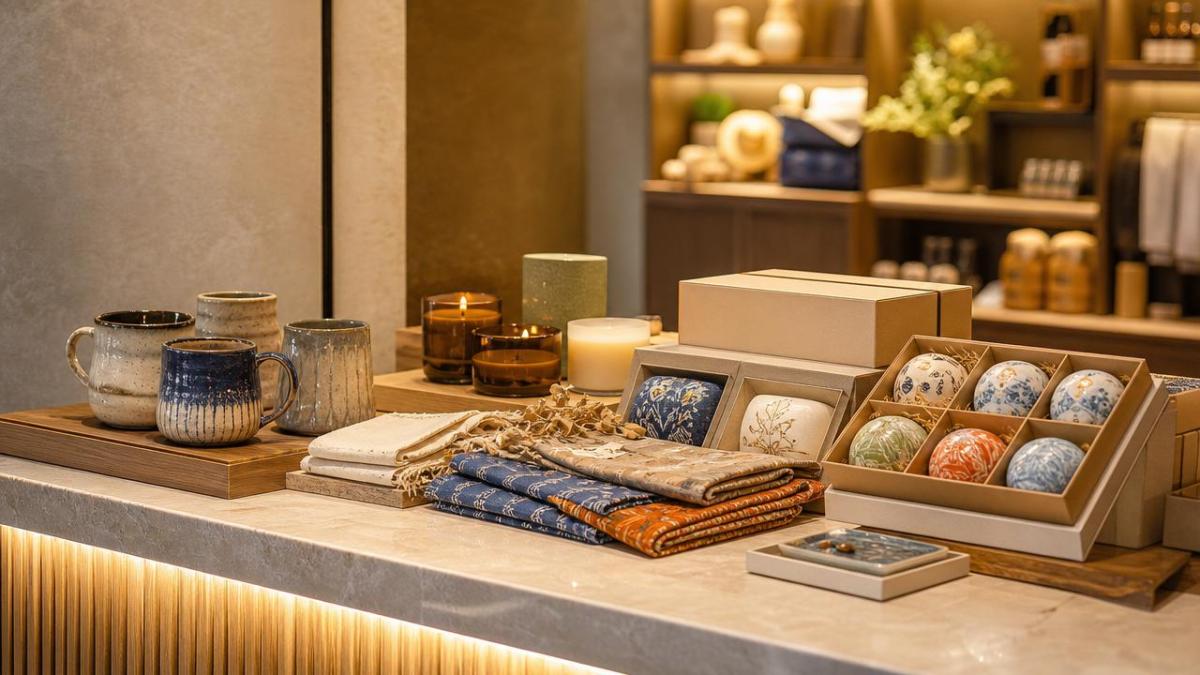
At the same time, mass gifts remain important in many travel settings. Large visitor volumes, seasonal peaks, fast replenishment needs, and fixed promotional budgets can make standardized items more practical. The smarter question is not whether artisanal gifts are always better, but which option fits a specific service scenario better. In travel, fit is determined by guest expectations, sales velocity, localization goals, compliance requirements, and the level of premium positioning a brand wants to communicate.
Scenario 1: Boutique hotels and premium stays often benefit from artisanal gifts
In boutique hotels, luxury villas, heritage resorts, and curated wellness retreats, guests usually expect a personalized and place-based experience. In these settings, artisanal gifts can strengthen the emotional value of the stay. A hand-poured candle inspired by the local landscape, a small-batch tea blend, or a handcrafted textile accessory can make the guest feel that the property has invested in authenticity rather than convenience.
The core judgment point here is alignment with premium storytelling. If the travel service is selling uniqueness, culture, exclusivity, or wellness, mass gifts may weaken the brand message. Artisanal gifts also tend to perform better in guest-generated content because they photograph well and invite explanation. That supports social visibility and word-of-mouth, especially when the gift has a visible local narrative attached to it.
Key fit signals in premium hospitality
- The property promotes local culture or destination immersion.
- Average booking value is high enough to absorb higher unit cost.
- Guests expect memorable, shareable details.
- Low-volume, high-impact gifting matters more than large-scale distribution.
Scenario 2: Airport retail, theme attractions, and high-footfall tourism may favor mass gifts
High-traffic environments operate under different pressure. Airport shops, cruise terminals, amusement destinations, city sightseeing hubs, and large attraction exits need broad appeal, stable pricing, and rapid stock turnover. In these scenarios, mass gifts often fit better because they are easier to restock, easier to standardize, and less vulnerable to artisan capacity limits.
This does not mean authenticity disappears. It means the authentic element may need to be translated into packaging, print design, destination graphics, or curated collections instead of fully handcrafted production. If a location serves thousands of travelers daily, relying only on artisanal gifts can create supply gaps during peak periods. Lost sales, inconsistent quality, and delayed replenishment can hurt customer experience more than a well-designed mass item would.
The judgment point in this scenario is operational consistency. When visitor demand is volatile and inventory planning must remain predictable, mass gifts usually protect margin and service reliability better than purely artisanal assortments.
Scenario 3: Cultural tours, destination programs, and experiential travel can use artisanal gifts as value amplifiers
Experiential travel programs—such as culinary journeys, eco-tourism itineraries, craft workshops, wine routes, and heritage excursions—are especially suitable for artisanal gifts. In these contexts, the gift is not a separate retail object; it becomes part of the story. A hand-finished notebook from a local maker, a regional food item from a certified producer, or a small artisan-made keepsake can extend the experience beyond the itinerary itself.
The strongest advantage here is perceived value. Travelers in experience-led segments often pay for meaning, not just convenience. Artisanal gifts can deepen satisfaction because they reflect curation and cultural intelligence. They also support upselling opportunities, such as limited-edition bundles, themed gift sets, or post-trip reorder channels. In these travel service settings, a higher unit cost can be justified if the gift increases the overall package value and strengthens trip recall.
How scenario needs differ: artisanal gifts vs mass gifts
Practical selection advice for travel service assortments
A balanced approach often performs best. Instead of choosing only one side, many travel programs gain stronger results from a tiered product strategy. Artisanal gifts can anchor premium moments, while mass gifts support volume-driven needs. This lets a travel brand preserve authenticity without losing supply flexibility.
- Use artisanal gifts for high-emotion touchpoints: VIP check-ins, honeymoon packages, curated tour upgrades, or signature welcome amenities.
- Use mass gifts for high-volume channels: conference travel kits, large-group departures, attraction gift shops, or promotional campaigns.
- Build destination storytelling into both: even mass gifts can perform better when packaging, origin notes, or visual identity feel place-specific.
- Protect compliance and usability: food, cosmetics, children’s items, and travel accessories should meet relevant labeling and safety expectations in target markets.
- Test margin by scenario, not by product category alone: a higher-priced artisanal item may still generate better net value if it improves package conversion or guest retention.
Common mistakes when judging artisanal gifts in tourism
One common mistake is assuming artisanal gifts automatically mean better guest response. If the item is beautiful but impractical for travelers to carry, fragile in transit, or poorly packaged for airport security and luggage constraints, its emotional value may not translate into customer satisfaction. In travel services, portability matters as much as appearance.
Another frequent error is underestimating replenishment complexity. Seasonal tourism spikes can overwhelm small-batch production. Without demand forecasting, backup sources, or clear lead-time planning, a program built around artisanal gifts may face stockouts right when demand is strongest. On the other side, relying too heavily on mass gifts can create a forgettable retail mix that weakens destination differentiation.
A third oversight is ignoring the role of presentation. Many travel brands compare product types but not the full customer-facing experience. A modest artisan-made product with a clear maker story, elegant insert card, and destination context can outperform a more expensive generic item. Likewise, a standard mass gift with thoughtful localization can outperform a poorly selected handmade item. The product decision should be made at the experience level, not only at the unit level.
What to do next for a better-fit gifting strategy
To decide whether artisanal gifts or mass gifts fit better, start by mapping travel touchpoints into three groups: premium moments, high-volume moments, and story-driven moments. Then review each touchpoint against five factors: expected guest emotion, target margin, replenishment speed, compliance risk, and destination relevance. This simple framework usually reveals where artisanal gifting creates real value and where standardization is the safer option.
For stronger outcomes, pilot a mixed assortment before full rollout. Test one artisanal welcome gift in a premium package, one destination-themed mass item in a high-traffic outlet, and one hybrid option that combines scalable production with local storytelling. Track not only sell-through, but also guest comments, social mentions, attachment rate, and repeat booking behavior. In travel services, the best gifting strategy is the one that turns products into experience memory while still supporting dependable operations.
In short, artisanal gifts fit better where authenticity, exclusivity, and destination storytelling directly influence customer perception. Mass gifts fit better where scale, speed, and cost predictability define success. The most effective travel assortments rarely treat this as an either-or choice. They use each format where it performs best, creating a gift strategy that is memorable for travelers and sustainable for business growth.
Related Intelligence
 Skincare OEMAug 16, 2026Amazon Enforces AI Human Metadata Rule for Beauty and Personal Care SellersAmazon now enforces AI human metadata rules for beauty sellers. Learn how to protect listings, traffic, and compliance in skincare, cosmetics, and beauty devices.
 Beauty DevicesAug 15, 2026China to Roll Out Nationwide Cross-Border Cash Pooling for MultinationalsChina to roll out nationwide cross-border cash pooling for multinationals from Sept. 14. Discover how this policy could improve treasury efficiency, liquidity management, and China-linked supply chains.
 Beauty DevicesAug 14, 2026China Imposes Temporary Export Ban on Helium, Affecting Cooling Supply ChainsChina's temporary helium export ban may disrupt cooling supply chains for beauty RF devices and laser systems. Learn what ODMs, buyers, and procurement teams should check now.
![]() Cosmetics & PkgAug 13, 2026PPWR becomes mandatory: Beauty and personal care packaging materials usher in new EPR and PFAS compliance requirementsPPWR takes effect for cosmetics packaging in the EU, bringing EPR registration and PFAS limits. Learn what brands, importers, and suppliers must do now.
Cosmetics & PkgAug 13, 2026PPWR becomes mandatory: Beauty and personal care packaging materials usher in new EPR and PFAS compliance requirementsPPWR takes effect for cosmetics packaging in the EU, bringing EPR registration and PFAS limits. Learn what brands, importers, and suppliers must do now. Cosmetics & PkgAug 12, 2026EU PPWR Now Enforced for Beauty Packaging ComplianceEU PPWR now enforced for beauty packaging compliance: learn how EPR, ERN, heavy metals and PFAS rules affect EU exports, customs clearance and platform sales.
 Cosmetics & PkgAug 11, 2026EU PPWR Rules Take Effect on Aug. 12 for Beauty PackagingEU PPWR rules for beauty packaging take effect on Aug. 12, 2026. Learn key compliance steps, EPR, labeling, PFAS limits, and how to avoid customs delays and fines.
 Smart Pet DevicesAug 10, 2026EU EPR Rules to Cover Smart Pet Devices on Aug. 15EU EPR Rules will cover smart pet devices from Aug. 15, 2026. Learn how smart collars, feeders, and monitoring devices can avoid delisting, customs delays, and compliance risks in the EU.
 Infant Feeding & CareAug 09, 2026CPSC Recalls Baby Sleep Sacks Over Undeclared TDCPPCPSC Recalls Baby Sleep Sacks Over Undeclared TDCPP: learn how this 2026 recall impacts CPC documents, third-party testing, and U.S. baby product compliance for exporters.
 Infant Feeding & CareAug 08, 2026ECHA Adds 5 SVHCs, Importer Notices Due From Oct 2026ECHA adds 5 SVHCs to the Candidate List, with importer notices due from October 2026. Learn how REACH affects exporters, supply chains, and documentation readiness.
 Baby Gear & StrollersAug 07, 2026CPSC Revises Crib Rail Standard for November 2026CPSC revises crib rail standard for November 2026, adding dynamic impact tests and mandatory third-party lab testing. Learn how the new rule affects U.S. market access, compliance, and shipments.
 Electronic & RC ToysAug 06, 2026EU to Require EN IEC 62115:2025 for Electronic ToysEU to Require EN IEC 62115:2025 for Electronic Toys from Oct 1, 2026. Learn scope, battery and AI safety updates, CE compliance risks, and how exporters can avoid customs delays.
 Baby Gear & StrollersAug 05, 2026US Stroller Stability Rule Takes Effect Aug. 15US Stroller Stability Rule Takes Effect Aug. 15: learn how new U.S. stroller compliance, ASTM F833-26a, and CPSC testing rules may affect imports, certification, and shipment readiness.
 Infant Feeding & CareAug 04, 2026ECHA Adds 5 SVHCs, Triggering Baby Care Export ReviewECHA adds 5 SVHCs, prompting an urgent baby care export review for EU-bound products. Learn the 0.1% threshold risks, compliance steps, and how to avoid customs delays and fines.












