
Custom Woven Lanyards: How to Balance Branding, Comfort, and Cost
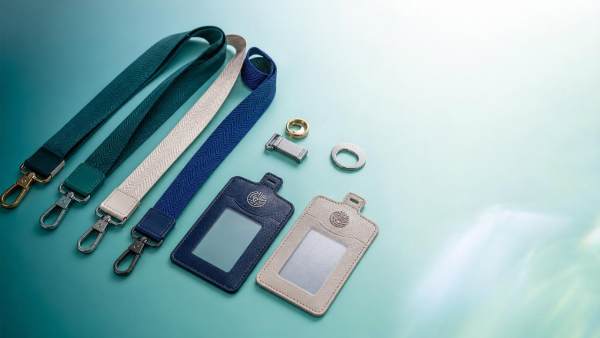
For project managers balancing event identity, user comfort, and procurement efficiency, custom woven lanyards are more than a giveaway—they are a practical branding asset. The right material, weave, attachment, and order strategy can influence wearability, brand visibility, and total cost, especially when timelines and supplier coordination matter.
In most sourcing decisions, the best custom woven lanyards are not the cheapest option or the most visually complex one. They are the option that fits the job: clear branding, comfortable all-day wear, reliable hardware, and predictable procurement. For project leads managing conferences, tours, visitor programs, hospitality events, or multi-site brand activation, success comes from balancing three factors at once—brand presentation, user experience, and landed cost.
This article focuses on the questions project managers actually need answered: when woven lanyards make sense, what affects comfort and durability, where costs rise unexpectedly, and how to brief suppliers so the final product works in the field rather than just in a mockup.
What project managers are really buying when they source custom woven lanyards
When someone searches for custom woven lanyards, they are rarely looking for fabric theory. They are usually trying to source an item that must perform several jobs at once. It needs to carry credentials or keys, reinforce brand identity, survive repeated use, and arrive on schedule without causing unnecessary procurement friction.
For tourism service operations, these needs become more practical. Lanyards may be used for tour guides, event staff, VIP visitors, trade show attendees, hotel teams, or destination marketing campaigns. In all of these settings, the lanyard is visible for hours at a time. That makes it part uniform, part security tool, and part brand media.
Woven lanyards in particular appeal to buyers who want a more textured, durable, and premium-looking finish than many printed alternatives. The logo or text is woven into the strap rather than simply printed on the surface. That usually improves perceived quality and helps branding remain legible over time, especially when the lanyard sees repeated handling.
For a project manager, then, the real purchase is not just a strap with a clip. It is a branded operational tool whose value depends on user comfort, visual consistency, functional attachments, and supply reliability.
When woven is the right choice—and when it is not
Custom woven lanyards are often chosen because they create a strong, tactile brand impression. They work especially well for simple logos, short brand names, department names, event titles, or recurring programs that need a clean and durable look. If your organization wants a more professional feel than a basic giveaway item, woven is often a smart middle ground between low-cost print and highly specialized premium constructions.
However, woven is not the best fit for every artwork file or every use case. If your branding relies on gradients, photo-like detail, very small text, or multiple fine graphic elements, printing may reproduce the design more accurately. Woven construction also has some design limits because the pattern is created through thread structure, not continuous ink coverage.
That means the first decision should not be “Do we want woven?” but rather “What visual result do we need, and how will the lanyard be used?” If the priority is long-term logo clarity and a textured premium feel, woven usually performs well. If the priority is exact color complexity or intricate graphics, another method may be better.
For project managers overseeing stakeholder approvals, this distinction matters. A design that looks perfect on a digital proof can lose clarity in production if the weave is too detailed. Early alignment between brand, procurement, and supplier can prevent costly rework.
How to balance branding with actual wearability
One of the most common sourcing mistakes is prioritizing logo visibility while underestimating comfort. A lanyard that looks strong in a presentation but feels rough, stiff, or heavy in use may end up removed, tucked away, or replaced by users. At that point, the branding value disappears.
Comfort depends on several interconnected factors: material softness, strap width, edge finish, hardware weight, neck contact, and intended duration of wear. For short check-in events, users may tolerate more rigid construction. For full-day conferences, hotel operations, tour programs, or staff uniforms, comfort becomes a purchasing priority rather than a secondary feature.
Wider straps can improve comfort because they distribute pressure more evenly, but they also increase material usage and may affect how large the woven text appears. Narrower straps can look sleek and reduce bulk, but they may twist more easily and feel less stable when carrying heavier badge holders or accessories.
The texture of woven lanyards also matters. Some constructions feel firmer because of thread density and weave pattern. That may support durability and crisp branding, but it can reduce softness against skin. If end users will wear lanyards for extended periods, request physical samples before approval. A sample tells you more in 30 seconds of handling than a PDF proof can tell you in a week.
Another practical issue is attachment weight. A lanyard carrying only a lightweight name badge can use lighter hardware. If it must hold credential wallets, keys, radios, USBs, or access devices, the total weight changes user comfort significantly. The right sourcing decision considers the full system, not just the strap.
The cost drivers that matter most in custom woven lanyards
Cost is not determined by unit price alone. For project managers, total cost includes development time, proofing cycles, freight, packaging, defect risk, and the likelihood of reorder consistency. A quote that looks low can become expensive if the product arrives late, artwork is unclear, or attachments fail during use.
The main cost drivers in custom woven lanyards usually include material type, strap width, weave complexity, number of colors, hardware selection, safety features, packaging requirements, order volume, and shipping method. Understanding these drivers helps buyers reduce waste without sacrificing performance.
Weave complexity is one of the most overlooked variables. Simple text and repeated logos are generally more efficient to produce than highly detailed layouts. If a brand mark requires multiple thread changes or tight visual precision, labor and setup demands may increase. Simplifying artwork slightly can often reduce cost while improving legibility.
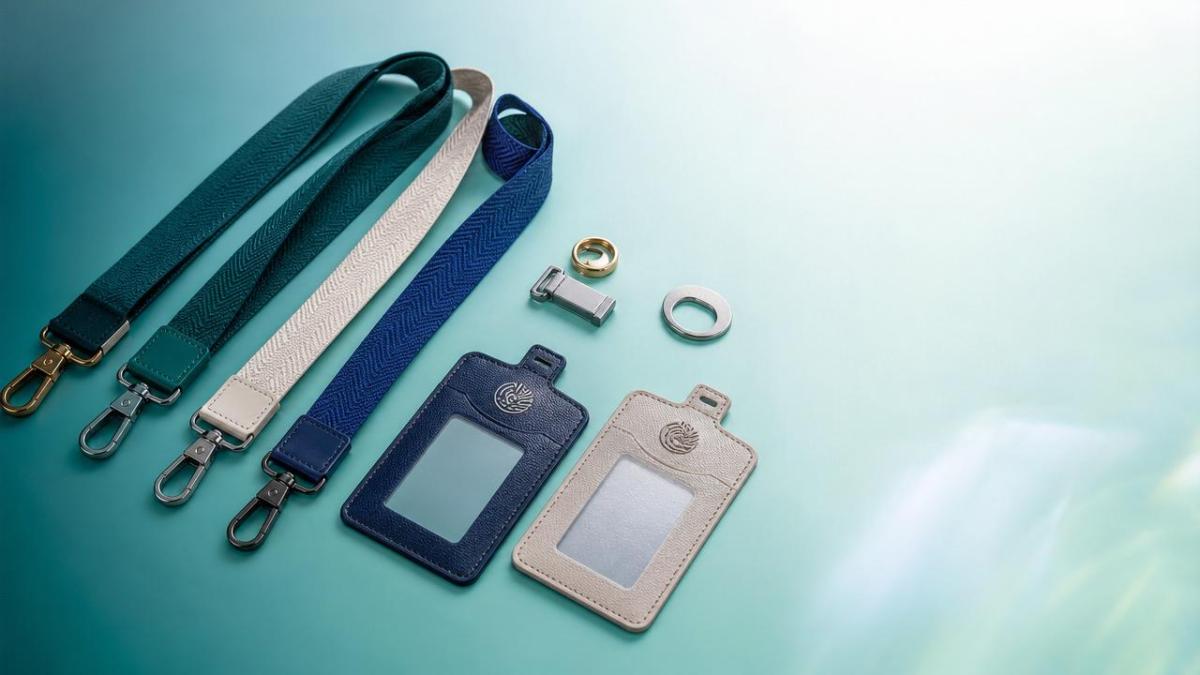
Hardware also changes economics quickly. Standard swivel hooks are usually cost-efficient and versatile. Upgrades such as detachable buckles, metal lobster clasps, safety breakaways, badge reels, or phone attachments add convenience but also raise unit cost and assembly complexity. The key question is whether those features solve a real operational need.
Volume affects price, but buyers should be careful not to over-order just to chase a lower unit cost. If the event is short-term, branding may change, or audience counts are uncertain, excess stock creates hidden waste. In many procurement scenarios, the optimal quantity is the one that balances minimum order efficiency with realistic usage and modest contingency.
Finally, freight planning often determines whether a good purchase stays good. Rush air shipping can erase all savings gained in production. If lanyards are tied to an event calendar, procurement should work backward from delivery date, customs clearance needs, proof approval, and manufacturing lead time.
How to choose attachments and safety features based on use case
Project managers often focus on visual design first, but hardware decisions can have a greater impact on user satisfaction. The right attachment depends on what the lanyard needs to carry and where it will be used.
For name badges and event credentials, a standard hook or clip often provides enough functionality. For tourism teams or hospitality staff carrying access cards all day, detachable buckles can be useful because they allow quick scanning or removal without taking the lanyard off. For key holding, stronger metal hardware may be justified.
Safety breakaways are another feature that should be specified based on environment, not assumed automatically. In crowded events, active visitor settings, facility operations, or workplaces where snagging risk exists, breakaways can be an important safety addition. In lower-risk promotional uses, they may be optional. The decision should come from actual usage conditions.
If your organization serves international visitors, family attractions, or high-traffic public spaces, standardization matters. A lanyard format that is easy to use across different user groups reduces confusion and replacement requests. Practical simplicity is often more valuable than feature stacking.
Supplier briefing: the fastest way to avoid delays and quality disputes
Most lanyard problems begin upstream in the brief. A vague request like “custom woven lanyards with our logo” leaves too much room for interpretation. Strong supplier communication is one of the easiest ways to protect budget, schedule, and quality.
A useful brief should include artwork files, intended use, target quantity, strap width, preferred colors, hardware type, safety feature requirements, packaging preferences, and required delivery date. It should also state whether the item is for one-time event distribution, multi-day staff wear, or long-term operational use. Suppliers produce better recommendations when they understand the application.
Ask suppliers to confirm not only price and lead time, but also artwork limitations, logo readability at chosen width, material feel, attachment options, and packaging configuration. If color matching matters to brand governance, clarify Pantone or equivalent requirements early. If there are destination-country compliance or labeling needs, raise them before production starts.
For larger or recurring orders, requesting a pre-production sample is usually worth the extra time. This is especially important when multiple departments need approval or when the lanyard supports customer-facing teams. Sampling reduces the chance of mass-producing a technically correct but operationally poor item.
Project managers should also confirm quality control standards. Ask what defect rates are considered acceptable, how hardware durability is checked, and how color consistency is maintained between runs. Reliable vendors answer these questions clearly because they already manage them internally.
A practical decision framework for branding, comfort, and cost
If you need a fast internal decision, use a three-part scoring approach. First, assess branding: Is the woven method suitable for the logo, and will the design remain clear at actual size? Second, assess comfort: Will users wear it for long periods, and does the material and hardware support that? Third, assess procurement: Does the specification fit timeline, budget, and reorder needs?
Assigning relative weight to each area helps avoid unbalanced choices. For example, a tourism event with heavy public-facing interaction may prioritize comfort and branding equally, with cost controlled through simplified hardware and realistic order volume. A staff security use case may prioritize function and durability first. A short-term campaign giveaway may lean harder toward cost efficiency.
The important point is that “best” does not mean the same thing in every project. The best custom woven lanyards are the ones aligned with user behavior, event duration, visual standards, and supply chain realities.
Common mistakes that increase cost without improving results
Several recurring mistakes make custom lanyard procurement more expensive than necessary. One is approving overly intricate artwork that cannot be woven clearly at size. This leads to disappointing output, extra revisions, or late design changes.
Another is specifying premium features by default rather than by need. Not every order requires detachable buckles, upgraded packaging, or heavy-duty hardware. If a feature does not improve actual use, it is simply cost.
A third issue is waiting too long to source. Because lanyards are often treated as a small accessory, they may be ordered late in the project cycle. Then buyers lose leverage, pay rush freight, and accept reduced supplier options. In reality, branded accessories should be planned alongside the rest of the event or operational kit.
Finally, some teams choose only on unit price and ignore sample evaluation. This is risky because small differences in texture, edge quality, or clip strength become very visible during real-world use. A low-cost item that users dislike is not economical.
Final takeaway for project managers
Custom woven lanyards are a small procurement line with outsized visibility. For project managers in tourism services and event-driven environments, they can reinforce brand identity, improve team presentation, and support smooth credential handling—but only if they are specified with actual use in mind.
The smartest approach is straightforward: choose woven when you want durable, premium-looking branding with simple, clear artwork; prioritize comfort if users will wear the item for hours; match hardware to real functional needs; and control total cost by simplifying features, ordering realistic volumes, and briefing suppliers precisely.
In short, balancing branding, comfort, and cost is not about compromise for its own sake. It is about deciding what the lanyard must accomplish in the field and sourcing to that outcome. When done well, custom woven lanyards become more than branded accessories—they become reliable operational tools that support both image and execution.
Related Intelligence
 Skincare OEMAug 16, 2026Amazon Enforces AI Human Metadata Rule for Beauty and Personal Care SellersAmazon now enforces AI human metadata rules for beauty sellers. Learn how to protect listings, traffic, and compliance in skincare, cosmetics, and beauty devices.
 Beauty DevicesAug 15, 2026China to Roll Out Nationwide Cross-Border Cash Pooling for MultinationalsChina to roll out nationwide cross-border cash pooling for multinationals from Sept. 14. Discover how this policy could improve treasury efficiency, liquidity management, and China-linked supply chains.
 Beauty DevicesAug 14, 2026China Imposes Temporary Export Ban on Helium, Affecting Cooling Supply ChainsChina's temporary helium export ban may disrupt cooling supply chains for beauty RF devices and laser systems. Learn what ODMs, buyers, and procurement teams should check now.
![]() Cosmetics & PkgAug 13, 2026PPWR becomes mandatory: Beauty and personal care packaging materials usher in new EPR and PFAS compliance requirementsPPWR takes effect for cosmetics packaging in the EU, bringing EPR registration and PFAS limits. Learn what brands, importers, and suppliers must do now.
Cosmetics & PkgAug 13, 2026PPWR becomes mandatory: Beauty and personal care packaging materials usher in new EPR and PFAS compliance requirementsPPWR takes effect for cosmetics packaging in the EU, bringing EPR registration and PFAS limits. Learn what brands, importers, and suppliers must do now. Cosmetics & PkgAug 12, 2026EU PPWR Now Enforced for Beauty Packaging ComplianceEU PPWR now enforced for beauty packaging compliance: learn how EPR, ERN, heavy metals and PFAS rules affect EU exports, customs clearance and platform sales.
 Cosmetics & PkgAug 11, 2026EU PPWR Rules Take Effect on Aug. 12 for Beauty PackagingEU PPWR rules for beauty packaging take effect on Aug. 12, 2026. Learn key compliance steps, EPR, labeling, PFAS limits, and how to avoid customs delays and fines.
 Smart Pet DevicesAug 10, 2026EU EPR Rules to Cover Smart Pet Devices on Aug. 15EU EPR Rules will cover smart pet devices from Aug. 15, 2026. Learn how smart collars, feeders, and monitoring devices can avoid delisting, customs delays, and compliance risks in the EU.
 Infant Feeding & CareAug 09, 2026CPSC Recalls Baby Sleep Sacks Over Undeclared TDCPPCPSC Recalls Baby Sleep Sacks Over Undeclared TDCPP: learn how this 2026 recall impacts CPC documents, third-party testing, and U.S. baby product compliance for exporters.
 Infant Feeding & CareAug 08, 2026ECHA Adds 5 SVHCs, Importer Notices Due From Oct 2026ECHA adds 5 SVHCs to the Candidate List, with importer notices due from October 2026. Learn how REACH affects exporters, supply chains, and documentation readiness.
 Baby Gear & StrollersAug 07, 2026CPSC Revises Crib Rail Standard for November 2026CPSC revises crib rail standard for November 2026, adding dynamic impact tests and mandatory third-party lab testing. Learn how the new rule affects U.S. market access, compliance, and shipments.
 Electronic & RC ToysAug 06, 2026EU to Require EN IEC 62115:2025 for Electronic ToysEU to Require EN IEC 62115:2025 for Electronic Toys from Oct 1, 2026. Learn scope, battery and AI safety updates, CE compliance risks, and how exporters can avoid customs delays.
 Baby Gear & StrollersAug 05, 2026US Stroller Stability Rule Takes Effect Aug. 15US Stroller Stability Rule Takes Effect Aug. 15: learn how new U.S. stroller compliance, ASTM F833-26a, and CPSC testing rules may affect imports, certification, and shipment readiness.
 Infant Feeding & CareAug 04, 2026ECHA Adds 5 SVHCs, Triggering Baby Care Export ReviewECHA adds 5 SVHCs, prompting an urgent baby care export review for EU-bound products. Learn the 0.1% threshold risks, compliance steps, and how to avoid customs delays and fines.












