
Fruit Attraction 2026 Booth Bookings Exceed 90%
Fruit Attraction 2026 — the 18th edition of the Madrid-based international fresh produce trade fair (October 6–8, 2026) — has achieved over 90% booth occupancy. With the confirmed launch of a new ‘Fruit-Inspired Lifestyle Zone’, the event signals growing commercial interest in fruit- and vegetable-themed corporate gifting, seasonal gift sets, and lifestyle-oriented OEM products — particularly relevant for manufacturers in China and other export-oriented production hubs.
Event Overview
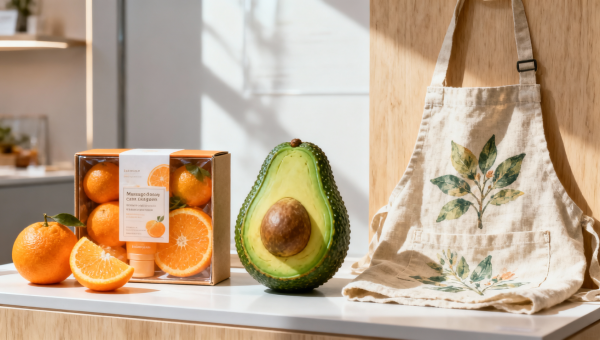
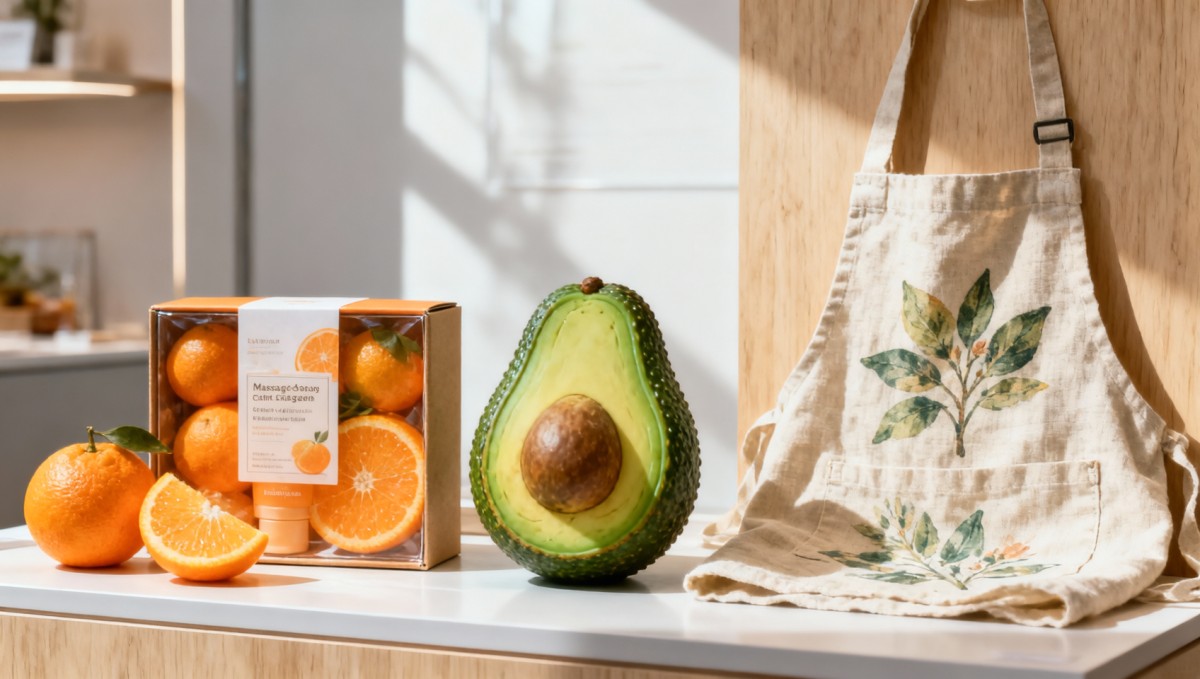
The 18th edition of Fruit Attraction will take place in Madrid from October 6 to 8, 2026. As of the announcement date (May 22, 2026), booth bookings have exceeded 90%. The organizers have officially confirmed the introduction of a dedicated ‘Fruit-Inspired Lifestyle Zone’, targeting products that integrate fruit or vegetable motifs into non-food categories — including citrus-scented massage balm gift boxes, avocado-shaped silicone fitness balls, and organic cotton aprons featuring fruit-and-vegetable prints. Retailers including Germany’s ALDI and Spain’s Mercadona have initiated custom tender processes for such items ahead of the event.
Industries Affected
Direct Export Trading Companies
These firms may face shifting buyer expectations: procurement teams at major European retailers are now evaluating suppliers not only on agricultural compliance and logistics reliability, but also on design integration, small-batch customization capability, and seasonal packaging agility. The tender activity by ALDI and Mercadona indicates early-stage demand validation — though actual order volumes remain unconfirmed.
OEM/ODM Manufacturing Enterprises
Manufacturers producing wellness, home, apparel, or fitness accessories may encounter new sourcing opportunities — especially those already certified for organic textiles, food-grade silicone, or cosmetic-safe formulations. The emphasis on ‘fruit-inspired’ aesthetics implies demand for cross-category product development (e.g., blending food IP with personal care or activewear), rather than standard commodity manufacturing.
Raw Material Sourcing & Ingredient Suppliers
Suppliers of natural extracts (e.g., citrus oils), organic cotton, biodegradable dyes, or food-grade silicone may see indirect upstream demand signals. However, no official material specifications or volume forecasts have been published; current traction remains tied to finished-product OEM requirements rather than raw-material tenders.
Distribution & Brand Licensing Intermediaries
Intermediaries facilitating brand/IP licensing between agricultural cooperatives and consumer goods manufacturers may find renewed relevance — especially where regional fruit varieties (e.g., Spanish oranges, Italian lemons) are leveraged as design assets. Yet no formal licensing framework or co-branding guidelines have been announced by Fruit Attraction organizers.
What Relevant Companies or Practitioners Should Monitor and Do Now
Track official zone participation criteria and application deadlines
The ‘Fruit-Inspired Lifestyle Zone’ is newly introduced; its eligibility rules, booth pricing tiers, and submission timelines for product samples or design concepts have not yet been published. Companies should monitor updates directly from Fruit Attraction’s official website and registered communications.
Prioritize categories with verified retailer engagement
ALDI and Mercadona’s early tender activity focuses on three demonstrably active categories: citrus-derived aromatherapy products, fruit-shaped functional fitness tools, and organic-fabric kitchen/lifestyle apparel. These represent near-term signal categories — not speculative trends — and warrant focused internal capability assessment.
Distinguish between procurement signals and committed orders
While retailer tender announcements indicate interest, they do not equate to binding purchase commitments. Companies should avoid scaling production or locking in long-term material contracts before reviewing tender scope documents, MOQs, and delivery windows — all of which remain unpublished.
Prepare modular design and compliance documentation
Given the lifestyle focus, buyers will likely require evidence of material safety certifications (e.g., REACH, FDA, OEKO-TEX), packaging recyclability claims, and IP clearance for botanical motifs. Firms should consolidate existing documentation and identify gaps — particularly around cosmetic ingredient declarations or textile dye migration testing.
Editorial Perspective / Industry Observation
Observably, this development functions primarily as a market signal — not an immediate commercial outcome. The 90% booking rate reflects strong baseline confidence in the fair’s core fresh produce audience, while the new zone represents an experimental expansion into adjacent lifestyle categories. Analysis shows that the initiative is still in its structural definition phase: no finalized exhibitor list, no publicized buyer briefings, and no disclosed minimum order thresholds. From an industry perspective, it is better understood as an emerging window — one that tests whether fruit-and-vegetable IP can translate beyond agriculture into higher-margin, seasonally driven consumer product segments. Its significance lies less in immediate revenue generation and more in revealing how traditional agri-trade platforms are evolving to capture downstream value creation.
In summary, Fruit Attraction 2026’s advanced booking status and new lifestyle zone reflect a measured, retailer-led exploration of cross-category product development — not a fully formed market shift. For affected enterprises, the current phase favors observation, documentation readiness, and selective capability alignment over large-scale investment. It is more accurately interpreted as a forward-looking indicator of evolving buyer priorities than as an operational mandate.
Source: Official Fruit Attraction press release (May 22, 2026).
Note: Zone-specific participation terms, tender documentation, and retailer order volumes remain pending publication and are subject to ongoing monitoring.
Related Intelligence
 Skincare OEMAug 16, 2026Amazon Enforces AI Human Metadata Rule for Beauty and Personal Care SellersAmazon now enforces AI human metadata rules for beauty sellers. Learn how to protect listings, traffic, and compliance in skincare, cosmetics, and beauty devices.
 Beauty DevicesAug 15, 2026China to Roll Out Nationwide Cross-Border Cash Pooling for MultinationalsChina to roll out nationwide cross-border cash pooling for multinationals from Sept. 14. Discover how this policy could improve treasury efficiency, liquidity management, and China-linked supply chains.
 Beauty DevicesAug 14, 2026China Imposes Temporary Export Ban on Helium, Affecting Cooling Supply ChainsChina's temporary helium export ban may disrupt cooling supply chains for beauty RF devices and laser systems. Learn what ODMs, buyers, and procurement teams should check now.
![]() Cosmetics & PkgAug 13, 2026PPWR becomes mandatory: Beauty and personal care packaging materials usher in new EPR and PFAS compliance requirementsPPWR takes effect for cosmetics packaging in the EU, bringing EPR registration and PFAS limits. Learn what brands, importers, and suppliers must do now.
Cosmetics & PkgAug 13, 2026PPWR becomes mandatory: Beauty and personal care packaging materials usher in new EPR and PFAS compliance requirementsPPWR takes effect for cosmetics packaging in the EU, bringing EPR registration and PFAS limits. Learn what brands, importers, and suppliers must do now. Cosmetics & PkgAug 12, 2026EU PPWR Now Enforced for Beauty Packaging ComplianceEU PPWR now enforced for beauty packaging compliance: learn how EPR, ERN, heavy metals and PFAS rules affect EU exports, customs clearance and platform sales.
 Cosmetics & PkgAug 11, 2026EU PPWR Rules Take Effect on Aug. 12 for Beauty PackagingEU PPWR rules for beauty packaging take effect on Aug. 12, 2026. Learn key compliance steps, EPR, labeling, PFAS limits, and how to avoid customs delays and fines.
 Smart Pet DevicesAug 10, 2026EU EPR Rules to Cover Smart Pet Devices on Aug. 15EU EPR Rules will cover smart pet devices from Aug. 15, 2026. Learn how smart collars, feeders, and monitoring devices can avoid delisting, customs delays, and compliance risks in the EU.
 Infant Feeding & CareAug 09, 2026CPSC Recalls Baby Sleep Sacks Over Undeclared TDCPPCPSC Recalls Baby Sleep Sacks Over Undeclared TDCPP: learn how this 2026 recall impacts CPC documents, third-party testing, and U.S. baby product compliance for exporters.
 Infant Feeding & CareAug 08, 2026ECHA Adds 5 SVHCs, Importer Notices Due From Oct 2026ECHA adds 5 SVHCs to the Candidate List, with importer notices due from October 2026. Learn how REACH affects exporters, supply chains, and documentation readiness.
 Baby Gear & StrollersAug 07, 2026CPSC Revises Crib Rail Standard for November 2026CPSC revises crib rail standard for November 2026, adding dynamic impact tests and mandatory third-party lab testing. Learn how the new rule affects U.S. market access, compliance, and shipments.
 Electronic & RC ToysAug 06, 2026EU to Require EN IEC 62115:2025 for Electronic ToysEU to Require EN IEC 62115:2025 for Electronic Toys from Oct 1, 2026. Learn scope, battery and AI safety updates, CE compliance risks, and how exporters can avoid customs delays.
 Baby Gear & StrollersAug 05, 2026US Stroller Stability Rule Takes Effect Aug. 15US Stroller Stability Rule Takes Effect Aug. 15: learn how new U.S. stroller compliance, ASTM F833-26a, and CPSC testing rules may affect imports, certification, and shipment readiness.
 Infant Feeding & CareAug 04, 2026ECHA Adds 5 SVHCs, Triggering Baby Care Export ReviewECHA adds 5 SVHCs, prompting an urgent baby care export review for EU-bound products. Learn the 0.1% threshold risks, compliance steps, and how to avoid customs delays and fines.












