
Gift Manufacturing Cost Drivers for Seasonal Promo Projects
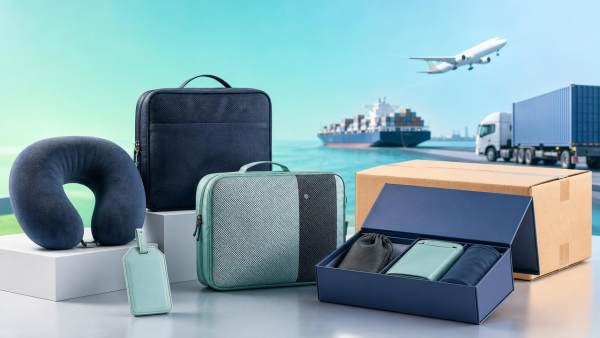
For seasonal tourism promotions, gift manufacturing costs affect more than unit price. They influence campaign timing, guest experience, compliance exposure, and final return on promotional spending.
Travel service campaigns often rely on branded gifts for bookings, loyalty programs, event activations, and destination marketing. Small sourcing choices can create major cost swings across the full project budget.
This guide explains the main gift manufacturing cost drivers behind seasonal promo projects. It focuses on tourism service scenarios where timing, perception, and logistics pressure are unusually high.
Why gift manufacturing costs change across tourism promotion scenarios
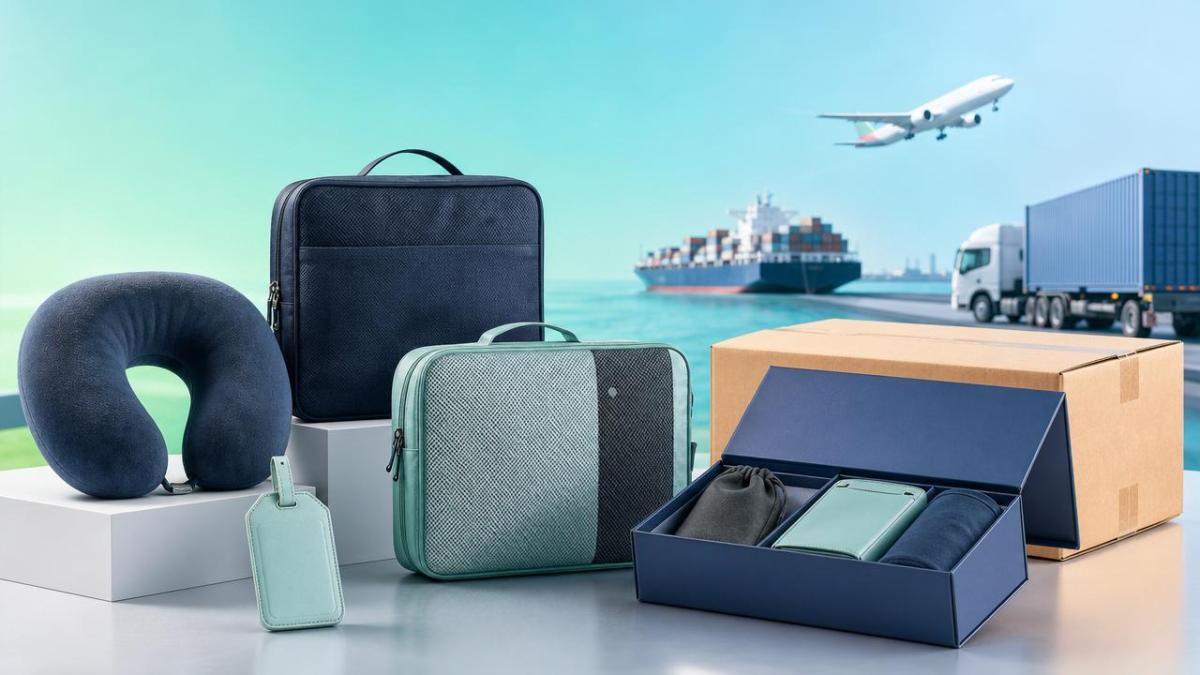
A resort opening campaign does not behave like an airport retail giveaway. A cruise loyalty box differs from a city tourism festival gift pack.
In tourism services, gift manufacturing decisions must align with guest touchpoints. Usage context determines material durability, branding method, packaging size, and delivery deadlines.
That is why the same branded item can have very different landed costs. Volume, destination, compliance, and presentation standards reshape the real sourcing equation.
Seasonality adds more pressure. Peak travel periods reduce production flexibility, tighten freight options, and increase the cost of late design changes.
Scenario 1: Early-booking travel promotions need low-risk gift manufacturing
Early-booking offers often use gifts to raise conversion rates before peak travel starts. Typical items include luggage tags, travel pouches, neck pillows, or compact amenity kits.
Here, gift manufacturing should prioritize forecast flexibility. Demand estimates may shift quickly when routes, hotel occupancy, or package pricing changes.
Core judgment points
- Use designs that support repeat production across several travel campaigns.
- Select materials with stable supply and low mold complexity.
- Avoid oversized packaging that raises storage and shipping costs.
- Confirm whether gifts must pass destination-specific labeling rules.
In this scenario, the biggest cost drivers are minimum order quantity, artwork revision cycles, and inventory risk. Unit cost matters, but obsolete stock can cost more.
Scenario 2: On-site destination events require faster gift manufacturing decisions
Tourism boards, pop-up cultural events, and local festivals often need promotional gifts under short lead times. Speed becomes a major cost driver.
Rush production increases labor cost, reduces factory scheduling options, and may force simpler decoration methods. Air freight then pushes total landed cost even higher.
Core judgment points
- Choose stock materials instead of custom-developed components.
- Limit color variants to reduce setup and inspection time.
- Use packaging formats that support quick packing and distribution.
- Plan backup freight routes for weather or customs delays.
For tourism events, gift manufacturing cost is often decided by the calendar, not just by product complexity. A cheap item can become expensive when the deadline is missed.
Scenario 3: Premium loyalty travel campaigns depend on perceived value
Luxury hotels, cruise programs, and high-end travel memberships use gifts to reinforce brand value. In these projects, appearance and tactile quality directly affect campaign performance.
Gift manufacturing in premium tourism scenarios usually involves better fabrics, metal trims, rigid boxes, or custom inserts. These upgrades raise both production and logistics costs.
Core judgment points
- Balance premium finishes against weight-based shipping charges.
- Review decoration durability for repeated guest handling.
- Check whether gift packaging fits luggage or room-drop operations.
- Test samples under humidity, transport vibration, and stacking pressure.
In these campaigns, quality failure costs more than a small unit-price increase. Poor finishing can damage guest perception and reduce the value of the entire travel promotion.
Scenario 4: Family travel and amenity gifts raise compliance and safety costs
Family resorts, holiday parks, and child-friendly travel programs often include toys, care items, or family welcome packs. These categories increase compliance complexity.
Gift manufacturing costs rise when testing, documentation, age grading, or chemical restrictions apply. If products enter multiple markets, certification pathways may differ.
Core judgment points
- Identify required safety standards before finalizing design.
- Avoid mixed-material builds that complicate testing.
- Budget for labeling, warnings, and documentation translation.
- Allow time for retesting if artwork or materials change.
For tourism service promotions, safety-related delays can break launch timing. Compliance should be treated as an early cost driver, not a final checklist item.
How key gift manufacturing cost drivers differ by travel service use case
Practical ways to control gift manufacturing costs without weakening campaign impact
Cost control works best when product, packaging, timeline, and logistics are reviewed together. In tourism promotions, isolated decisions often create hidden budget pressure later.
Recommended actions
- Build a target landed cost, not only a target factory price.
- Separate must-have branding elements from optional premium upgrades.
- Request alternative materials with equal visual value.
- Compare flat-pack and assembled packaging formats early.
- Reserve schedule buffers for testing and shipping interruptions.
- Use pilot runs for uncertain demand or multi-country tourism campaigns.
These steps improve gift manufacturing visibility and reduce emergency spending. They also support better alignment between promotional timing and guest-facing service delivery.
Common misjudgments that increase seasonal promo gift manufacturing costs
One common mistake is approving a design before reviewing packing density. Attractive gifts can become freight-heavy, especially for airport, cruise, or island destination distribution.
Another mistake is changing artwork after compliance testing starts. Even small edits may require document updates, relabeling, or retesting depending on the product category.
Teams also underestimate destination complexity. Tourism service projects may ship to hotels, event sites, regional distributors, and travel partners at the same time.
That distribution model affects carton labeling, split packing, storage handling, and final-mile costs. Gift manufacturing planning should reflect the full delivery path.
A final misjudgment is choosing novelty over repeatability. Highly customized items may look exciting, but they often reduce reorder efficiency for future seasonal campaigns.
Next-step framework for smarter seasonal sourcing decisions
Start with the travel scenario, not the product idea. Define whether the gift supports booking conversion, on-site engagement, loyalty retention, or family experience enhancement.
Then map the real gift manufacturing cost drivers: materials, compliance, packaging, order volume, freight, and timeline sensitivity. Rank them by budget impact and failure risk.
For tourism service campaigns, the best sourcing outcomes come from early cross-checking between perceived value and landed cost reality. That prevents attractive concepts from becoming expensive operational problems.
When gift manufacturing is evaluated through scenario fit, seasonal promotions become easier to scale, easier to control, and more reliable in protecting campaign margins.
Related Intelligence
 Skincare OEMAug 16, 2026Amazon Enforces AI Human Metadata Rule for Beauty and Personal Care SellersAmazon now enforces AI human metadata rules for beauty sellers. Learn how to protect listings, traffic, and compliance in skincare, cosmetics, and beauty devices.
 Beauty DevicesAug 15, 2026China to Roll Out Nationwide Cross-Border Cash Pooling for MultinationalsChina to roll out nationwide cross-border cash pooling for multinationals from Sept. 14. Discover how this policy could improve treasury efficiency, liquidity management, and China-linked supply chains.
 Beauty DevicesAug 14, 2026China Imposes Temporary Export Ban on Helium, Affecting Cooling Supply ChainsChina's temporary helium export ban may disrupt cooling supply chains for beauty RF devices and laser systems. Learn what ODMs, buyers, and procurement teams should check now.
![]() Cosmetics & PkgAug 13, 2026PPWR becomes mandatory: Beauty and personal care packaging materials usher in new EPR and PFAS compliance requirementsPPWR takes effect for cosmetics packaging in the EU, bringing EPR registration and PFAS limits. Learn what brands, importers, and suppliers must do now.
Cosmetics & PkgAug 13, 2026PPWR becomes mandatory: Beauty and personal care packaging materials usher in new EPR and PFAS compliance requirementsPPWR takes effect for cosmetics packaging in the EU, bringing EPR registration and PFAS limits. Learn what brands, importers, and suppliers must do now. Cosmetics & PkgAug 12, 2026EU PPWR Now Enforced for Beauty Packaging ComplianceEU PPWR now enforced for beauty packaging compliance: learn how EPR, ERN, heavy metals and PFAS rules affect EU exports, customs clearance and platform sales.
 Cosmetics & PkgAug 11, 2026EU PPWR Rules Take Effect on Aug. 12 for Beauty PackagingEU PPWR rules for beauty packaging take effect on Aug. 12, 2026. Learn key compliance steps, EPR, labeling, PFAS limits, and how to avoid customs delays and fines.
 Smart Pet DevicesAug 10, 2026EU EPR Rules to Cover Smart Pet Devices on Aug. 15EU EPR Rules will cover smart pet devices from Aug. 15, 2026. Learn how smart collars, feeders, and monitoring devices can avoid delisting, customs delays, and compliance risks in the EU.
 Infant Feeding & CareAug 09, 2026CPSC Recalls Baby Sleep Sacks Over Undeclared TDCPPCPSC Recalls Baby Sleep Sacks Over Undeclared TDCPP: learn how this 2026 recall impacts CPC documents, third-party testing, and U.S. baby product compliance for exporters.
 Infant Feeding & CareAug 08, 2026ECHA Adds 5 SVHCs, Importer Notices Due From Oct 2026ECHA adds 5 SVHCs to the Candidate List, with importer notices due from October 2026. Learn how REACH affects exporters, supply chains, and documentation readiness.
 Baby Gear & StrollersAug 07, 2026CPSC Revises Crib Rail Standard for November 2026CPSC revises crib rail standard for November 2026, adding dynamic impact tests and mandatory third-party lab testing. Learn how the new rule affects U.S. market access, compliance, and shipments.
 Electronic & RC ToysAug 06, 2026EU to Require EN IEC 62115:2025 for Electronic ToysEU to Require EN IEC 62115:2025 for Electronic Toys from Oct 1, 2026. Learn scope, battery and AI safety updates, CE compliance risks, and how exporters can avoid customs delays.
 Baby Gear & StrollersAug 05, 2026US Stroller Stability Rule Takes Effect Aug. 15US Stroller Stability Rule Takes Effect Aug. 15: learn how new U.S. stroller compliance, ASTM F833-26a, and CPSC testing rules may affect imports, certification, and shipment readiness.
 Infant Feeding & CareAug 04, 2026ECHA Adds 5 SVHCs, Triggering Baby Care Export ReviewECHA adds 5 SVHCs, prompting an urgent baby care export review for EU-bound products. Learn the 0.1% threshold risks, compliance steps, and how to avoid customs delays and fines.












