
How to Choose a Reliable Custom Challenge Coins Manufacturer
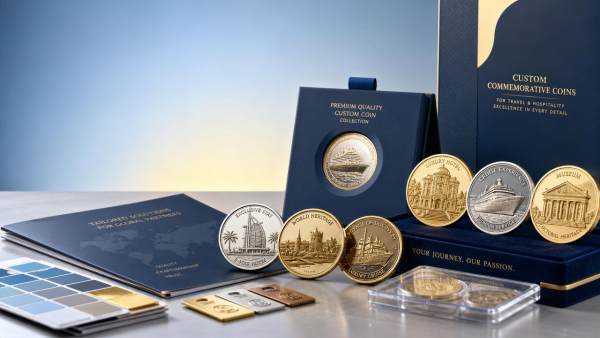
Choosing a reliable custom challenge coins manufacturer can directly impact product quality, brand reputation, and delivery performance. For business evaluators comparing suppliers, the right partner should offer proven manufacturing expertise, transparent compliance standards, and flexible customization capabilities. This guide explores the key factors that help identify dependable manufacturers and reduce sourcing risks in competitive global markets.
Why travel service buyers need a stricter supplier evaluation framework
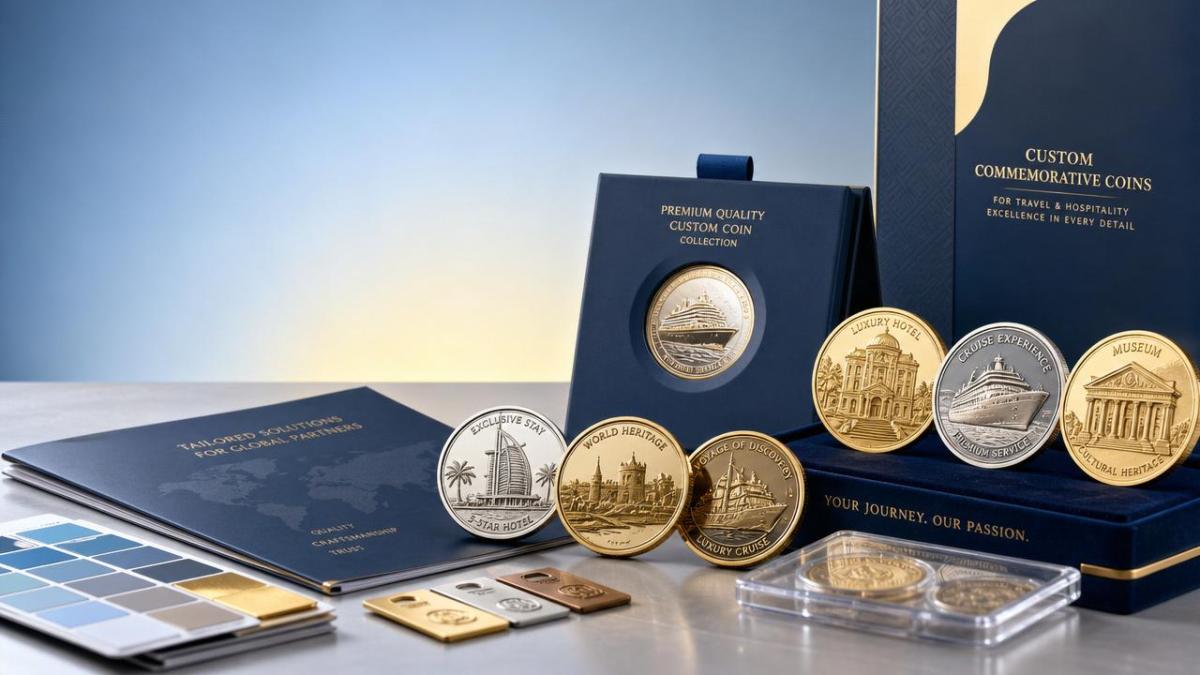
In travel services, custom coins are more than souvenirs. They are often used for destination promotions, hotel loyalty gifts, cruise memorabilia, museum retail programs, guided tour recognition, event sponsorship packs, and premium gift shop collections. That means a custom challenge coins manufacturer must be assessed not only for appearance and price, but also for timing, packaging consistency, branding accuracy, and export readiness.
Business evaluators usually face a difficult balance. They need attractive designs that match destination storytelling, but they also need dependable production planning for seasonal campaigns, peak tourism periods, and multi-country distribution. A delay of even two weeks can affect launch events, group travel programs, or airport retail promotions.
This is where a structured sourcing approach matters. Global Consumer Sourcing supports procurement and supplier evaluation with market intelligence, manufacturing insight, compliance awareness, and practical selection logic. For teams managing tourism-related merchandise, that combination helps reduce costly trial-and-error when shortlisting a custom challenge coins manufacturer.
- Travel brands often require multiple designs across destinations, seasons, or campaigns, so supplier flexibility matters as much as unit price.
- Retail timelines in tourism are event-driven, which increases the value of realistic lead times, sample control, and shipping coordination.
- Brand damage from low plating quality, misspelled artwork, or poor enamel finish can be more expensive than a slightly higher purchase cost.
How to judge a custom challenge coins manufacturer beyond price
Many buyers start with quotation sheets, but cost alone rarely reveals whether a supplier is suitable for tourism merchandise. A low unit price may hide tooling limitations, unstable plating quality, weak packaging control, or poor communication during revisions. For business evaluators, the better question is this: can the supplier repeatedly deliver coins that support brand presentation in real customer environments?
A reliable custom challenge coins manufacturer should be reviewed across production capability, design translation, material options, defect control, documentation, and service responsiveness. If the supplier cannot explain how they manage color matching, mold accuracy, edge detailing, and shipment milestones, the sourcing risk is already visible.
Core evaluation points for procurement teams
- Manufacturing process fit: die struck, soft enamel, hard enamel, printed, or mixed-finish production should match your use case and budget.
- Artwork conversion ability: tourism-themed coins often include landmarks, route lines, mascots, maps, or multilingual brand elements that require precise proofing.
- Delivery reliability: ask about sampling lead time, production lead time, rework policy, and peak-season capacity planning.
- Packaging flexibility: retail-ready pouches, display cards, collector boxes, or barcode labeling may be needed for travel gift shops and distribution centers.
- Export and compliance awareness: while coins are not highly regulated like children’s goods, coatings, packaging materials, and labeling may still require attention depending on market channels.
The table below helps business evaluators compare a custom challenge coins manufacturer using practical, tourism-relevant criteria rather than generic promises.
A strong supplier will perform well across all four areas, not just one. If a manufacturer offers low cost but cannot control design accuracy or shipping discipline, the total sourcing outcome may still be poor.
Which coin specifications fit different tourism applications?
Not every travel project needs the same product specification. Coins used as premium VIP keepsakes for luxury resorts are very different from coins sold in high-volume destination gift shops. Selecting the right build can improve margin, perceived value, and buyer satisfaction.
Common application scenarios
- Destination souvenirs for museums, heritage sites, and visitor centers.
- Recognition tokens for guided tours, cycling events, hiking programs, or volunteer travel campaigns.
- Commemorative gifts for hotel anniversaries, airline route launches, or cruise itineraries.
- Retail add-ons in airport stores, resort boutiques, or themed travel subscription boxes.
The following table maps typical travel-service scenarios to specification choices that a custom challenge coins manufacturer should be able to support.
This scenario-based method is useful because it prevents over-specification. Buyers often waste budget on premium finishes for high-volume tour giveaways, while under-specifying products intended for luxury hospitality gifting.
What compliance and quality control questions should you ask?
A custom challenge coins manufacturer serving international buyers should be able to discuss material sourcing, surface finishes, packaging materials, inspection checkpoints, and shipment documentation with confidence. Even when product regulations are lighter than in other categories, quality and compliance still affect cross-border sales, retail acceptance, and reputation management.
Questions worth asking during supplier review
- What base metals and plating options do you offer, and how do you manage finish consistency between batches?
- Can you provide a documented inspection process for molds, color fills, polishing, and packaging before shipment?
- How do you handle artwork revisions, customer approval records, and remake responsibility if a proofing error reaches production?
- If coins are sold with retail packaging, can you support barcode labels, warning text, carton marks, and pack-count accuracy?
- What is your process for urgent orders during tourism peak periods or event-driven launches?
Global Consumer Sourcing is especially useful at this stage because it frames sourcing decisions around real supply-chain performance rather than sales language alone. Evaluators can use broader market intelligence to compare whether a supplier’s claims align with current manufacturing realities, seasonal capacity pressure, and category-specific export expectations.
How to compare quotations from a custom challenge coins manufacturer
When three suppliers quote the same design, the offers may still differ significantly. One may include mold cost, one may charge it separately, and another may quote a lower unit price but exclude individual packing, proof changes, or split shipment support. Business evaluators should normalize every offer before comparing it.
Cost elements that affect true procurement value
- Tooling or mold fee, especially for new destination artwork or complex shapes.
- Base material and plating choice, which can alter both appearance and durability.
- Color count, printing layers, and special features such as cut-outs, sequential numbering, or epoxy coating.
- Packaging type, including simple polybags, backing cards, gift boxes, or retail display sets.
- Quality inspection standards, defect allowance, and replacement policy.
- Shipping method, carton consolidation, destination labeling, and customs documentation support.
The comparison table below can be used during internal scoring when reviewing quotes from a custom challenge coins manufacturer.
This approach helps procurement teams explain supplier selection internally. Instead of defending a price difference, they can show how service scope, risk exposure, and retail-readiness influenced the decision.
Common sourcing mistakes in tourism merchandise programs
The most common mistake is treating all coin projects the same. A coin for a resort opening kit and a coin for a heritage retail shelf should not follow the same purchasing logic. The second mistake is approving digital artwork without checking small details such as date placement, line thickness, back-side texture, and packaging text. These issues often become visible only after production starts.
Mistakes to avoid
- Choosing a custom challenge coins manufacturer solely on the cheapest quote without reviewing process capability.
- Ignoring packaging requirements for travel retail, especially if products will be displayed in airports, museums, or hotel boutiques.
- Failing to align production timing with campaign calendars, cruise departures, or holiday tourism spikes.
- Overlooking replenishment planning for successful designs that may need repeat orders across locations.
- Not creating an approval matrix between brand, merchandising, procurement, and operations teams.
A disciplined sourcing workflow reduces these problems. Shortlist fewer suppliers, ask deeper questions, compare total delivered value, and document every approved detail before mass production starts.
FAQ: what business evaluators usually ask before placing an order
How do I know whether a custom challenge coins manufacturer can handle tourism retail programs?
Look for evidence of repeatable customization, packaging support, and order coordination rather than only decorative quality. A suitable supplier should understand destination branding, retail presentation, replenishment planning, and multi-design management. Ask for examples of how they handle display cards, barcode labels, carton marking, and launch-date scheduling.
What lead time is realistic for custom challenge coins?
Lead time depends on complexity, finish, quantity, and proof revision cycles. A realistic evaluation should separate artwork approval, sample preparation if required, mass production, packaging, and shipment booking. For travel campaigns, always build in buffer time because event-related deadlines are often fixed while international logistics are not.
Are premium finishes always worth the extra cost?
Not always. Premium plating and hard enamel make sense for collector editions, VIP gifts, and upscale hospitality branding. They may be unnecessary for high-volume tour group giveaways. The right choice depends on retail price point, intended customer perception, and reorder strategy.
What should be included in a supplier approval checklist?
Include artwork proof controls, finish options, sample policy, lead times, packaging formats, inspection checkpoints, defect handling, export documentation, and communication response speed. For a custom challenge coins manufacturer working with travel service buyers, retail packaging and launch timing should be listed as core approval items, not optional extras.
Why work with us when evaluating a custom challenge coins manufacturer
Global Consumer Sourcing helps business evaluators make better supplier decisions with a practical, intelligence-led approach. Instead of relying on broad claims, we support procurement teams with category understanding, supply-chain perspective, compliance awareness, and sourcing logic that fits real commercial pressure.
For tourism merchandise programs, we can help you clarify specification priorities, compare supplier capabilities, identify likely quality risks, and align manufacturing options with market positioning. This is especially valuable when you are planning destination souvenirs, premium hospitality gifts, event memorabilia, or retail-ready travel collectibles.
What you can contact us about
- Parameter confirmation for size, plating, enamel type, packaging, and display requirements.
- Supplier selection support when comparing a custom challenge coins manufacturer across quality, timing, and service scope.
- Delivery planning for tourism launch schedules, seasonal events, and multi-location distribution.
- Custom solution discussions for museum retail, hotel gifting, cruise souvenirs, and destination campaign merchandise.
- Certification and documentation questions related to packaging, materials, and export communication.
- Sample support and quotation review to improve sourcing confidence before final commitment.
If you are currently assessing a custom challenge coins manufacturer, contact us with your target market, quantity range, packaging goals, delivery deadline, and design complexity. We can help you structure the evaluation process, reduce sourcing blind spots, and move faster toward a supplier decision that fits both brand and operational needs.
Related Intelligence
 Skincare OEMAug 16, 2026Amazon Enforces AI Human Metadata Rule for Beauty and Personal Care SellersAmazon now enforces AI human metadata rules for beauty sellers. Learn how to protect listings, traffic, and compliance in skincare, cosmetics, and beauty devices.
 Beauty DevicesAug 15, 2026China to Roll Out Nationwide Cross-Border Cash Pooling for MultinationalsChina to roll out nationwide cross-border cash pooling for multinationals from Sept. 14. Discover how this policy could improve treasury efficiency, liquidity management, and China-linked supply chains.
 Beauty DevicesAug 14, 2026China Imposes Temporary Export Ban on Helium, Affecting Cooling Supply ChainsChina's temporary helium export ban may disrupt cooling supply chains for beauty RF devices and laser systems. Learn what ODMs, buyers, and procurement teams should check now.
![]() Cosmetics & PkgAug 13, 2026PPWR becomes mandatory: Beauty and personal care packaging materials usher in new EPR and PFAS compliance requirementsPPWR takes effect for cosmetics packaging in the EU, bringing EPR registration and PFAS limits. Learn what brands, importers, and suppliers must do now.
Cosmetics & PkgAug 13, 2026PPWR becomes mandatory: Beauty and personal care packaging materials usher in new EPR and PFAS compliance requirementsPPWR takes effect for cosmetics packaging in the EU, bringing EPR registration and PFAS limits. Learn what brands, importers, and suppliers must do now. Cosmetics & PkgAug 12, 2026EU PPWR Now Enforced for Beauty Packaging ComplianceEU PPWR now enforced for beauty packaging compliance: learn how EPR, ERN, heavy metals and PFAS rules affect EU exports, customs clearance and platform sales.
 Cosmetics & PkgAug 11, 2026EU PPWR Rules Take Effect on Aug. 12 for Beauty PackagingEU PPWR rules for beauty packaging take effect on Aug. 12, 2026. Learn key compliance steps, EPR, labeling, PFAS limits, and how to avoid customs delays and fines.
 Smart Pet DevicesAug 10, 2026EU EPR Rules to Cover Smart Pet Devices on Aug. 15EU EPR Rules will cover smart pet devices from Aug. 15, 2026. Learn how smart collars, feeders, and monitoring devices can avoid delisting, customs delays, and compliance risks in the EU.
 Infant Feeding & CareAug 09, 2026CPSC Recalls Baby Sleep Sacks Over Undeclared TDCPPCPSC Recalls Baby Sleep Sacks Over Undeclared TDCPP: learn how this 2026 recall impacts CPC documents, third-party testing, and U.S. baby product compliance for exporters.
 Infant Feeding & CareAug 08, 2026ECHA Adds 5 SVHCs, Importer Notices Due From Oct 2026ECHA adds 5 SVHCs to the Candidate List, with importer notices due from October 2026. Learn how REACH affects exporters, supply chains, and documentation readiness.
 Baby Gear & StrollersAug 07, 2026CPSC Revises Crib Rail Standard for November 2026CPSC revises crib rail standard for November 2026, adding dynamic impact tests and mandatory third-party lab testing. Learn how the new rule affects U.S. market access, compliance, and shipments.
 Electronic & RC ToysAug 06, 2026EU to Require EN IEC 62115:2025 for Electronic ToysEU to Require EN IEC 62115:2025 for Electronic Toys from Oct 1, 2026. Learn scope, battery and AI safety updates, CE compliance risks, and how exporters can avoid customs delays.
 Baby Gear & StrollersAug 05, 2026US Stroller Stability Rule Takes Effect Aug. 15US Stroller Stability Rule Takes Effect Aug. 15: learn how new U.S. stroller compliance, ASTM F833-26a, and CPSC testing rules may affect imports, certification, and shipment readiness.
 Infant Feeding & CareAug 04, 2026ECHA Adds 5 SVHCs, Triggering Baby Care Export ReviewECHA adds 5 SVHCs, prompting an urgent baby care export review for EU-bound products. Learn the 0.1% threshold risks, compliance steps, and how to avoid customs delays and fines.












